
H
hausbau07114 Jun 2017 21:33Hello,
In our single-family house (built in the 1950s), new screed was installed last week. It is a 3cm (1.2 inch) cement screed mixed with a hardening and accelerating additive (Retanol Xtreme).
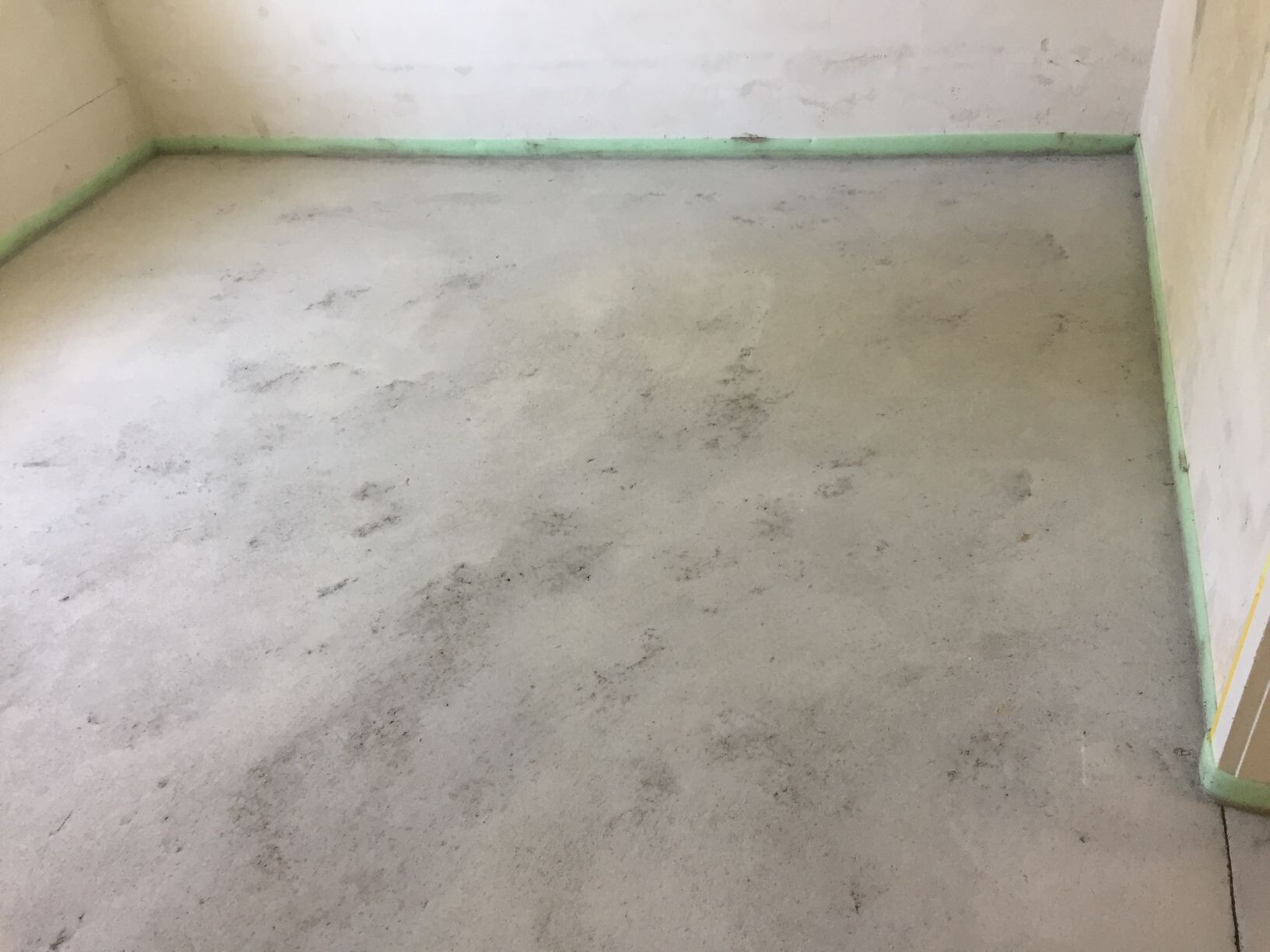
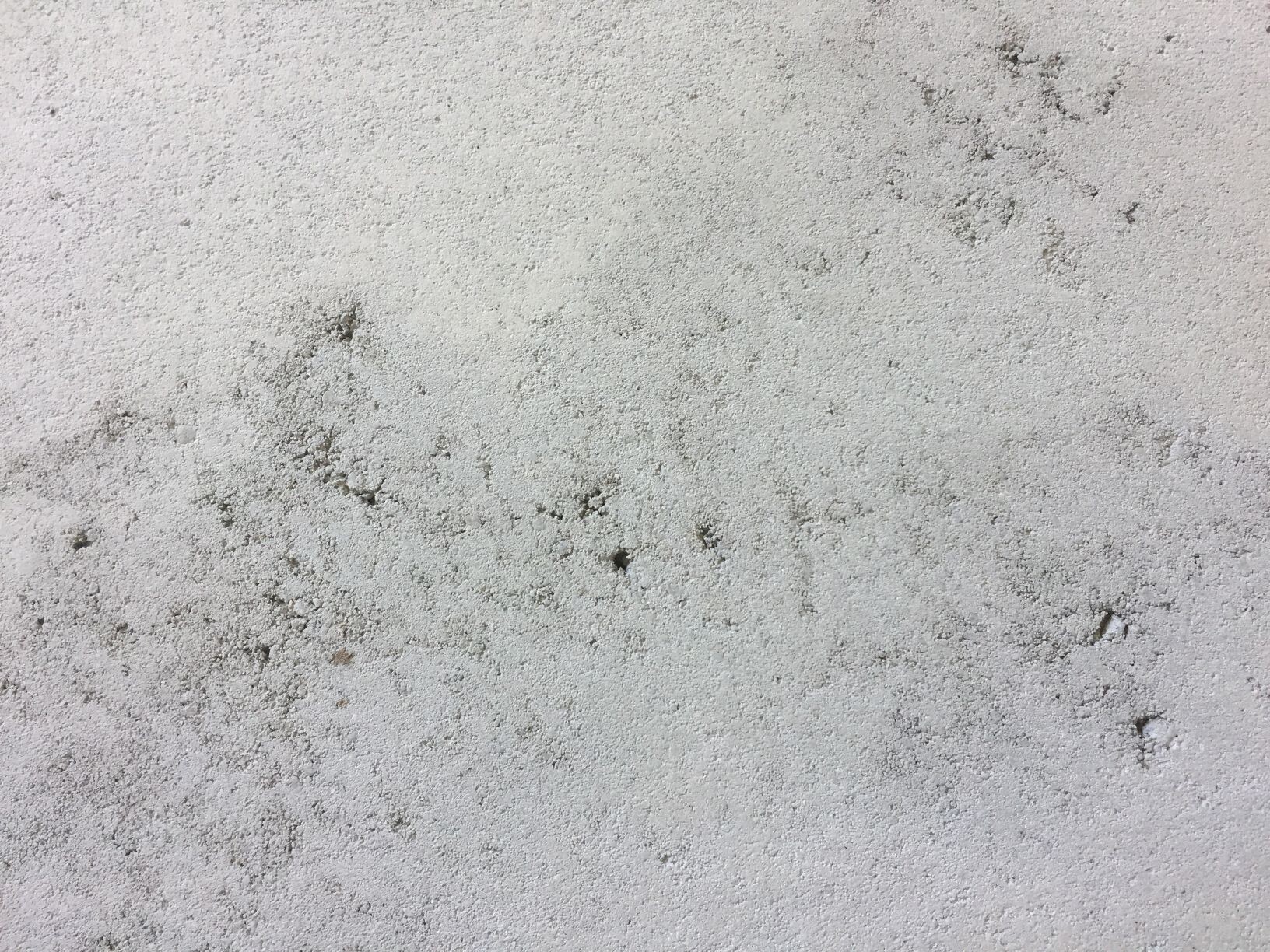
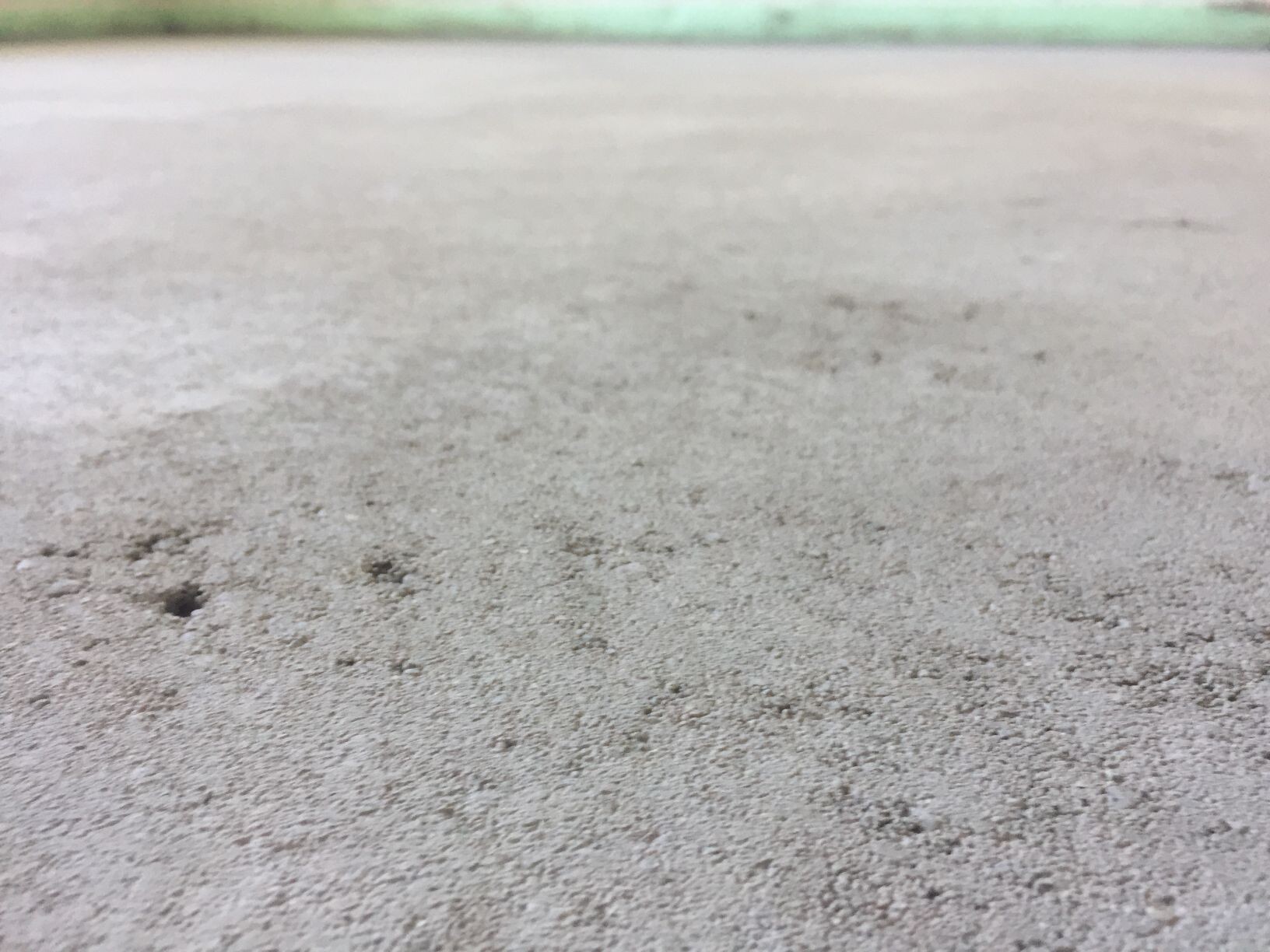
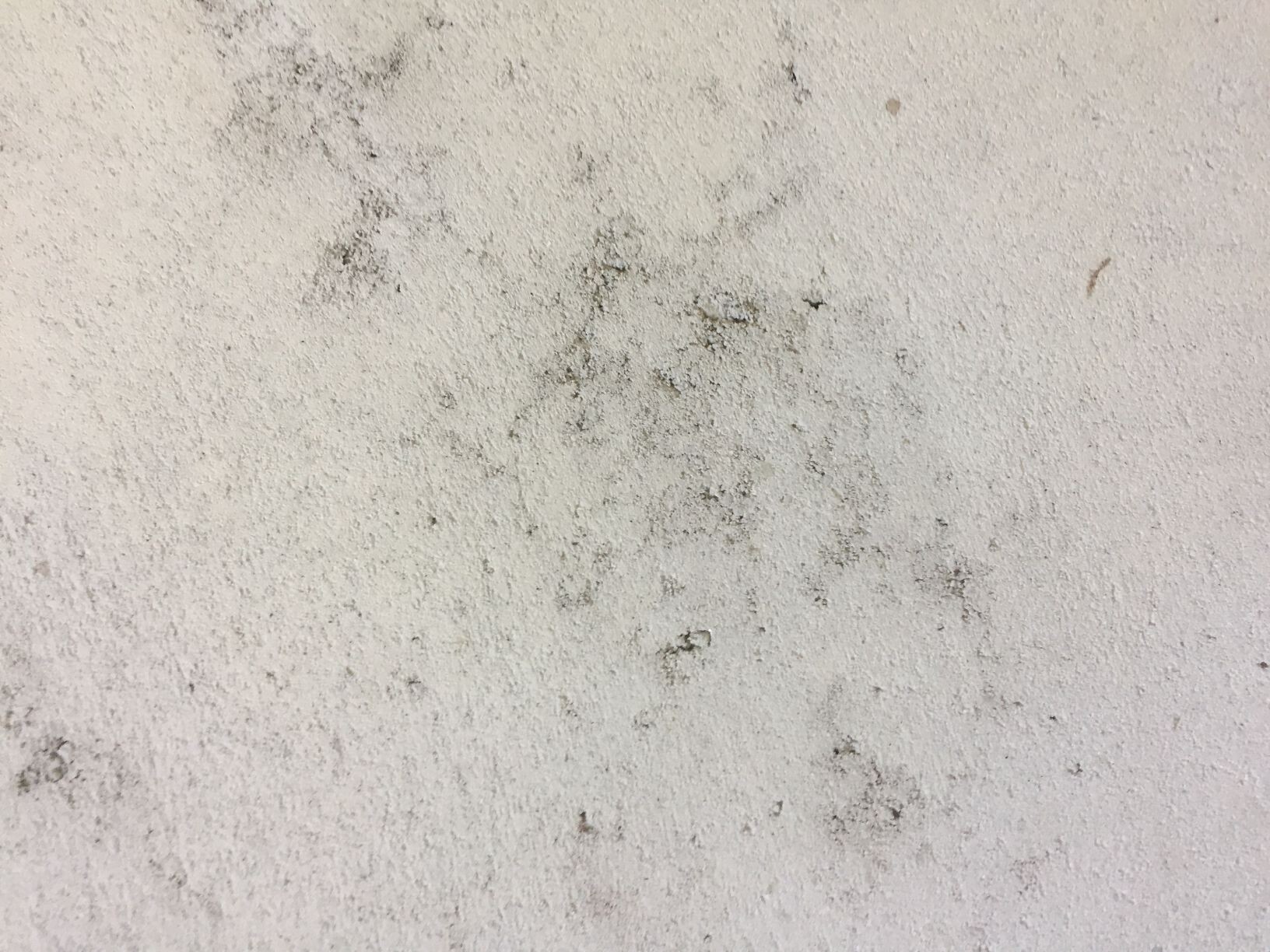
Since the floor installer (who will install glued parquet and tiles on top) will come in a few weeks, and I’m not familiar with this, I would appreciate any advice on whether the screed is in good condition. It looks porous in several spots (see photos). There are also some holes in the new screed, up to 5mm (0.2 inch) deep. Is this normal?
I would be grateful for any assistance, as the invoice is due next week...
Thank you!
hausbau0711
In our single-family house (built in the 1950s), new screed was installed last week. It is a 3cm (1.2 inch) cement screed mixed with a hardening and accelerating additive (Retanol Xtreme).
Since the floor installer (who will install glued parquet and tiles on top) will come in a few weeks, and I’m not familiar with this, I would appreciate any advice on whether the screed is in good condition. It looks porous in several spots (see photos). There are also some holes in the new screed, up to 5mm (0.2 inch) deep. Is this normal?
I would be grateful for any assistance, as the invoice is due next week...
Thank you!
hausbau0711
 markus27036 Jun 2017 12:27
Our screed looked exactly the same... completely normal. Smaller cracks are also acceptable.

K
Knallkörper6 Jun 2017 13:01As a student, I sometimes worked for a screed company. It looks like the screed wasn’t smoothed after being poured. Of course, this also leads to some loss of compaction and strength. 3 cm (1.2 inches) is a bit thin, wasn’t more possible?

Hello questioner "hausbau0711".
Whether someone has experienced this before or not is actually irrelevant here!
The screed was made using "Retanol Xtreme," which means it reaches or can reach its final strength very quickly.
The manufacturer, PCT Chemie, promotes this additive for screeds with a thickness starting from 30mm (1.2 inches).
That may be true, but it remains a special solution!
Cement screeds in construction must have a minimum thickness of 45mm (1.8 inches) to achieve a flexural tensile strength of at least 4 N/mm².
Now, the screed might meet this requirement. However, since it is and remains a special construction, proof must be provided that this is actually the case.
And: the special solution must be agreed upon with the client before execution!!! If this last point is not met, then the trade "screeding" is defective, regardless of whether the 4 N/mm² strength is achieved or not.
However, the holes are not typical.
They occur when the screed surface is rubbed while too dry.
Aggregate particles then detach from the already hardening screed matrix, resulting in such a surface appearance.
At only 30mm (1.2 inches) thickness, this is particularly concerning!!
--------------------
I am telling you this not as just anyone, but as an expert who deals with this subject professionally and knows the matter well.
Regards: KlaRa
Whether someone has experienced this before or not is actually irrelevant here!
The screed was made using "Retanol Xtreme," which means it reaches or can reach its final strength very quickly.
The manufacturer, PCT Chemie, promotes this additive for screeds with a thickness starting from 30mm (1.2 inches).
That may be true, but it remains a special solution!
Cement screeds in construction must have a minimum thickness of 45mm (1.8 inches) to achieve a flexural tensile strength of at least 4 N/mm².
Now, the screed might meet this requirement. However, since it is and remains a special construction, proof must be provided that this is actually the case.
And: the special solution must be agreed upon with the client before execution!!! If this last point is not met, then the trade "screeding" is defective, regardless of whether the 4 N/mm² strength is achieved or not.
However, the holes are not typical.
They occur when the screed surface is rubbed while too dry.
Aggregate particles then detach from the already hardening screed matrix, resulting in such a surface appearance.
At only 30mm (1.2 inches) thickness, this is particularly concerning!!
--------------------
I am telling you this not as just anyone, but as an expert who deals with this subject professionally and knows the matter well.
Regards: KlaRa
Similar topics