
ᐅ New Construction Flat Roof Waterproofing: Structure and Exposed Seams in EPDM Membrane
Created on: 23 Sep 2019 20:48
D
Der_AnbauerD
Der_Anbauer23 Sep 2019 20:48Hello everyone,
Our extension has progressed quite a bit by now, and everything has gone very smoothly so far. However, I have some concerns about the installation and execution of the flat roof waterproofing. I would be interested in your opinions on the following two questions:
1.: Construction of the flat roof waterproofing in the extension (cuboid) above the first floor, from bottom to top:
2.: Installation of the EPDM waterproofing membranes
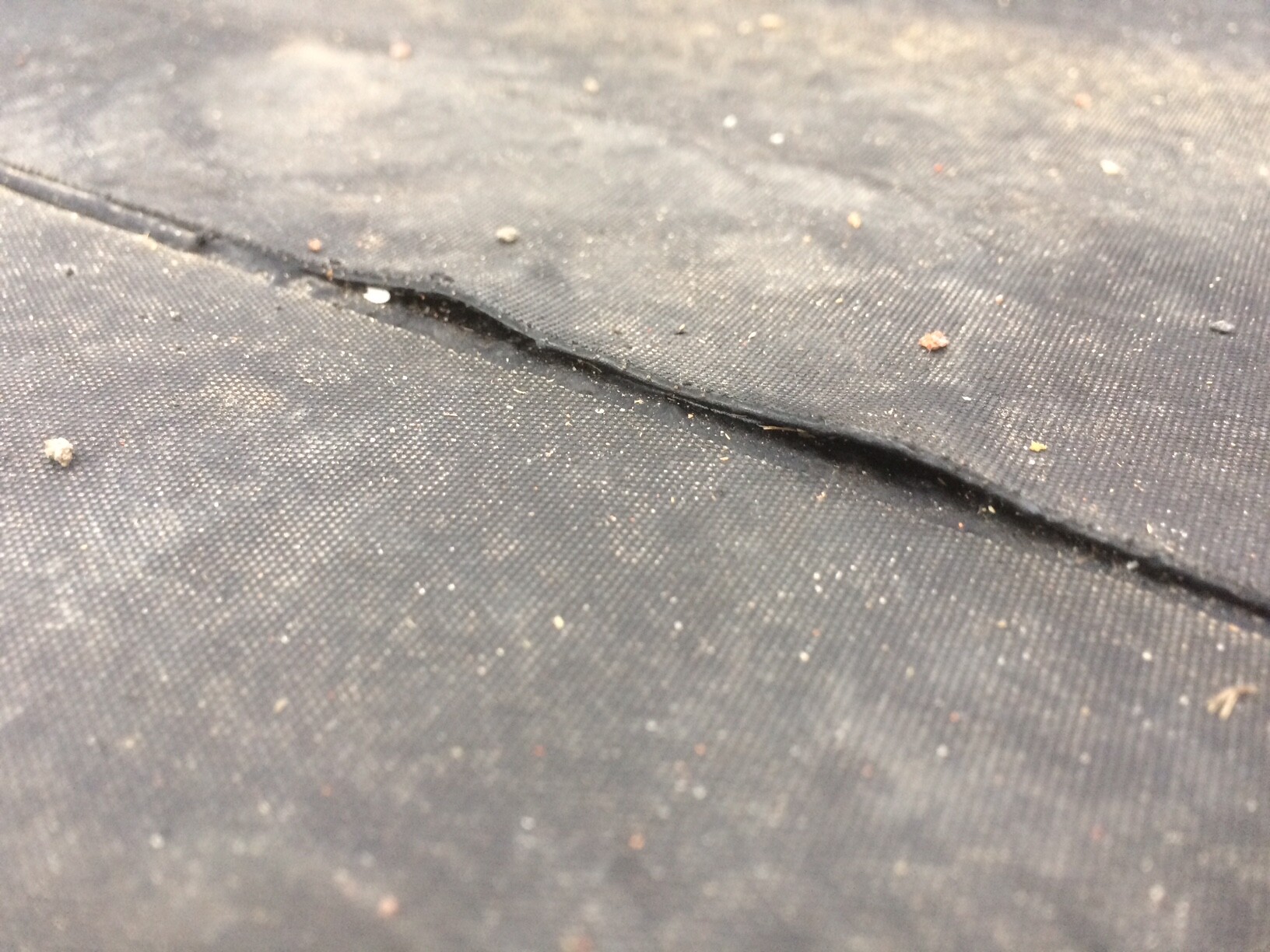
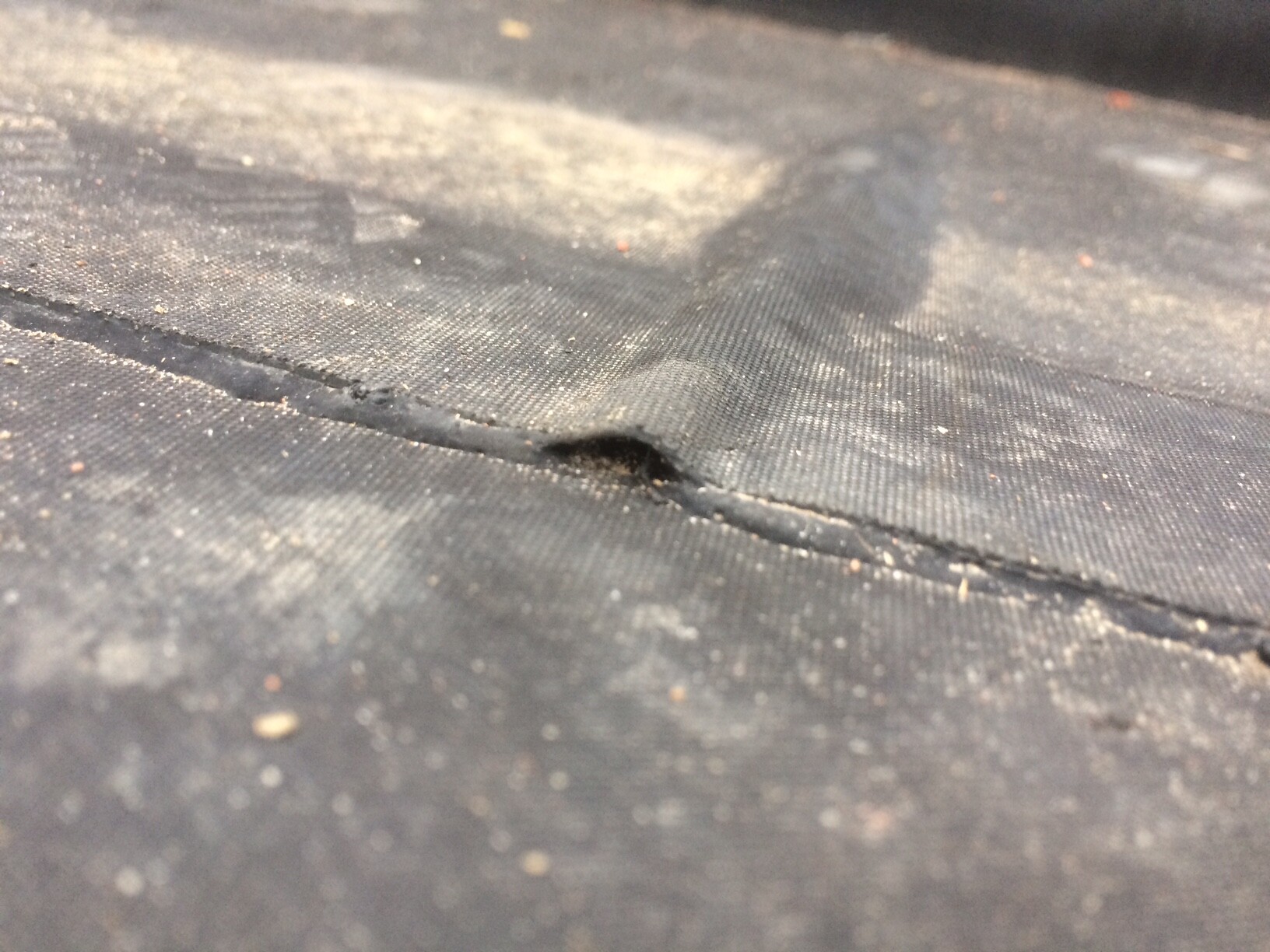
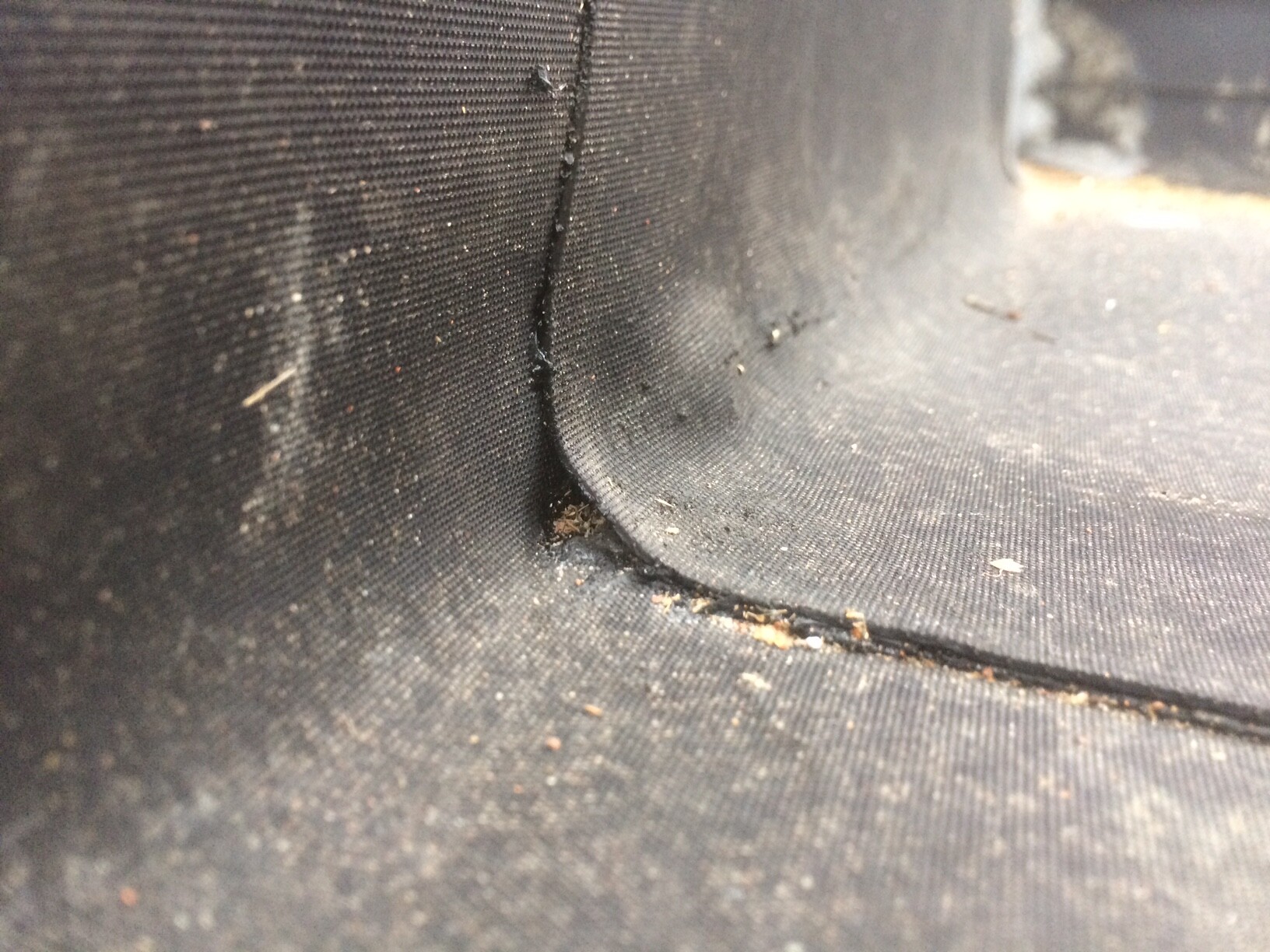
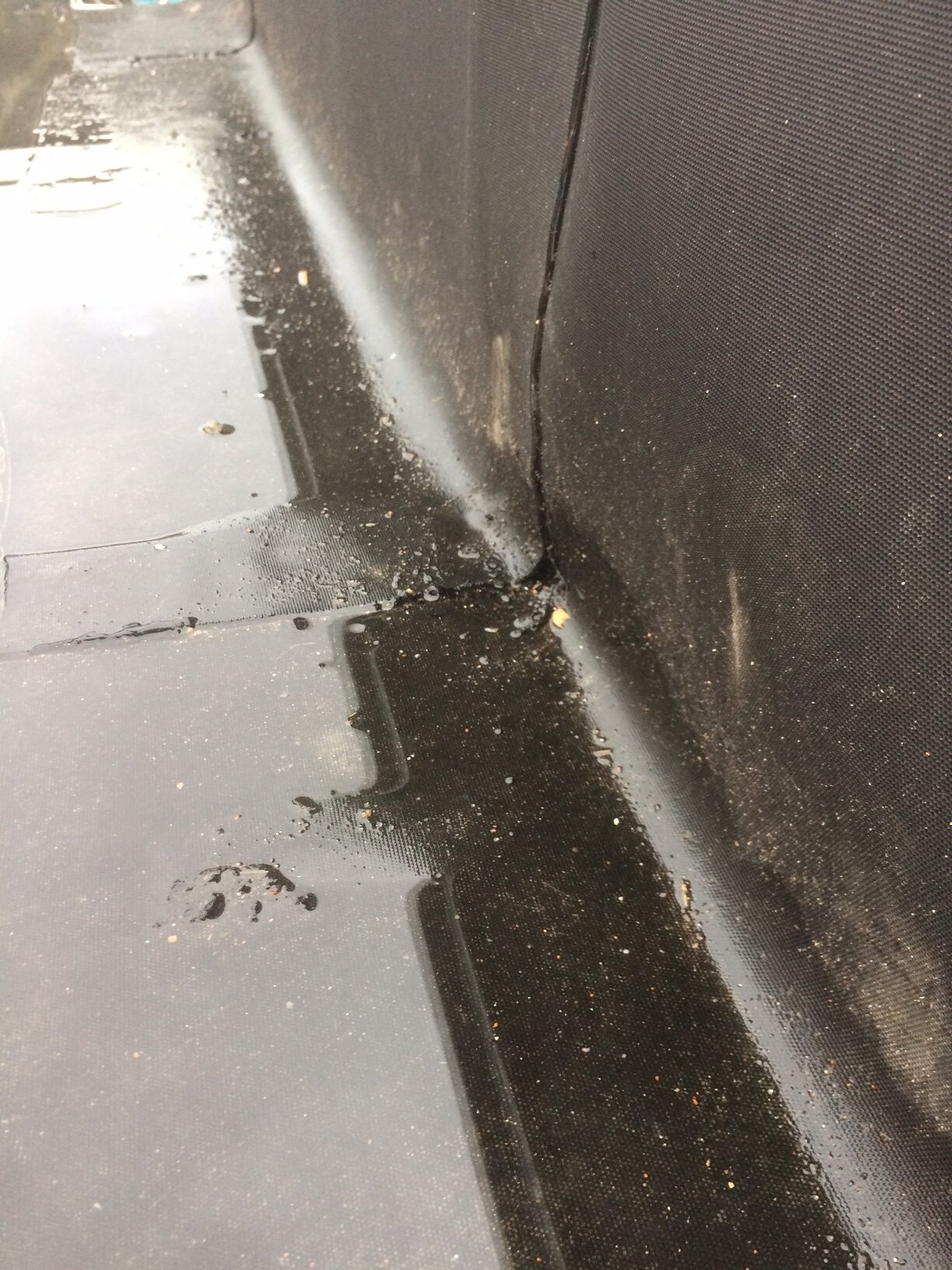
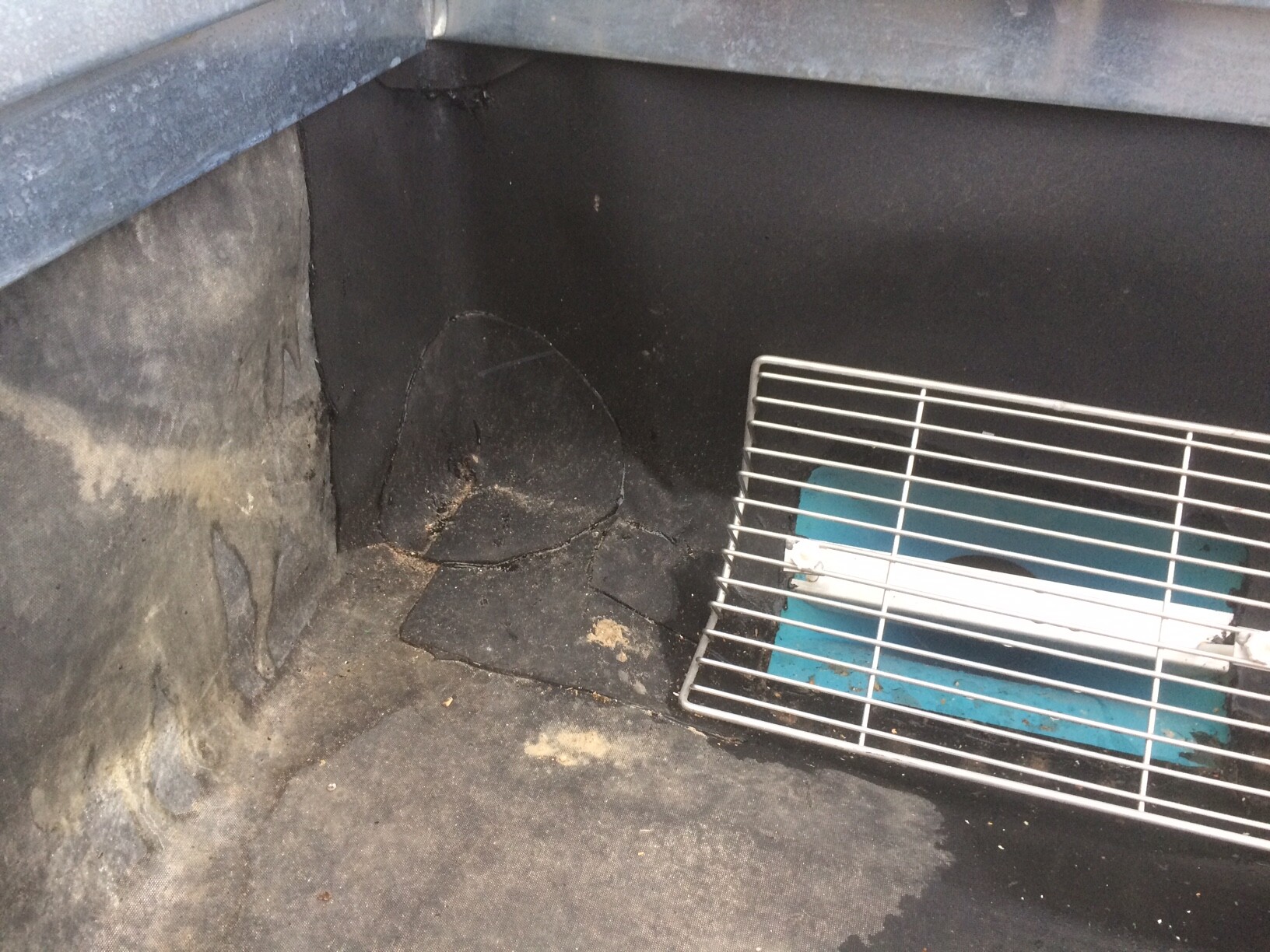
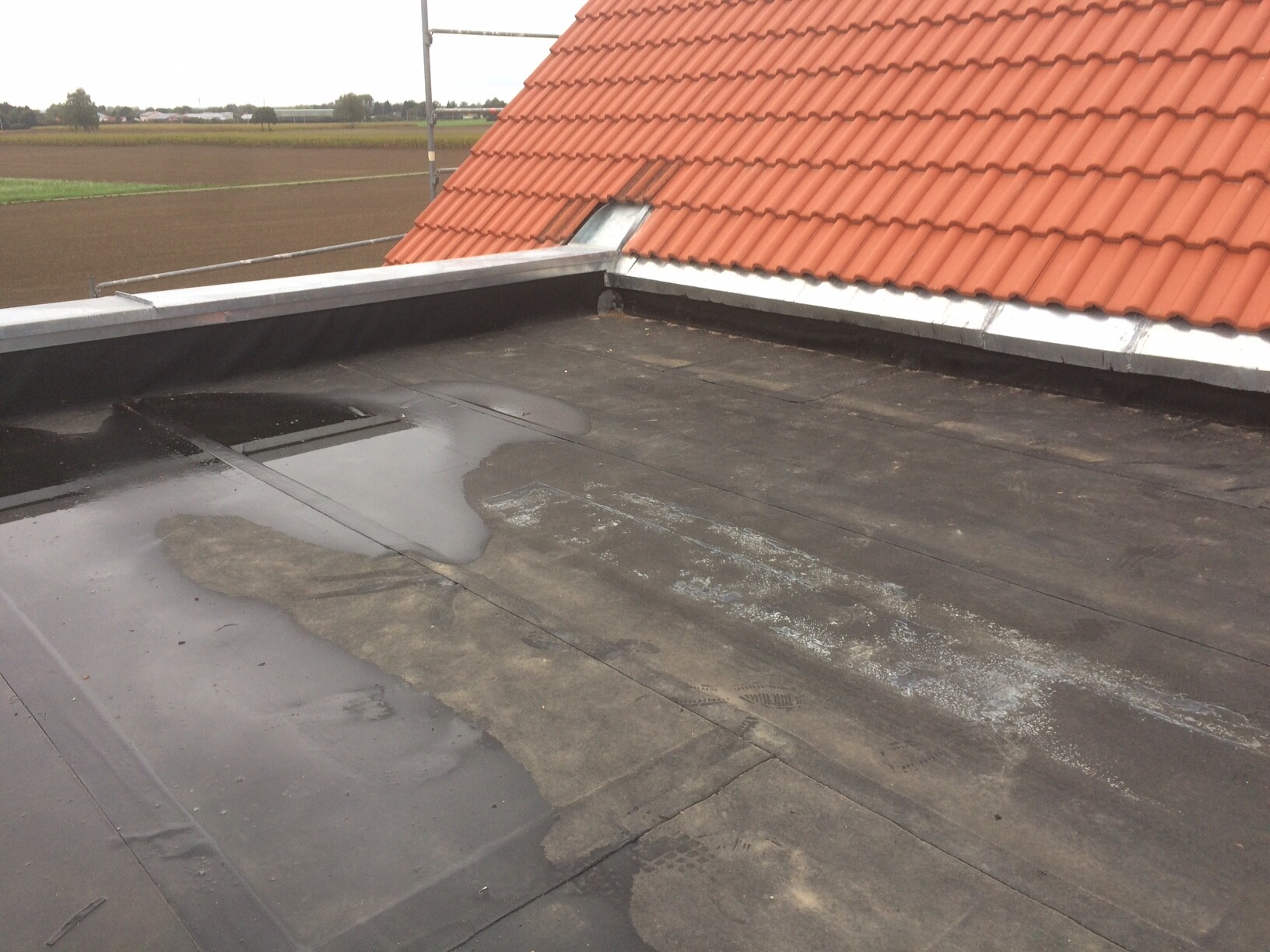
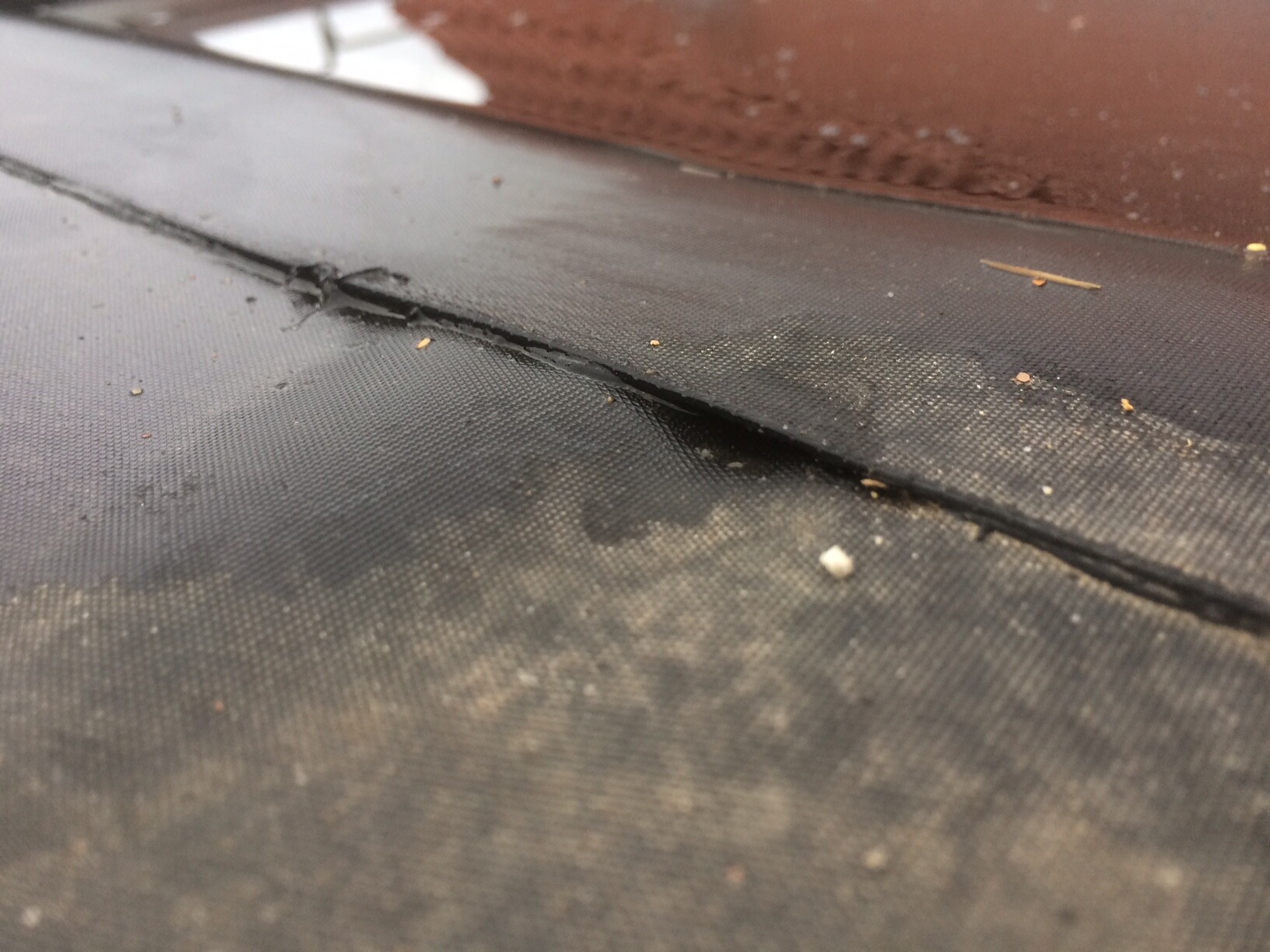
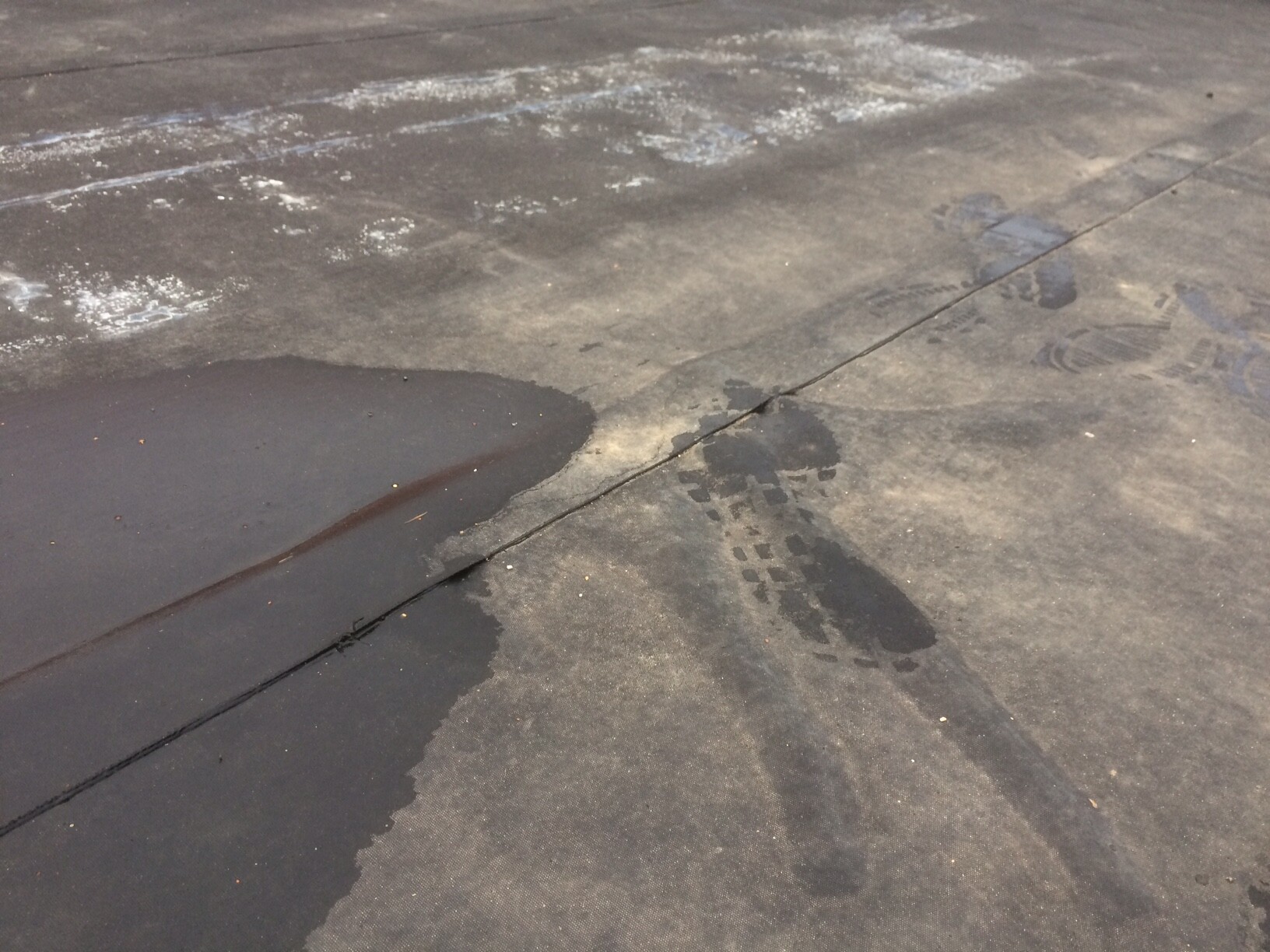
I was up on the roof today to take a closer look at the seams. Almost everywhere the EPDM membranes appear to be tightly welded together at the edges. However, in some places the seams are not properly sealed; in some spots, in my opinion, they don’t seem to be welded together correctly at all. Does anyone have experience with how this should be done correctly and whether I should be worried? I will talk to the roofing contractor and the site manager tomorrow and possibly have an independent third party inspect it. What would you recommend? Please refer to the photos for evaluation.
Thank you very much for your support!!!
Der_Anbauer
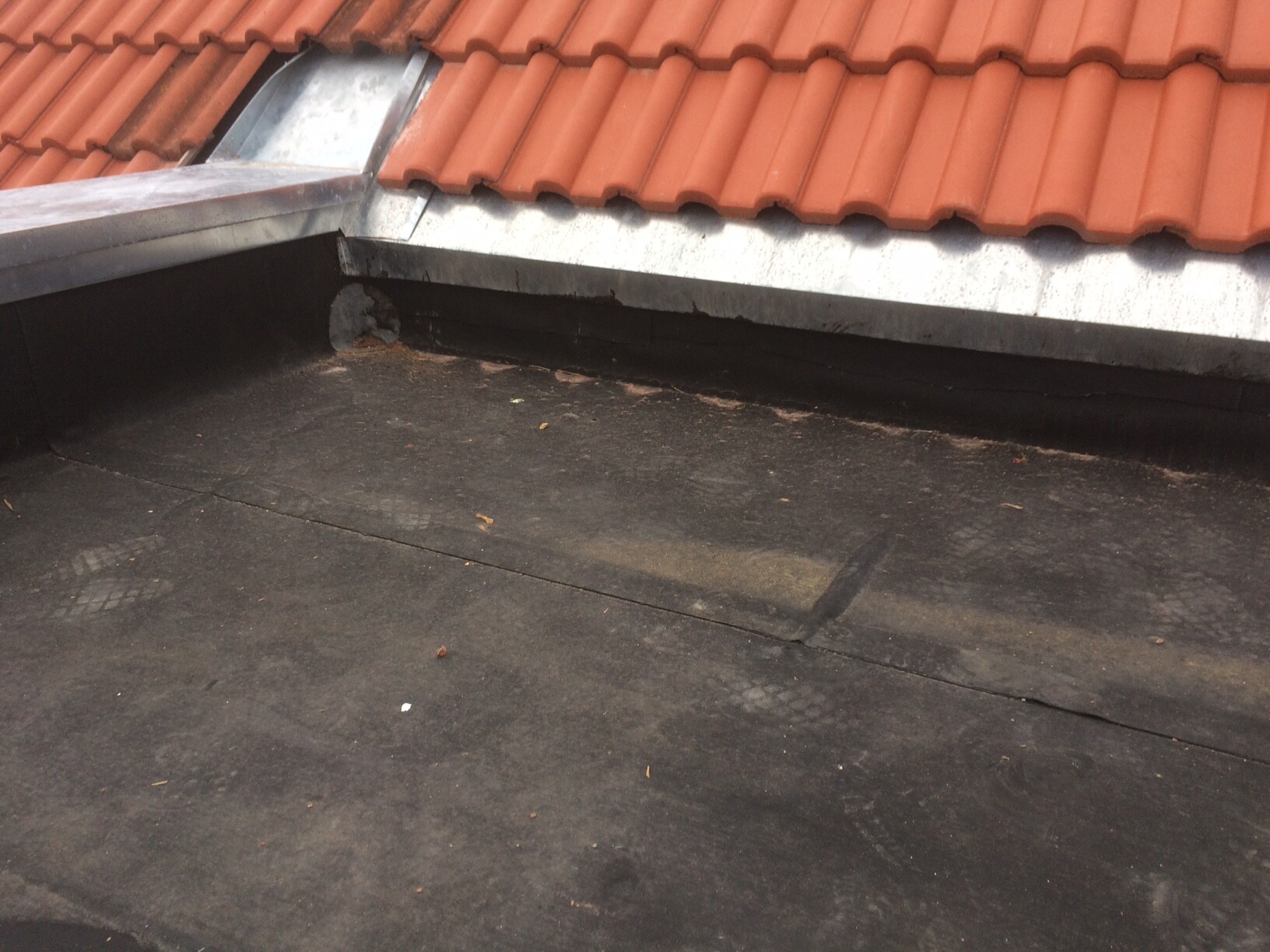
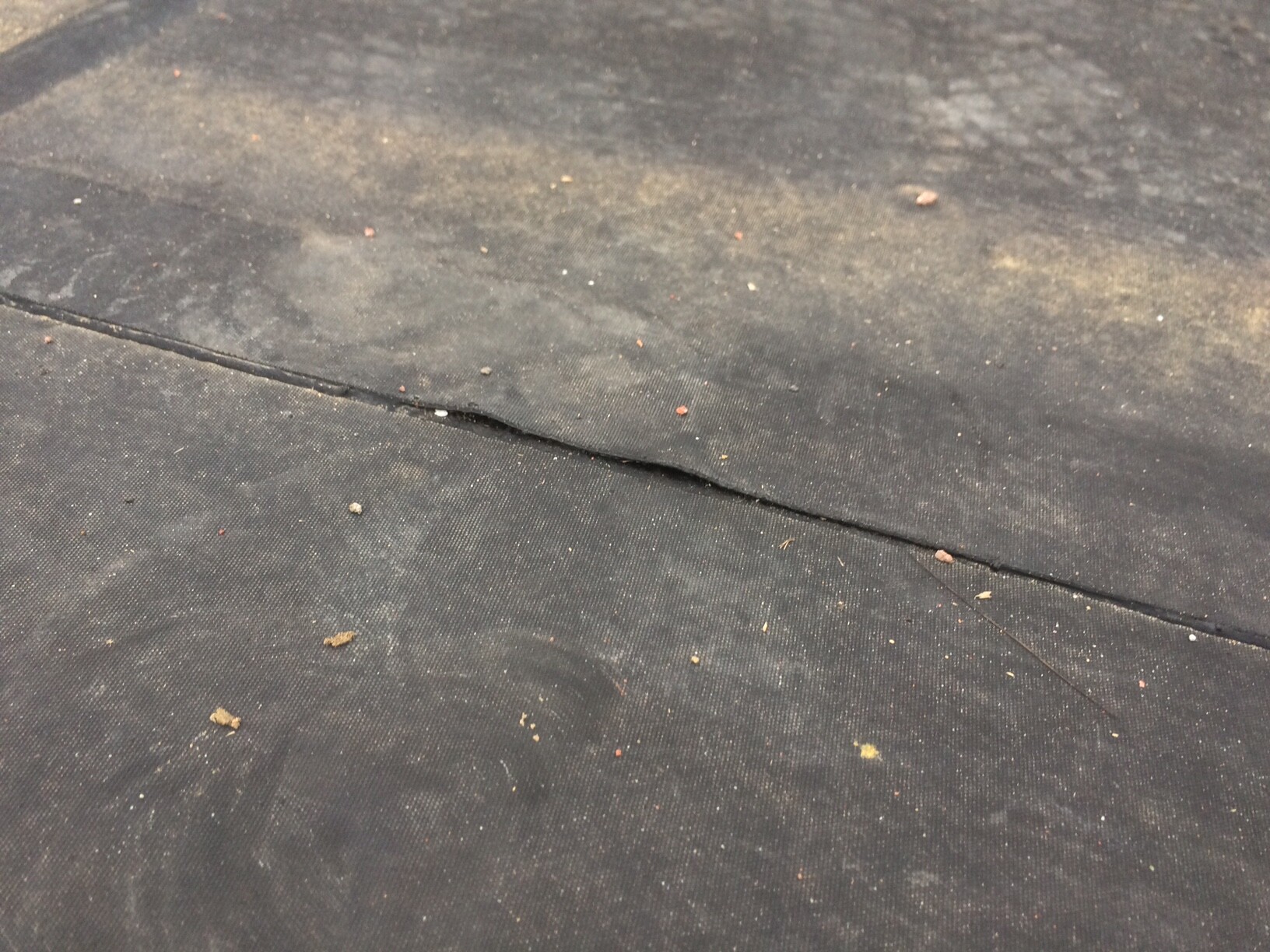
Our extension has progressed quite a bit by now, and everything has gone very smoothly so far. However, I have some concerns about the installation and execution of the flat roof waterproofing. I would be interested in your opinions on the following two questions:
1.: Construction of the flat roof waterproofing in the extension (cuboid) above the first floor, from bottom to top:
- Precast concrete slab, reinforced according to structural calculations and cast with concrete
- A brick parapet wall (2 courses of bricks) on three outer sides of the concrete slab
- Primer for bitumen roofing membranes
- Bitumen roofing membranes (MOGAT Bärenhaut V60 AI S4) -> Intended as vapor barrier and second waterproofing layer
- Unilin Utherm LE 50mm (2 inches) PIR rigid foam insulation boards -> insulation layer
- Sloped insulation made of EPS (expanded polystyrene) with about 2% slope
- 20mm (3/4 inch) tongue-and-groove OSB boards directly installed on top of the EPS boards (for load distribution since the flat roof will be used as a roof terrace)
- RESITRIX EPDM membrane for waterproofing
2.: Installation of the EPDM waterproofing membranes
I was up on the roof today to take a closer look at the seams. Almost everywhere the EPDM membranes appear to be tightly welded together at the edges. However, in some places the seams are not properly sealed; in some spots, in my opinion, they don’t seem to be welded together correctly at all. Does anyone have experience with how this should be done correctly and whether I should be worried? I will talk to the roofing contractor and the site manager tomorrow and possibly have an independent third party inspect it. What would you recommend? Please refer to the photos for evaluation.
Thank you very much for your support!!!
Der_Anbauer
Hi!
What came out of your conversation today with the roofer or site manager?
I’m not an expert in roof waterproofing, but this doesn’t seem correct to me.
Try searching for this:
Simply explained: the RESITRIX® seam welding with the hand welding tool
Watch the first video! From about 1:30 minutes it says that “a very clearly visible bitumen bead of 2 to 4 mm (0.08 to 0.16 inches) must appear.”
I don’t see that consistently here. On the RESITRIX website under Service, you can find more videos.
If in doubt, besides an expert inspector, you could also ask the membrane manufacturer for their opinion. They usually have application specialists on staff. The manufacturer’s reputation is at stake, and they definitely have an interest in proper installation.
Regards
xray
What came out of your conversation today with the roofer or site manager?
I’m not an expert in roof waterproofing, but this doesn’t seem correct to me.
Try searching for this:
Simply explained: the RESITRIX® seam welding with the hand welding tool
Watch the first video! From about 1:30 minutes it says that “a very clearly visible bitumen bead of 2 to 4 mm (0.08 to 0.16 inches) must appear.”
I don’t see that consistently here. On the RESITRIX website under Service, you can find more videos.
If in doubt, besides an expert inspector, you could also ask the membrane manufacturer for their opinion. They usually have application specialists on staff. The manufacturer’s reputation is at stake, and they definitely have an interest in proper installation.
Regards
xray
T
tamtamtam26 Sep 2019 10:16My first welded seams looked just like that when I tried working on our garden shed about 10 years ago.
I would definitely hit him with that.
I would definitely hit him with that.
From the looks of it, the sheets are not welded but glued. As far as I know, this is also the current standard practice for EPDM membranes. The adhesive bonding covers a larger area than welding. Whether the seams are actually watertight cannot be determined like this, in my opinion. I used this type of membrane to cover the flat roof of a shed, and it also looked somewhat rough in places. However, that was my very first time doing it, and it’s just a shed... In other words, talk to the roofer and site manager about it again, document everything, and ideally get them to sign something confirming that you have pointed out to them that, at least from your perspective, the work does not seem properly done and may be leaking. https://www.hausbau-forum.de/attachments/img_4223-jpg.38376/ What worries me most is that it looks to me as if the joint runs through the entire adhesive layer.
D
Der_Anbauer27 Sep 2019 10:18Hello everyone,
thank you for your assessments. A good solution has now been found:
I contacted the manufacturer of the EPDM membrane and sent the regional field representative the link to the pictures. At the same time, the site managers and the roofing company (who had subcontracted the sheet metal workers again...) immediately agreed that rework was necessary. As a result, a meeting took place yesterday morning with all parties involved and the EPDM manufacturer’s field representative (now that’s really good service). The specialist’s assessment: The roof is poorly done.
Suggested solution: A new, single-piece EPDM membrane of about 6 x 6 meters (20 x 20 feet) will be installed on the roof. This will be custom-made by the manufacturer and will have no manually welded seams anymore. The membrane will then be folded up on the inside of the parapet using a folding technique. The EPDM company, which produces Resitrix, will be present throughout the entire installation and will conduct on-site training for the sheet metal workers and roofing company on this product. Essentially, our roof will serve as a reference project. I’m excited—I won’t have to worry about this anymore.
Best regards,
Der_Anbauer
thank you for your assessments. A good solution has now been found:
I contacted the manufacturer of the EPDM membrane and sent the regional field representative the link to the pictures. At the same time, the site managers and the roofing company (who had subcontracted the sheet metal workers again...) immediately agreed that rework was necessary. As a result, a meeting took place yesterday morning with all parties involved and the EPDM manufacturer’s field representative (now that’s really good service). The specialist’s assessment: The roof is poorly done.
Suggested solution: A new, single-piece EPDM membrane of about 6 x 6 meters (20 x 20 feet) will be installed on the roof. This will be custom-made by the manufacturer and will have no manually welded seams anymore. The membrane will then be folded up on the inside of the parapet using a folding technique. The EPDM company, which produces Resitrix, will be present throughout the entire installation and will conduct on-site training for the sheet metal workers and roofing company on this product. Essentially, our roof will serve as a reference project. I’m excited—I won’t have to worry about this anymore.
Best regards,
Der_Anbauer
Similar topics