
ᐅ New Build KfW 55 EE: Differing Opinions Between Energy Consultant and General Contractor
Created on: 4 Feb 2022 22:19
H
HausJam
Hello everyone,
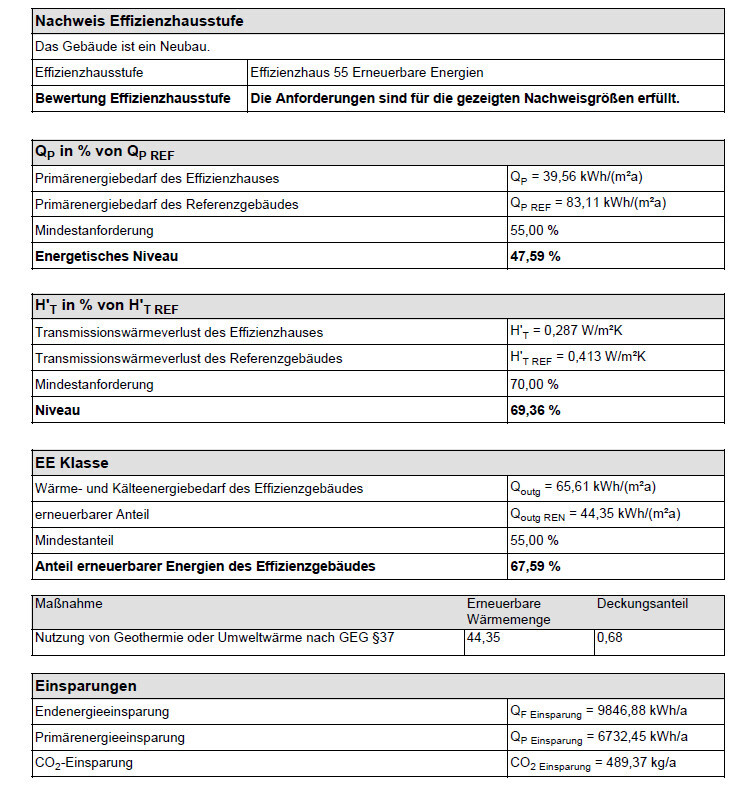
We are currently in the final stages of planning our KfW 55 EE single-family house (the application has already been approved).
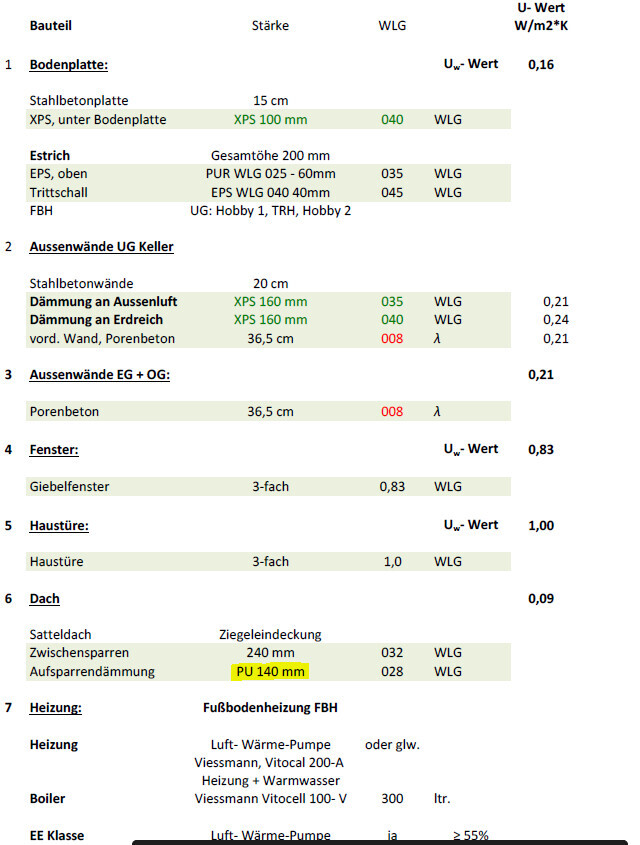
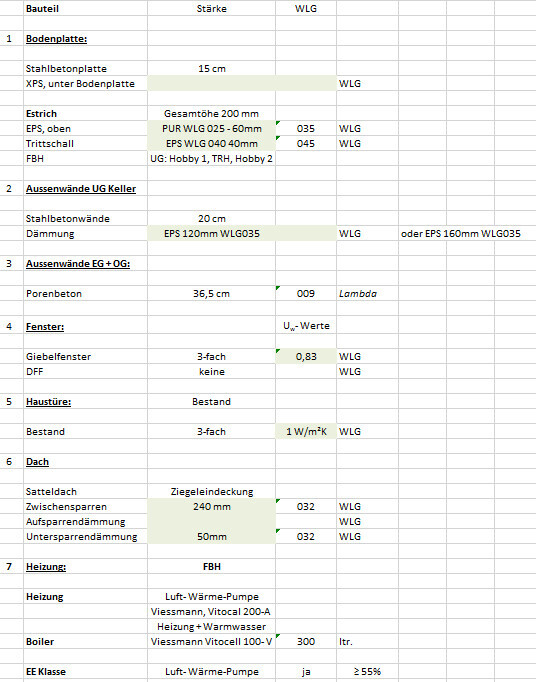
During the planning phase, our main contractor provided the energy consultant with a list of building components, which the consultant then used to complete the KfW 55 EE calculation. However, the energy consultant considers the listed components insufficient and therefore recommends the following changes to meet the KfW 55 EE standard:
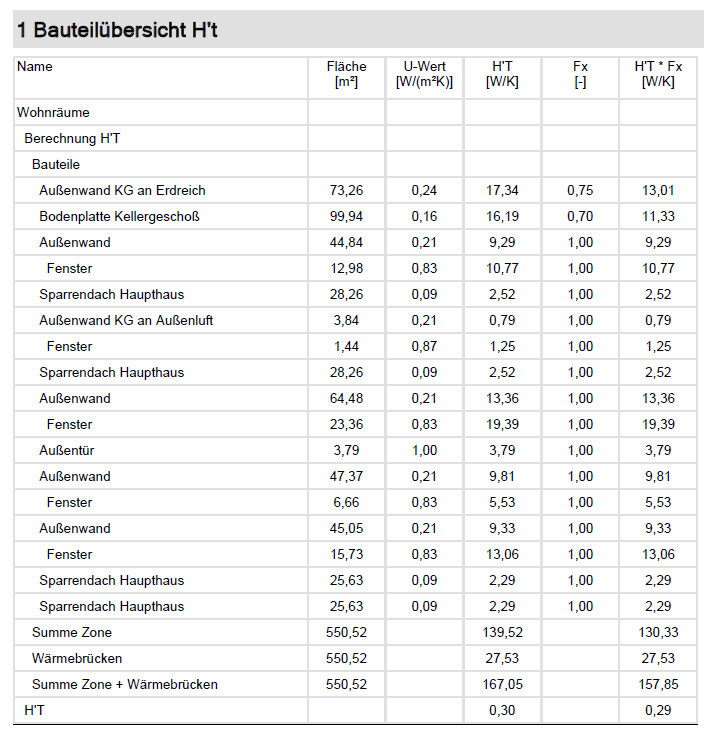
The main contractor now believes that the additional insulation measures are unnecessary and only included because the energy consultant applied a blanket calculation for thermal bridges.
We now have the following questions:
Thanks in advance!
HausJam
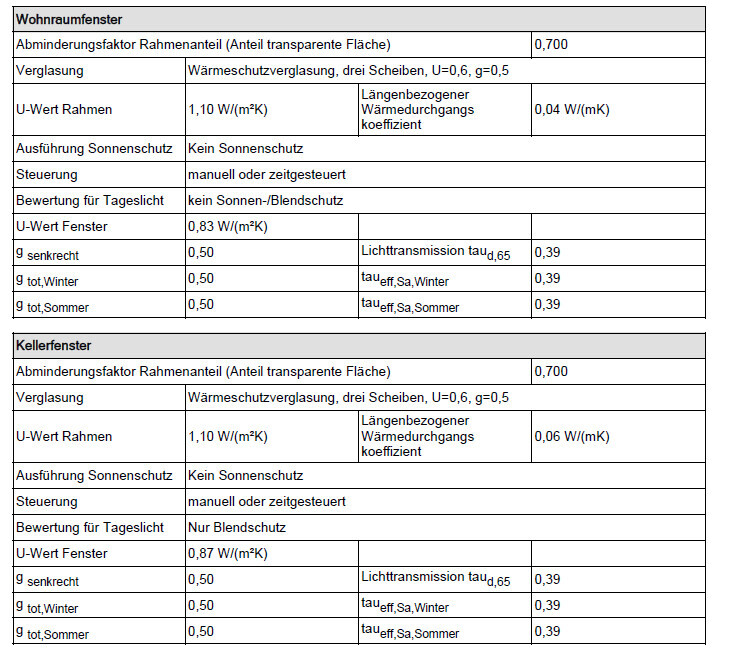
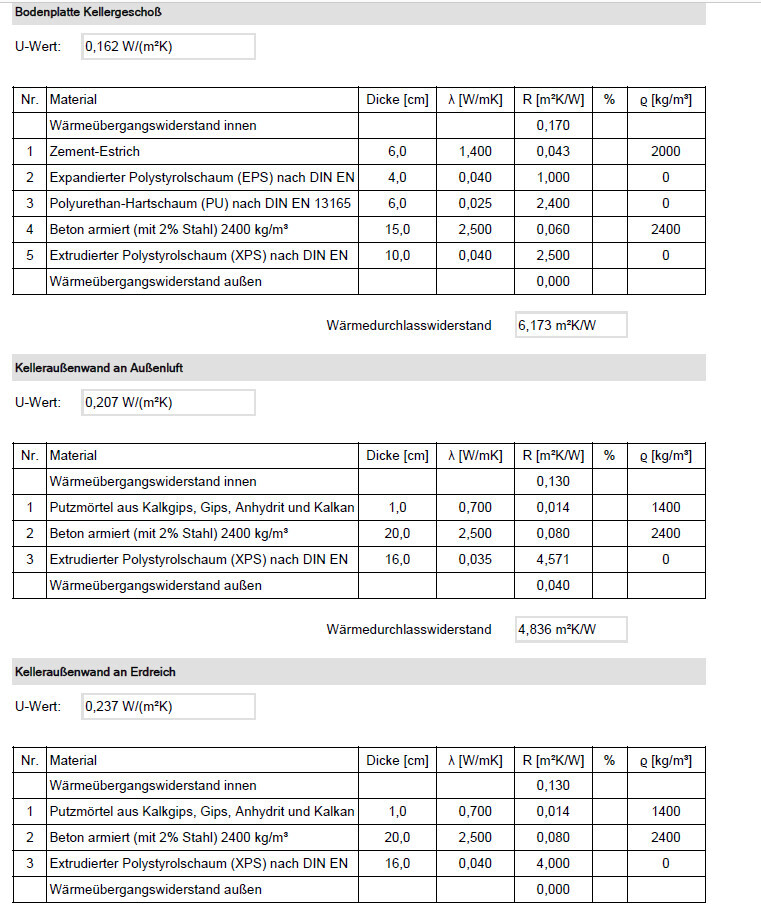
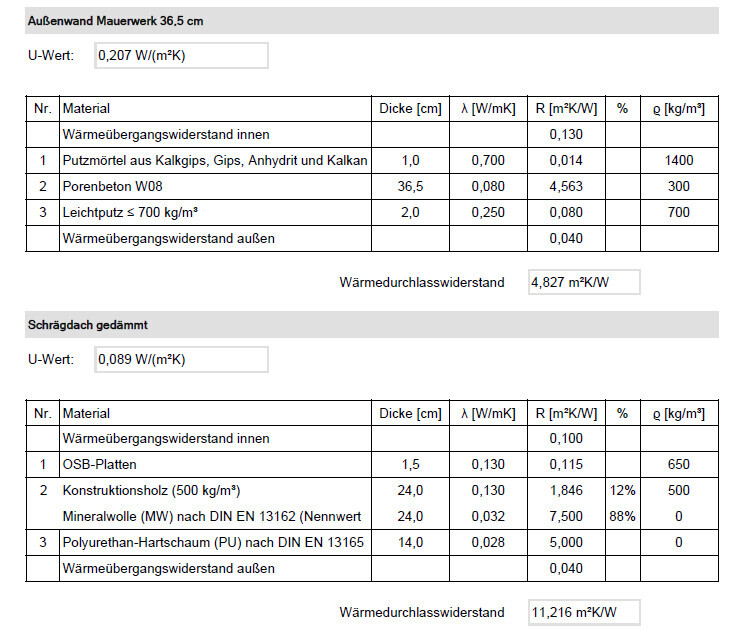
We are currently in the final stages of planning our KfW 55 EE single-family house (the application has already been approved).
During the planning phase, our main contractor provided the energy consultant with a list of building components, which the consultant then used to complete the KfW 55 EE calculation. However, the energy consultant considers the listed components insufficient and therefore recommends the following changes to meet the KfW 55 EE standard:
- Ground slab
- Additional insulation below the ground slab: XPS 100 mm (4 inches)
- Exterior basement walls (north, east, south)
- Insulation: XPS 160 mm (6 inches) instead of EPS 120 mm (5 inches)
- Exterior basement wall (west only) + exterior walls on the ground floor and upper floor
- Aerated concrete 008 instead of 009
- Roof
- Above-rafter insulation PU 140 mm (6 inches) instead of under-rafter insulation 50 mm (2 inches) glass wool
The main contractor now believes that the additional insulation measures are unnecessary and only included because the energy consultant applied a blanket calculation for thermal bridges.
We now have the following questions:
- Are the building components proposed by the main contractor sufficient for a KfW 55 EE house, or are they far from the standard?
- Are the extra measures demanded by the energy consultant unnecessary?
- How much heating cost savings can roughly be expected from the additional insulation?
- Can anyone provide a rough estimate of the costs for the additional measures?
Thanks in advance!
HausJam

TmMike_2 schrieb:
I think I still need to make more posts before I can send private messages. But you are allowed to use the search function, for example for: https://www.hausbau-forum.de/threads/strategien-bei-ueberteuerten-angeboten.42024/#post-545053 🙂
https://www.instagram.com/11antgmxde/
https://www.linkedin.com/company/bauen-jetzt/
11ant schrieb:
But you are allowed to use the search function, for example here: https://www.hausbau-forum.de/threads/strategien-bei-ueberteuerten-angeboten.42024/#post-545053 🙂It took a moment, you have a picture from 18 months ago 🙂 There are also two dormers facing the street.11ant schrieb:
Who comes up with such a labor-intensive wall design (or one that forces overly complex bonding)? How exactly do the thicknesses of the stones used indicate the amount of sawing required?
Besides that, you are regularly overestimating this. Drop that mantra. Cutting is totally normal and not a big effort.
HausJam schrieb:
- Foundation slab
- Additional insulation under foundation slab: XPS 100 mm (4 inches)
- Exterior walls basement (north, east, south)
- Insulation: XPS 160 mm (6 inches) instead of EPS 120 mm (5 inches)
- Basement exterior wall (west only) + exterior walls ground floor + upper floor
- Aerated concrete 008 instead of 009
- Roof
- Above-rafter insulation PU 140 mm (6 inches) instead of below-rafter insulation 50 mm (2 inches) glass wool
These are significant changes. But considering that previously the foundation slab was completely uninsulated except for 6 cm (2.5 inches) EPS under the screed, it’s not such a big surprise.
The additional costs will be in the five-figure range.
HausJam schrieb:
The general contractor now thinks that the additional insulation measures are unnecessary and only come about because the energy consultant included thermal bridges across the board. That’s nonsense. Calculated thermal bridges optimize the last fraction of heat loss but absolutely do not compensate for the massively increased insulation thicknesses here.
Moreover, monolithic construction does not perform as much better with calculated thermal bridges as one might hope.
And that is precisely the question—whether there is even a thermal protection certificate according to the Building Energy Act, because only the additional effort beyond the Building Energy Act results in the KfW-related costs; everything else is overhead and cannot be excluded.
If necessary, even if the energy consultant is not authorized to issue a thermal protection certificate, they can switch their software to the Building Energy Act standards and see what is required.
The Building Energy Act is almost equivalent to the KfW 70 standard, and renewable energy is already required; here, the focus is also on the difference. If anything, the heat pump would become more affordable, as a small system might be sufficient due to the low heating load.
If necessary, even if the energy consultant is not authorized to issue a thermal protection certificate, they can switch their software to the Building Energy Act standards and see what is required.
The Building Energy Act is almost equivalent to the KfW 70 standard, and renewable energy is already required; here, the focus is also on the difference. If anything, the heat pump would become more affordable, as a small system might be sufficient due to the low heating load.
I have also rarely seen such a strange and expensive combination of insulation.
Use:
Roof: 24cm (10 inches) (alternatively 20cm (8 inches) plus counter battens and 6cm (2.5 inches) insulation between rafters from the inside)
Masonry: instead of a 36.5cm (14 inches) block, simply use a 42cm (16.5 inches) block – even better is a 24cm (9.5 inches) block plus external facade insulation.
Floor:
Under the screed, your 14cm (5.5 inches) insulation.
Done.
Use:
Roof: 24cm (10 inches) (alternatively 20cm (8 inches) plus counter battens and 6cm (2.5 inches) insulation between rafters from the inside)
Masonry: instead of a 36.5cm (14 inches) block, simply use a 42cm (16.5 inches) block – even better is a 24cm (9.5 inches) block plus external facade insulation.
Floor:
Under the screed, your 14cm (5.5 inches) insulation.
Done.
Similar topics