
Hello everyone,
I found some nice lamp holders from China at a relatively low price.
However, they do not have a CE mark.
Now, such a lamp holder is a simple component without any electrical connection, and it is for a 24V low-voltage lamp.
Does anyone have experience with this?
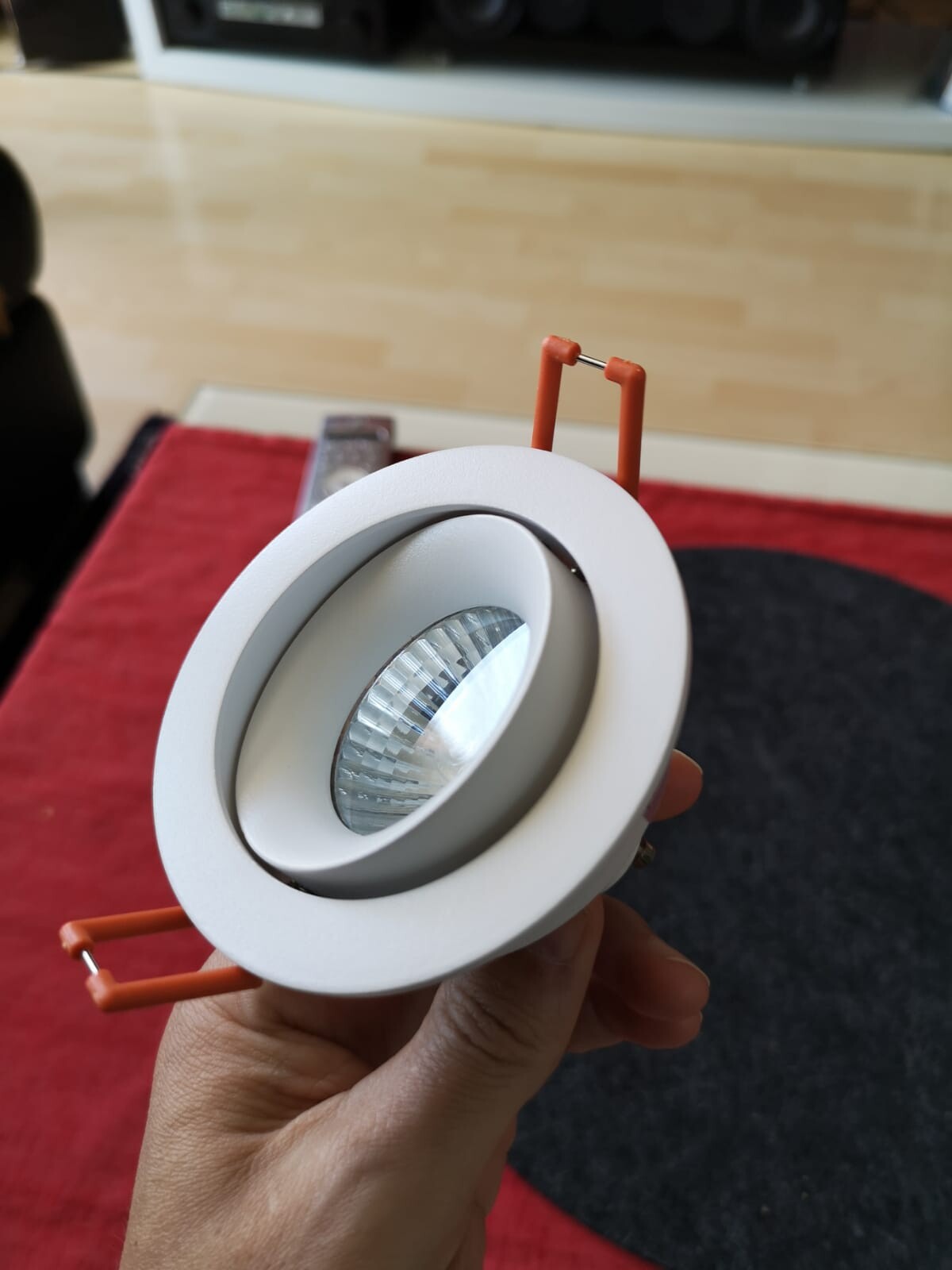
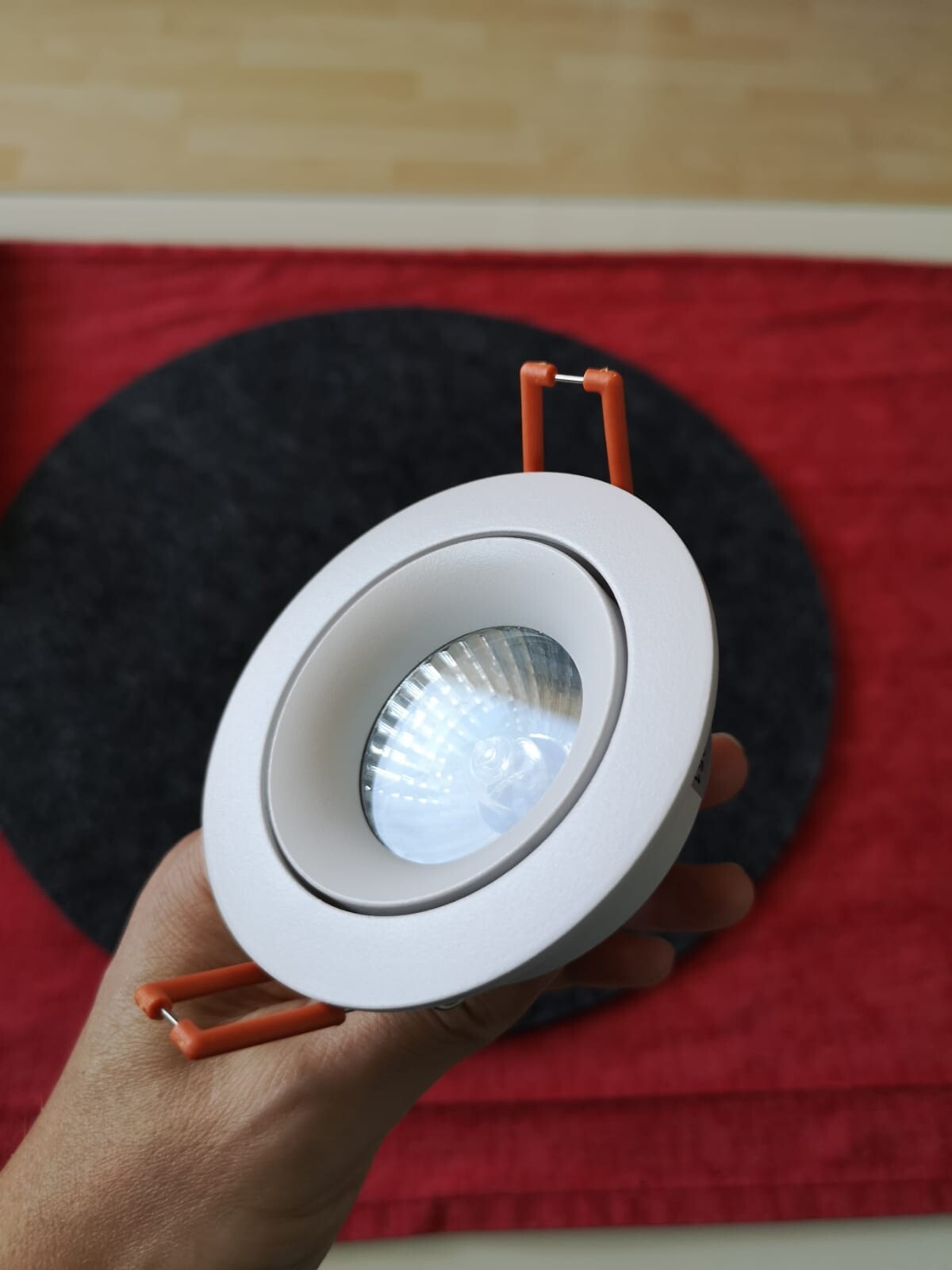
I found some nice lamp holders from China at a relatively low price.
However, they do not have a CE mark.
Now, such a lamp holder is a simple component without any electrical connection, and it is for a 24V low-voltage lamp.
Does anyone have experience with this?

If it is an electrical device in the broadest sense, a CE marking is mandatory. The manufacturer thereby guarantees compliance with relevant standards and regulations. Without it, the device is not marketable (in the economic sense) in Germany.
Since recessed ceiling lights are often a source of spontaneous combustion (because it simply gets too warm up there in the ceiling), your insurance company will likely interpret this against you in case of doubt, even if the actual cause was something else, for example, insufficient ventilation or flammable materials like dust that then ignited the wooden framework of the ceiling... *horror scenario*
Well, at our company we have a simple rule: If it doesn’t have a CE mark, it is not allowed. That way, we have someone to hold responsible...
Since recessed ceiling lights are often a source of spontaneous combustion (because it simply gets too warm up there in the ceiling), your insurance company will likely interpret this against you in case of doubt, even if the actual cause was something else, for example, insufficient ventilation or flammable materials like dust that then ignited the wooden framework of the ceiling... *horror scenario*
Well, at our company we have a simple rule: If it doesn’t have a CE mark, it is not allowed. That way, we have someone to hold responsible...

Different product, same issue, discussed recently here: https://www.hausbau-forum.de/threads/fensterimport-ce-oder-ral-was-ist-wichtig.35777/page-2#post-419029
https://www.instagram.com/11antgmxde/
https://www.linkedin.com/company/bauen-jetzt/
https://www.instagram.com/11antgmxde/
https://www.linkedin.com/company/bauen-jetzt/
Does the lamp get power from the support structure, or from an independent cable connected to the transformer? In the first case, it is not considered an electrical component and does not require CE marking. The main issue is usually with GU10 halogen lamps, due to the temperature. LED and low-voltage lamps do not get warm.