
ᐅ Mold in the bathroom: the general contractor refuses to take action
Created on: 21 Sep 2021 22:48
M
MP12345
Good evening, we have the following problem:
After the screed dried, we noticed mold. We are building with a general contractor (GC), and we do not have a key (the GC builds many houses on the street and has a key for all of them, so no homeowner receives a key). Now we have mold growing especially in the bathroom and on some drywall panels throughout the house. The GC claims this is normal, not a big deal, and says he has been doing this for 30 years; the mold can be removed with mold remover. We have repeatedly asked him, both verbally and in writing, to replace the affected panels. Verbally, he always downplays the issue, and he does not respond to written requests. What do you think about the photos / how can we proceed further?
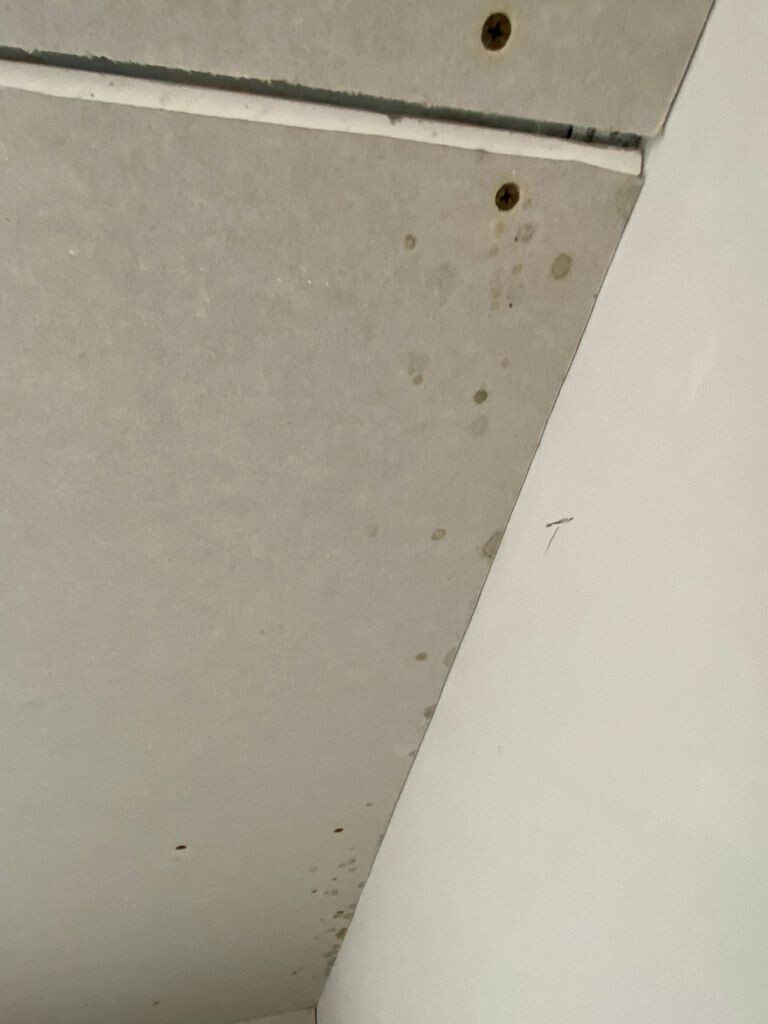
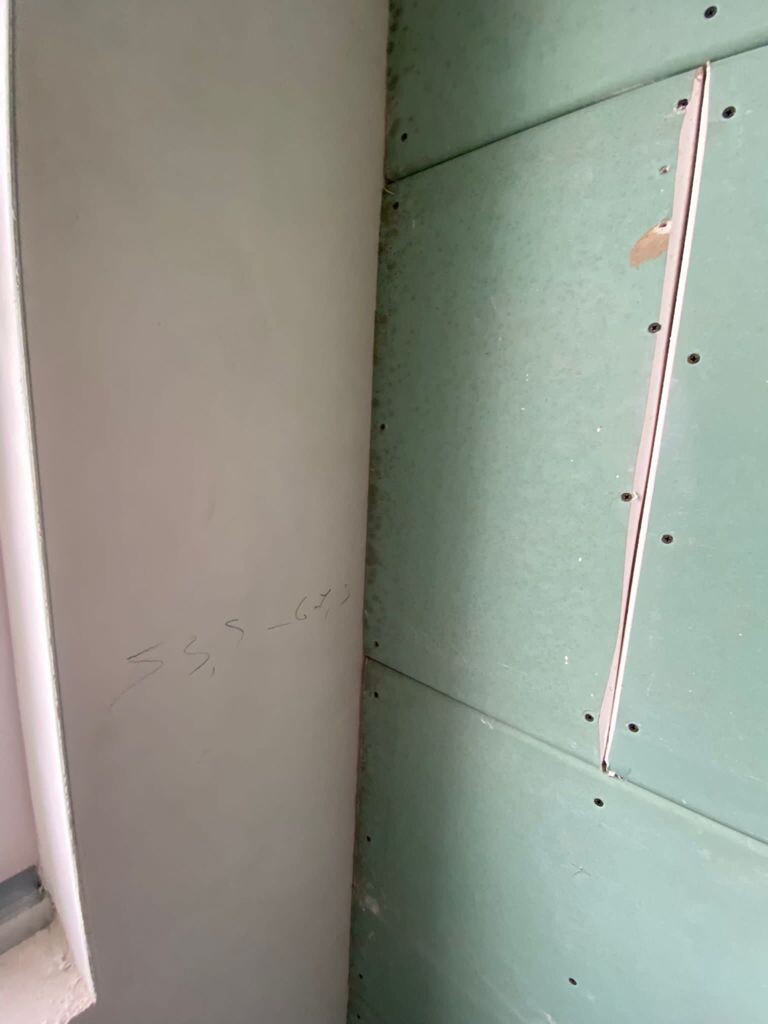
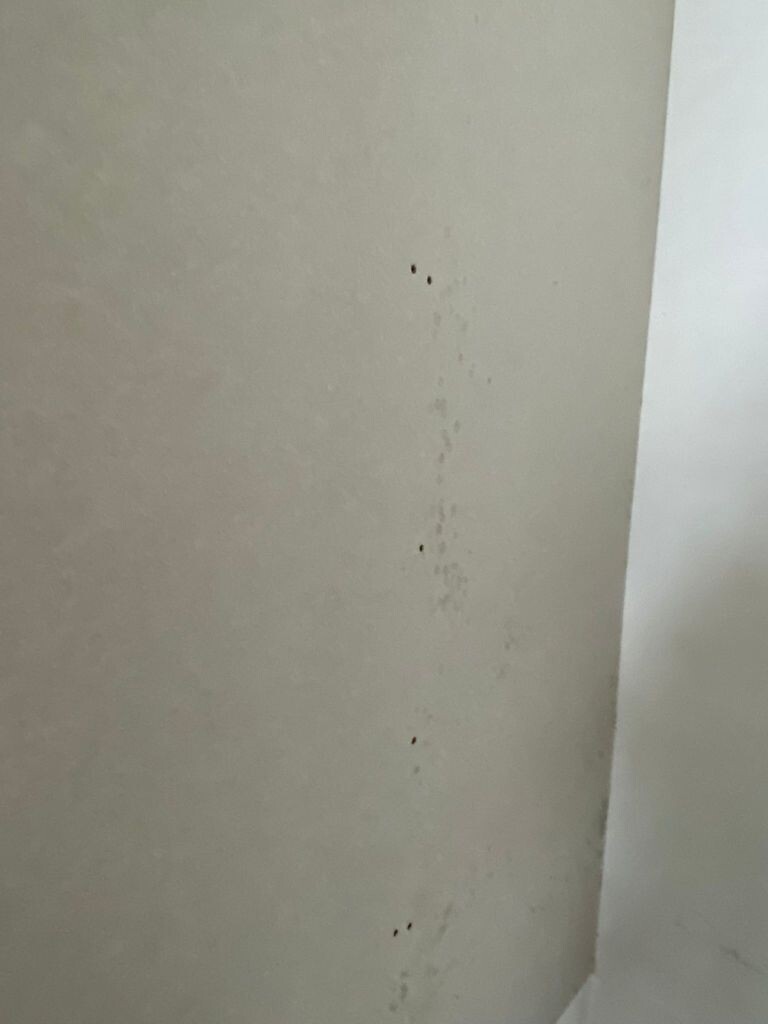
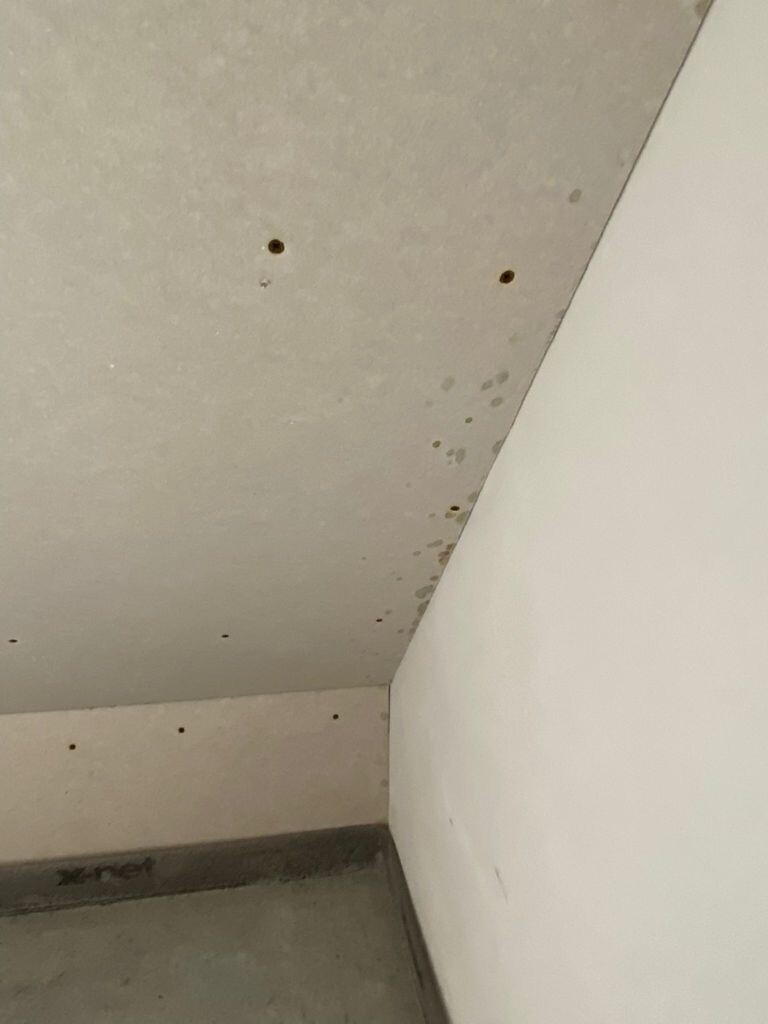
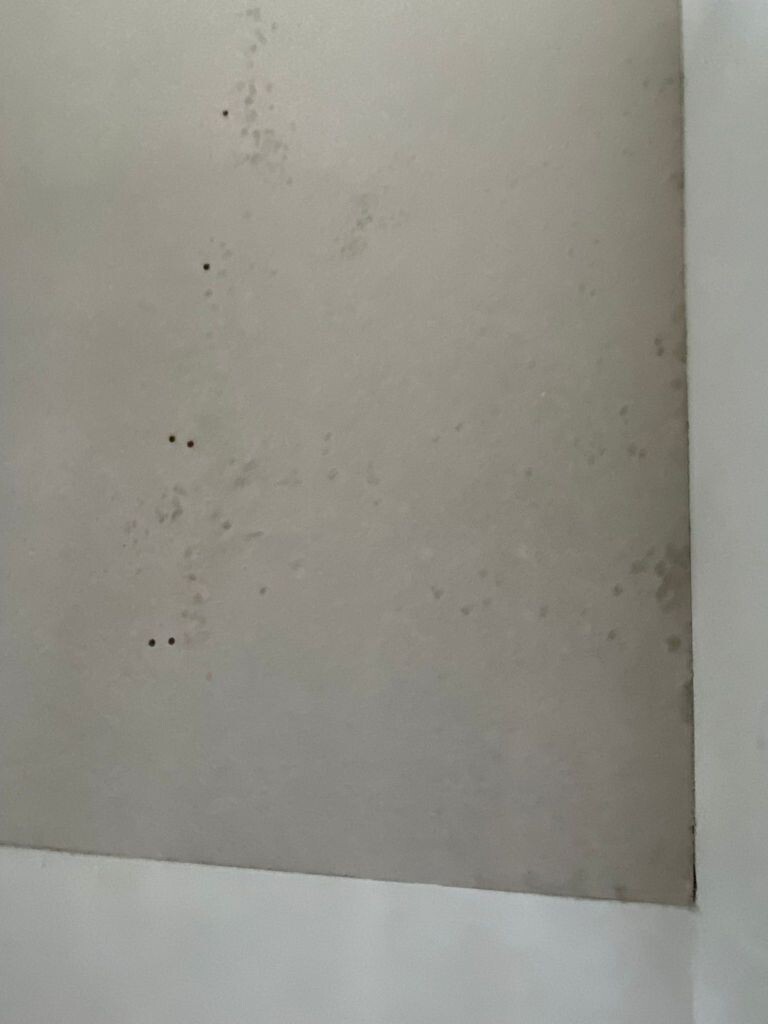
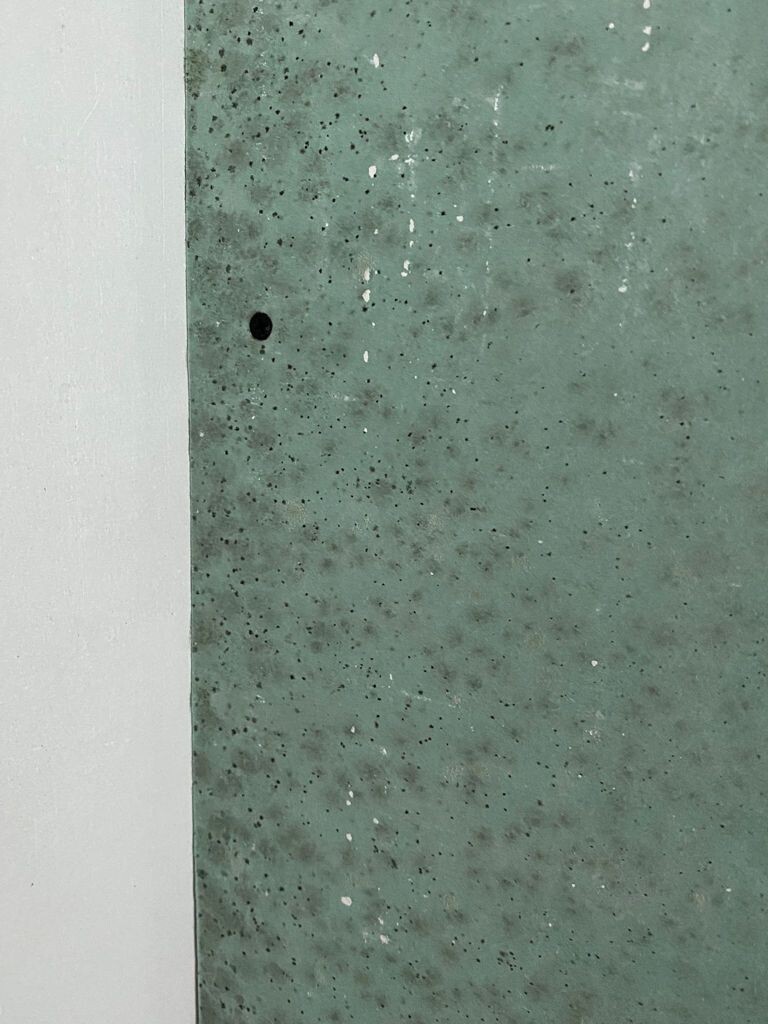
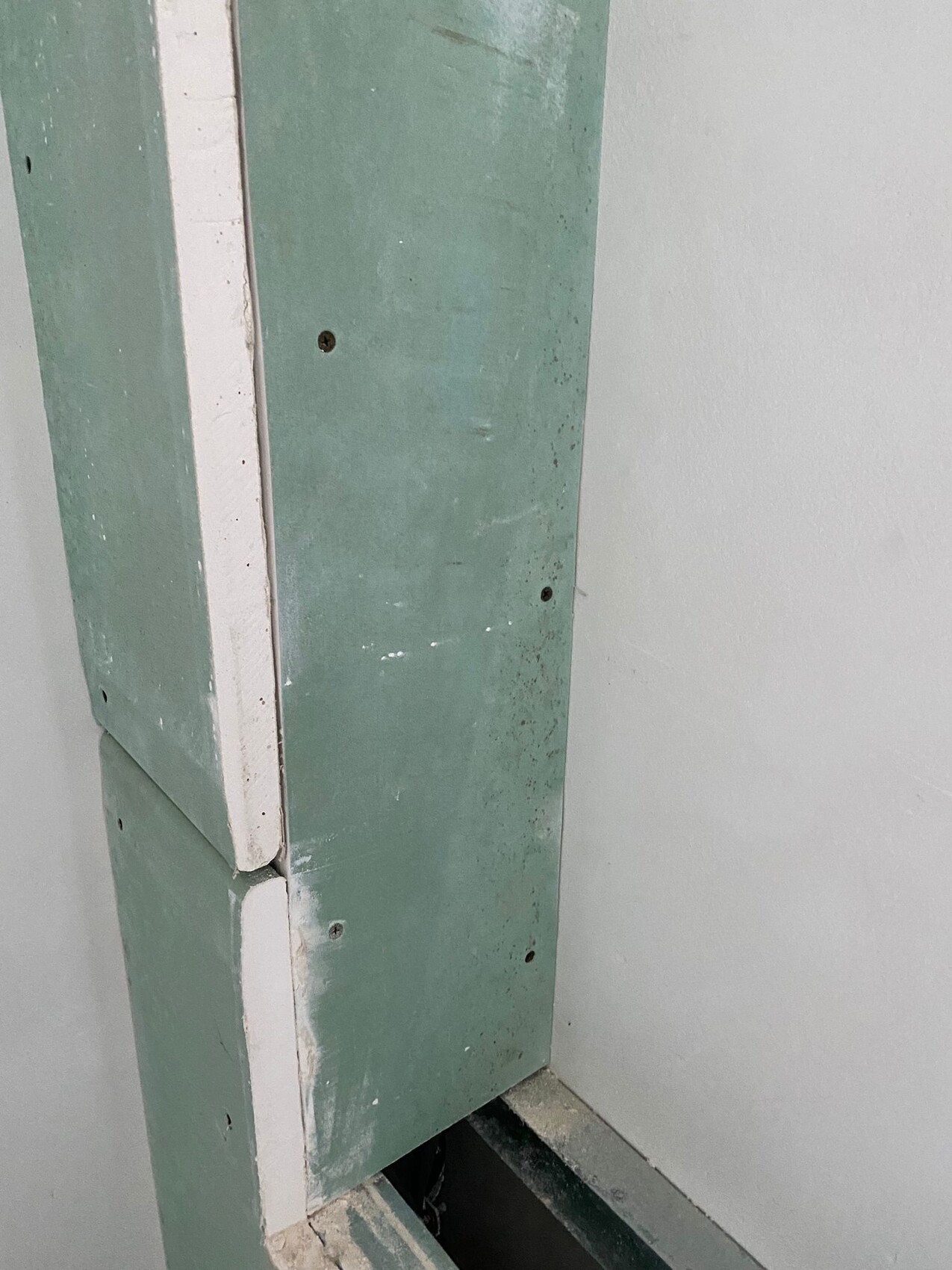
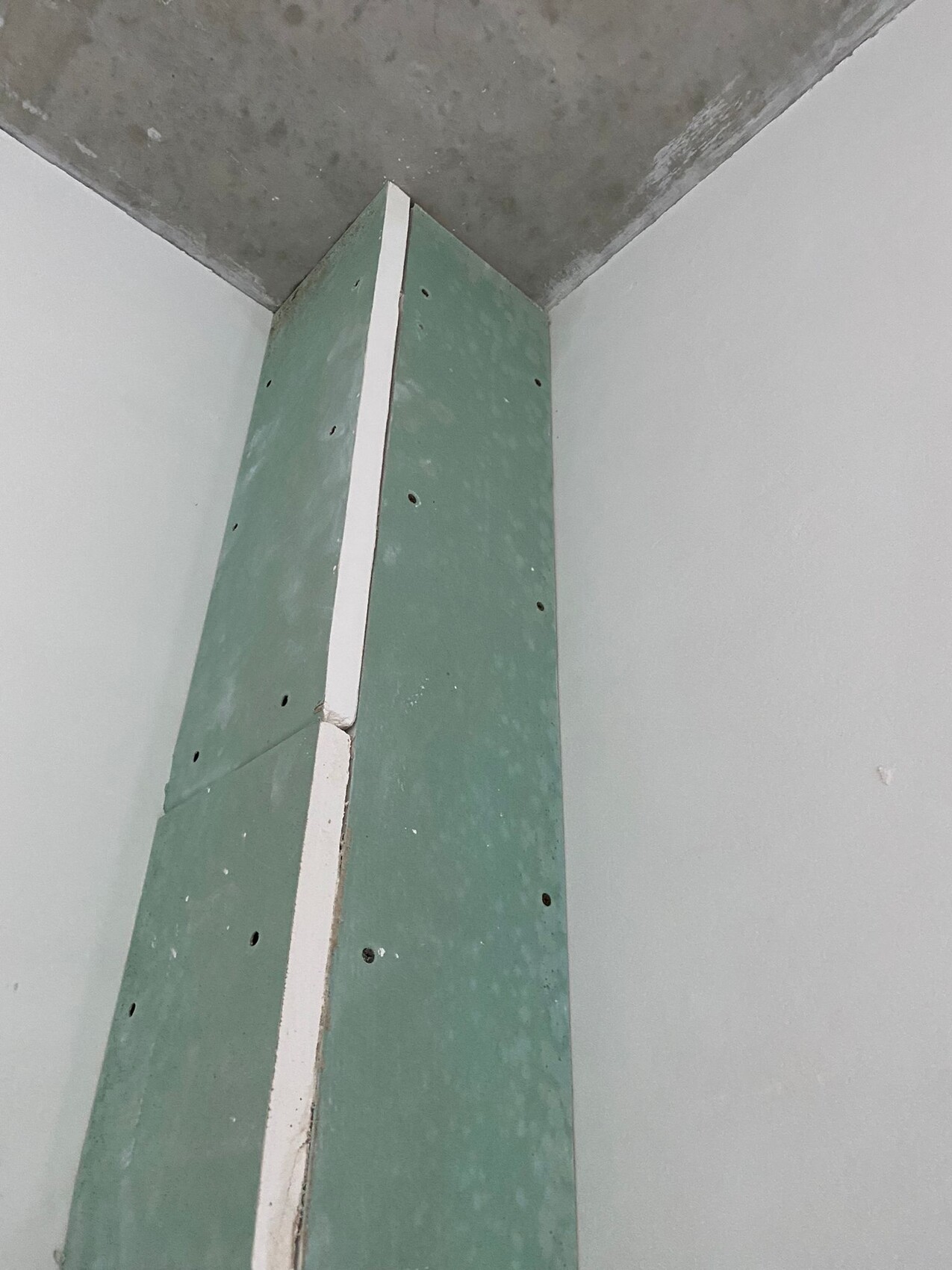
After the screed dried, we noticed mold. We are building with a general contractor (GC), and we do not have a key (the GC builds many houses on the street and has a key for all of them, so no homeowner receives a key). Now we have mold growing especially in the bathroom and on some drywall panels throughout the house. The GC claims this is normal, not a big deal, and says he has been doing this for 30 years; the mold can be removed with mold remover. We have repeatedly asked him, both verbally and in writing, to replace the affected panels. Verbally, he always downplays the issue, and he does not respond to written requests. What do you think about the photos / how can we proceed further?
A
Alessandro23 Sep 2021 11:08A combination lock would be sufficient.
I won’t quote everything, but what I notice repeatedly is that when someone shares a fact they have learned here, the tone of the responses tends to be somewhat accusatory – even though it’s not a personal opinion, just information being shared.
Yes, it’s clear that the homeowner doesn’t appreciate being limited in some way. This is simply an explanation – how the homeowner or, in this case, the original poster (OP) deals with or could deal with the information is entirely up to them. However, it would be better to just absorb the background without immediately judging the person sharing it.
The problem is quite simple and lies with the insurance. If a homeowner could access all the houses, they could also take something from them. There would be no control. It could affect your house too. Why should neighbor Y be allowed to enter your already locked house if you are neighbor A? Maybe you already have your own tiles, fixtures, or tools stored there?!
That is possible only by agreement with the general contractor (GC). This is usually covered in the GC’s terms and conditions. Doing your own work is not prohibited in principle. But interfering with the contractor’s work should be communicated to the GC. After agreement, a key may be provided. After all, unapproved homeowner work can also be seen as tacit acceptance.
Yes, it’s clear that the homeowner doesn’t appreciate being limited in some way. This is simply an explanation – how the homeowner or, in this case, the original poster (OP) deals with or could deal with the information is entirely up to them. However, it would be better to just absorb the background without immediately judging the person sharing it.
FoxMulder24 schrieb:
Where is the problem?
The problem is quite simple and lies with the insurance. If a homeowner could access all the houses, they could also take something from them. There would be no control. It could affect your house too. Why should neighbor Y be allowed to enter your already locked house if you are neighbor A? Maybe you already have your own tiles, fixtures, or tools stored there?!
Alessandro schrieb:
I wouldn’t care about that as a homeowner. What if I want to do some work myself?
That is possible only by agreement with the general contractor (GC). This is usually covered in the GC’s terms and conditions. Doing your own work is not prohibited in principle. But interfering with the contractor’s work should be communicated to the GC. After agreement, a key may be provided. After all, unapproved homeowner work can also be seen as tacit acceptance.
MP12345 schrieb:
Now it’s happened as it had to... The general contractor just covered up the mold with filler.What belongs here is a formal defect notice with a deadline. Not an email or a phone call, but the official defect notice.You missed that.
MP12345 schrieb:
What happens if you don’t sign the handover protocol and he possibly refuses to hand over the keys?Do you mean the building handover or now?I would consult a building surveyor! They are almost like a lawyer and work in a results-oriented way. Or call and ask if they know the rights concerning mold.
MP12345 schrieb:
...The general contractor just had the mold covered with filler.Seen it?
Reported it?
Suspected it?
According to the pictures, the mold infestation is minimal and not alarming.
If it was wiped off and sprayed with a fungicide, it should be fine.
As already explained in #4, it is generally advisable to file a defect claim.
Similar topics