
H
Hagiman20001 Oct 2018 09:14Yesterday, we removed a baseboard (actually to fix a floorboard joint). During this, we discovered mold. We then immediately removed all other baseboards (MDF) and unfortunately found several more spots. In total, there are 10-12 baseboards affected. The photos show one baseboard that is most severely affected. There are also baseboards where only a small spot (about the size of a fingernail) can be seen along the entire length.
All affected areas are only on exterior walls. Since we have been ventilating well and the mold is not located at the top corners but only on the baseboards (and not in the plaster or wallpaper, as far as we can tell as laypersons), we believe the issue was caused by moisture from the screed due to the vapor barrier ending under the baseboards.
I have already spoken to a master painter who has had special mold training. He suggested removing the baseboards, spraying both the baseboards and the wall with an anti-mold agent, allowing it to dry, and then reinstalling the baseboards. According to him, having a specialist company treat the room with a fogger or other methods would just cause unnecessary costs. He considers the affected area too small to justify involving a specialist company.
Are there any experts here who could, based on experience, at least point me in one direction (specialist company / do-it-yourself)?
The house was built in 2017 and was handed over to us in summer 2017. Mold was found in the living room (ground floor), children’s room (upper floor), bedroom (upper floor), and guest room (attic - very minimal). No mold was found in the office in the attic. The floor in the attic was installed 2-3 weeks later than in the rest of the house. Perhaps this explains the lower level of contamination there.
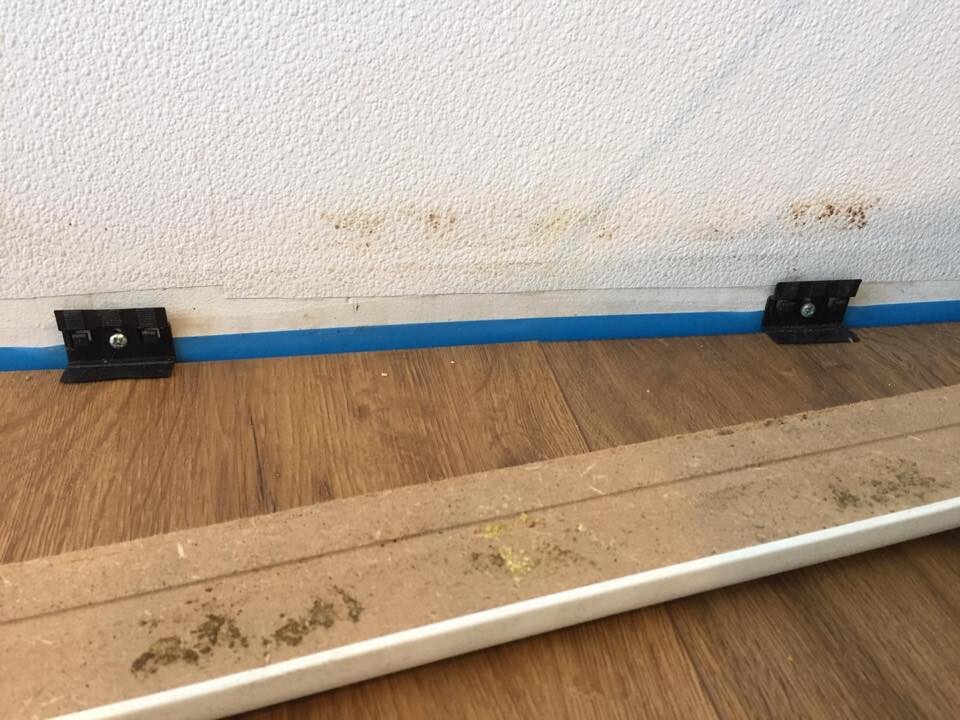
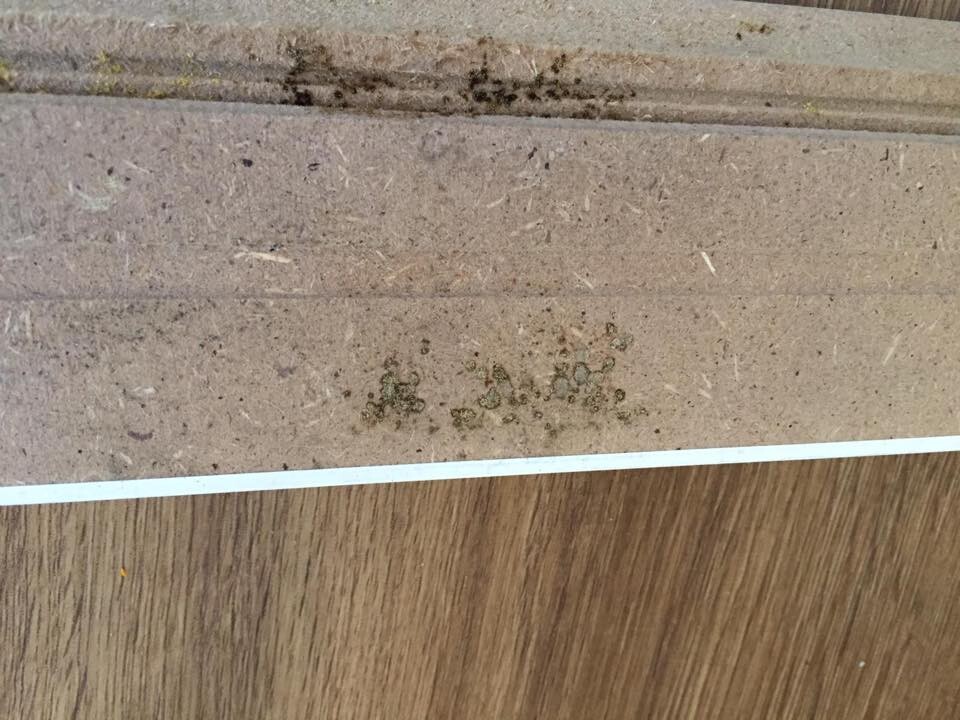
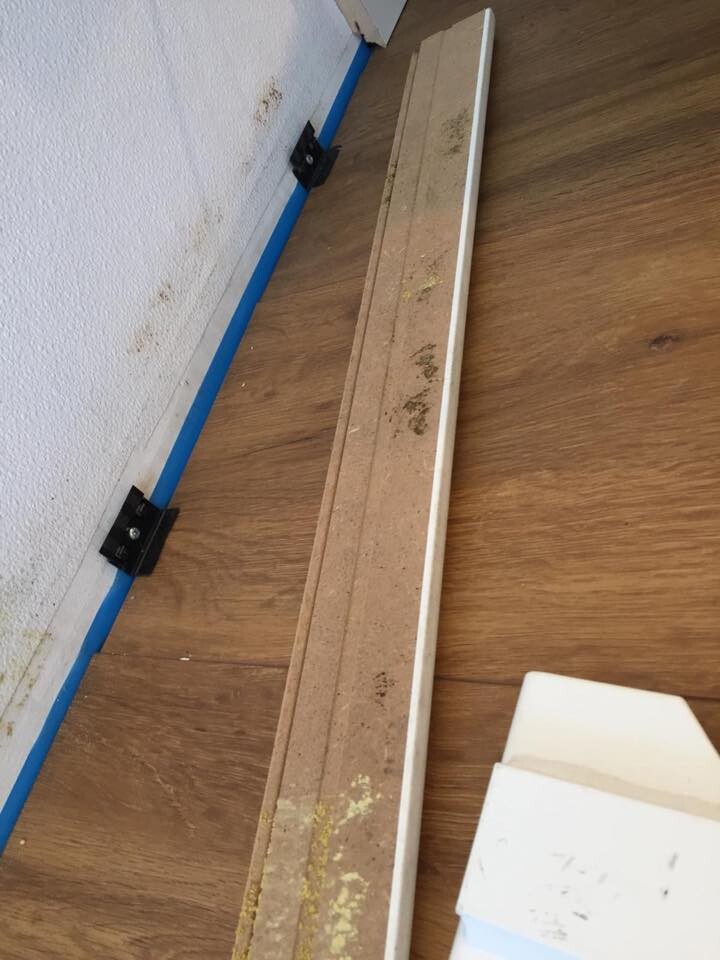
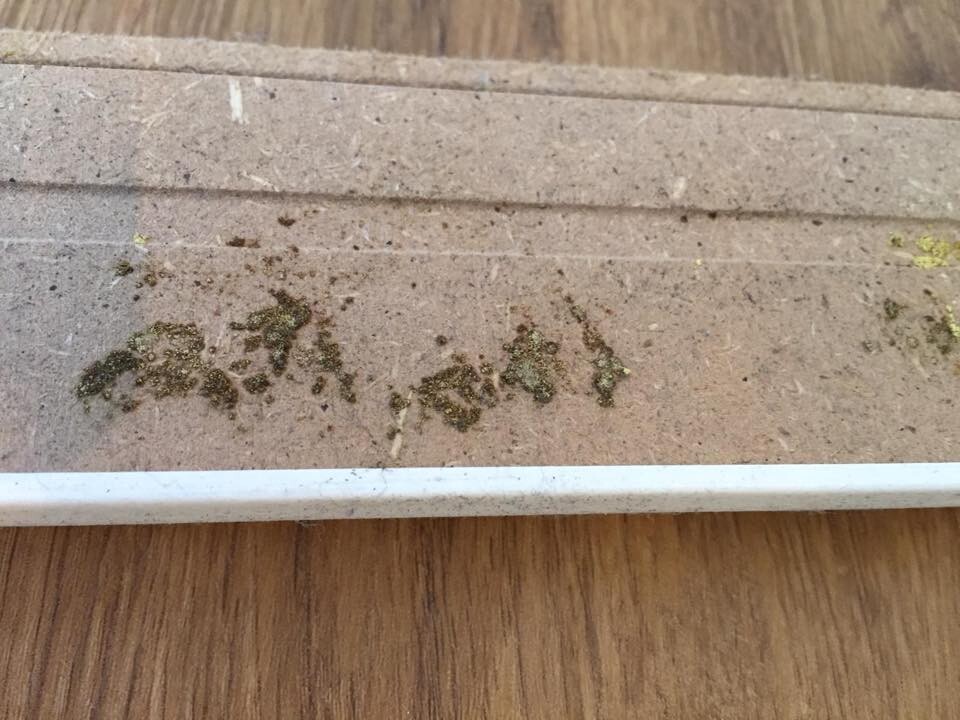
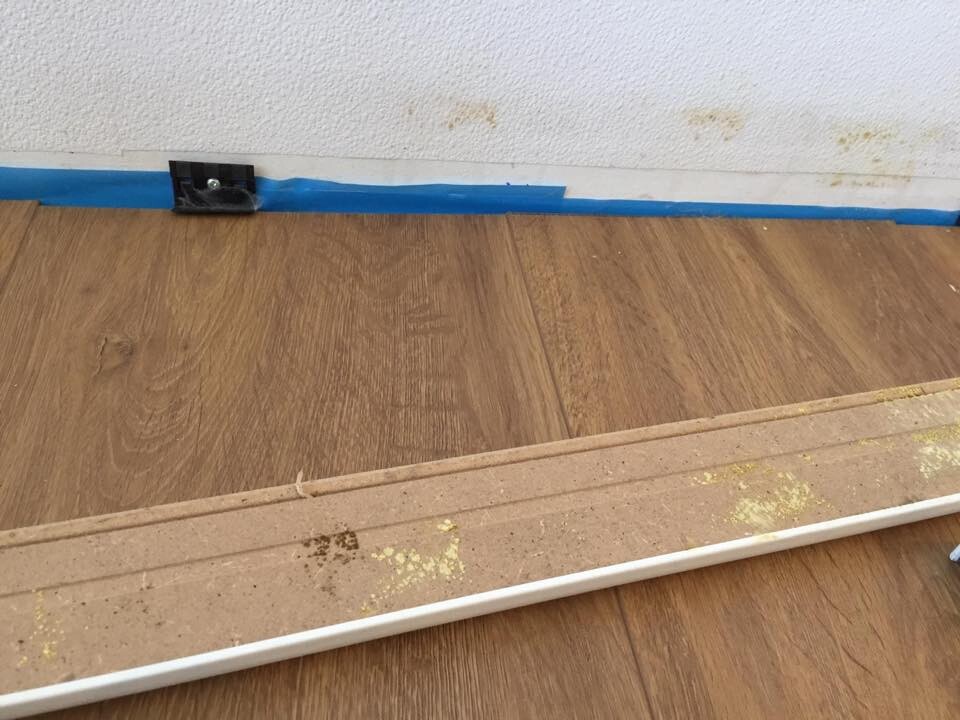
All affected areas are only on exterior walls. Since we have been ventilating well and the mold is not located at the top corners but only on the baseboards (and not in the plaster or wallpaper, as far as we can tell as laypersons), we believe the issue was caused by moisture from the screed due to the vapor barrier ending under the baseboards.
I have already spoken to a master painter who has had special mold training. He suggested removing the baseboards, spraying both the baseboards and the wall with an anti-mold agent, allowing it to dry, and then reinstalling the baseboards. According to him, having a specialist company treat the room with a fogger or other methods would just cause unnecessary costs. He considers the affected area too small to justify involving a specialist company.
Are there any experts here who could, based on experience, at least point me in one direction (specialist company / do-it-yourself)?
The house was built in 2017 and was handed over to us in summer 2017. Mold was found in the living room (ground floor), children’s room (upper floor), bedroom (upper floor), and guest room (attic - very minimal). No mold was found in the office in the attic. The floor in the attic was installed 2-3 weeks later than in the rest of the house. Perhaps this explains the lower level of contamination there.

H
Hagiman20001 Oct 2018 09:59Yes, it is only on the exterior walls. We probably heat a bit too sparingly. We set the living areas to 21°C (70°F) from 8 a.m. to 8 p.m. and then lower it to 18-19°C (64-66°F). The bathroom and hallway are only heated when needed. The guest room as well.
The walls are made of 17.5 cm (7 inches) Ytong blocks. I’m not sure what you mean by "behind." On the upper floor (OG) there is nothing behind, and neither in the attic (DG). On the ground floor (EG) there is a garage attached on one side.
The walls are made of 17.5 cm (7 inches) Ytong blocks. I’m not sure what you mean by "behind." On the upper floor (OG) there is nothing behind, and neither in the attic (DG). On the ground floor (EG) there is a garage attached on one side.
By "behind," I meant whether there is soil adjacent to it, but luckily there isn’t.
17 Ytong? Without insulation? That’s usually how only Town & Country builds, right?
Have you measured the indoor humidity? I suspect the exterior walls are too cold, and your heating habits have promoted mold growth.
In the future, heat more and ventilate more frequently—that means at least three times a day for 15-20 minutes. If that’s not possible, consider installing a mechanical ventilation system.
17 Ytong? Without insulation? That’s usually how only Town & Country builds, right?
Have you measured the indoor humidity? I suspect the exterior walls are too cold, and your heating habits have promoted mold growth.
In the future, heat more and ventilate more frequently—that means at least three times a day for 15-20 minutes. If that’s not possible, consider installing a mechanical ventilation system.
H
Hagiman20001 Oct 2018 10:20I just checked the building specifications again. 17.5cm (7 inches) aerated concrete blocks (Ytong), followed by a 14cm (5.5 inches) thick external insulation. Unfortunately, there is no further information available about the insulation.
I don’t have a device to measure indoor humidity—would a standard hygrometer be sufficient here?
I don’t have a device to measure indoor humidity—would a standard hygrometer be sufficient here?
Similar topics