
ᐅ Mold caused by a thermal bridge (corner) in a recessed area
Created on: 11 Dec 2022 19:14
H
henning181H
henning18111 Dec 2022 19:14Good evening,
Every winter, one corner of my renovated old building develops mold. The exterior wall is uninsulated, and not enough warm air from the heating system reaches the niche, even though a radiator is installed directly in front of it.
Is it possible to insulate the corner from the inside? If so, how?
I have attached pictures and would appreciate any advice.
Thank you very much
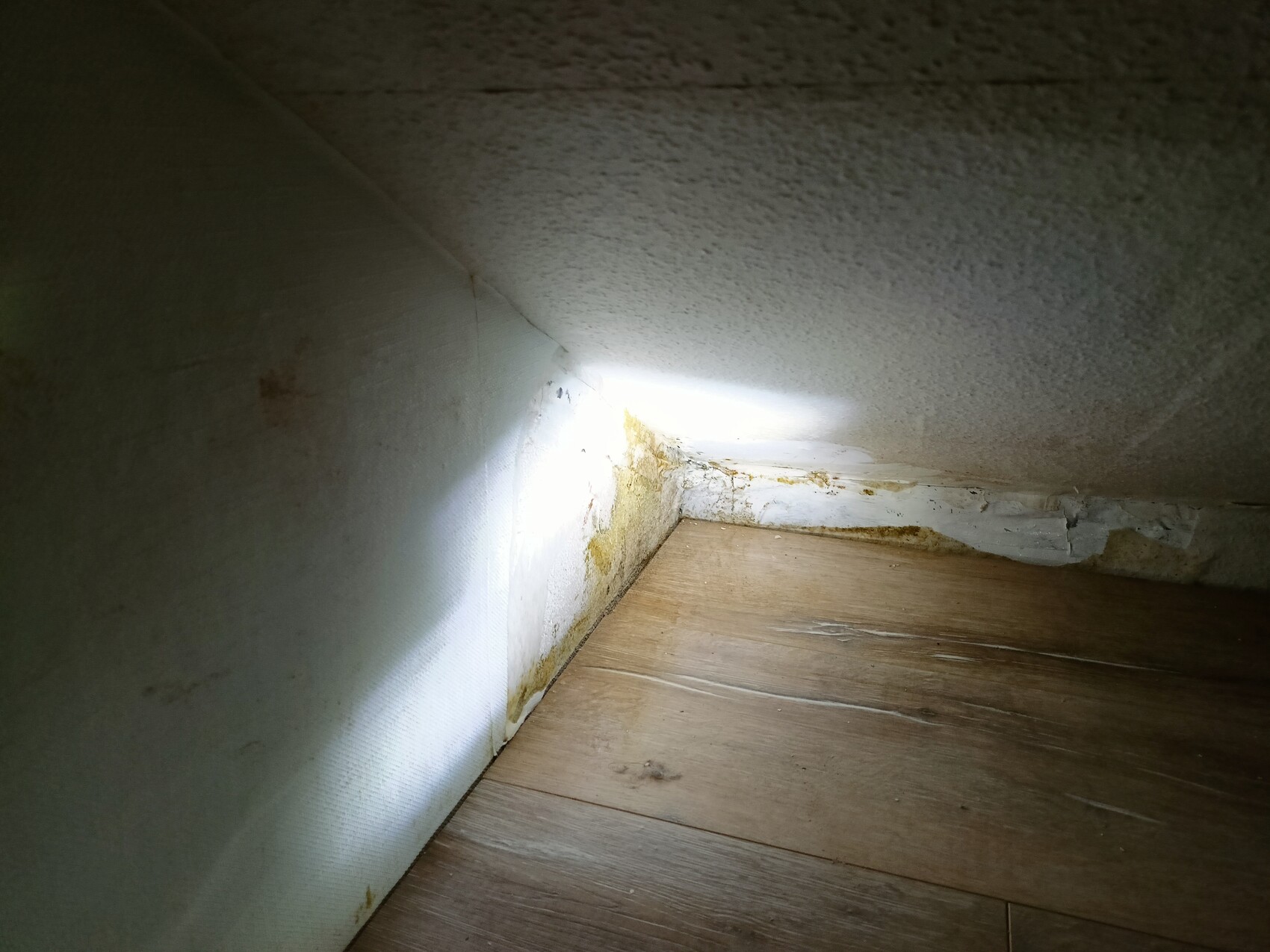
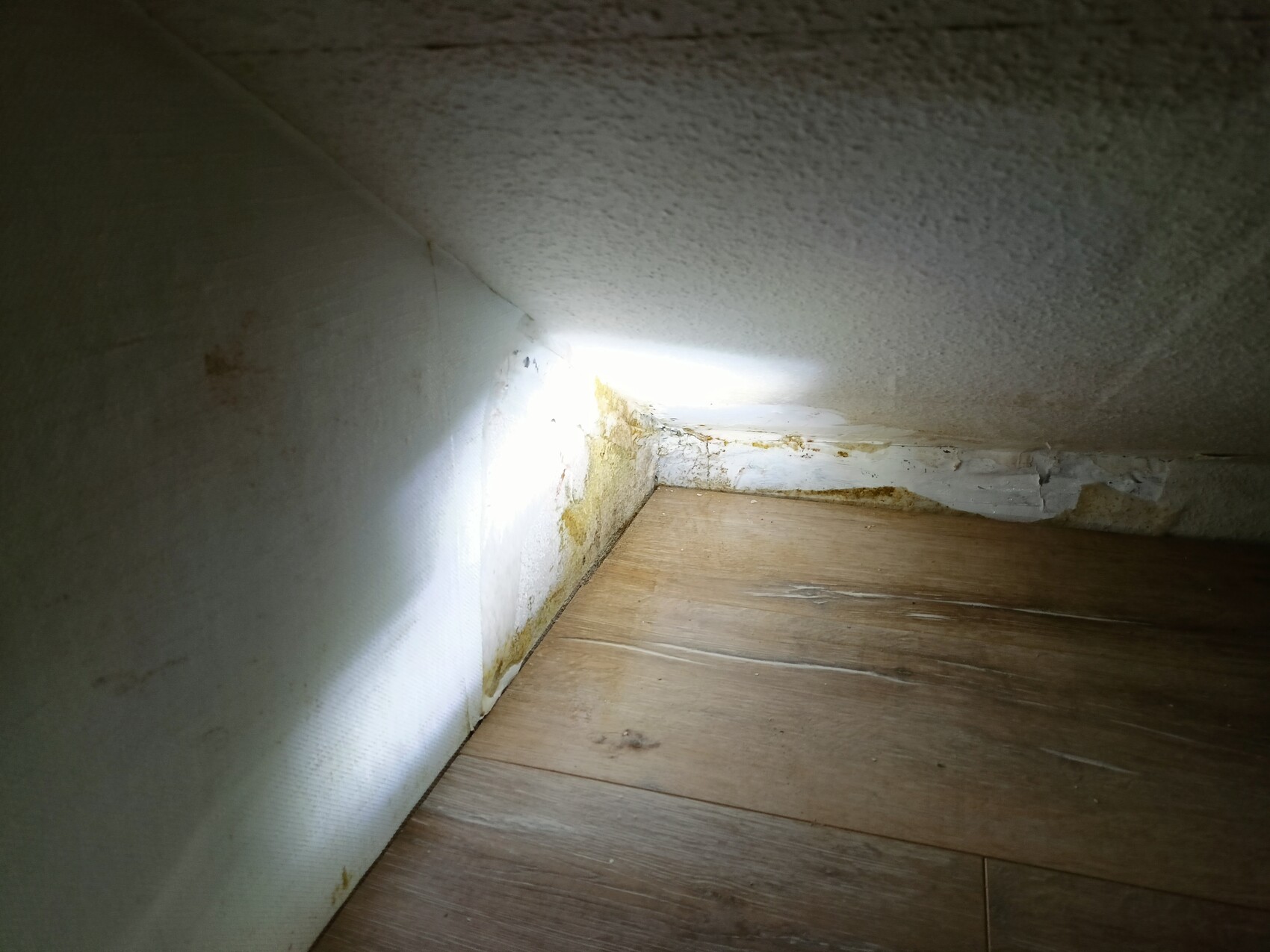
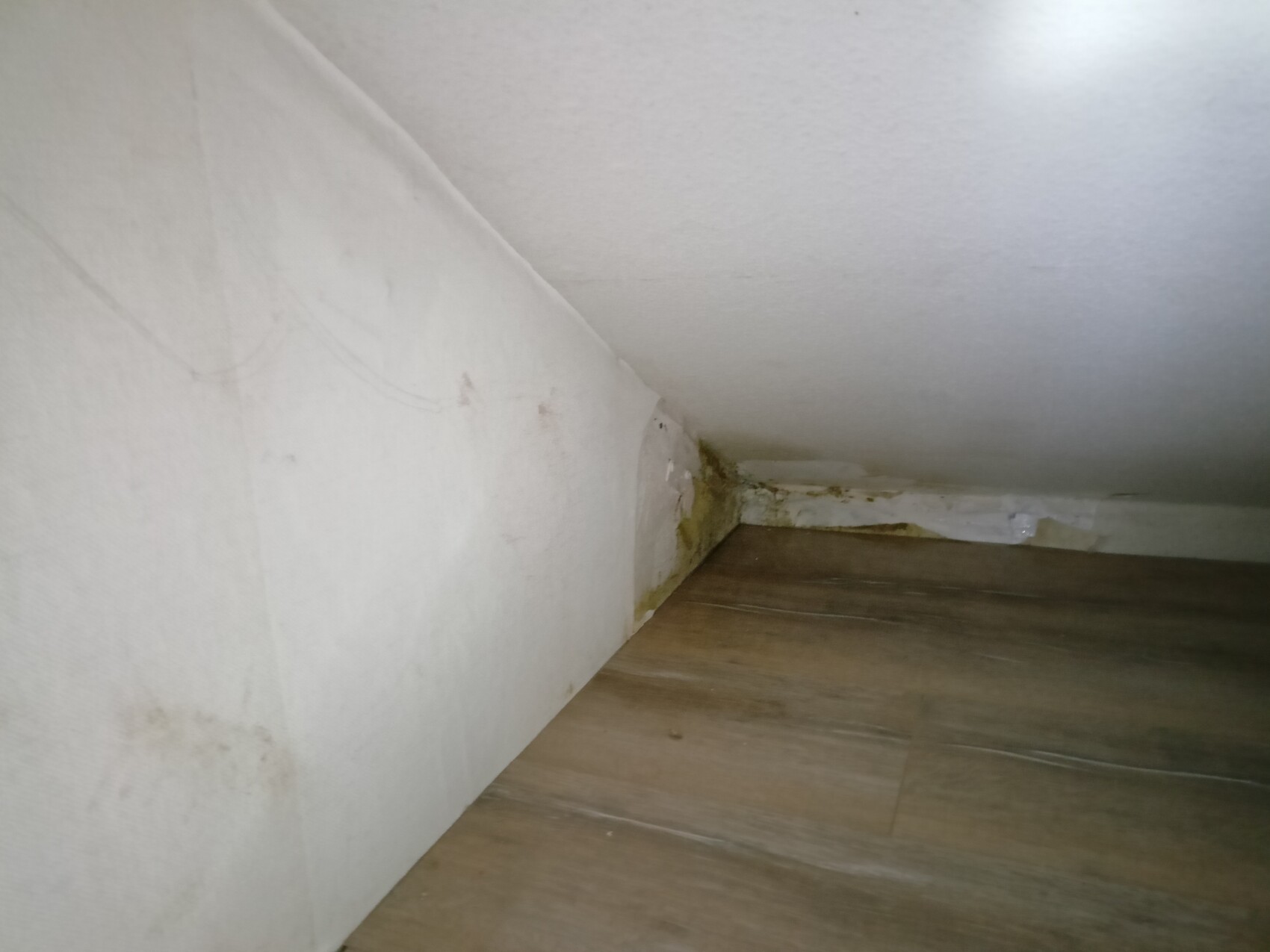
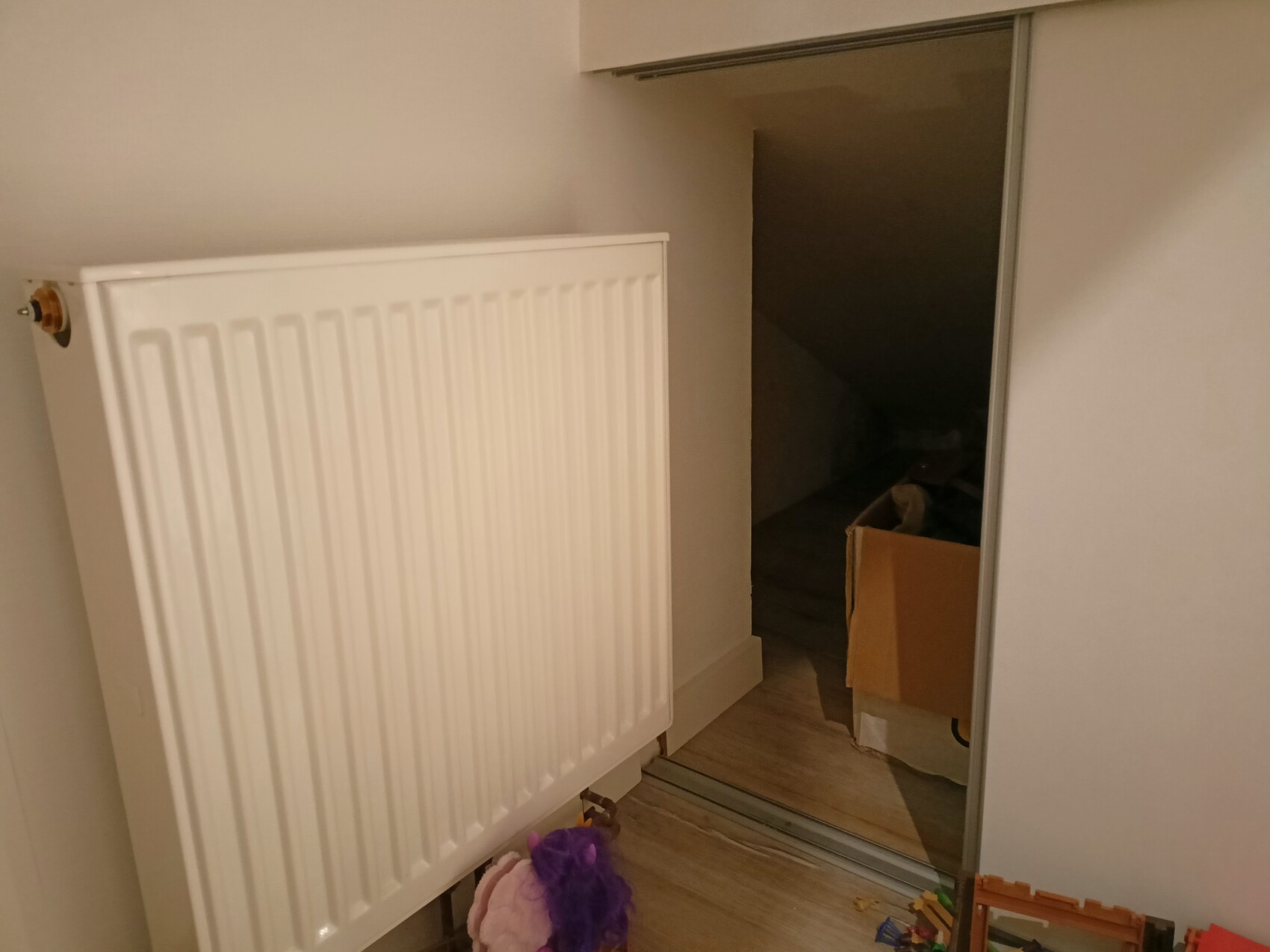
Every winter, one corner of my renovated old building develops mold. The exterior wall is uninsulated, and not enough warm air from the heating system reaches the niche, even though a radiator is installed directly in front of it.
Is it possible to insulate the corner from the inside? If so, how?
I have attached pictures and would appreciate any advice.
Thank you very much

W
WilderSueden12 Dec 2022 14:41The radiator will have little effect. Corners already suffer from poor air circulation, and even more so in a corner of a small storage room against an uninsulated wall...
A quick solution would be to use a fan to ensure proper air circulation in the corner. However, the problem can only be truly solved by insulating the wall.
A quick solution would be to use a fan to ensure proper air circulation in the corner. However, the problem can only be truly solved by insulating the wall.

Based on my own difficult experience, I can say that poor (incorrect) renovations often lead to exactly these kinds of problems. An old, quite drafty house doesn’t usually develop mold because the airflow allows moist air to be carried away. If you then seal this house improperly, the old, cold, and only minimally insulated structure can’t handle it, resulting in mold growth. Even worse, supporting elements such as wooden beam ceilings may be compromised. With this extent of mold, a) the renovation will certainly be quite extensive and b) I would strongly recommend having a professional inspect the building to discuss appropriate measures. These measures can certainly be carried out as owner-builder work to keep costs down, but they must be done thoughtfully and properly. Good luck!
Of course, this advice is based on the limited information from your post. Without more detailed data such as the age, condition, wall structure, etc., one can only continue to guess 🙄
Of course, this advice is based on the limited information from your post. Without more detailed data such as the age, condition, wall structure, etc., one can only continue to guess 🙄
It is possible to insulate from the inside, but it is challenging.
This is a prime example of a thermal bridge:
1. Exterior corner, resulting in a construction-related thermal bridge due to the larger outer surface area
2. Structural thermal bridge at the connection point between wall and roof
3. Possibly worsened by an undamped concrete ceiling at the exterior wall (?)
If there is a wooden beam ceiling underneath, you could insulate the entire gable area inside the small room using 40mm (1.6 inches) calcium silicate boards. This raises the wall temperature and helps prevent mold. Do not apply wallpaper over this—use only lime plaster.
Is the roof insulated there? That might be sufficient. If there is even just 5cm (2 inches) of mineral wool or similar insulation behind, it will likely not prevent condensation and mold formation.
Continuous ventilation with 2–3 12V PC fans at the base of the small room, as well as maintaining a constant temperature of 20°C (68°F), also helps.
None of this guarantees success, but the goal must be to raise the surface temperature to above 17°C (63°F) at the current outside temperature and to increase air exchange.
Insulating from the outside is significantly more effective at this location.
Are you sure there is no leak at the roof connection? That could make all your efforts to address the problem from the inside pointless.
This is a prime example of a thermal bridge:
1. Exterior corner, resulting in a construction-related thermal bridge due to the larger outer surface area
2. Structural thermal bridge at the connection point between wall and roof
3. Possibly worsened by an undamped concrete ceiling at the exterior wall (?)
If there is a wooden beam ceiling underneath, you could insulate the entire gable area inside the small room using 40mm (1.6 inches) calcium silicate boards. This raises the wall temperature and helps prevent mold. Do not apply wallpaper over this—use only lime plaster.
Is the roof insulated there? That might be sufficient. If there is even just 5cm (2 inches) of mineral wool or similar insulation behind, it will likely not prevent condensation and mold formation.
Continuous ventilation with 2–3 12V PC fans at the base of the small room, as well as maintaining a constant temperature of 20°C (68°F), also helps.
None of this guarantees success, but the goal must be to raise the surface temperature to above 17°C (63°F) at the current outside temperature and to increase air exchange.
Insulating from the outside is significantly more effective at this location.
Are you sure there is no leak at the roof connection? That could make all your efforts to address the problem from the inside pointless.
M
Myrna_Loy12 Dec 2022 15:56I would first check if the roof has a small leak at that spot, which might not dry as well in winter as it does in summer. It looks too damp. Otherwise, a base heating system can help. This is just a cable installed inside the wall. We have something like that under the kitchen counter along the exterior wall.
Similar topics