
K
Kirschkugel13 Nov 2023 21:51Good evening everyone,
I’m new to the forum.
We are currently renovating a 200-year-old house (completely refurbished about 30 years ago). We have recently discovered the following and, even after extensive online research, we are unsure whether this is mold or not.
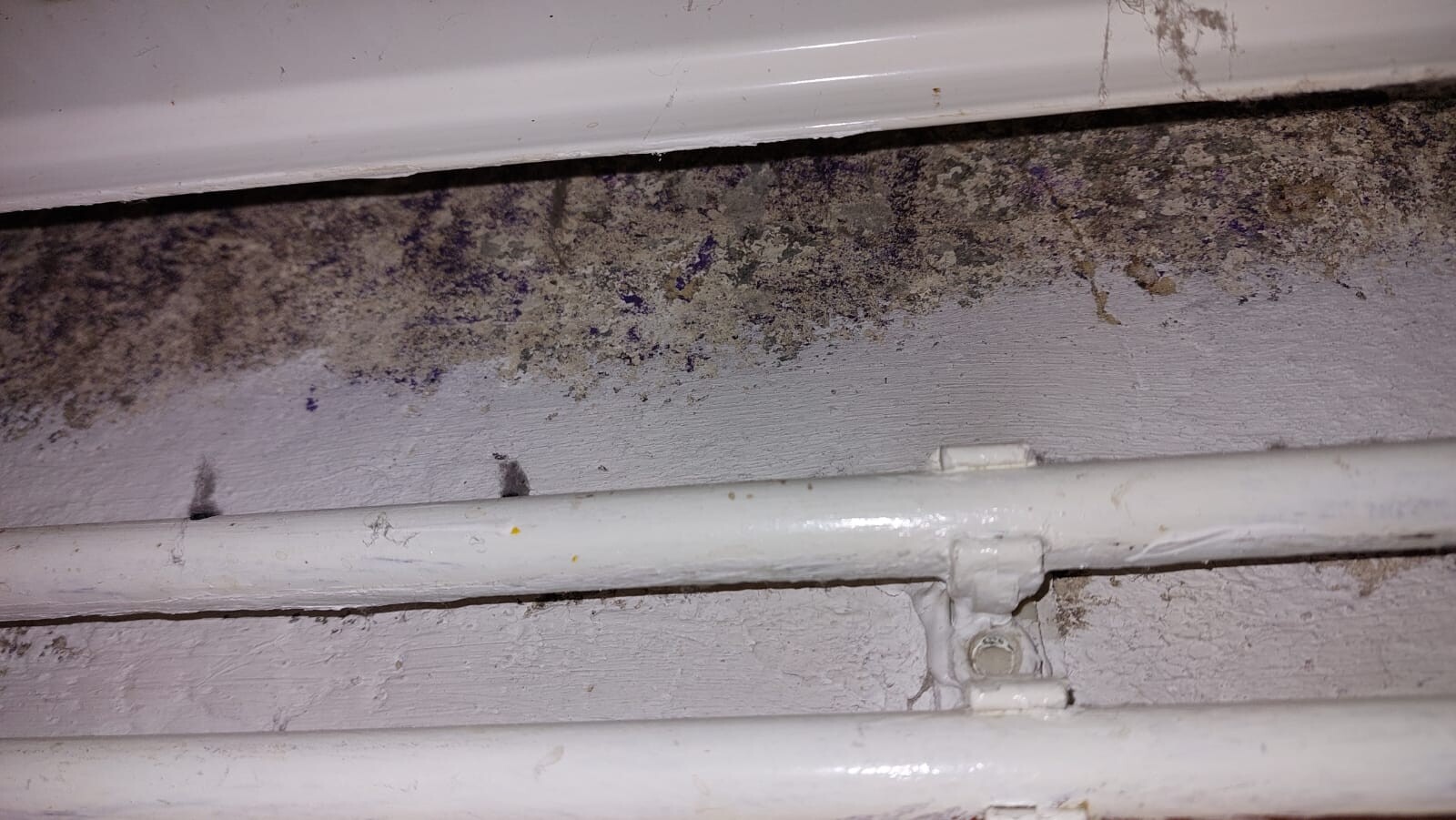
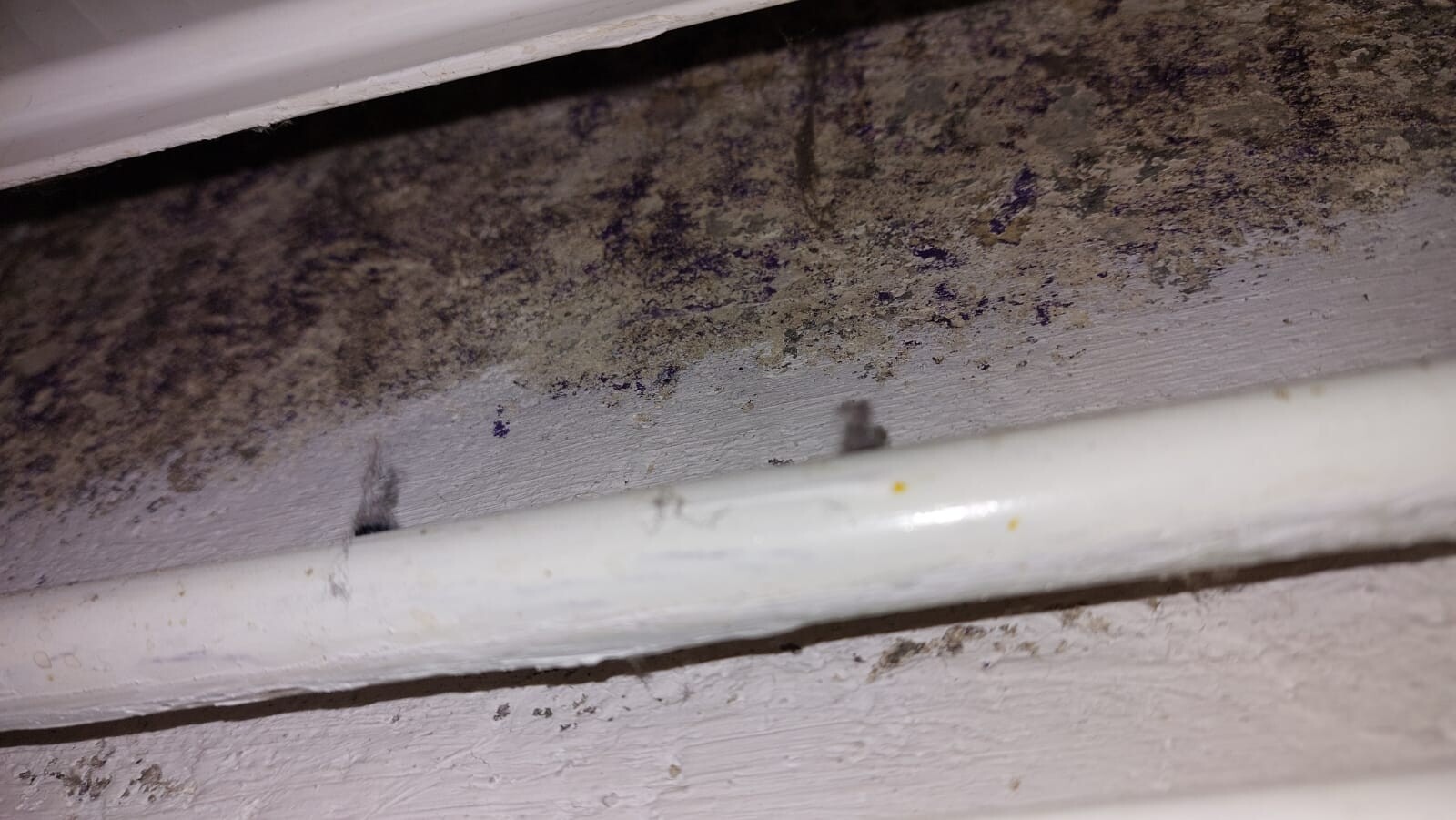
The affected area is just above the floor behind the radiator on the exterior wall. The wall is 40cm (15.7 inches) thick, double-walled solid construction and uninsulated. The house has hardly been occupied in the last six months and has not been properly heated since around February.
What do the experts say—is this mold? If so, how can we deal with it? Thank you in advance!
I’m new to the forum.
We are currently renovating a 200-year-old house (completely refurbished about 30 years ago). We have recently discovered the following and, even after extensive online research, we are unsure whether this is mold or not.
The affected area is just above the floor behind the radiator on the exterior wall. The wall is 40cm (15.7 inches) thick, double-walled solid construction and uninsulated. The house has hardly been occupied in the last six months and has not been properly heated since around February.
What do the experts say—is this mold? If so, how can we deal with it? Thank you in advance!
 Winniefred14 Nov 2023 17:19
The radiators and pipes can’t possibly be only 30 years old. And neither can the plaster. You mention a full renovation, but that doesn’t seem to match the pictures. A full renovation from 30 years ago would typically have included external insulation. It hasn’t been that long; 1993 was the same year our house was renovated from the outside. Is there any dampness behind it? Does it smell musty? That would already suggest quite a bit of mold….
K
Kirschkugel14 Nov 2023 18:41Thanks for the response 🙂
No, there’s no musty smell and it’s not damp either – both of which argue against mold, but then what could it be?
According to the seller: the house, or more precisely the exterior walls, were not insulated at the time because the architect back then believed that insulation would worsen the wall’s properties in this case. In fact, the house stays quite cool in summer even when it’s extremely hot outside.
Unfortunately, the previous owner did not take good care of the house, so many things are worn down even though they are not old.
No, there’s no musty smell and it’s not damp either – both of which argue against mold, but then what could it be?
According to the seller: the house, or more precisely the exterior walls, were not insulated at the time because the architect back then believed that insulation would worsen the wall’s properties in this case. In fact, the house stays quite cool in summer even when it’s extremely hot outside.
Unfortunately, the previous owner did not take good care of the house, so many things are worn down even though they are not old.
Winniefred14 Nov 2023 19:12I can tell you what we found in some areas. In our case, the old plaster looked moldy in some spots, but it was actually layers of old wallpaper paste, waste paper, paint, and whatever else had been applied over the decades. How does it look in your home otherwise, like on outside corners or behind cabinets? I would be surprised if mold only appeared in isolated spots right behind the radiators.
Our walls are made of 380mm (15 inches) bricks with a thin external insulation layer — I think about 6cm (2.5 inches) — and we usually stay quite cool during the summer.
Our walls are made of 380mm (15 inches) bricks with a thin external insulation layer — I think about 6cm (2.5 inches) — and we usually stay quite cool during the summer.
W
WilderSueden14 Nov 2023 19:44Kirschkugel schrieb:
Seller’s statement: The house, or rather the exterior walls, were not insulated back then because the architect believed that insulation would negatively affect the wall’s properties in this case. It is true that the house stays quite cool in summer, even when it’s extremely hot outside.The properties do not worsen if additional insulation is added. However, insulating brickwork is somewhat problematic. Either you remove the bricks at considerable cost, insulate, and then reinstall the facing bricks. Or you apply insulation in front of the bricks, resulting in thicker walls and then either a render facade or expensive thin brick slips are required.Is that a radiator niche? These are generally weak spots because the walls are thinner there. Usually, there is no mold because the radiator keeps the area warm. Without heating, the situation is different.
Can the material be scraped off with a putty knife?
K
Kirschkugel15 Nov 2023 11:00Yes, that is a radiator recess. I will try scraping it this weekend to see if it’s just some old residue (hopefully).
@Winniefred On the other walls or corners, we haven’t found anything so far except crumbling plaster, but that is just poorly done and not damp.
We also considered a connection to the basement:
The vaulted basement underneath the room has a damp floor due to a high groundwater level and, well, a 200-year-old fieldstone foundation. According to the building inspector, this is not an issue and only needs to be addressed if we want to use the basement actively (which we don’t want to for now).
Since the walls are dry and there are no signs elsewhere, it can’t be coming from the basement.
We will scrape over it with a putty knife this weekend and see how the material behaves.
@Winniefred On the other walls or corners, we haven’t found anything so far except crumbling plaster, but that is just poorly done and not damp.
We also considered a connection to the basement:
The vaulted basement underneath the room has a damp floor due to a high groundwater level and, well, a 200-year-old fieldstone foundation. According to the building inspector, this is not an issue and only needs to be addressed if we want to use the basement actively (which we don’t want to for now).
Since the walls are dry and there are no signs elsewhere, it can’t be coming from the basement.
We will scrape over it with a putty knife this weekend and see how the material behaves.
Similar topics