
Hello everyone,
for better moisture protection, the waterproof membrane will then be extended up along the exterior walls, similar to a basin.
When I mentioned this to the builder, they responded:
the waterproof membrane will NOT be extended up the exterior wall.
The installation complies with the requirements of the DIN standard.
How necessary is this? Should I insist on having the membrane extended up the wall?
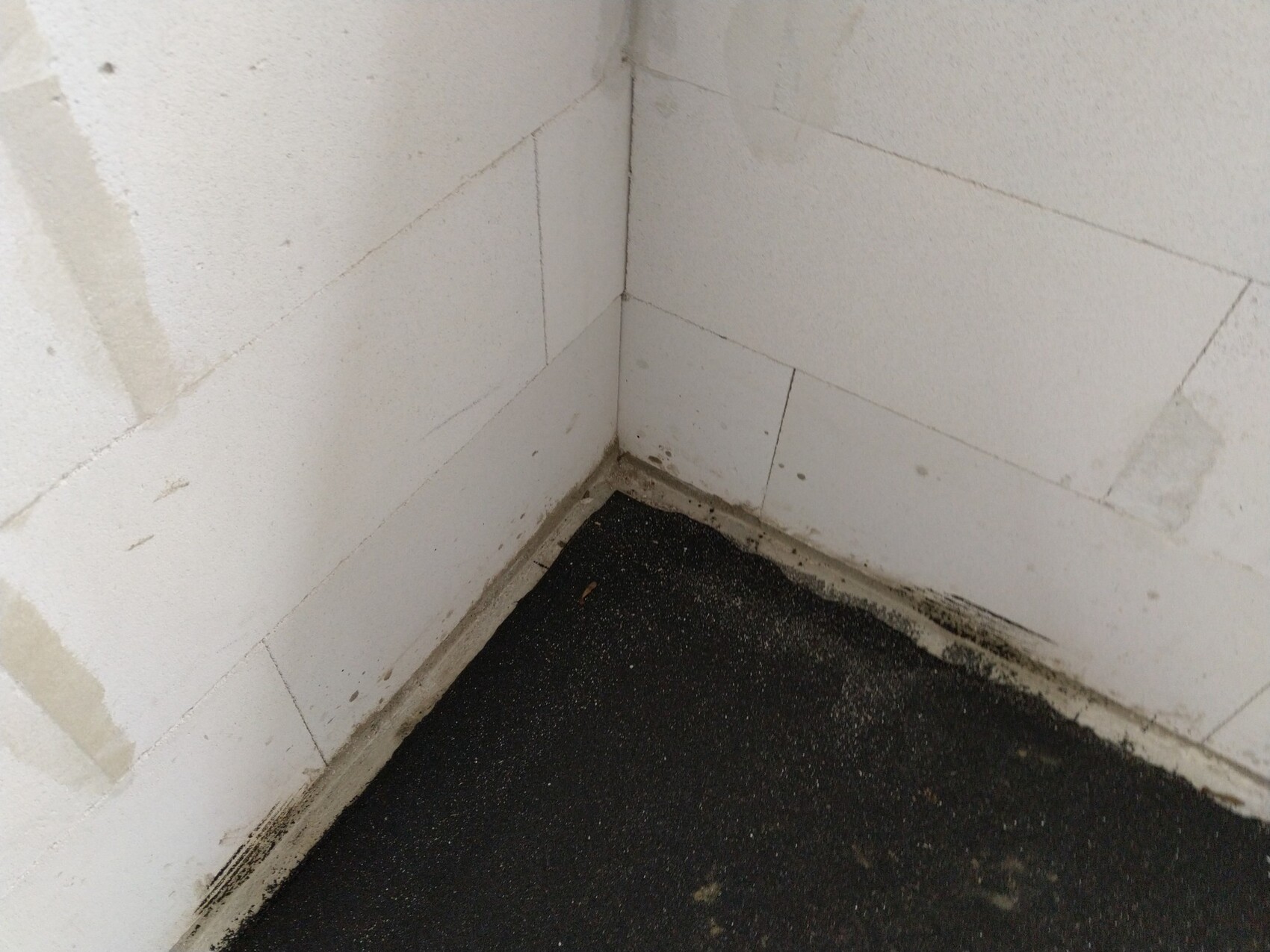
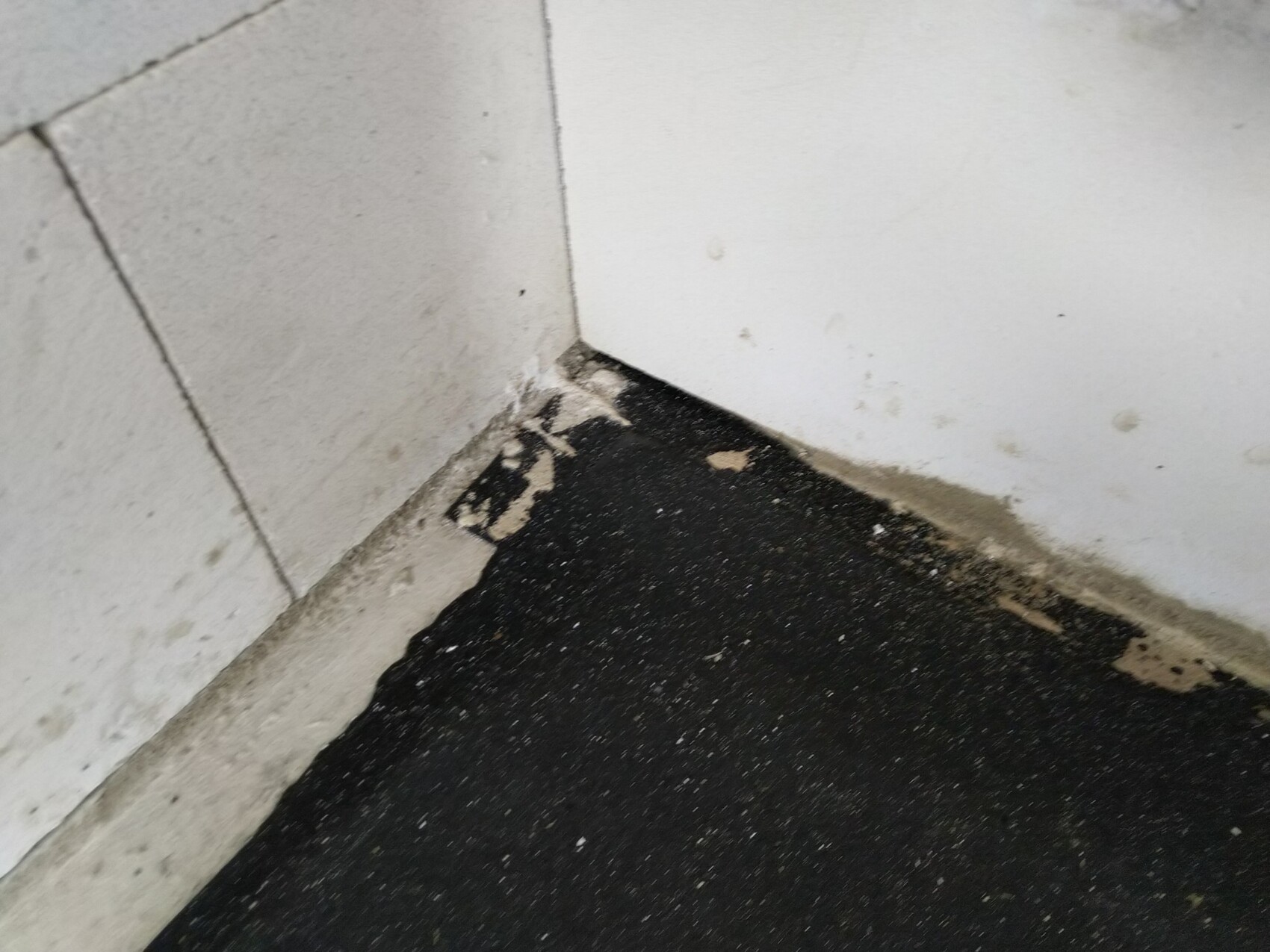
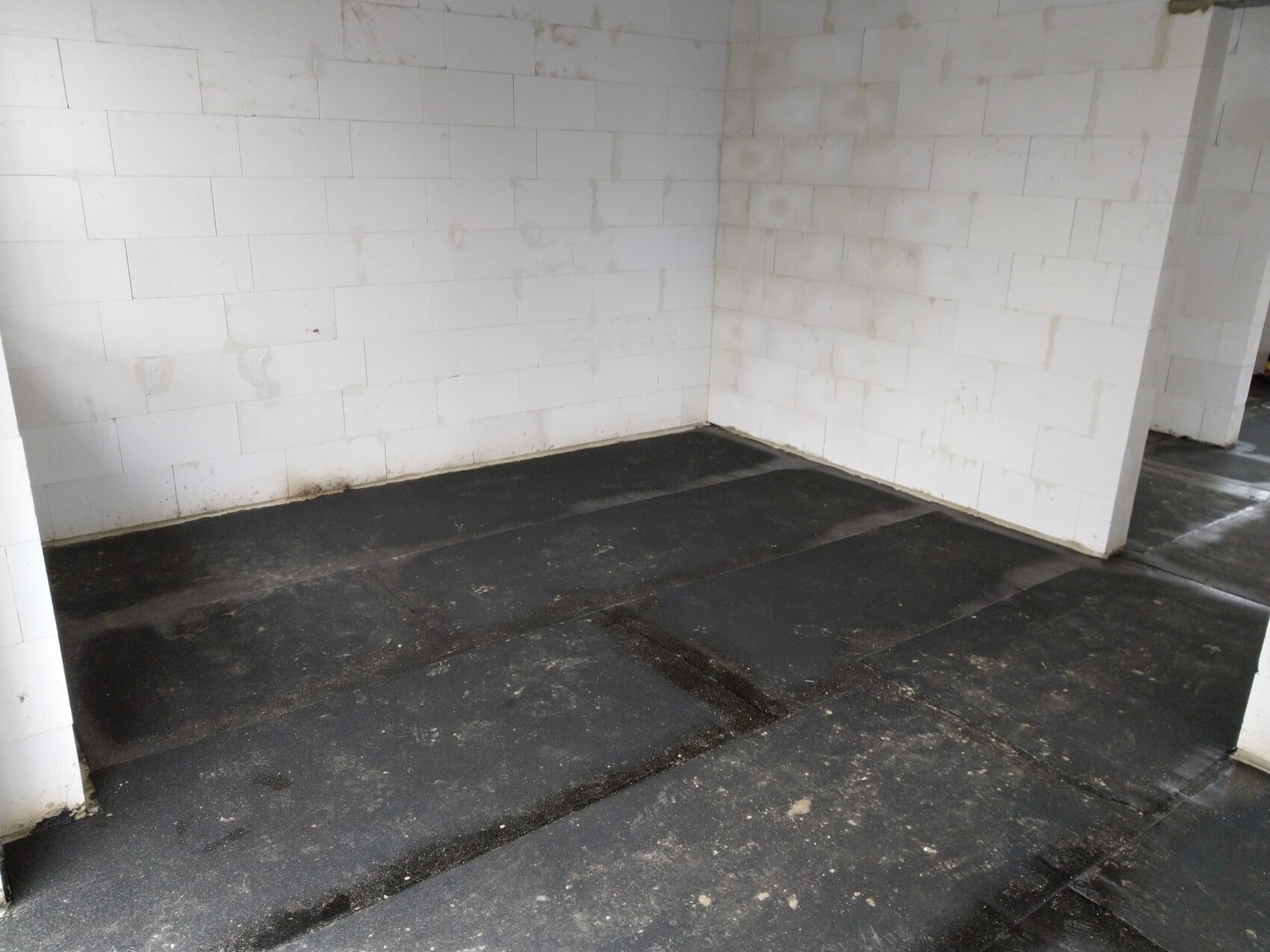
for better moisture protection, the waterproof membrane will then be extended up along the exterior walls, similar to a basin.
When I mentioned this to the builder, they responded:
the waterproof membrane will NOT be extended up the exterior wall.
The installation complies with the requirements of the DIN standard.
How necessary is this? Should I insist on having the membrane extended up the wall?
Baufie schrieb:
In our case, only the basement floor slab is made of waterproof concrete. The walls are standard cast-in-place concrete and are constructed as a black tank waterproofing system. Cast-in-place concrete refers to the construction method of the basement. Even waterproof steel fiber reinforced concrete with a thickness of 25cm (10 inches) is considered cast-in-place concrete.
Bookstar schrieb:
Then you need to seal it, and you did everything correctly!I know.Nordlys schrieb:
Oh, trust me, a C20/25 concrete slab is not waterproof. Water will seep through from underneath or the sides. That’s why a barrier is necessary.Hi, quick question: If the soil is very clay-heavy (almost no drainage), does it make sense to use waterproof concrete for the foundation slab, or is a waterproof membrane completely sufficient?
I’m really worried about moisture damage.
Best regards