
Hello everyone,
for better moisture protection, the waterproof membrane will then be extended up along the exterior walls, similar to a basin.
When I mentioned this to the builder, they responded:
the waterproof membrane will NOT be extended up the exterior wall.
The installation complies with the requirements of the DIN standard.
How necessary is this? Should I insist on having the membrane extended up the wall?
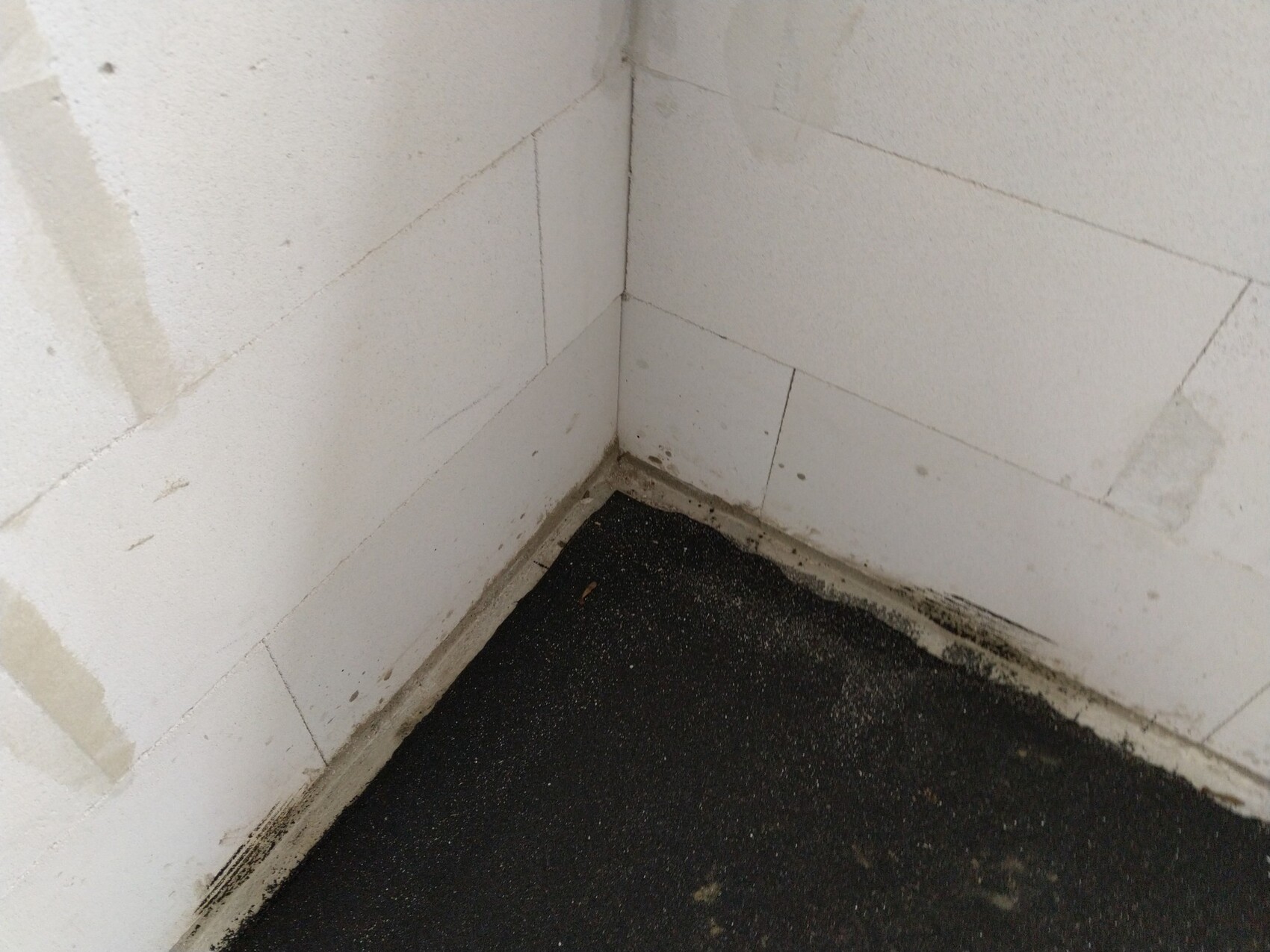
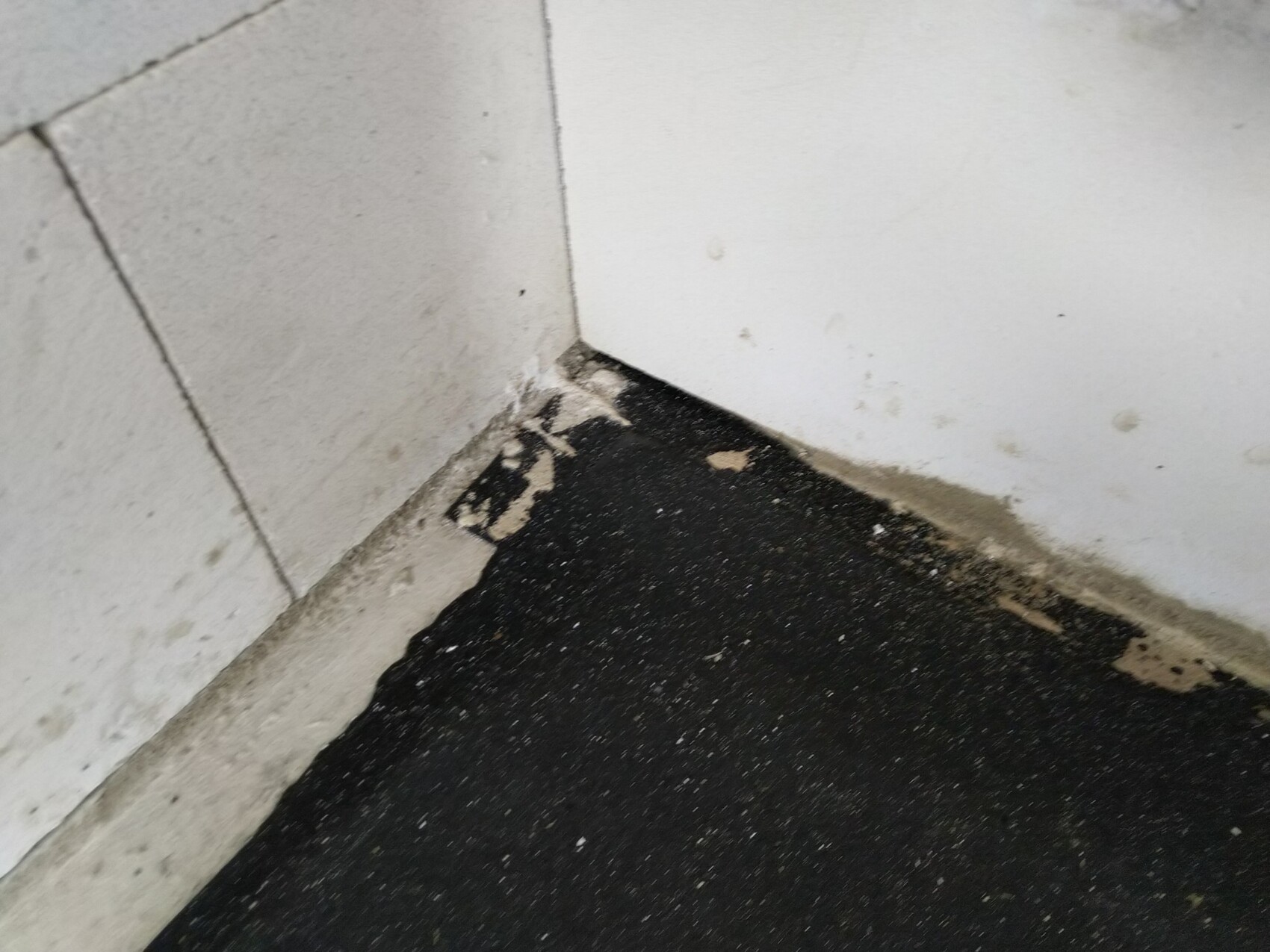
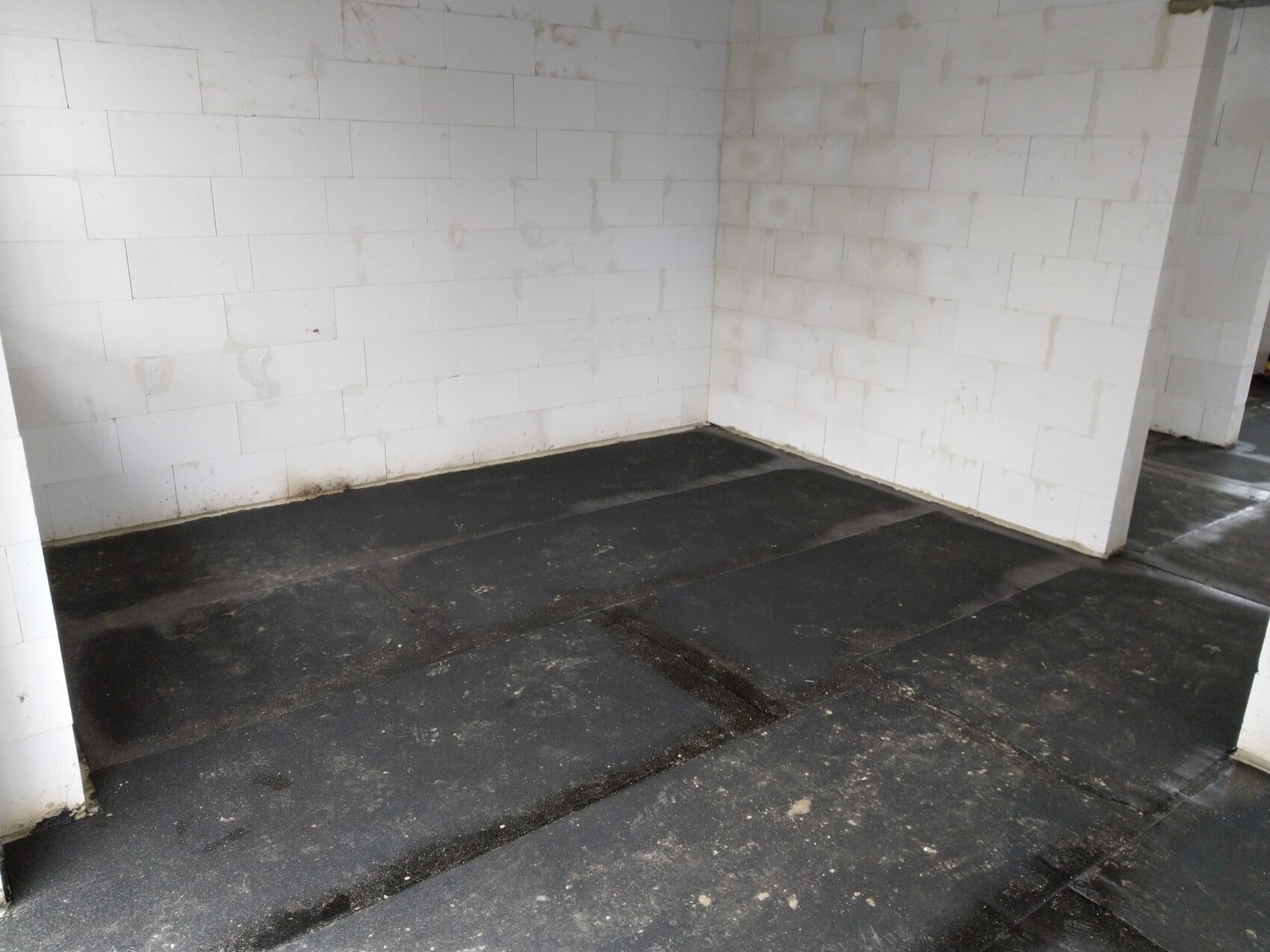
for better moisture protection, the waterproof membrane will then be extended up along the exterior walls, similar to a basin.
When I mentioned this to the builder, they responded:
the waterproof membrane will NOT be extended up the exterior wall.
The installation complies with the requirements of the DIN standard.
How necessary is this? Should I insist on having the membrane extended up the wall?
Just out of curiosity, I once got to see my western neighbors’ timber frame house (still basically a shell) with a waterproof concrete basement and interior walls made of sand-lime bricks in the basement.
I didn’t see any bitumen membrane beneath the masonry interior walls! Could this cause problems later on? And if so, what kind?
As far as I understand, the current standard practice for buildings with basements is to install a torch-on membrane in the basement on the first and last brick courses (for some reason?!)—that is, beneath the ground floor slab.
I didn’t see any bitumen membrane beneath the masonry interior walls! Could this cause problems later on? And if so, what kind?
As far as I understand, the current standard practice for buildings with basements is to install a torch-on membrane in the basement on the first and last brick courses (for some reason?!)—that is, beneath the ground floor slab.
Bookstar schrieb:
I always wonder what the point of that is, where is the moisture supposed to come from?I speculate that it is due to the many well-known damages in existing buildings that lack this kind of protection. The effort required is minimal—it can be done in one day—and you get protection from below and from the sides.
Nordlys schrieb:
This will be welded, right? Or am I misunderstanding something?I plan to start installing the moisture barrier this weekend. The masonry barrier is made of bitumen, and my moisture barrier is a membrane from a major manufacturer starting with Ge.... I assume I cannot weld this one. I need to look into that further. However, I have purchased a sealing tape that I will use instead. I was just unsure whether overlapping alone is sufficient, or if it also needs to be sealed with adhesive.
Zaba12 schrieb:
Just a question out of curiosity. I once visited my western neighbors’ place, a timber frame house (still basically in the shell stage) with a waterproof concrete basement and interior walls made of sand-lime bricks in the basement.
I didn’t see any bitumen membrane under the interior brick walls! Could that cause problems eventually? And if so, what kind?
From what I understand, the current standard practice for buildings with basements is to install a welded waterproofing membrane in the basement at the first and last rows of bricks (for some reason?)—so basically under the ground floor slab. That’s how it was done in our case. I just checked our photos. We had the entire basement floor and other ground-contacting floor slabs fully covered with welded bitumen membranes. By the way, the membranes on the walls were also extended about 10cm (4 inches) up.
Similar topics