
Hello everyone,
for better moisture protection, the waterproof membrane will then be extended up along the exterior walls, similar to a basin.
When I mentioned this to the builder, they responded:
the waterproof membrane will NOT be extended up the exterior wall.
The installation complies with the requirements of the DIN standard.
How necessary is this? Should I insist on having the membrane extended up the wall?
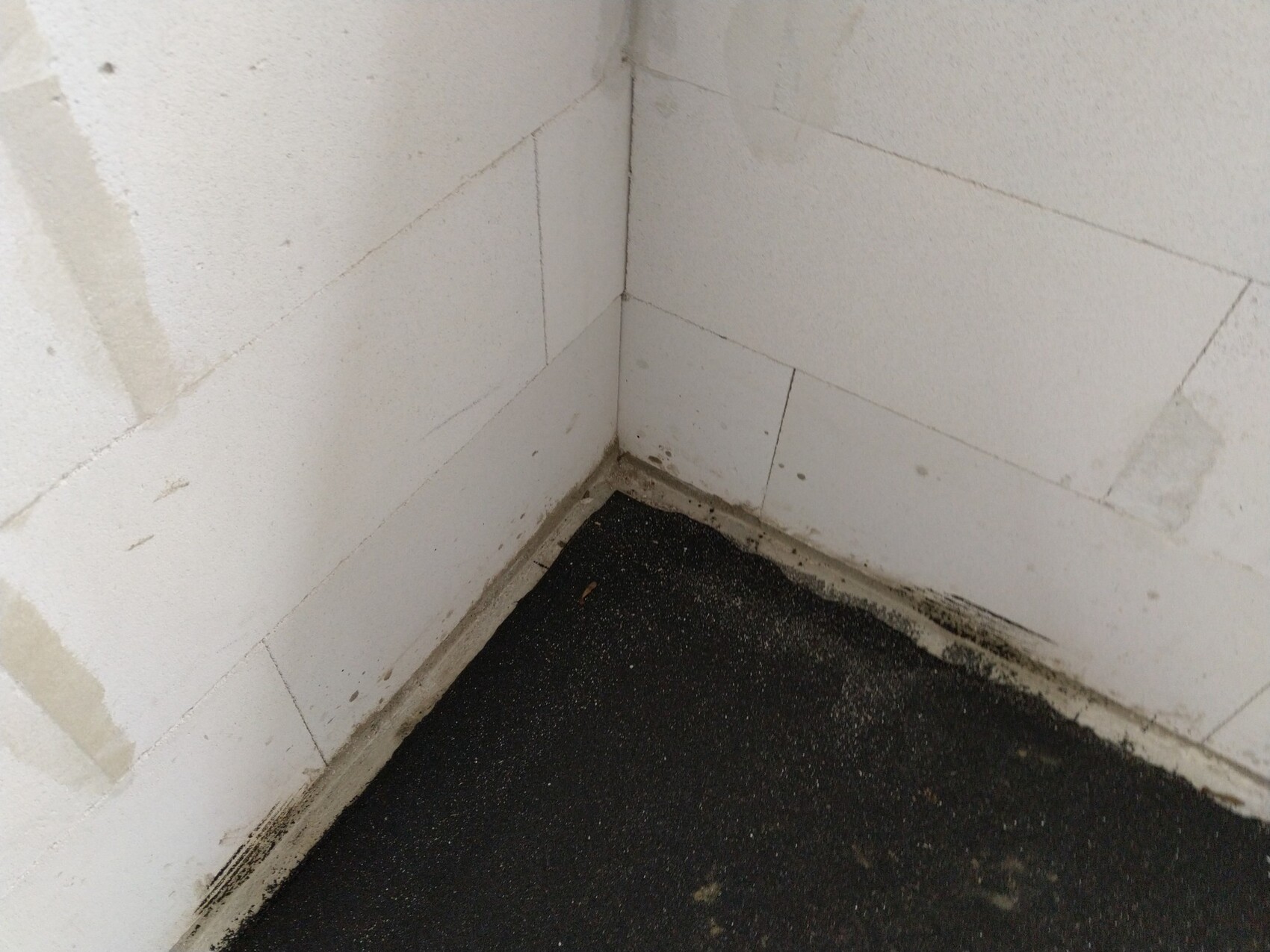
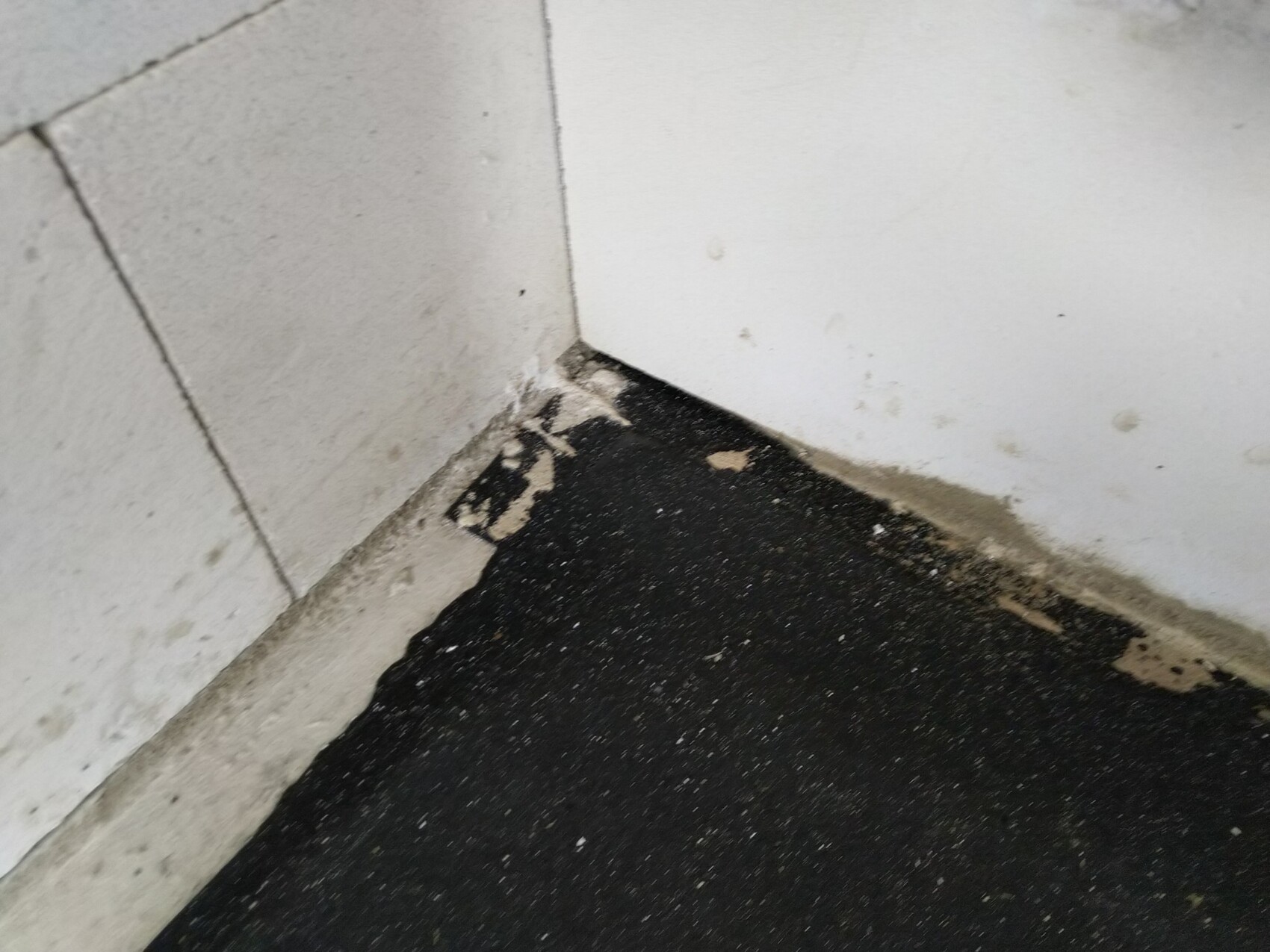
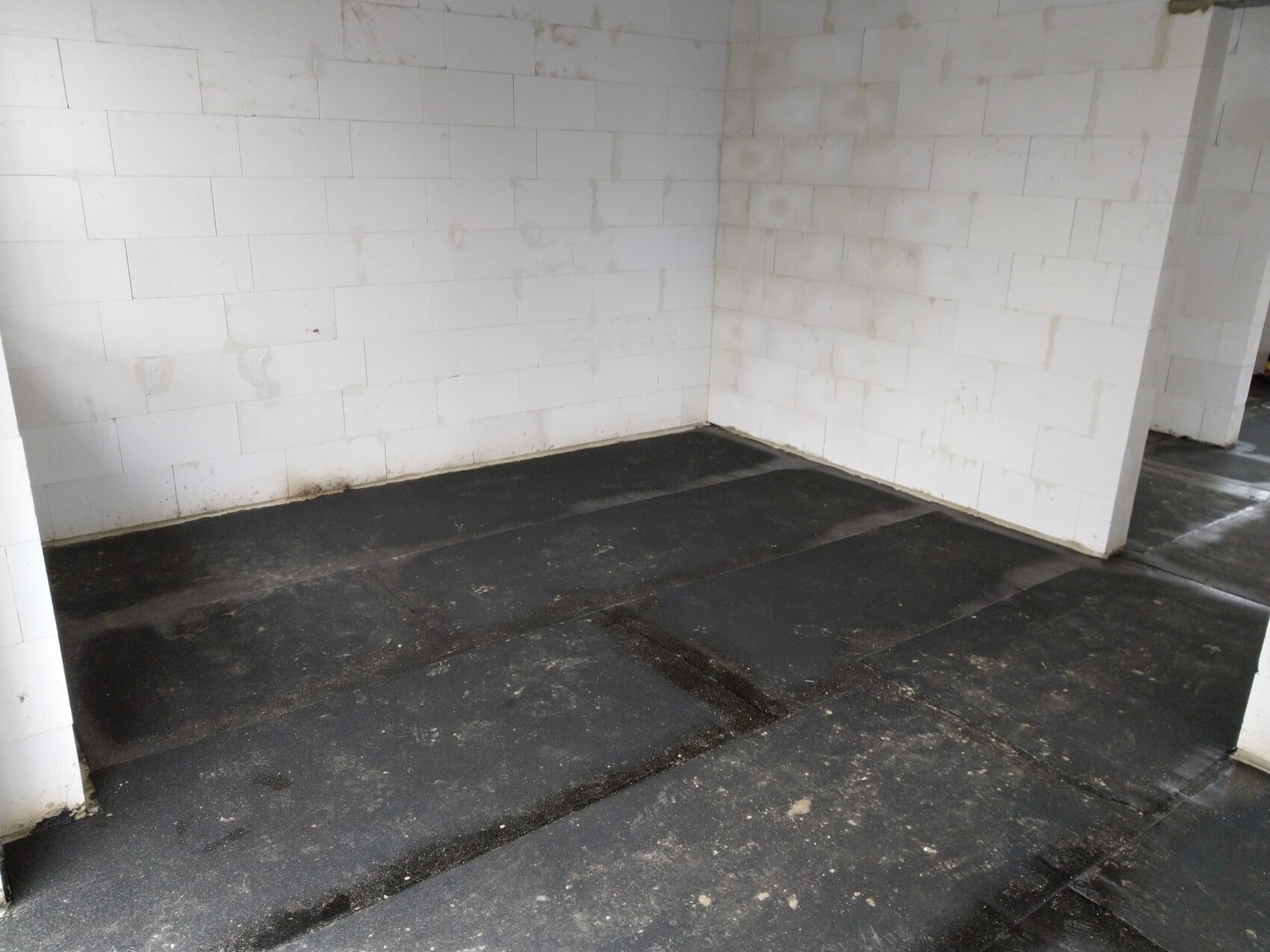
for better moisture protection, the waterproof membrane will then be extended up along the exterior walls, similar to a basin.
When I mentioned this to the builder, they responded:
the waterproof membrane will NOT be extended up the exterior wall.
The installation complies with the requirements of the DIN standard.
How necessary is this? Should I insist on having the membrane extended up the wall?
Nordlys schrieb:
It’s not necessary. The membrane just needs to slightly overlap the material under the walls. That way, everything is sealed – and good.Does this mean that no adhesion is required between the damp-proof membrane and the wall barrier? That would also explain why many membranes only have adhesive strips on the sides. So, the front edges are not glued.Nordlys schrieb:
Oh, believe me, a C20/25 concrete slab is not waterproof. Water will seep through from underneath or from the sides. That’s why you need a barrier.So why is such a barrier not always necessary for waterproof (WU) basements? Is that made with a different kind of concrete?