
ᐅ Moisture in the Roller Shutter Box – Troubleshooting Causes
Created on: 2 Jun 2024 23:21
W
wusti_recherW
wusti_recher2 Jun 2024 23:21Hello dear experts,
my wife and I have purchased a house built in 2000. The building description is attached.
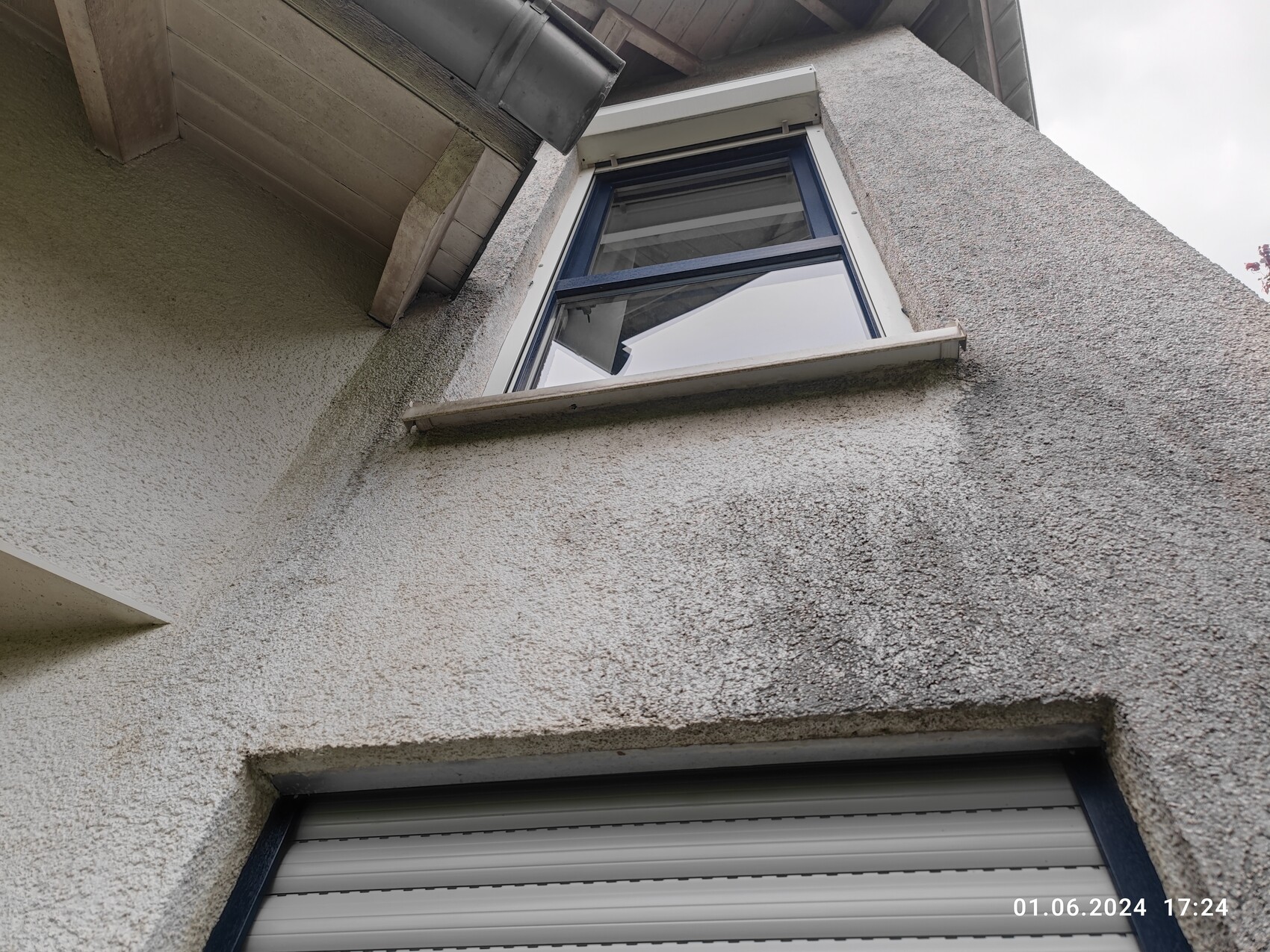
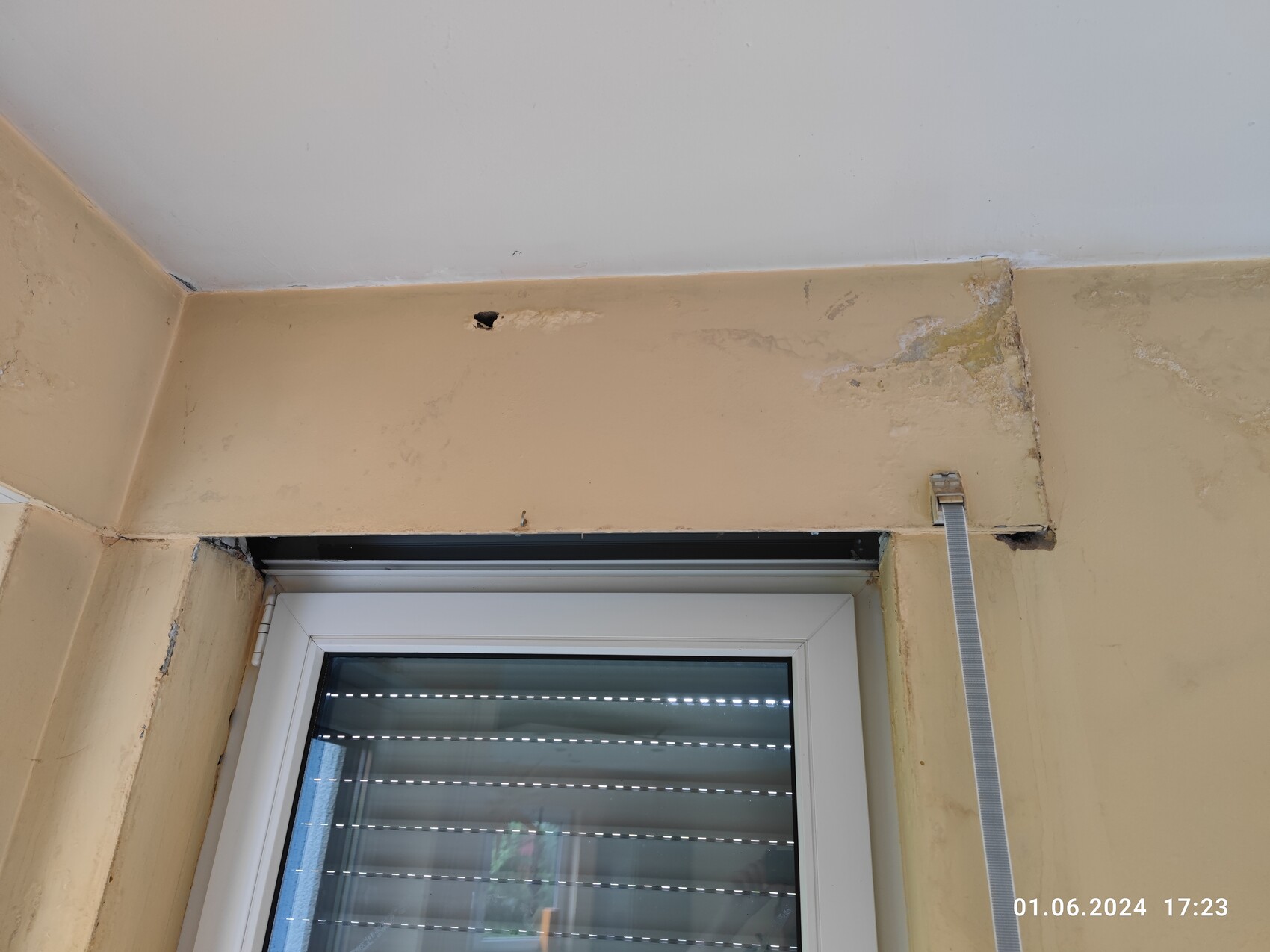
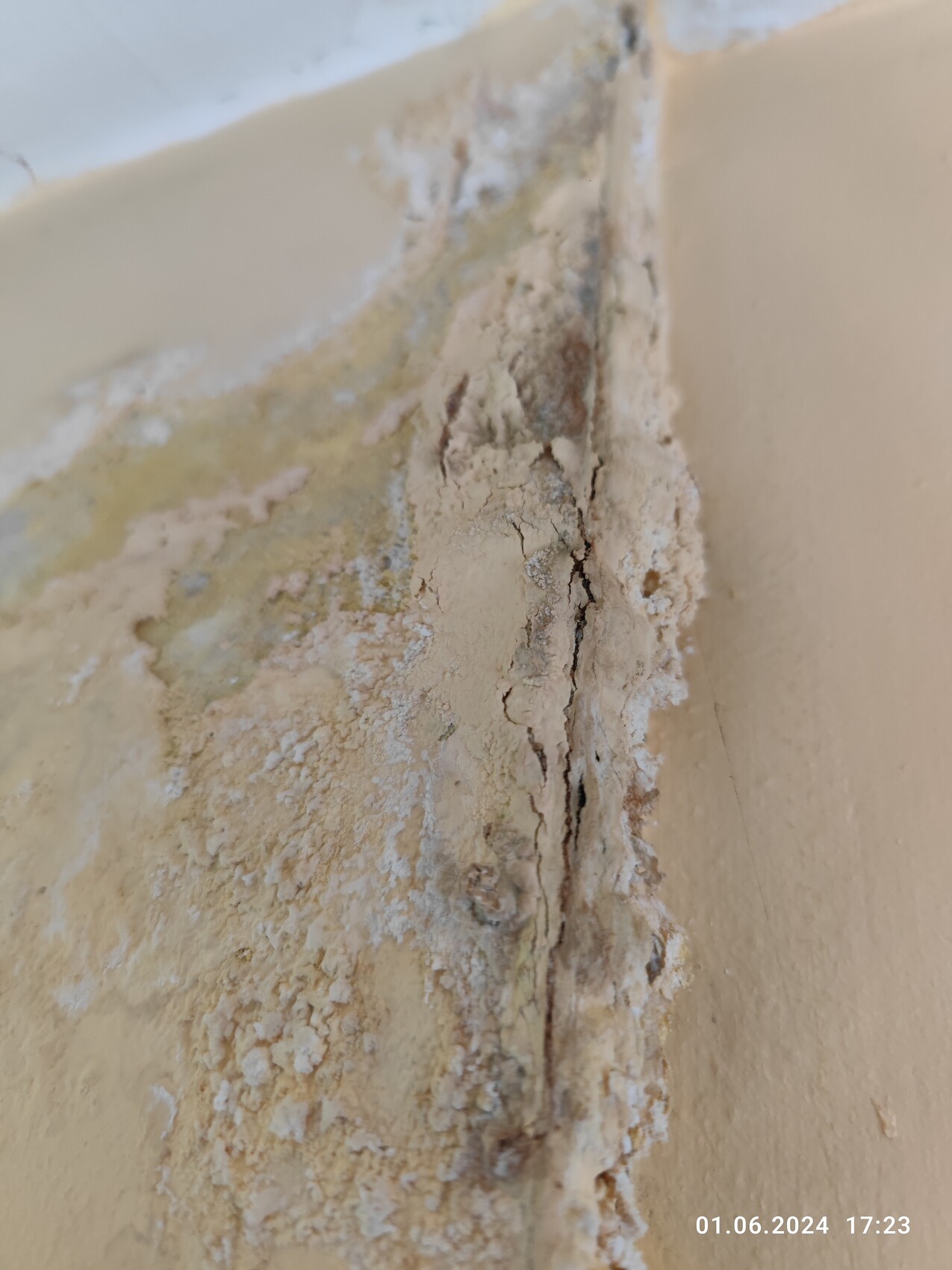
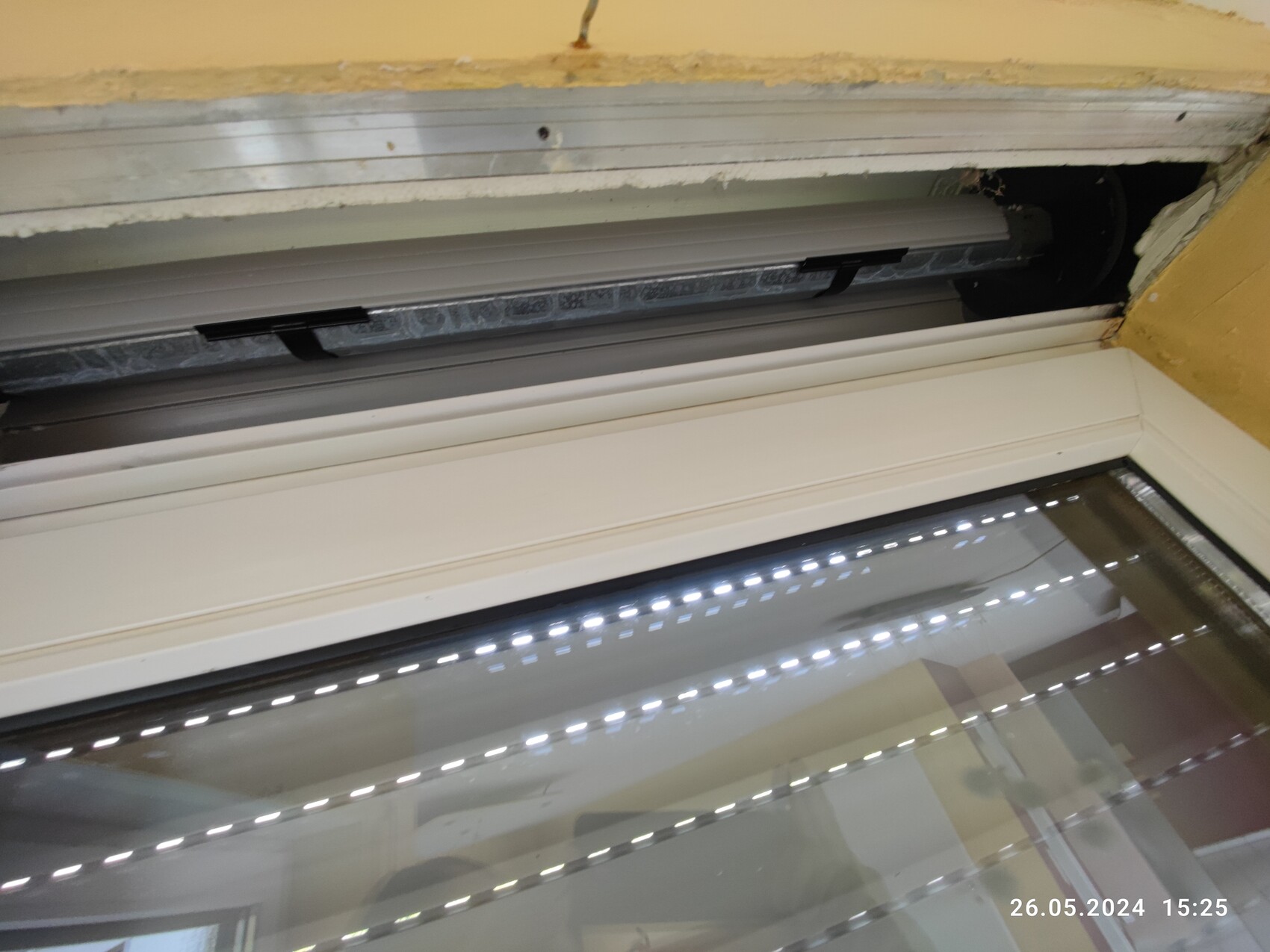
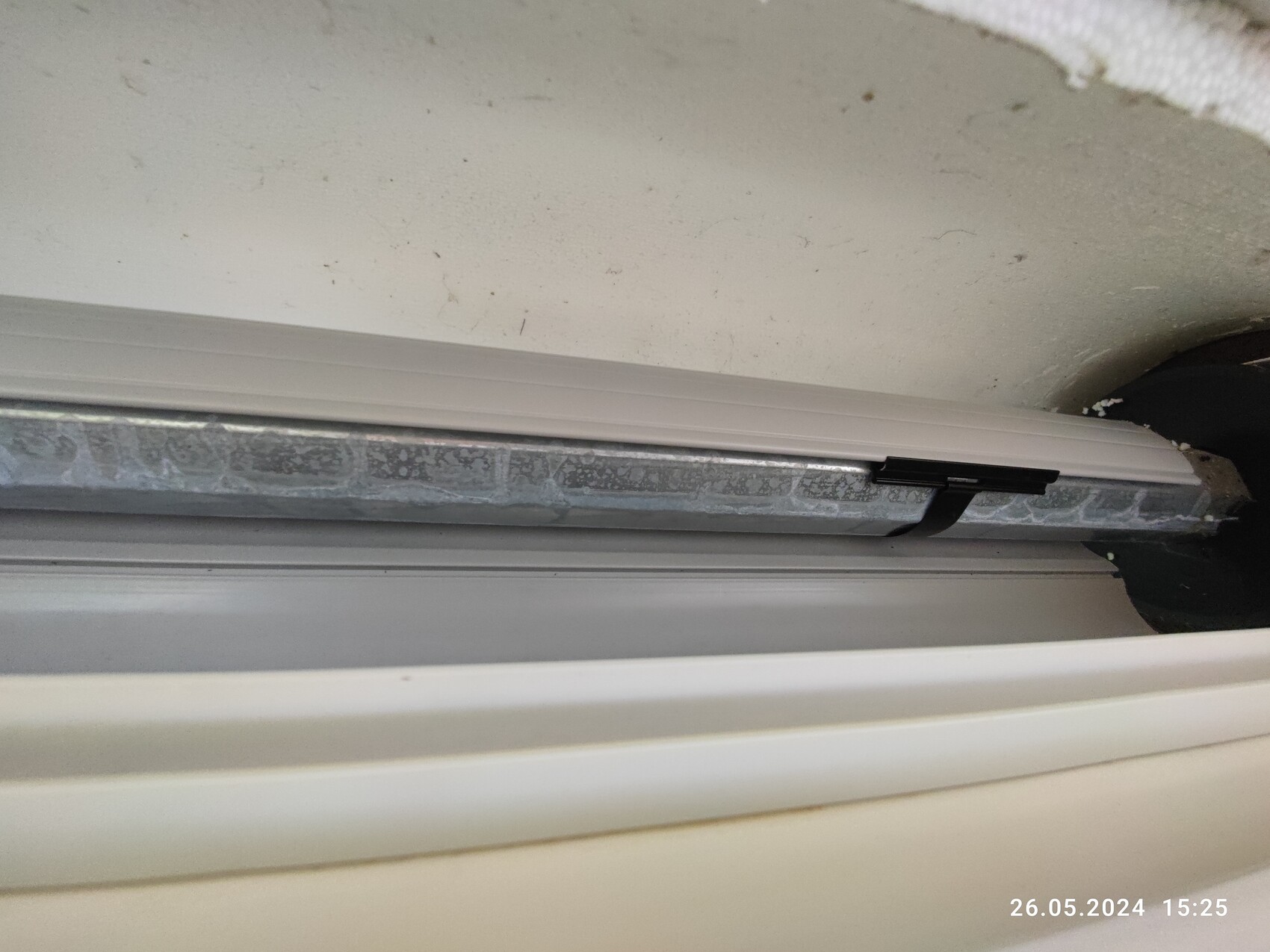
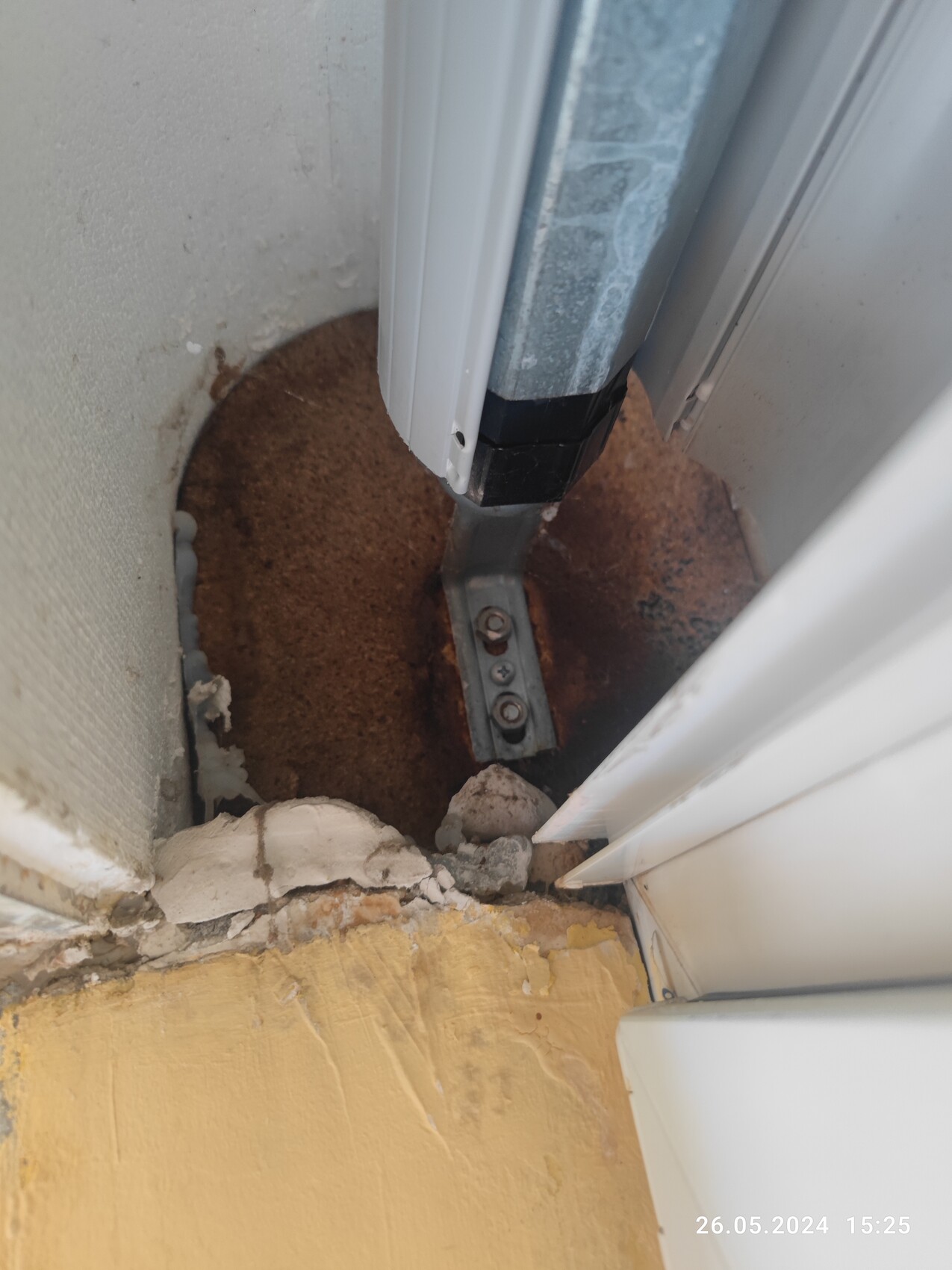
On the weather-exposed side of the house, some of the roller shutters (not all) show moisture damage, see pictures. The plaster/cladding of the roller shutter box is porous and can be damaged with a finger.
A friend who is a building inspector did not find any damage on the outside. He suspects it developed due to convection over 24 years and only became this severe because no one ever took care of it. The previous owner was not a craftsman. I am surprised that such severe damage is present above the roller shutter box, even though the expanded polystyrene (EPS) insulation appears intact and continuous. Perhaps the moisture also comes from the windowsill above?
What is your assessment of the cause of the damage?
My amateur approach would be to:
and tape the seams of the inspection cover with sealing tape.
Best regards from Wuppertal.
my wife and I have purchased a house built in 2000. The building description is attached.
On the weather-exposed side of the house, some of the roller shutters (not all) show moisture damage, see pictures. The plaster/cladding of the roller shutter box is porous and can be damaged with a finger.
A friend who is a building inspector did not find any damage on the outside. He suspects it developed due to convection over 24 years and only became this severe because no one ever took care of it. The previous owner was not a craftsman. I am surprised that such severe damage is present above the roller shutter box, even though the expanded polystyrene (EPS) insulation appears intact and continuous. Perhaps the moisture also comes from the windowsill above?
What is your assessment of the cause of the damage?
My amateur approach would be to:
- scrape off the porous “plaster” and replaster with a moisture-resistant mortar
- replace the cover panel facing the interior (which material?),
- seal the joints between the side parts and the expanded polystyrene (EPS) with silicone
and tape the seams of the inspection cover with sealing tape.
Best regards from Wuppertal.
Similar topics