
ᐅ Modern Bauhaus-style house, extensive use of glass, 170 sqm on ground floor and upper floor, currently in Phase 3
Created on: 7 Feb 2021 19:03
L
Lote1971
Hello dear building community,
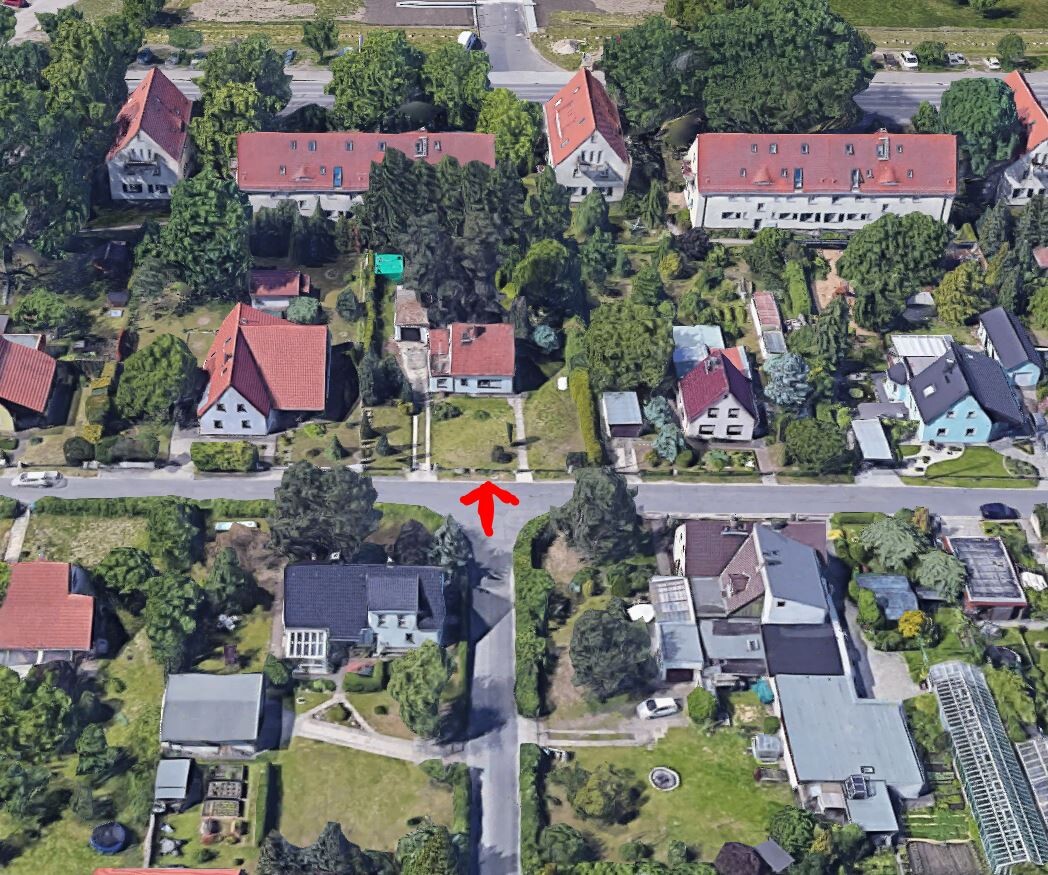
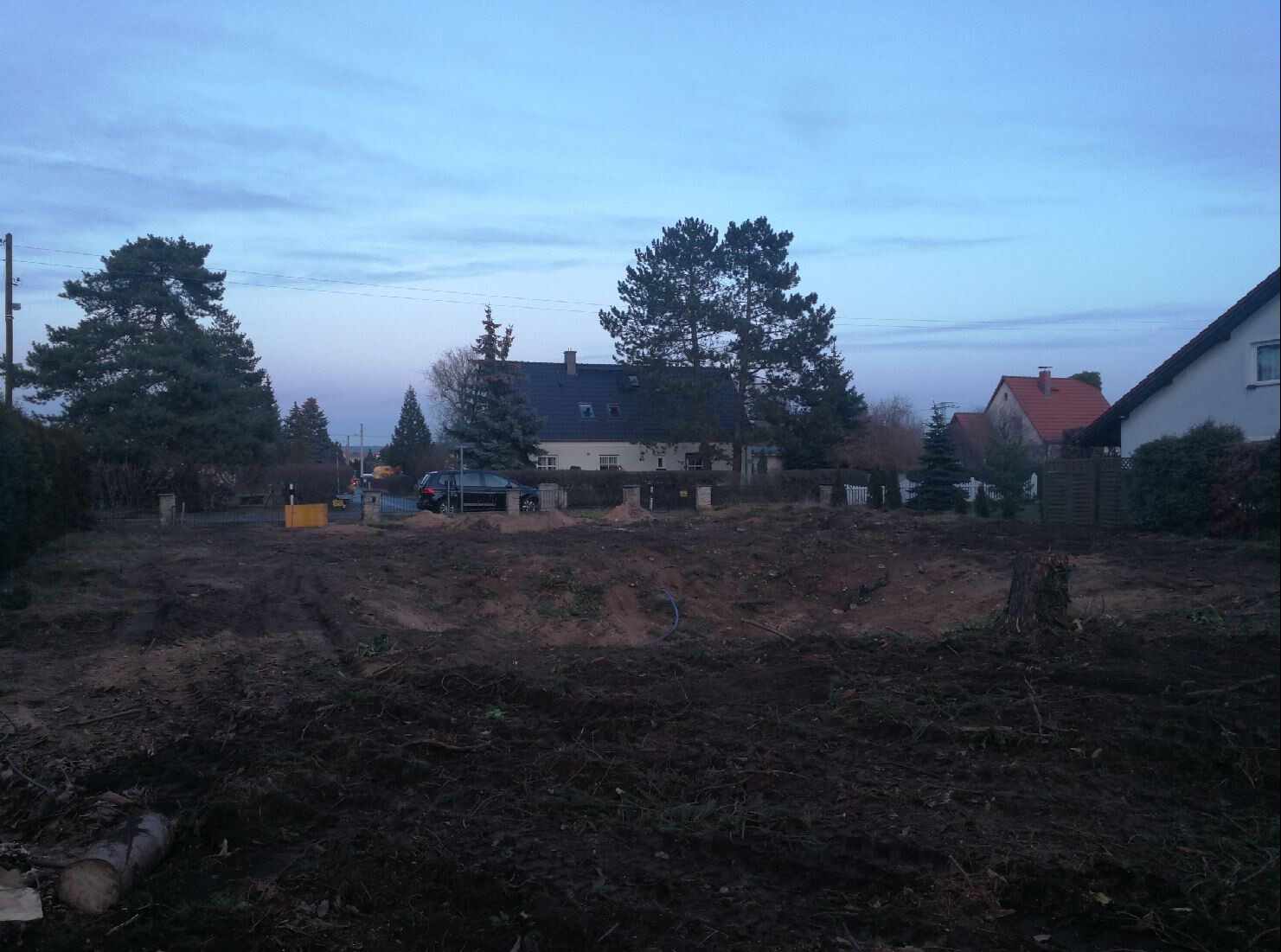
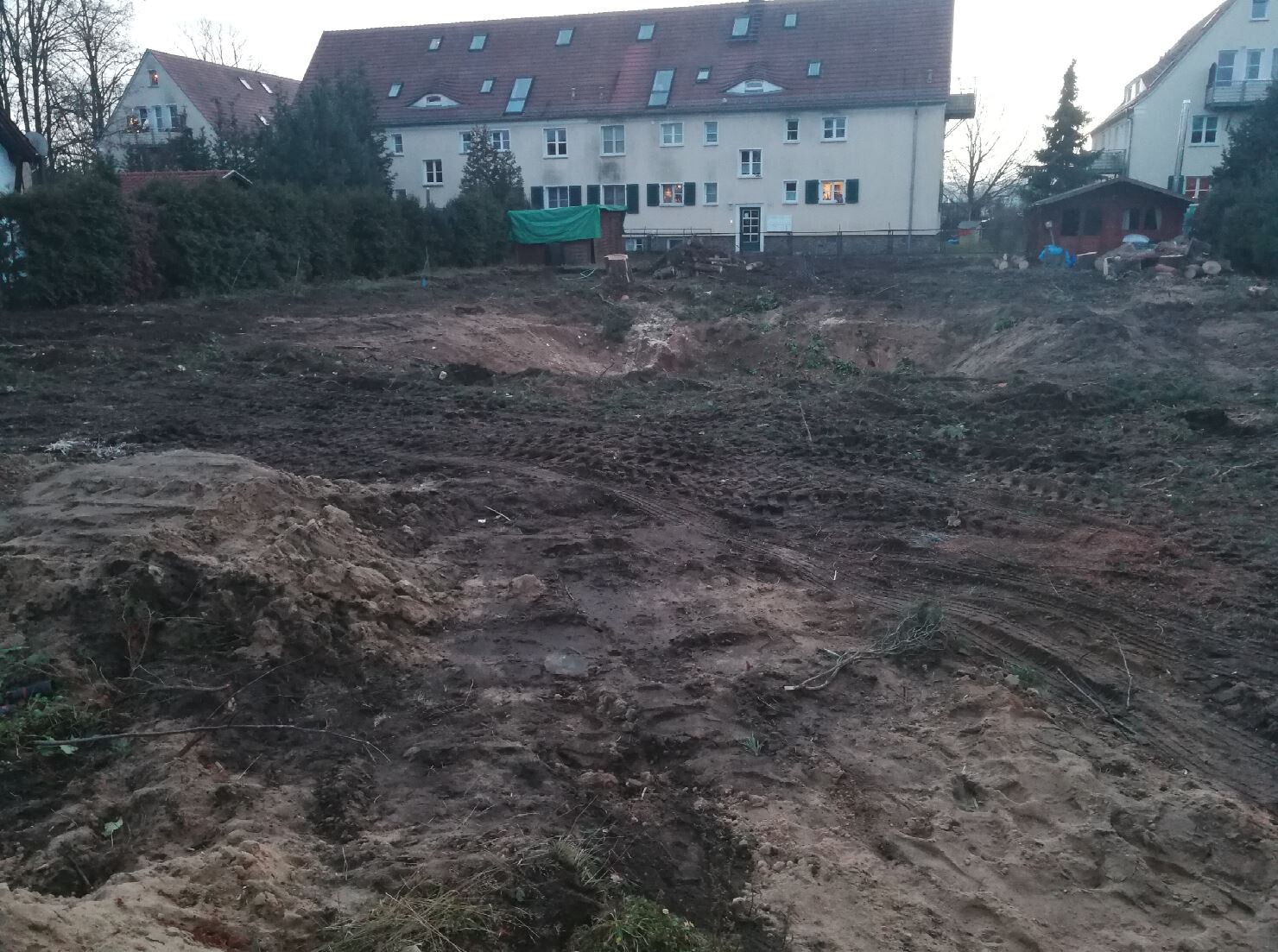
we plan to start building our dream home in spring. The plot has already been purchased. A small single-family house including a basement from the 1930s was also demolished. Utility connections are ready.
We greatly welcome your opinions and suggestions!
Thank you very much!
Plot approx. 1100 sqm (11,840 sq ft)
North-south orientation
Rectangular, width approx. 25 m (82 ft)
Development according to §34, infill development
Surrounding buildings mostly with pitched roofs
My design parameters for the architect
Style: Bauhaus, cubic
Architecture: Ground floor and upper floor visually separated, attached/integrated garage with small utility/storage room
Simple, timeless, functional, and open layout on the ground floor
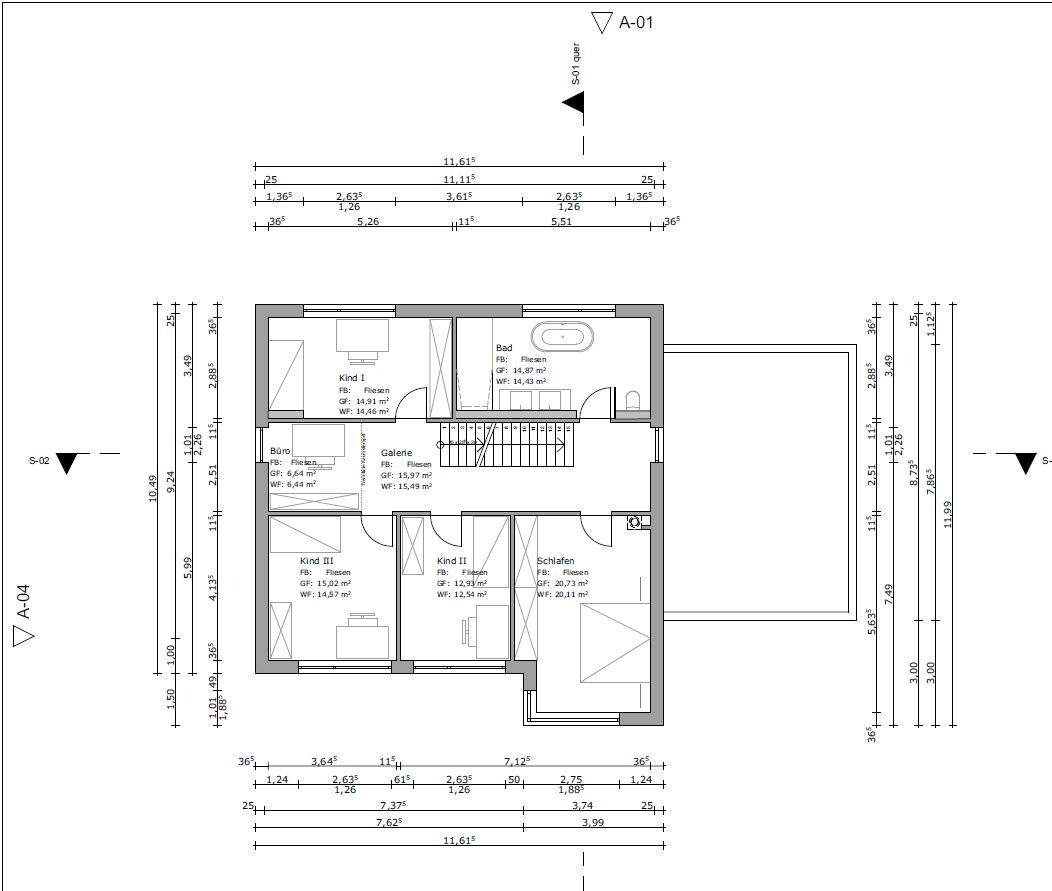
Generous glazing facing the garden, upper floor with 3 children’s bedrooms, bathroom
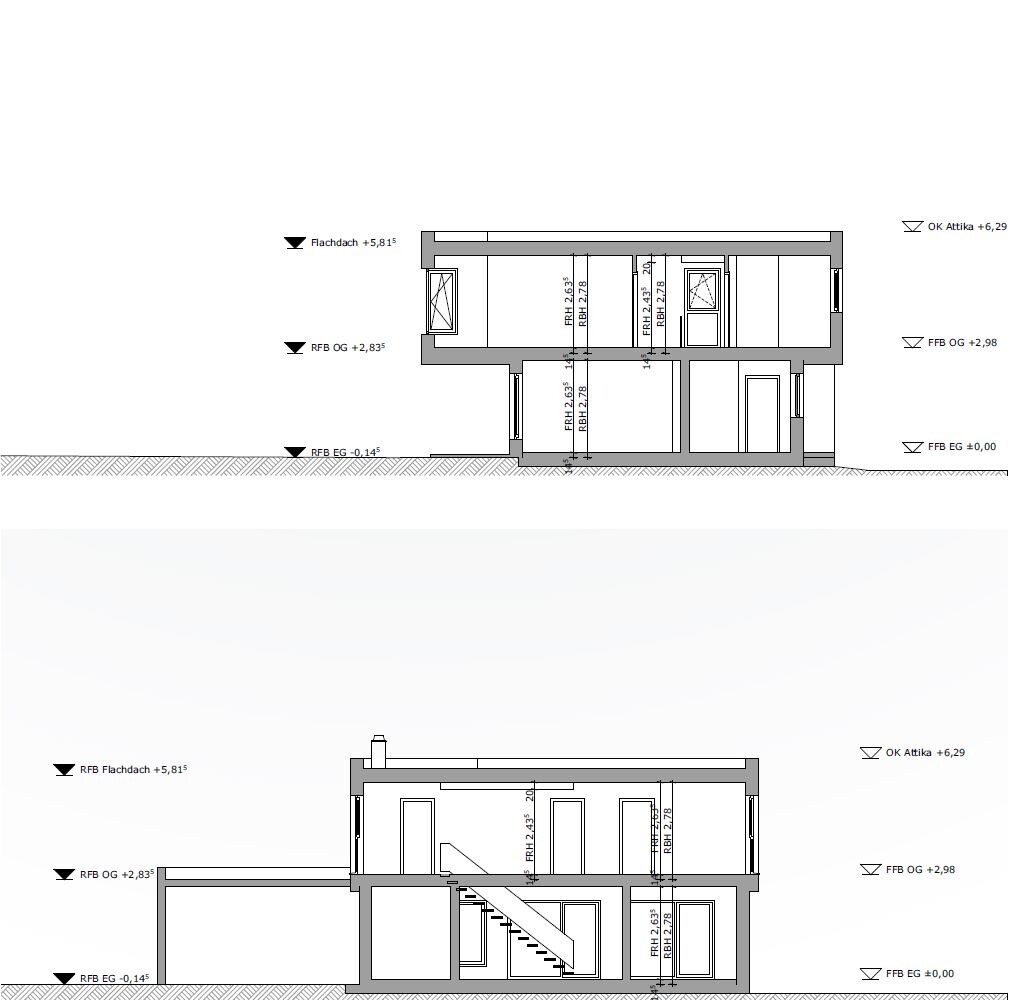
Roof type: Flat roof
Open transparent staircase, straight
Outdoor area for garden use, outdoor pool
We are now in design phase 3 and this is the current status:
170.86 m² (1,839 sq ft) living space ground floor/upper floor
39.47 m² (425 sq ft) usable area ground floor
938.27 m³ (33,137 cubic ft) gross volume
Exterior walls made of Poroton XP9, 36.5 cm (14 in)
Garage facade cladding in Resopal
Roof plumbing in aluminum, gutters, downspouts, flashings, wind boards, connections
Fine stoneware tiles, 100/100 cm (39/39 inches), throughout ground and upper floors
Wood-aluminum windows / patio doors, triple-glazed
Soltis / screen sunshade system, electrically operated
Insulated flat roof covering
Underfloor heating system
Central heating with heat pump
Geothermal energy use via deep borehole probe
Photovoltaic system on the roof as retrofit
Cooling for summer, possibly mechanical ventilation with heat recovery
Target KfW 55, preferably KfW 40
Cost calculation
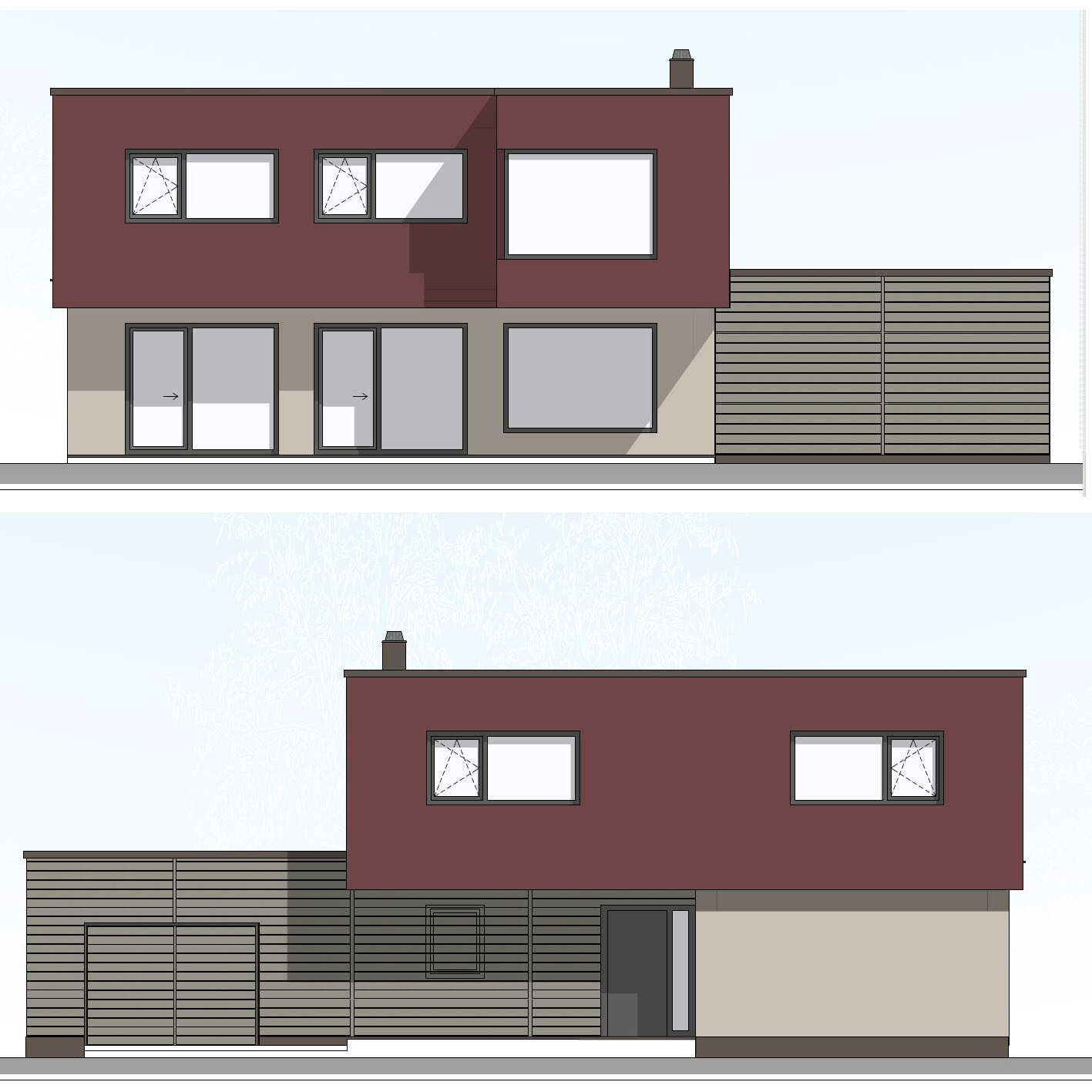
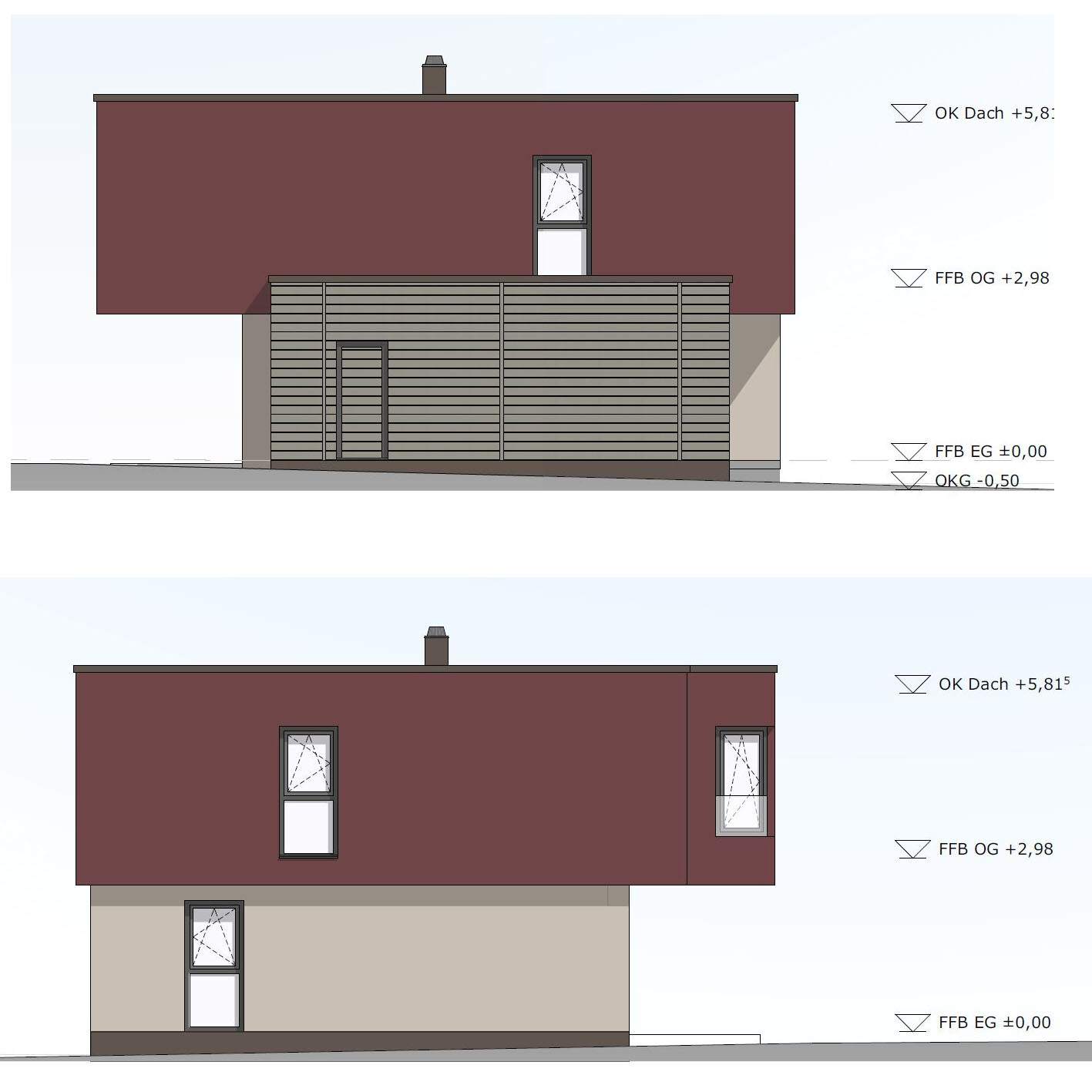
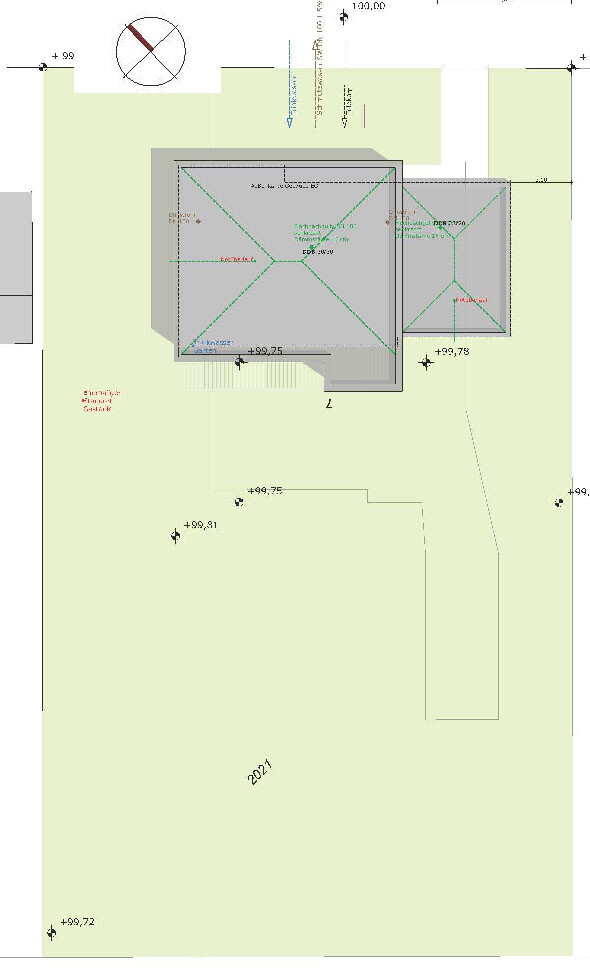
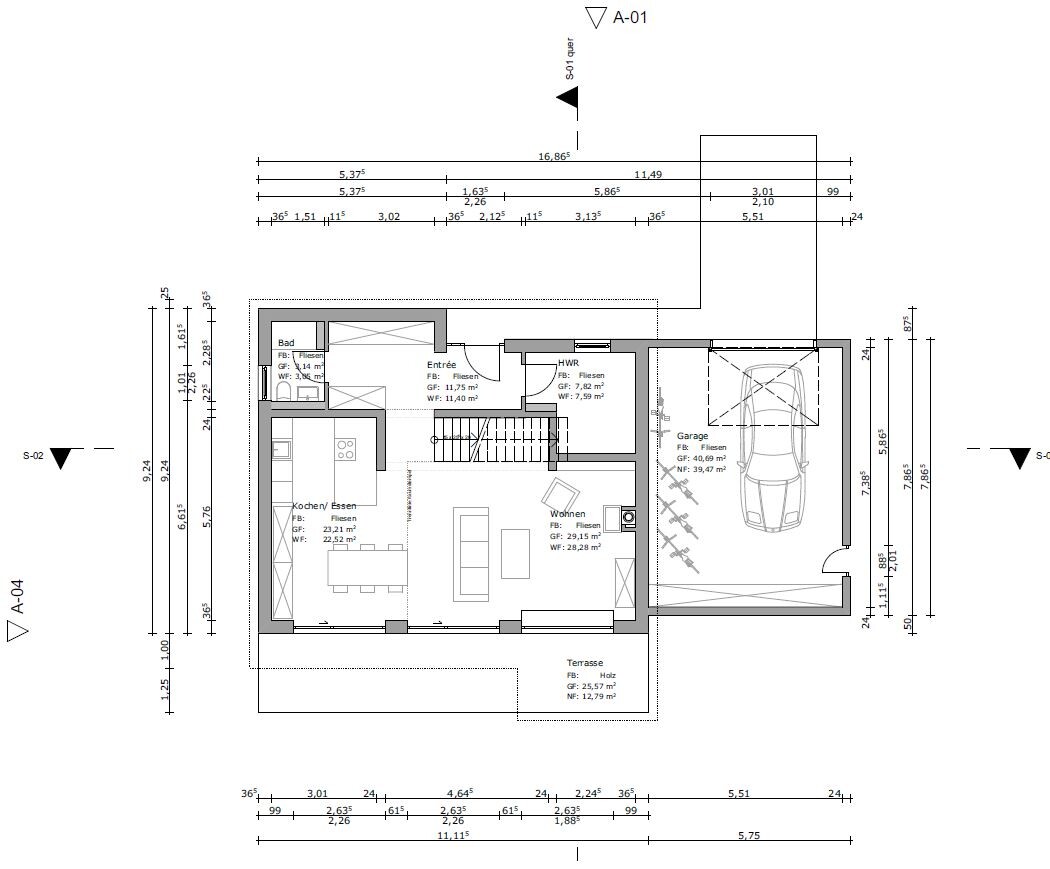
we plan to start building our dream home in spring. The plot has already been purchased. A small single-family house including a basement from the 1930s was also demolished. Utility connections are ready.
We greatly welcome your opinions and suggestions!
Thank you very much!
Plot approx. 1100 sqm (11,840 sq ft)
North-south orientation
Rectangular, width approx. 25 m (82 ft)
Development according to §34, infill development
Surrounding buildings mostly with pitched roofs
My design parameters for the architect
Style: Bauhaus, cubic
Architecture: Ground floor and upper floor visually separated, attached/integrated garage with small utility/storage room
Simple, timeless, functional, and open layout on the ground floor
Generous glazing facing the garden, upper floor with 3 children’s bedrooms, bathroom
Roof type: Flat roof
Open transparent staircase, straight
Outdoor area for garden use, outdoor pool
We are now in design phase 3 and this is the current status:
170.86 m² (1,839 sq ft) living space ground floor/upper floor
39.47 m² (425 sq ft) usable area ground floor
938.27 m³ (33,137 cubic ft) gross volume
Exterior walls made of Poroton XP9, 36.5 cm (14 in)
Garage facade cladding in Resopal
Roof plumbing in aluminum, gutters, downspouts, flashings, wind boards, connections
Fine stoneware tiles, 100/100 cm (39/39 inches), throughout ground and upper floors
Wood-aluminum windows / patio doors, triple-glazed
Soltis / screen sunshade system, electrically operated
Insulated flat roof covering
Underfloor heating system
Central heating with heat pump
Geothermal energy use via deep borehole probe
Photovoltaic system on the roof as retrofit
Cooling for summer, possibly mechanical ventilation with heat recovery
Target KfW 55, preferably KfW 40
Cost calculation
| Trade | Gross |
| Waterproofing works | €8,444 |
| Construction site cleaning | €655 |
| Construction site facilities | €5,950 |
| Concrete works | €78,289 |
| Roofing | €36,265 |
| Electrical installations | €19,064 |
| Drainage sewer works | €7,811 |
| Earthworks | €14,691 |
| Screed works | €5,861 |
| Facade cladding | €18,564 |
| Windows, exterior doors | €51,836 |
| Tiling and slab works | €36,450 |
| Garage door | €5,355 |
| Building automation | – |
| Scaffolding works | €5,998 |
| Heating | €52,360 |
| Interior doors | €8,003 |
| Ventilation | – |
| Masonry works | €99,200 |
| Planning | €92,397 |
| Sanitary installations | €20,944 |
| Sun protection | €17,077 |
| Wallpapering | €4,834 |
| Drywall works | €2,695 |
| Total amount | €592,742 |
Climbee schrieb:
In a neighboring village, there is a new building with such spotted roof tiles, supposedly Mediterranean style, but it just looks visually disturbing – that was the first time I missed having guidelines...), the facade color, the roof pitch, and so on.
SOO BOORING!!!! That’s a matter of taste. Everyone has different preferences, maybe even the “cookie-cutter” style. Exactly that visually disturbing factor is what you are looking for: individuality without outside influence. For someone else, your house would be the visually disturbing factor.
I understand what you mean, but it is still a subjective judgment.
Climbee schrieb:
Do you really think they were built according to a development plan / building permit? No, everyone just built whatever they fancied. You are mistaken there. Although it might have been called differently back then, people did coordinate when building houses, even in ancient times. Building was actually very conservative – proven designs were maintained and copied. This tradition runs through the entire culture, from the Middle Ages, small and large towns, right up to today. There were always some rules or conventions, which might not have been written down but were immediately enacted.
The desire for individualism, fashion, special features, and standing out came much later. The awareness of alternative options began with travel opportunities, followed by TV and the internet, globalization added to the wish for something unique.
I would be curious to know if anyone here who wants to build a Bauhaus-style house has studied the style and its history. Has anyone even been inside such a house and understands the principles that define Bauhaus architecture?
Ibdk14 schrieb:
Wait a moment – did I miss something? Why is this suddenly about a bungalow and two children? Wasn’t this a different thread? I’m confused. Looks like @Climbee posted in the wrong thread 😉 it happens, she’s on a roll right now 😀

P
pagoni202011 Feb 2021 20:13Climbee schrieb:
In a neighboring village, there is a new build with spotted roof tiles, which is supposed to be Mediterranean style, but it just looks visually disturbing – that was the first time I felt regulations were missing... In a nearby town in Baden-Württemberg, a homeowner had to replace their roof because they had installed light red marbled tiles to create a Mediterranean flair; they were told this was within the allowed limits...
ypg schrieb:
That’s a matter of taste. Everyone has their own, or maybe just prefers the “standard look.” The very factor you call an eyesore is actually what you want—individuality without outside influence. For someone else, your house might be the eyesore.
I understand what you mean, but it’s still a form of judgment. Exactly, I find them eyesore-inducing, but I’d rather put up with that than the standard look—and what else is there to mock anyway? :p
ypg schrieb:
You’re mistaken. Although they probably called it something different back then, even in antiquity people coordinated when building houses. The style was actually quite stagnant—they kept and reused proven forms. This continued through the entire culture, beyond the Middle Ages, in small and large towns up to today. There were always certain rules, which didn’t always have to be written down, that guided construction right from the start.
The desire for individualism, fashion, uniqueness, and standing out came much later. No, that was due to money. I live near a town with an almost completely preserved medieval city center. It’s clearly visible which house was built when. The oldest tower dates back to the 14th century and is distinctly different from newer houses that mostly appeared during the Baroque period:
Those who could afford it decorated their houses conspicuously and elegantly: for example, Dominikus Zimmerman, the builder of the Wies Church and a resident and sometimes mayor of this town, treated himself to what must have been a very extravagant little roof on his home (unfortunately, I don’t have a picture of that at the moment).
Two homeowners had to build side by side, despite not getting along well—their disagreement is reflected in two opposing gables. Quite crazy and definitely not according to any official pattern:
(Unfortunately, I couldn’t quickly find a better picture of these two houses—the yellow and the blue one.)
Imagine if two semi-detached house builders did that today!
People who could afford it showed off. Because the town grew wealthy from salt trading, they could afford a fancy town hall:
Stylistically, it doesn’t quite fit in perfectly here, but it was affordable, and when the master builder was also the mayor—that was convenient! Today, that would be considered a conflict of interest.
But overall, it makes for a very picturesque scene.
The parish church was started in the Romanesque period (first mentioned in 1219), later expanded into a three-aisled Romanesque building, completed in the 15th century, and later—without any fuss—baroqued! I wonder which building permit or planning permission would have allowed that?
I don’t want to debate written history about antiquity here, as we are both correct. I am more referring to the similarity in size as well as the style. It is true that renovations are later added in building gaps.
You’re not reinventing the wheel; in the past, apartment buildings (and others) were constructed differently simply because of the toilet installations compared to today. But essentially, people built their houses to fit in with their neighbors.
You’re not reinventing the wheel; in the past, apartment buildings (and others) were constructed differently simply because of the toilet installations compared to today. But essentially, people built their houses to fit in with their neighbors.
Similar topics