
Hello!
We have a good general contractor offer that satisfies us in many ways.
One point that does not convince us is that textured wallpaper is used as a base, followed by two coats of paint.
It apparently is a very solid solution...
...but it doesn’t convince me. I would prefer lime or clay plaster.
What are your experiences with a textured wallpaper base?
What alternatives are there with a purely mineral (non-synthetic) plaster?
I look forward to your ideas and experiences 🙂
We have a good general contractor offer that satisfies us in many ways.
One point that does not convince us is that textured wallpaper is used as a base, followed by two coats of paint.
It apparently is a very solid solution...
...but it doesn’t convince me. I would prefer lime or clay plaster.
What are your experiences with a textured wallpaper base?
What alternatives are there with a purely mineral (non-synthetic) plaster?
I look forward to your ideas and experiences 🙂
Lucrezia schrieb:
Lime plaster would be just right for us 🙂 Did you do it yourselves and did you have any experience with it? And if it’s more suitable for “advanced users”: is lime plaster a standard job for tradespeople, or don’t all of them do it? Also, are the labor costs similar to those for mineral-based plaster? (I understand lime is a bit more expensive—maybe the application process is also more involved?)No, no, it was done by the plasterer. Honestly, I hardly know anyone who has done their own interior plastering (except friends who used clay plaster because they couldn’t find any tradesperson willing to do it...).
Lime was more expensive than lime-cement plaster in terms of materials. If I remember correctly, the labor costs were about the same. So, the application process is probably similarly (time-)consuming.

N
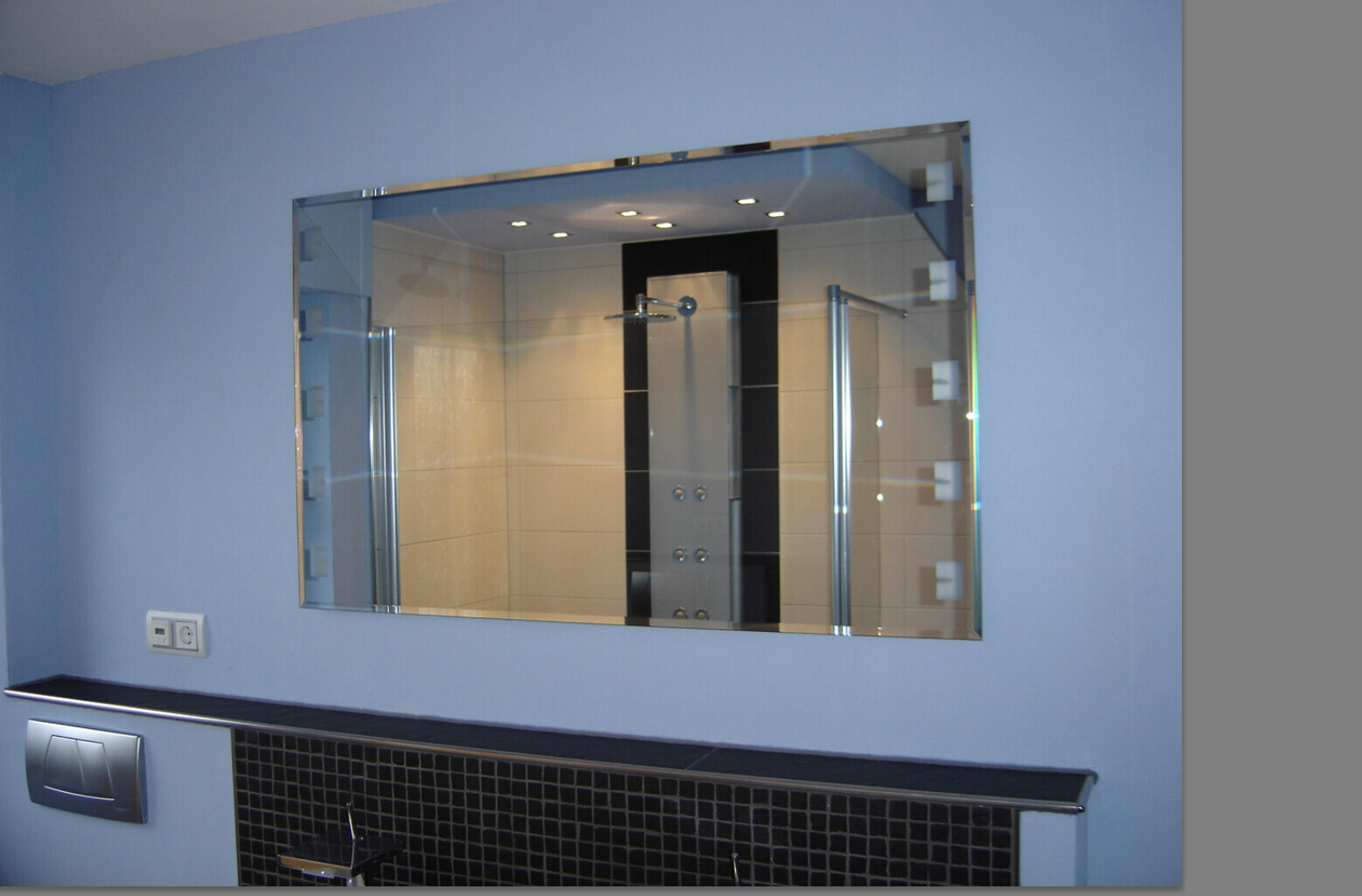
nordanney1 Feb 2019 10:50Applying clay plaster as a finish is quite simple. In our previous house, I used it to complete our bathroom (colored plaster can be purchased).

N
nordanney1 Feb 2019 11:47Lucrezia schrieb:
But... the wall looks nice and smooth. How does that work with clay plaster? Thanks. It was a "normal" base coat plaster underneath. The clay plaster goes on top of that. It comes ready-made and is simply mixed with water. Then you apply it with a trowel and smooth it out. There’s no real difference compared to other types of plaster.
Lucrezia schrieb:
Is clay plaster suitable for wet rooms? Clay plaster is actually ideal for wet rooms. It absorbs moisture quickly and slowly releases it back into the surrounding air. This helps create an excellent indoor climate. However, it is very expensive. For just the material cost of clay plaster, with other wall coverings you could easily include the labor cost as well.
Lucrezia schrieb:
What kind of base surface is needed? Plaster
Similar topics