
Hello,
I want to install a new radiator in the bathroom. The current one is installed under a ledge:
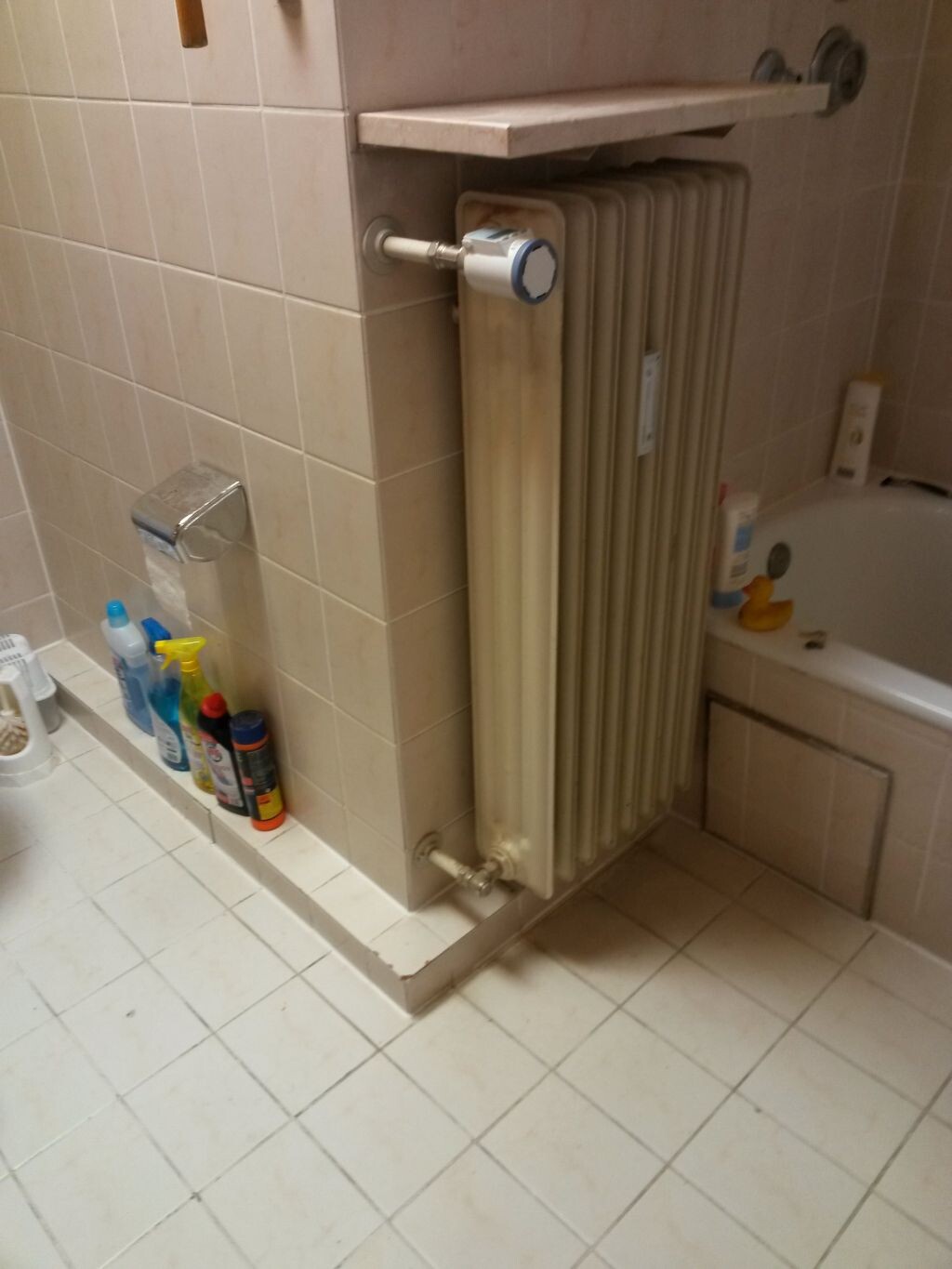
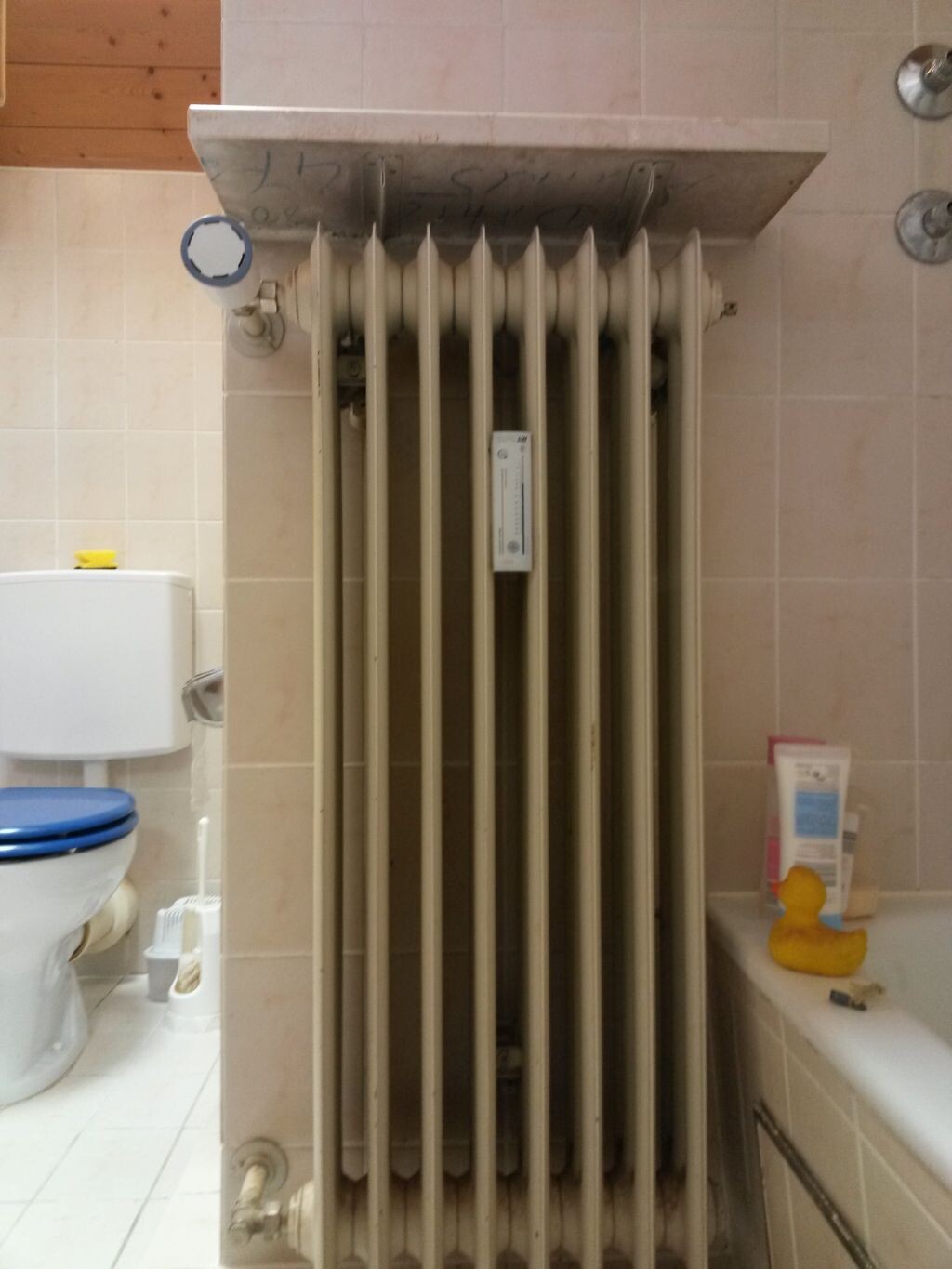
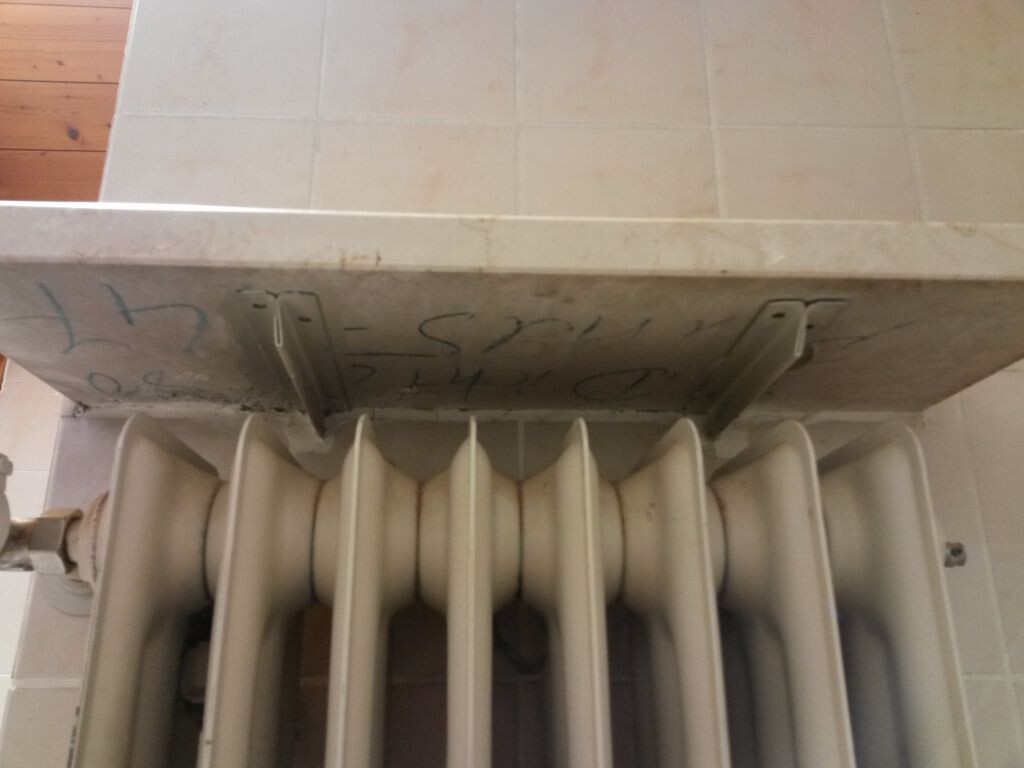
The new radiator is taller than the old one, so the ledge has to be removed. I also need to retile the entire bathroom eventually, but for now I just want to replace the radiator. How can I remove the marble slab and the supports underneath? Both seem to be built into the wall. What kind of tools are needed for this? Should you use an angle grinder for this?
Thank you very much, Philipp_
I want to install a new radiator in the bathroom. The current one is installed under a ledge:
The new radiator is taller than the old one, so the ledge has to be removed. I also need to retile the entire bathroom eventually, but for now I just want to replace the radiator. How can I remove the marble slab and the supports underneath? Both seem to be built into the wall. What kind of tools are needed for this? Should you use an angle grinder for this?
Thank you very much, Philipp_
K
Knallkörper10 Jun 2017 10:51Hello Philipp,
The marble slab is probably just embedded in plaster, if at all. I would try to remove it first with gentle force. Then cut off the brackets with a grinder or, better yet, saw them off.
The marble slab is probably just embedded in plaster, if at all. I would try to remove it first with gentle force. Then cut off the brackets with a grinder or, better yet, saw them off.

The panel even looks like it’s screwed to the bracket. Regarding the brackets, I suspect they are most likely installed like wall shelf brackets – anchored and screwed in, underneath the plaster. I’m afraid this operation can only be done in connection with retiling. You won’t be able to cut it flush. Without experience (especially in this type of work), you might as well have an ambulance on standby from the start. Whether the risk of injury comes from what remains in place or from trying to grind it down more cleanly, it’s about the same. Better to wait until you remove the tiles, then calmly unscrew it.
https://www.instagram.com/11antgmxde/
https://www.linkedin.com/company/bauen-jetzt/
https://www.instagram.com/11antgmxde/
https://www.linkedin.com/company/bauen-jetzt/
Thank you Knallkörper and ant for the answers!
Holes are intended for the screws, but there are no screws in them.
Thanks, such advice is very valuable.
In a few weeks, a new heating system will be installed in the house, and a hydraulic balancing will be done for all radiators. That’s why I wanted to quickly change the radiator beforehand and then lay tiles in the autumn/winter. Maybe that’s the wrong order...
So should I first remove the tiles from the wall, then try to take the brackets off the wall in one piece, then install the new radiator supports, then replaster, and finally retile?
Best regards
11ant schrieb:
The panel even looks like it’s screwed to the bracket.
Holes are intended for the screws, but there are no screws in them.
11ant schrieb:
Regarding the brackets, I suspect they are installed like shelf brackets on a wall – fixed with anchors and screws, behind the plaster. I’m afraid you can only carry out the work in connection with retiling. You won’t be able to cut them flush. Without practice (especially with something like this), you might need to call an ambulance right away.
Thanks, such advice is very valuable.
In a few weeks, a new heating system will be installed in the house, and a hydraulic balancing will be done for all radiators. That’s why I wanted to quickly change the radiator beforehand and then lay tiles in the autumn/winter. Maybe that’s the wrong order...
So should I first remove the tiles from the wall, then try to take the brackets off the wall in one piece, then install the new radiator supports, then replaster, and finally retile?
Best regards
Philipp_ schrieb:
That’s why I wanted to quickly replace the radiator first and then lay tiles in the fall/winter. Maybe that’s the wrong order… I also think that the order is wrong.
Philipp_ schrieb:
So should I first chip off the tiles from the wall, then try to remove the brackets in one piece from the wall, From the photos, it’s hard to tell from this angle whether the brackets sit within the joints. If so, they might be rod-shaped and cemented in. If they are angle brackets as I suspect, you’re likely to cause far more damage than you’d want before they are exposed.
In any case, when tiling, either the old or the new radiator will need to be removed. Even gynecologists and piano virtuosos can’t tile behind a wall-mounted radiator.
Alex85 schrieb:
I’d test carefully with a chisel. If the panel is just glued, it’s glued firmly. I wouldn’t want to destroy it, and using a chisel requires skill. Possibly use a cold chisel at the front tip of the bracket.
Maybe ask someone who installs these things. They might be able to show you how it looks before installation and/or explain how it was mounted.
https://www.instagram.com/11antgmxde/
https://www.linkedin.com/company/bauen-jetzt/
Similar topics