
Hello community,
I need your help. I want to make my cold attic floor accessible so I can store some items like Christmas decorations, old school supplies from the kids, and similar things.
A suitable retractable attic ladder is already installed. Otherwise, the ceiling structure is as follows (from the living space upward):
Plasterboard -> counter battens -> vapor barrier -> ceiling joists with insulation in between.
I now want to cover the whole thing with 25mm (1 inch) tongue-and-groove boards. I have already had these boards stored in the attic since September.
The ceiling joists are about 8cm (3 inches) wide and spaced about 60cm (24 inches) apart.
Since I cannot screw the tongue-and-groove boards directly onto the joists to ensure proper ventilation behind them, I will need a substructure made of battens. What do I need to consider for this?
- What thickness should the battens have?
- Is one layer of battens enough, or is it better to use two layers to improve air circulation?
- What spacing should the battens have?
- What clearance should be left at the edges near the gable wall and the wall plate to ensure air circulation?
- Should I treat the tongue-and-groove boards for protection? If yes, with what?
- Should I also treat the rest of the timber structure in the cold attic? If yes, with what?
- What else should I keep in mind?
I look forward to your tips, suggestions, and feedback.
Best regards, Lars
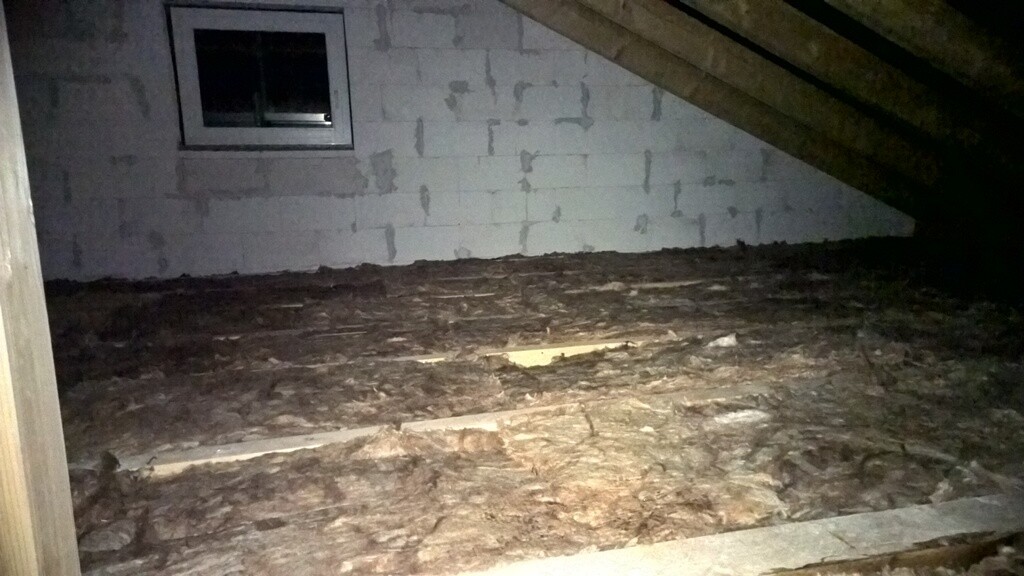
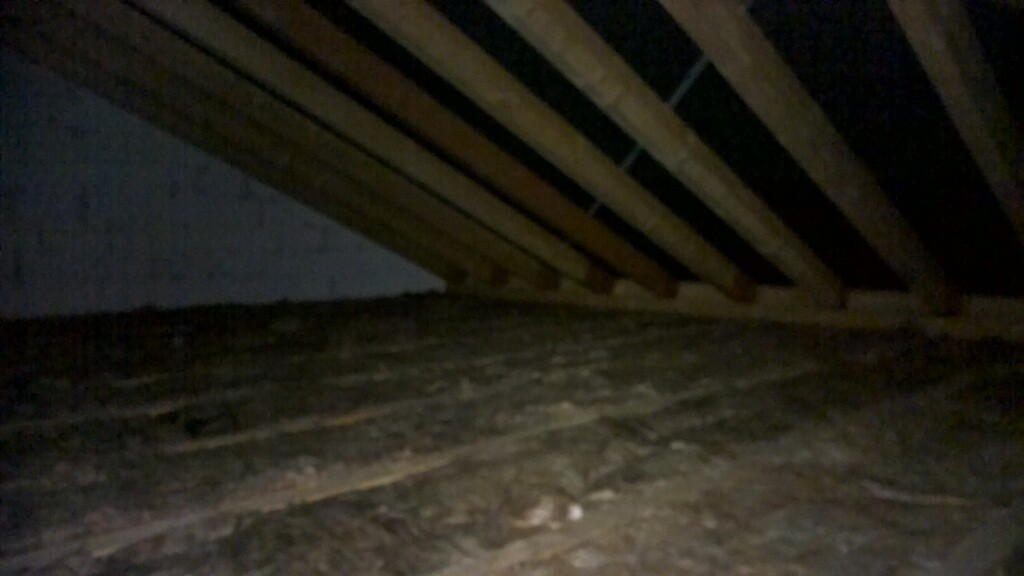
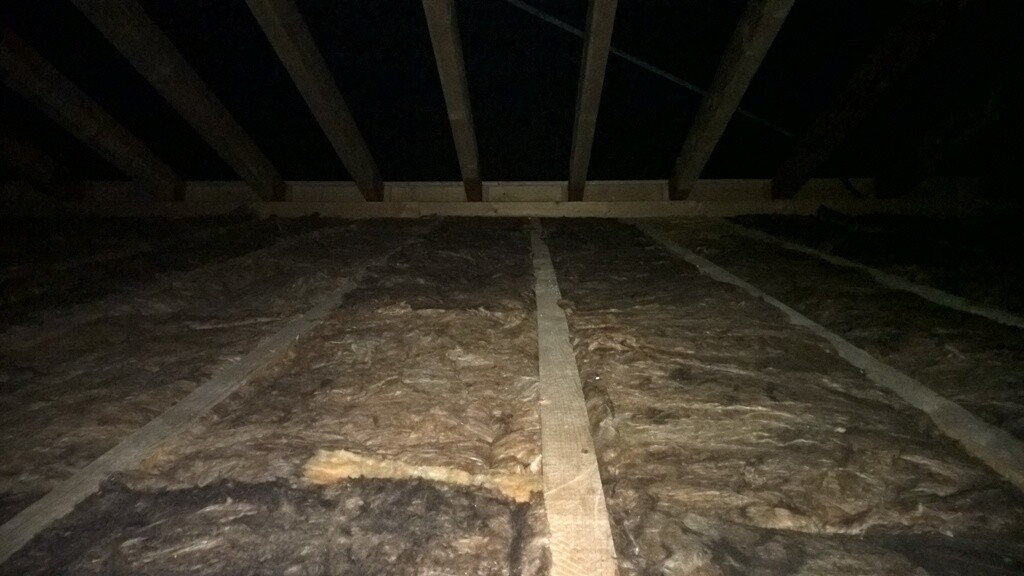
I need your help. I want to make my cold attic floor accessible so I can store some items like Christmas decorations, old school supplies from the kids, and similar things.
A suitable retractable attic ladder is already installed. Otherwise, the ceiling structure is as follows (from the living space upward):
Plasterboard -> counter battens -> vapor barrier -> ceiling joists with insulation in between.
I now want to cover the whole thing with 25mm (1 inch) tongue-and-groove boards. I have already had these boards stored in the attic since September.
The ceiling joists are about 8cm (3 inches) wide and spaced about 60cm (24 inches) apart.
Since I cannot screw the tongue-and-groove boards directly onto the joists to ensure proper ventilation behind them, I will need a substructure made of battens. What do I need to consider for this?
- What thickness should the battens have?
- Is one layer of battens enough, or is it better to use two layers to improve air circulation?
- What spacing should the battens have?
- What clearance should be left at the edges near the gable wall and the wall plate to ensure air circulation?
- Should I treat the tongue-and-groove boards for protection? If yes, with what?
- Should I also treat the rest of the timber structure in the cold attic? If yes, with what?
- What else should I keep in mind?
I look forward to your tips, suggestions, and feedback.
Best regards, Lars
OSB is often used as the top layer. It is technically not harmful as long as the vapor barrier (ceiling of the upper floor) is completely tight and installed without any defects. However, this is unlikely to be perfect, so I would always recommend using a breathable material on top.
F
fire26lars16 Mar 2017 12:28Hello,
thank you for your opinions. I will screw 6x4cm (2.4x1.6 inches) roof battens onto the ceiling joists and then attach the rough boards on top. Around the edges, I will leave about 10cm (4 inches) clear to ensure air circulation.
Now the only remaining question is whether I should treat the boards and battens with some kind of wood stain, possibly with blue stain protection, or if that is not necessary.
Regards, Lars
thank you for your opinions. I will screw 6x4cm (2.4x1.6 inches) roof battens onto the ceiling joists and then attach the rough boards on top. Around the edges, I will leave about 10cm (4 inches) clear to ensure air circulation.
Now the only remaining question is whether I should treat the boards and battens with some kind of wood stain, possibly with blue stain protection, or if that is not necessary.
Regards, Lars
Similar topics