
Hello everyone,
since this heating season, our parquet flooring has developed wide gaps. We have underfloor heating, the room temperature is set to 21 degrees Celsius (70°F), and the humidity is about 37%. The gaps are especially noticeable in rooms where the heating is set to levels 3-4. In other rooms, the underfloor heating is turned off, and there the gap formation is much less pronounced.
We have lived in the apartment for two years, and this was not noticeable during the previous heating season.
What could be the cause? Does anyone have an idea? Is the humidity too low? Has the parquet "dried out"? Is it still possible to "fix" this? Should we use a humidifier? Can the gaps close again?
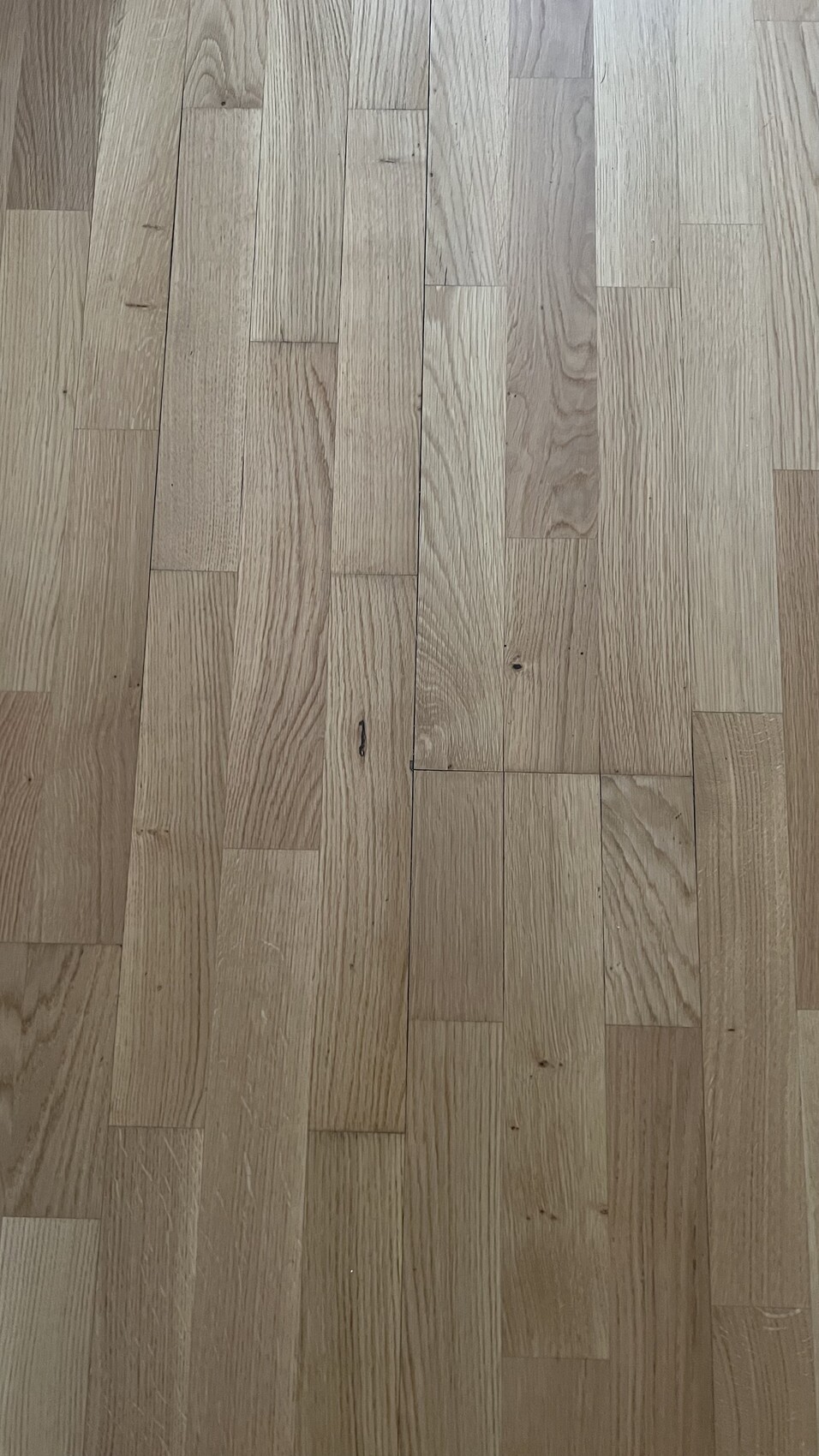
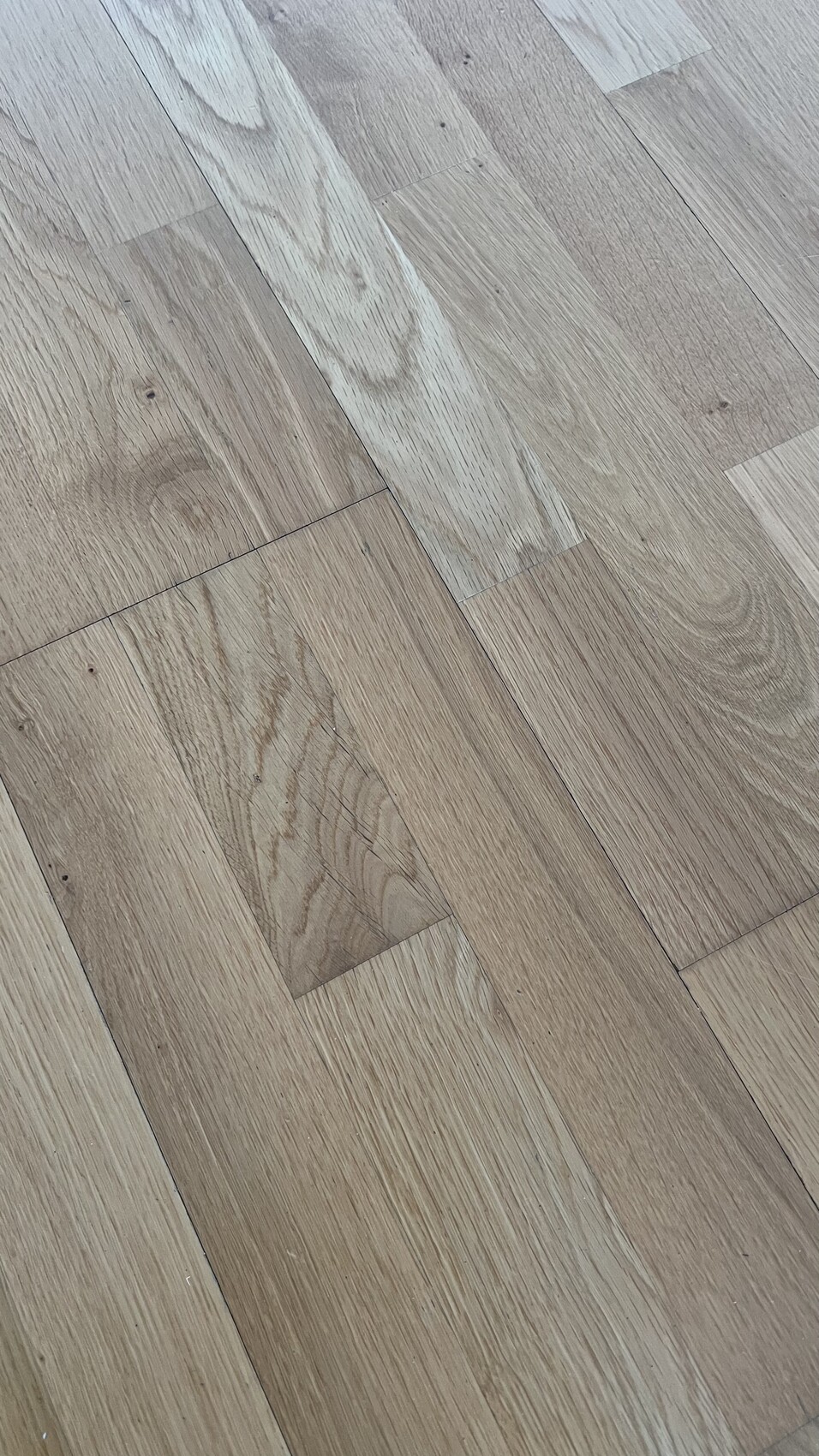

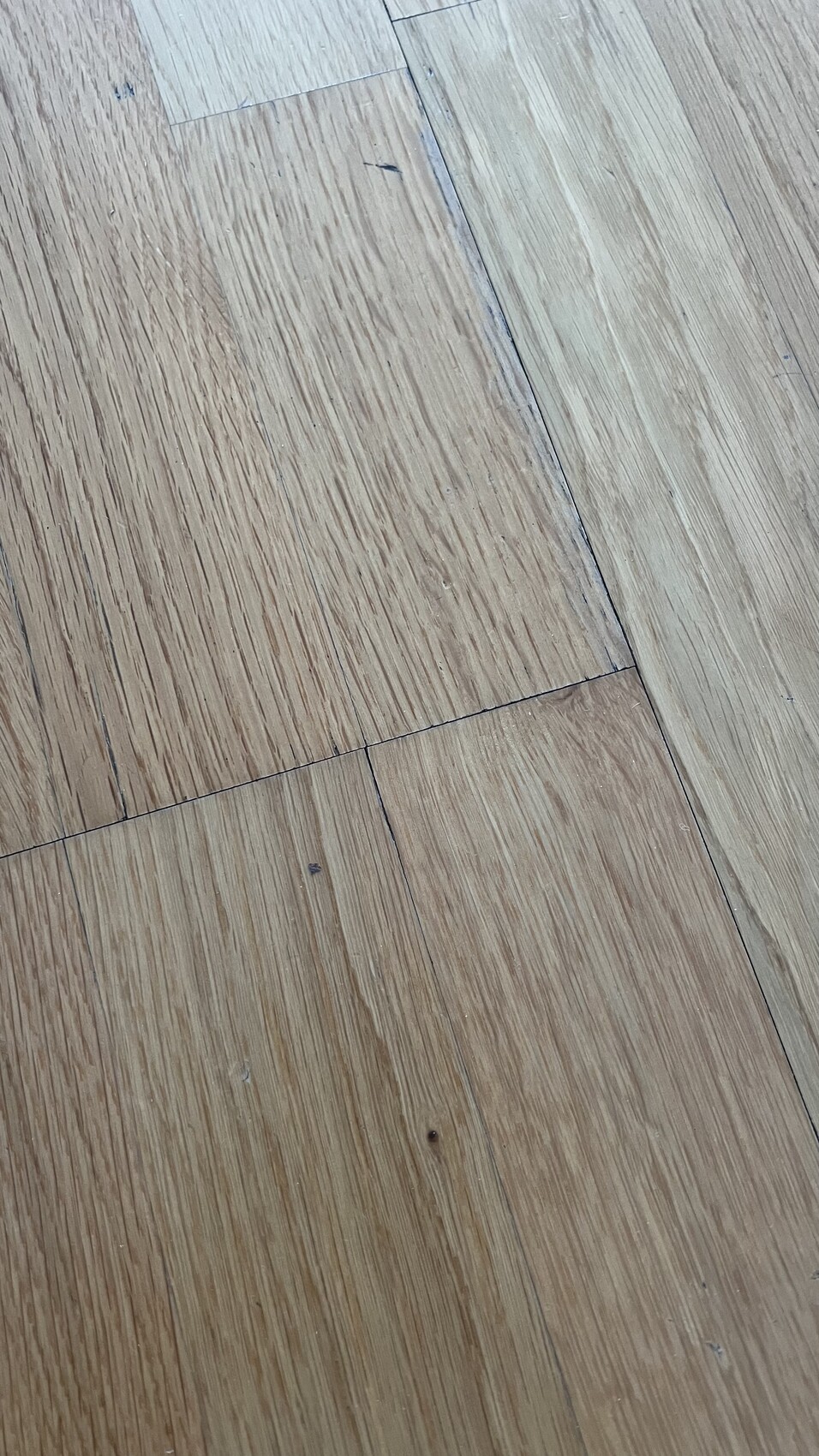
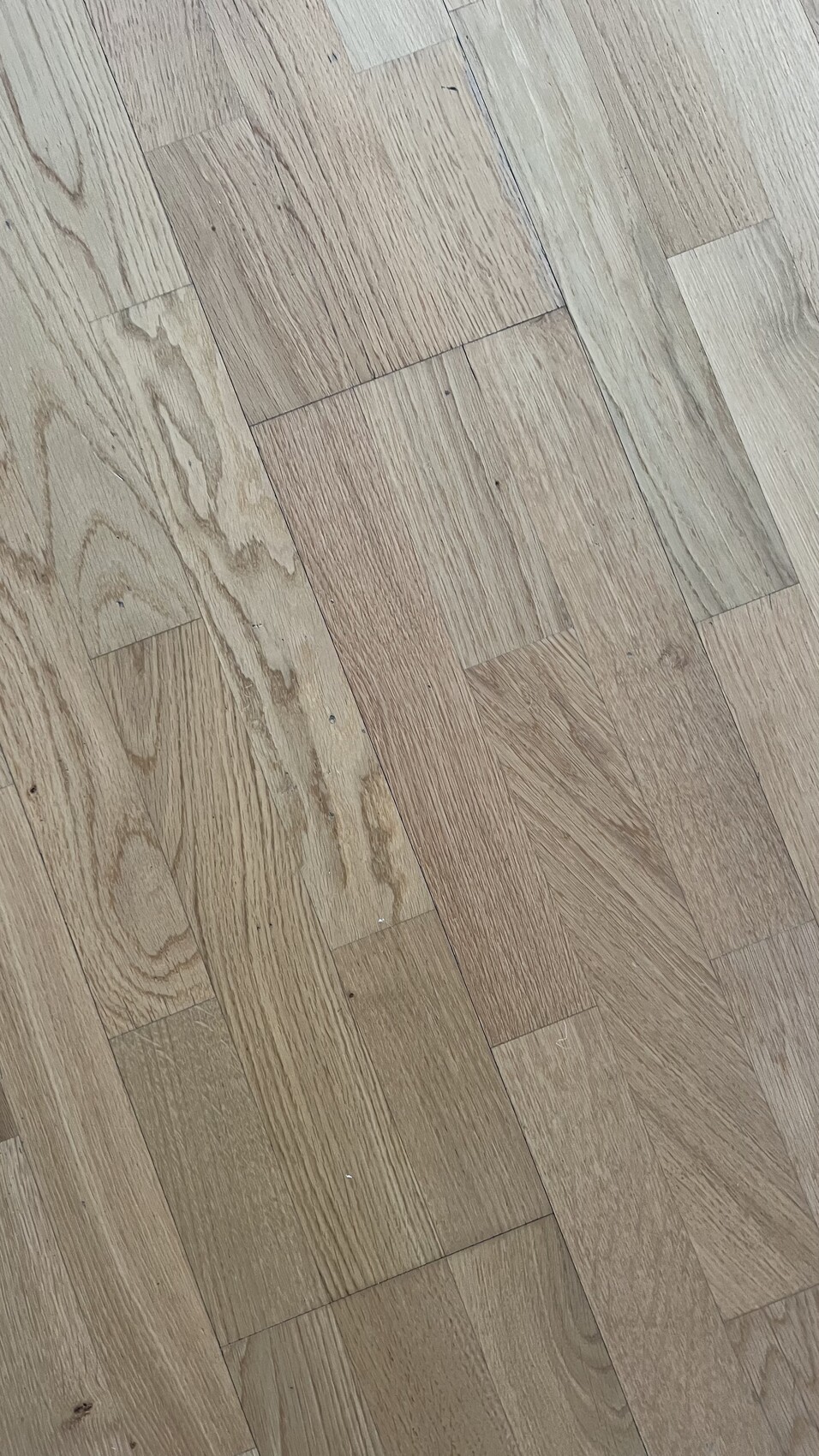
since this heating season, our parquet flooring has developed wide gaps. We have underfloor heating, the room temperature is set to 21 degrees Celsius (70°F), and the humidity is about 37%. The gaps are especially noticeable in rooms where the heating is set to levels 3-4. In other rooms, the underfloor heating is turned off, and there the gap formation is much less pronounced.
We have lived in the apartment for two years, and this was not noticeable during the previous heating season.
What could be the cause? Does anyone have an idea? Is the humidity too low? Has the parquet "dried out"? Is it still possible to "fix" this? Should we use a humidifier? Can the gaps close again?

I am not an absolute expert in parquet and flooring like KlaRa, but I don’t see anything unusual here. The parquet looks as expected. Yes, it does seem quite dry. However, it is completely within the normal range. A movement of 0.5-1mm (0.02-0.04 inches) after 8 years is, in my opinion, not a bad result. Wood shrinks with heat and dry air in winter and should look somewhat better again in summer.
 ateliersiegel29 Jan 2023 08:08
Mycraft schrieb:
should look somewhat better again in the summerI believe that is the crucial point.
The gaps don't just form because wood shrinks when it dries out; they also close up again as it expands due to higher humidity. This is normal for wood, and no one is to "blame."

Hello questioner.
There is almost nothing more to add than what "Zubi123" has already written.
From what I can interpret from the photos, the parquet elements belong to engineered wood flooring (previously called prefinished parquet).
The gaps are minimal, considering the time of year!
We can only talk about “noticeably wide” gaps in nailed wood flooring in winter, when gaps between 5 to 10mm (0.2 to 0.4 inches) sometimes occur.
(In glued parquet, the gaps are much smaller due to the rear side restricting length changes. But after drying, gaps are generally not a problem; see the note below.)
Now, the gap width you described—up to 0.5mm (0.02 inches) in glued engineered wood planks—is not always avoidable. However, the indoor relative humidity of 37% is very low for wood and wood-based materials (including chipboard or OSB panels). This is indeed harmful if such indoor climate persists over a longer period.
The person responsible for this, in this case, a rental property, is the tenant!
If permanent low humidity causes delamination between the core layer and the top layer of the engineered wood flooring (which is quite possible), an expert assessment would hold the responsible party liable. Ultimately, they bear the damage.
"Zubi123" also mentioned using a humidifier.
That is an absolutely correct decision for both people and parquet flooring, even if you do not have parquet floors.
For decades, there have been questionable ideas that decorative indoor fountains or clay pipes filled with water hanging on radiators would help.
Mathematically, any significant effect caused by these is refutable—unless, in an average room size of 40m² (430 ft²), you had to refill between 3 to 6 liters (0.8 to 1.6 gallons) of water daily because the clay pipes or fountain would run dry.
This straightforward and understandable amount of water needed for daily refilling should convince you!
---------------------
The humidifier must be suited to the corresponding room size (better: the room volume).
VENTURA washers (air washers) have excellent efficiency and are available for a modest price. I bought one of these years ago at a large electronics store and was very satisfied for many years. You notice a convincing improvement in comfort right when entering the room, going from 35% to 60% relative humidity.
Best regards and a wise decision wishes: KlaRa
There is almost nothing more to add than what "Zubi123" has already written.
From what I can interpret from the photos, the parquet elements belong to engineered wood flooring (previously called prefinished parquet).
The gaps are minimal, considering the time of year!
We can only talk about “noticeably wide” gaps in nailed wood flooring in winter, when gaps between 5 to 10mm (0.2 to 0.4 inches) sometimes occur.
(In glued parquet, the gaps are much smaller due to the rear side restricting length changes. But after drying, gaps are generally not a problem; see the note below.)
Now, the gap width you described—up to 0.5mm (0.02 inches) in glued engineered wood planks—is not always avoidable. However, the indoor relative humidity of 37% is very low for wood and wood-based materials (including chipboard or OSB panels). This is indeed harmful if such indoor climate persists over a longer period.
The person responsible for this, in this case, a rental property, is the tenant!
If permanent low humidity causes delamination between the core layer and the top layer of the engineered wood flooring (which is quite possible), an expert assessment would hold the responsible party liable. Ultimately, they bear the damage.
"Zubi123" also mentioned using a humidifier.
That is an absolutely correct decision for both people and parquet flooring, even if you do not have parquet floors.
For decades, there have been questionable ideas that decorative indoor fountains or clay pipes filled with water hanging on radiators would help.
Mathematically, any significant effect caused by these is refutable—unless, in an average room size of 40m² (430 ft²), you had to refill between 3 to 6 liters (0.8 to 1.6 gallons) of water daily because the clay pipes or fountain would run dry.
This straightforward and understandable amount of water needed for daily refilling should convince you!
---------------------
The humidifier must be suited to the corresponding room size (better: the room volume).
VENTURA washers (air washers) have excellent efficiency and are available for a modest price. I bought one of these years ago at a large electronics store and was very satisfied for many years. You notice a convincing improvement in comfort right when entering the room, going from 35% to 60% relative humidity.
Best regards and a wise decision wishes: KlaRa
Similar topics