
Hello everyone,
Please only serious and helpful responses. If possible, without any sarcasm. ;-)
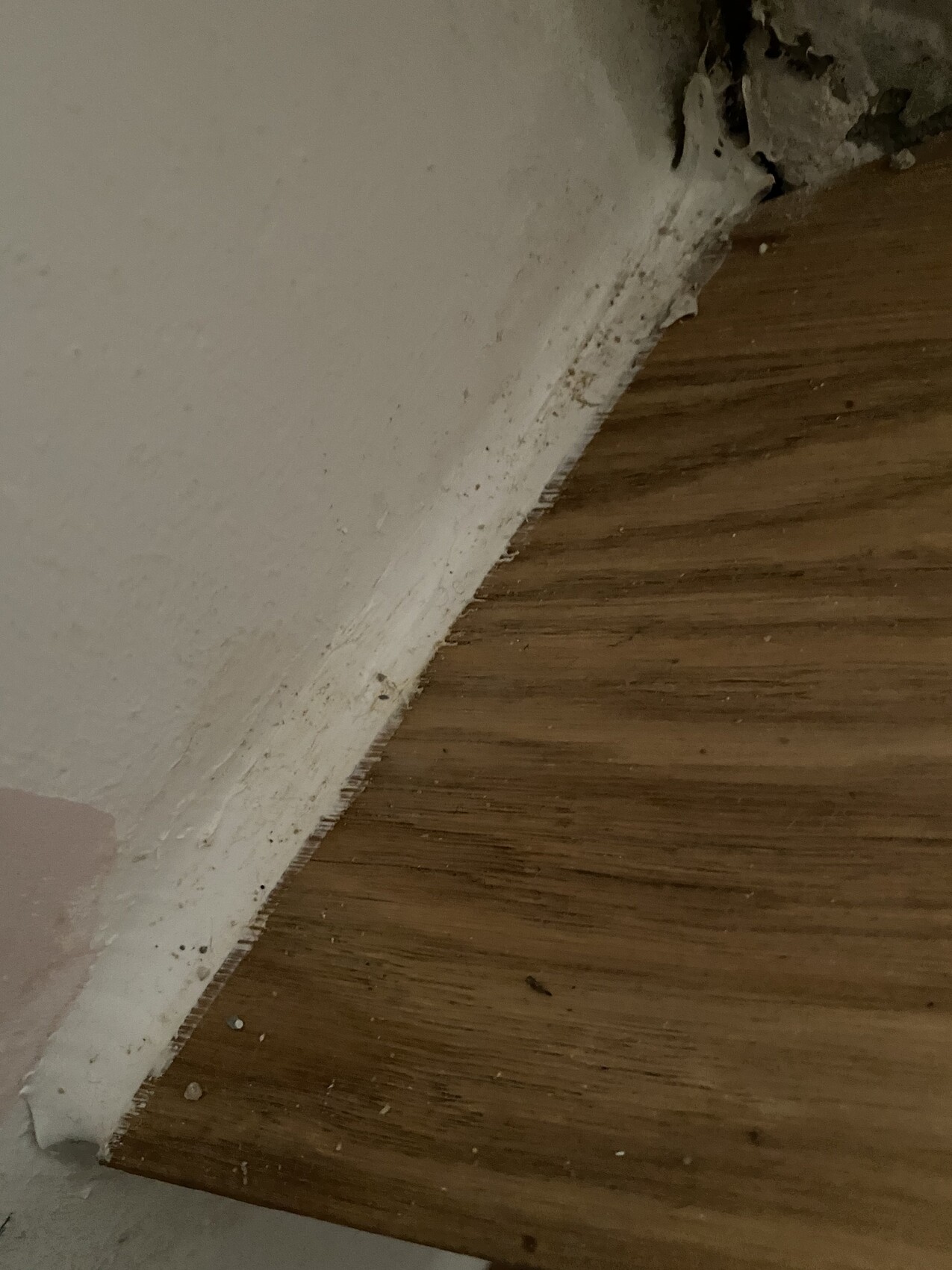
Shortly before Christmas, the carpenter created an absolute silicone disaster with the joints on the oak stair treads. In short, this is unacceptable and cannot be dismissed as just a “tolerance issue.”
How do you assess this, and is there any way to fix it? Because the silicone is no longer simply removable from the wood.
Many thanks in advance,
Michael
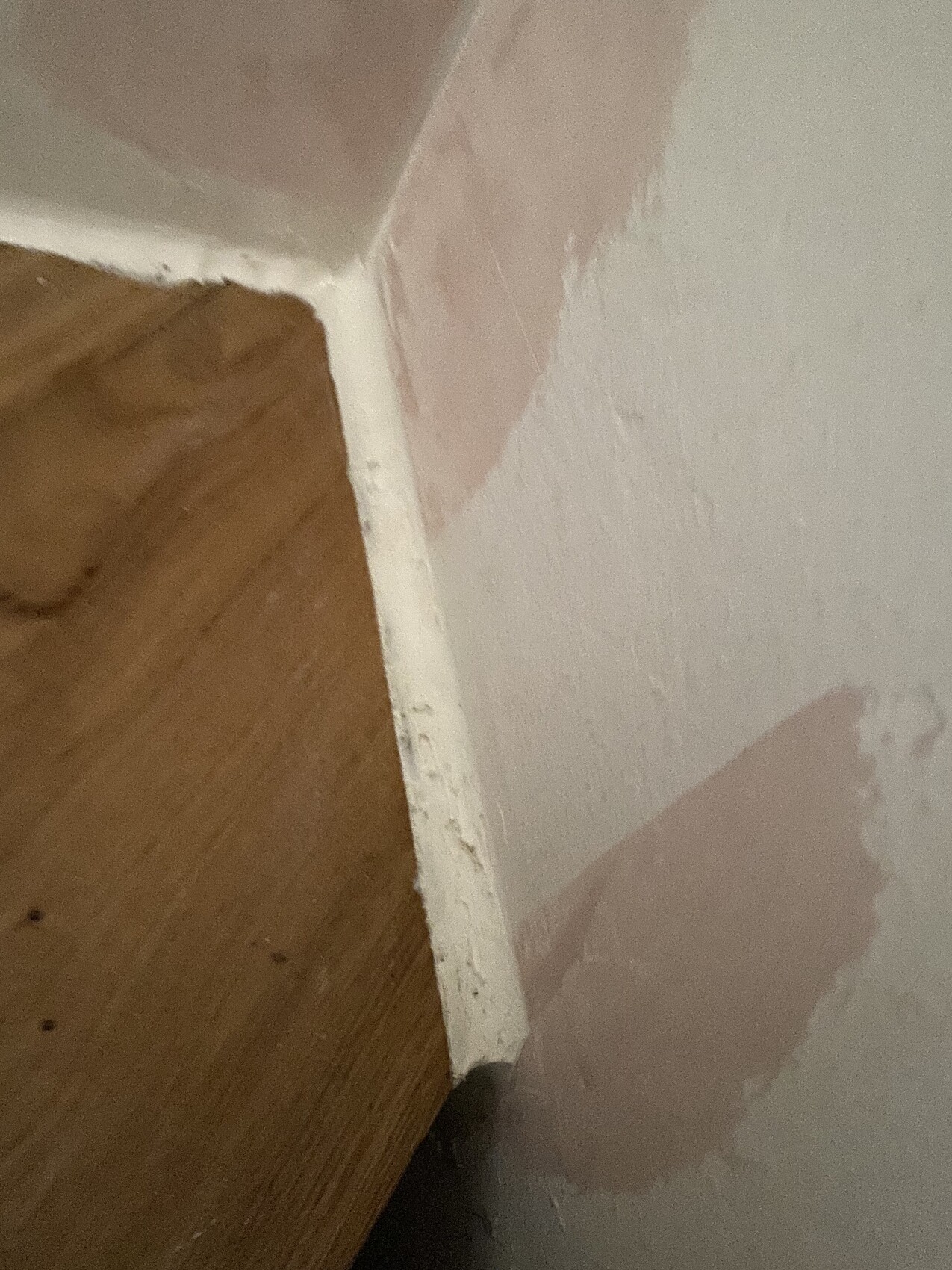
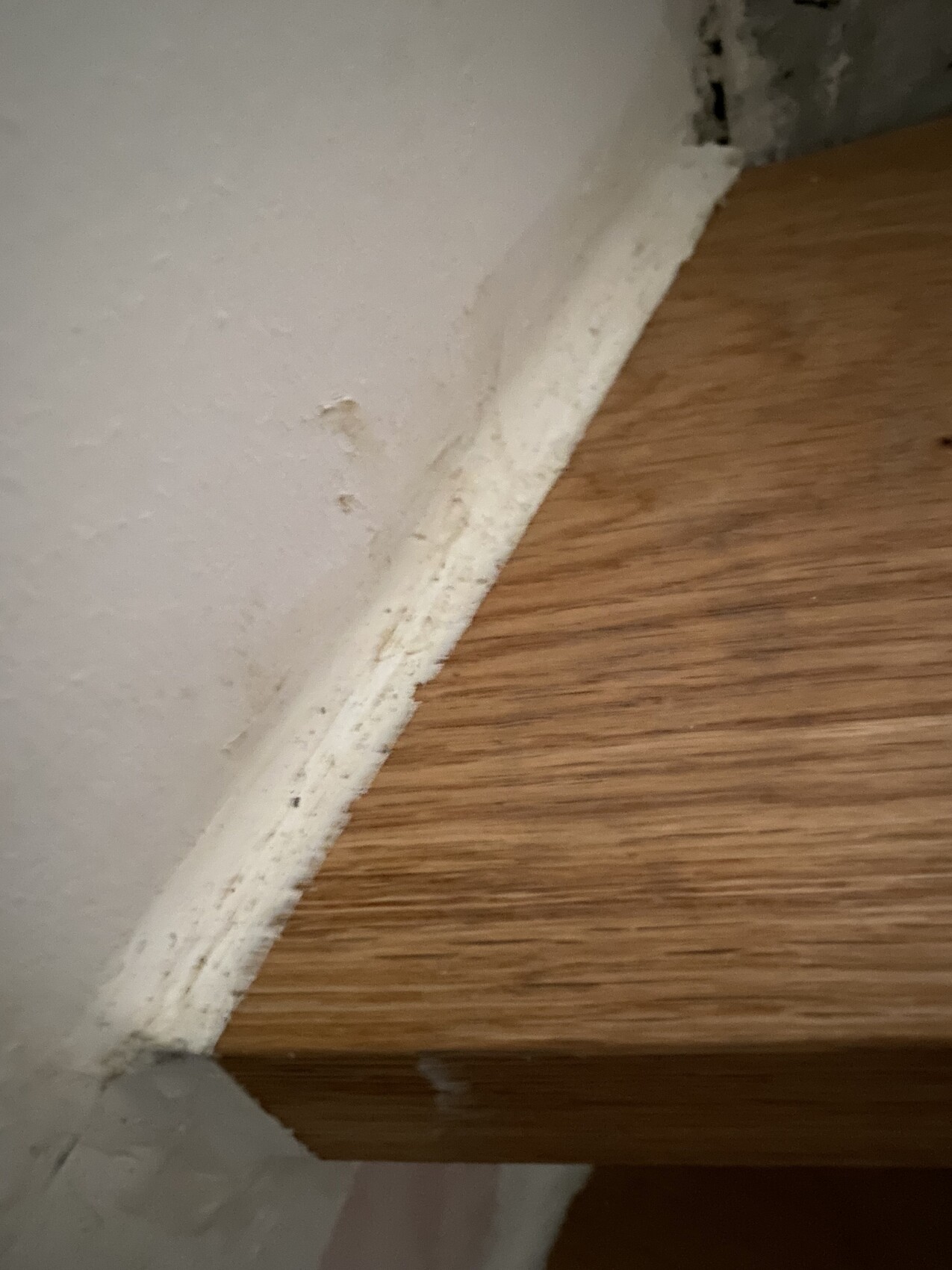
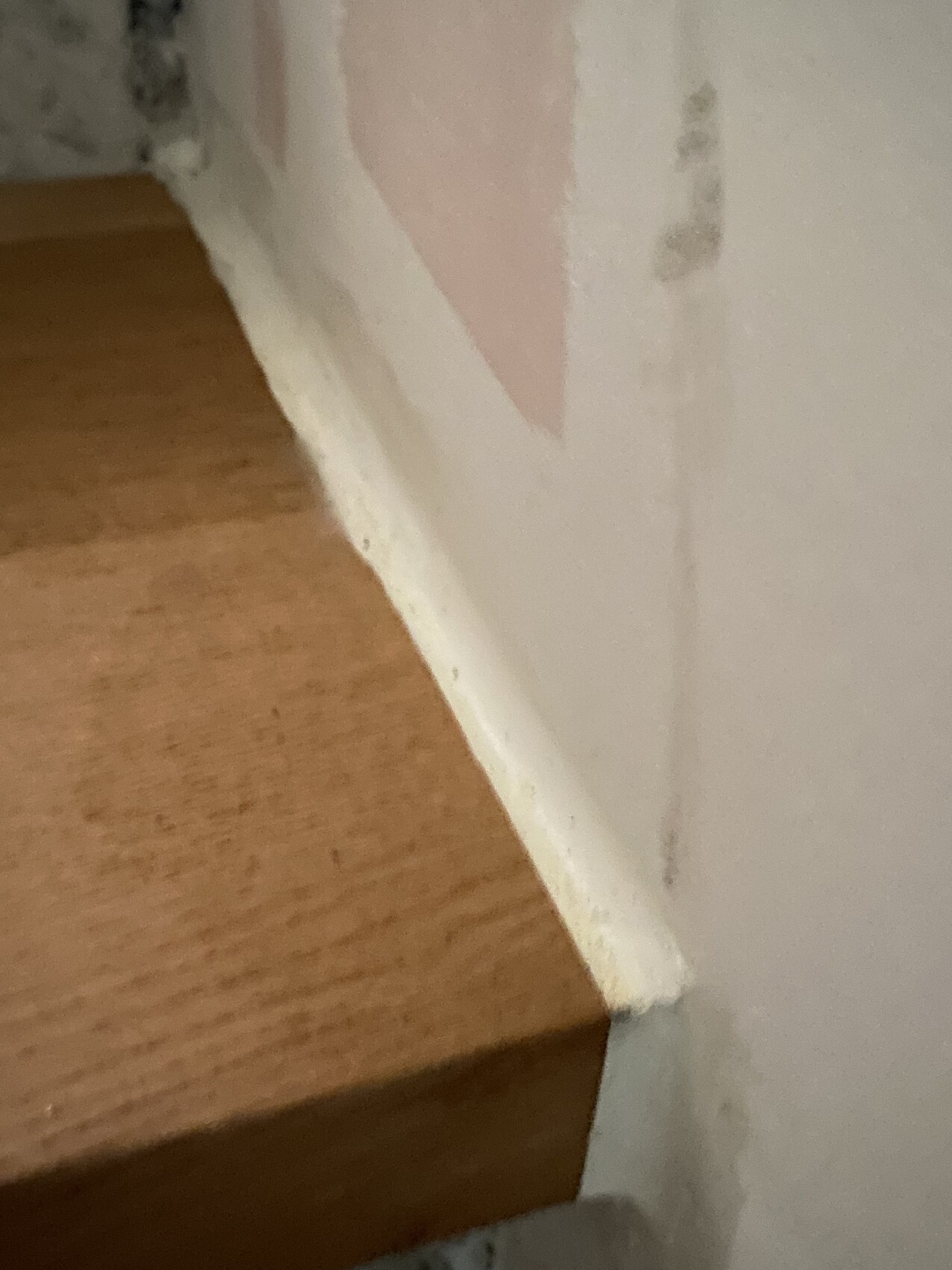
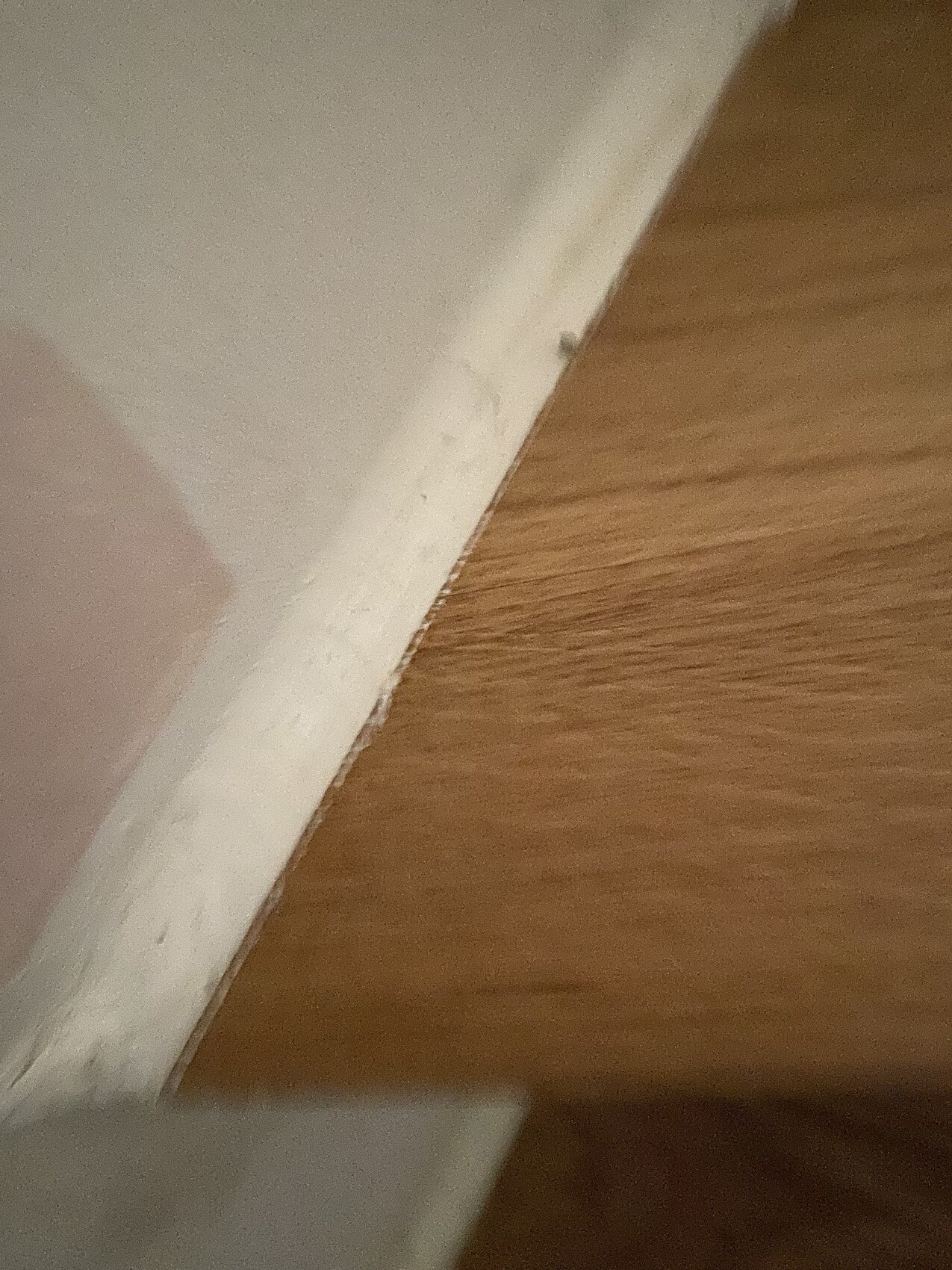
Please only serious and helpful responses. If possible, without any sarcasm. ;-)
Shortly before Christmas, the carpenter created an absolute silicone disaster with the joints on the oak stair treads. In short, this is unacceptable and cannot be dismissed as just a “tolerance issue.”
How do you assess this, and is there any way to fix it? Because the silicone is no longer simply removable from the wood.
Many thanks in advance,
Michael
 HausiKlausi15 Jan 2022 21:31
Wow, that’s really intense. Is this a new build or a renovation? Will anything be added to the wall to cover that huge joint? Why was this even done? I would try to carefully remove it with a utility knife and then finish it nicely with trim or baseboards (try searching for stairs + baseboards for ideas). It can be made to look good again.
HausiKlausi schrieb:
Wow, that’s really intense. Is this a new build or a renovation? Will anything be added to the wall to cover this ultra-large joint? Why was it done like this in the first place? I would try to remove it as best as possible with a utility knife – then finish it neatly with edge or baseboards (try searching for stairs + baseboards). It can be made to look nice again.It’s a new build. The wall has only been skim-coated so far and will be painted later. This was intentional. I just think that just because I make the stair tread too short, I shouldn’t compensate with silicone. The question is: once silicone is in the wood, won’t it be very difficult to get it out again because of the pores? The last option would be wiping strips, but I never wanted that.
HausiKlausi15 Jan 2022 21:59Hard to say. It might be possible to lightly sand and re-oil the affected areas where silicone was removed. The main issue is likely that grease components from the silicone may have penetrated and caused stains. However, I would first get the carpenter involved and ask how he envisions the solution. The fact that there appears to be several centimeters (inches) of gap between the wall and the step is not only questionable from an aesthetic standpoint but could also be considered a defect. In a new build, I wouldn’t even try to fix that myself.
HausiKlausi schrieb:
It's hard to say. Maybe it’s possible to lightly sand and re-oil the affected areas where the silicone was removed. The main issue will likely be that grease from the silicone has penetrated and caused stains. But I would first get the carpenter involved and ask how he envisions the solution. The fact that there is apparently several centimeters (inches) of gap between the wall and the step is not only visually questionable but could ultimately be considered a defect. For a new build, I wouldn’t start trying to fix that myself. Personally, I wouldn’t do anything there. The problem is that the carpenter currently considers his work acceptable.
HausiKlausi15 Jan 2022 22:23Since I only own existing properties myself, new builders would need to weigh in on how to proceed here. It is always said that construction must follow the generally accepted standards of technology that a client can reasonably expect. Appearance and design are usually not or rarely included in these standards (which, in this case, might still warrant practicing the joint for three years as a penalty). However, if there is an attempt to hide the fact that the steps are significantly too short, this could definitely result in a relevant defect affecting structural integrity and safety.
Similar topics