
C
christian82_23 Jan 2017 17:23Dear community,
We have purchased a terraced house that is being built through a construction coordinator. We are buying it as a turnkey property. The situation is as follows:
On December 31, 2016, we visited the house. In the attic, which is planned to be converted, we noticed small, partially dried puddles on the floor. See photos attached.
The gray material is probably the underlay membrane. Along the seam between two sheets, there appears to have been dripping.
It rained two to three days before the photos were taken. The roof is already covered, but the insulation has not yet been installed.
The construction coordinator has not yet commented on this and is apparently on vacation until next week. What is your assessment?
Best regards and many thanks
chris82_2
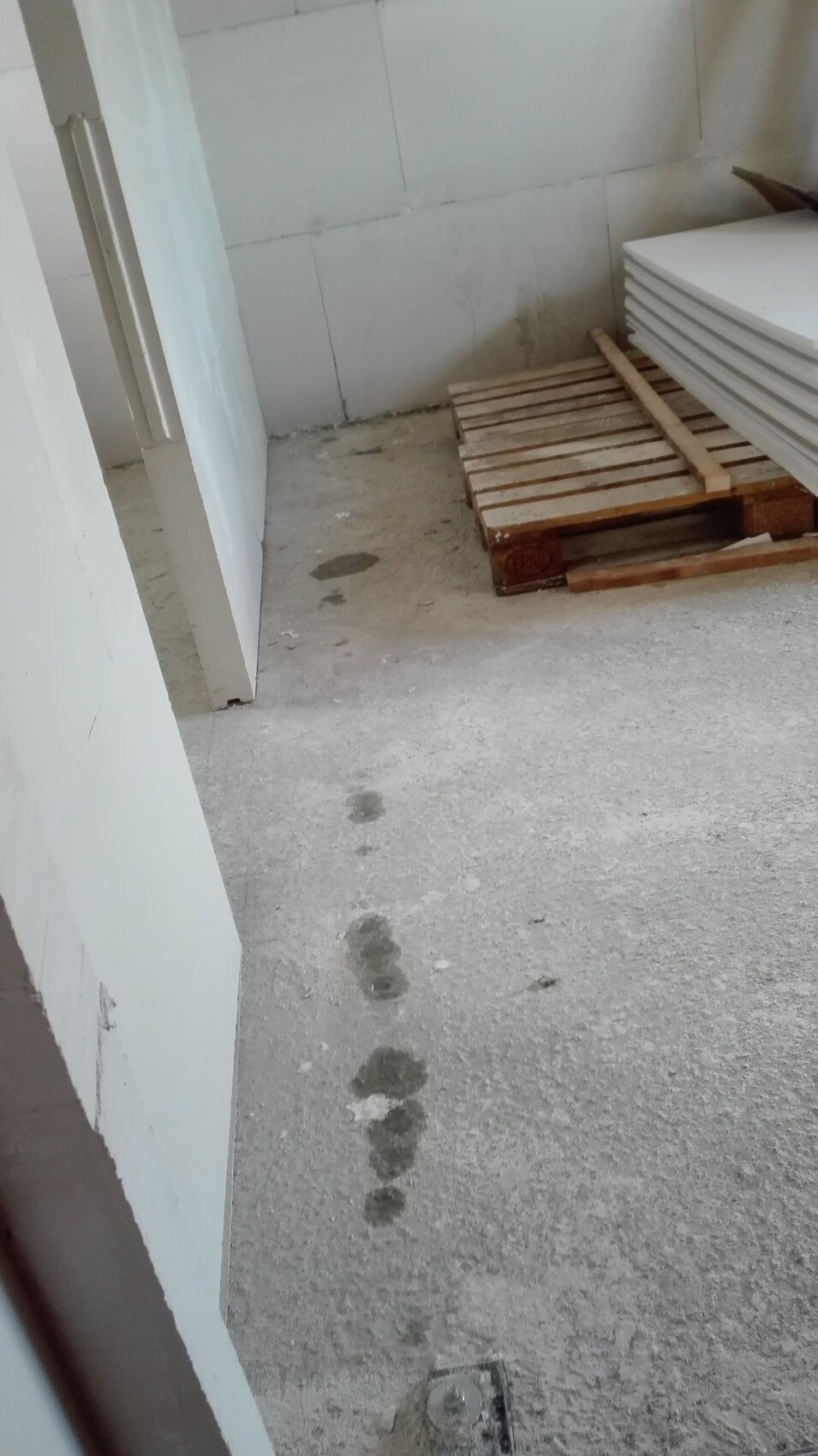
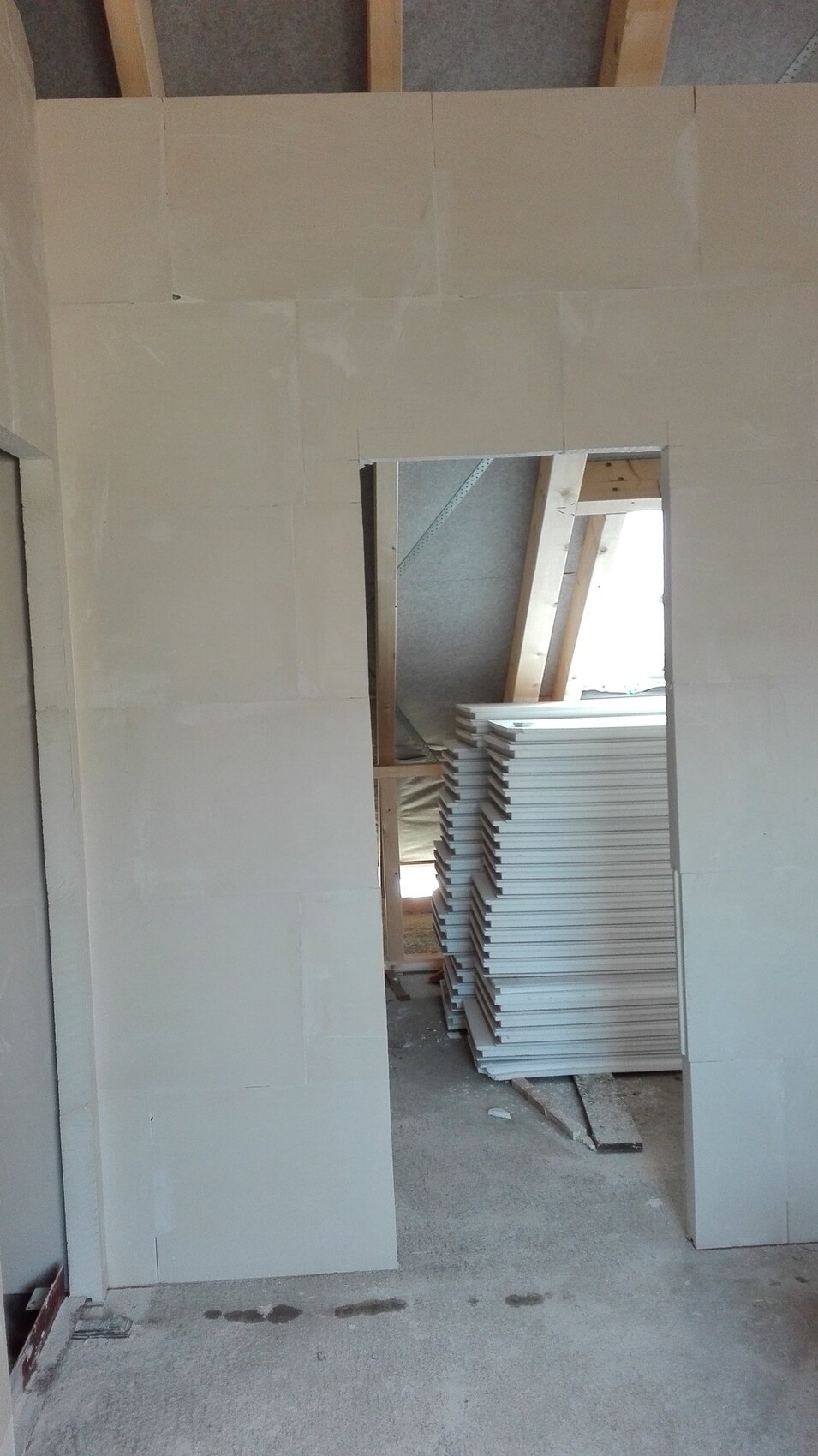

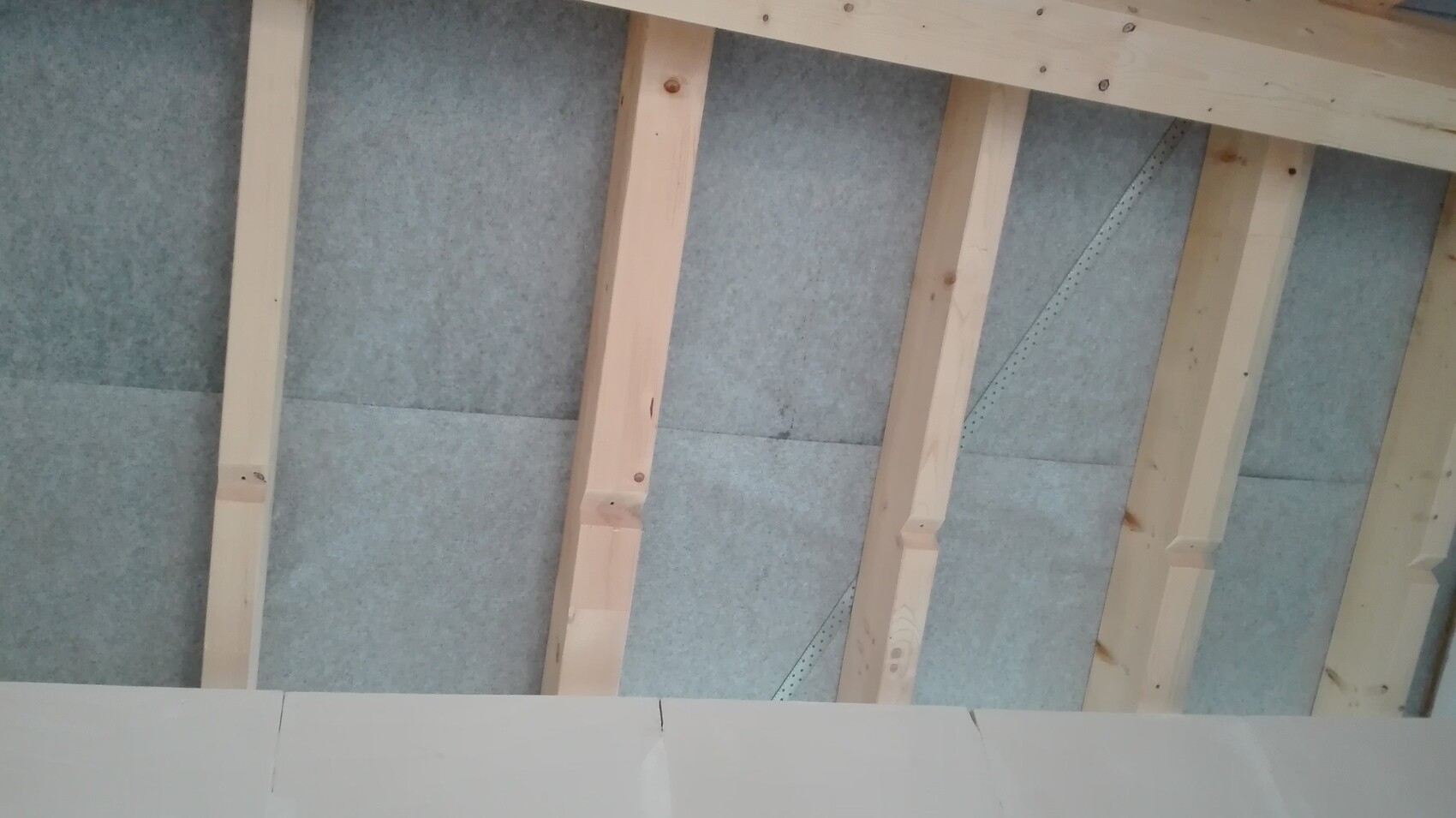
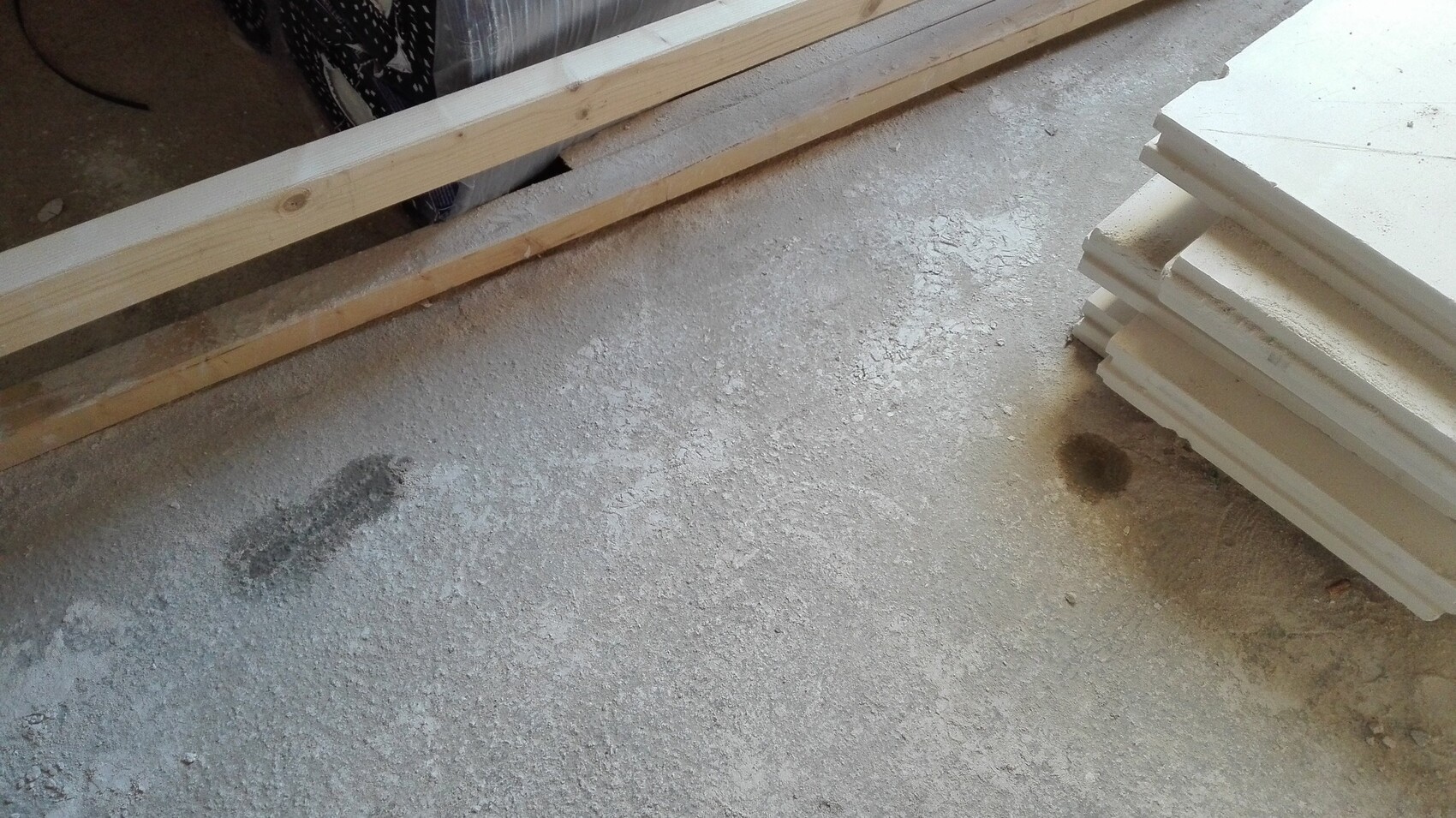

We have purchased a terraced house that is being built through a construction coordinator. We are buying it as a turnkey property. The situation is as follows:
On December 31, 2016, we visited the house. In the attic, which is planned to be converted, we noticed small, partially dried puddles on the floor. See photos attached.
The gray material is probably the underlay membrane. Along the seam between two sheets, there appears to have been dripping.
It rained two to three days before the photos were taken. The roof is already covered, but the insulation has not yet been installed.
The construction coordinator has not yet commented on this and is apparently on vacation until next week. What is your assessment?
Best regards and many thanks
chris82_2
K
Knallkörper3 Jan 2017 17:47Most likely, the construction moisture condensed on the roofing underlay, right? At the edge or overlap, the water then dripped off. If I were you, I would check whether the membrane is properly sealed there.
The upper floor ceiling including insulation is still missing. Currently, the warmer, moist indoor air rises and cools down there, causing condensation and dripping. If the attic is not insulated, it must be completely separated from the insulated area. Access should only be through an insulated attic hatch, which must ALWAYS remain closed. There are many cases of mold damage caused by an open attic hatch. Of course, it’s fine to use the attic and spend some time up there occasionally, but leaving it open overnight is not a good idea.
Of course, the roof could also be leaking, which might not be immediately visible. During rain, stand outside and check if any water is coming in.
Of course, the roof could also be leaking, which might not be immediately visible. During rain, stand outside and check if any water is coming in.
C
christian82_24 Jan 2017 20:19Thank you for the helpful and initially very reassuring answers. The roof is going to be converted into living space. So insulation, a vapor barrier, and the ceiling are still missing.
Similar topics