
Hello everyone,
We are almost finished with our house, but recently when I was at a neighbor’s place, I noticed this:
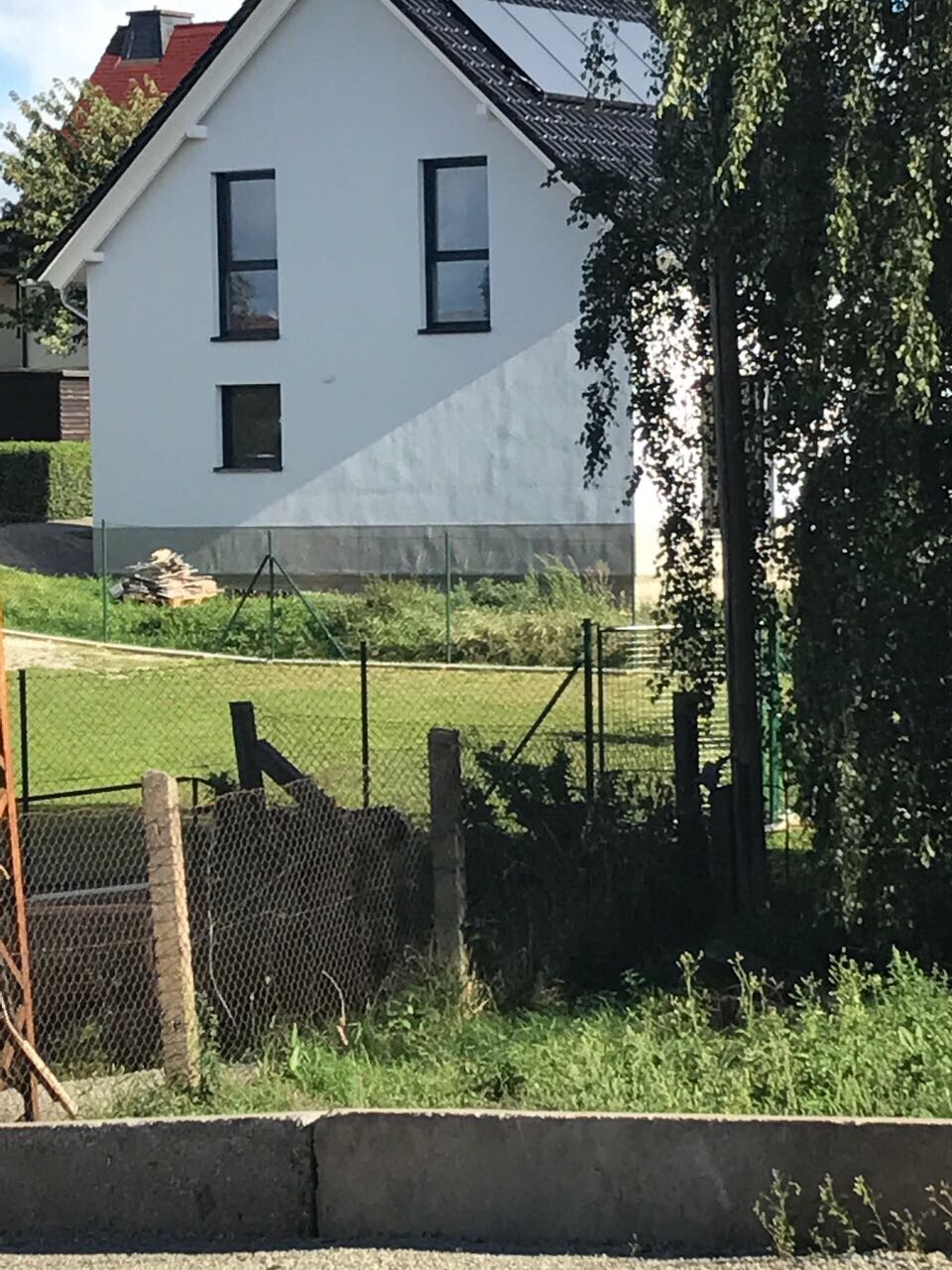
That made me suspicious, so I checked again at night with a spotlight, and this is what I found:
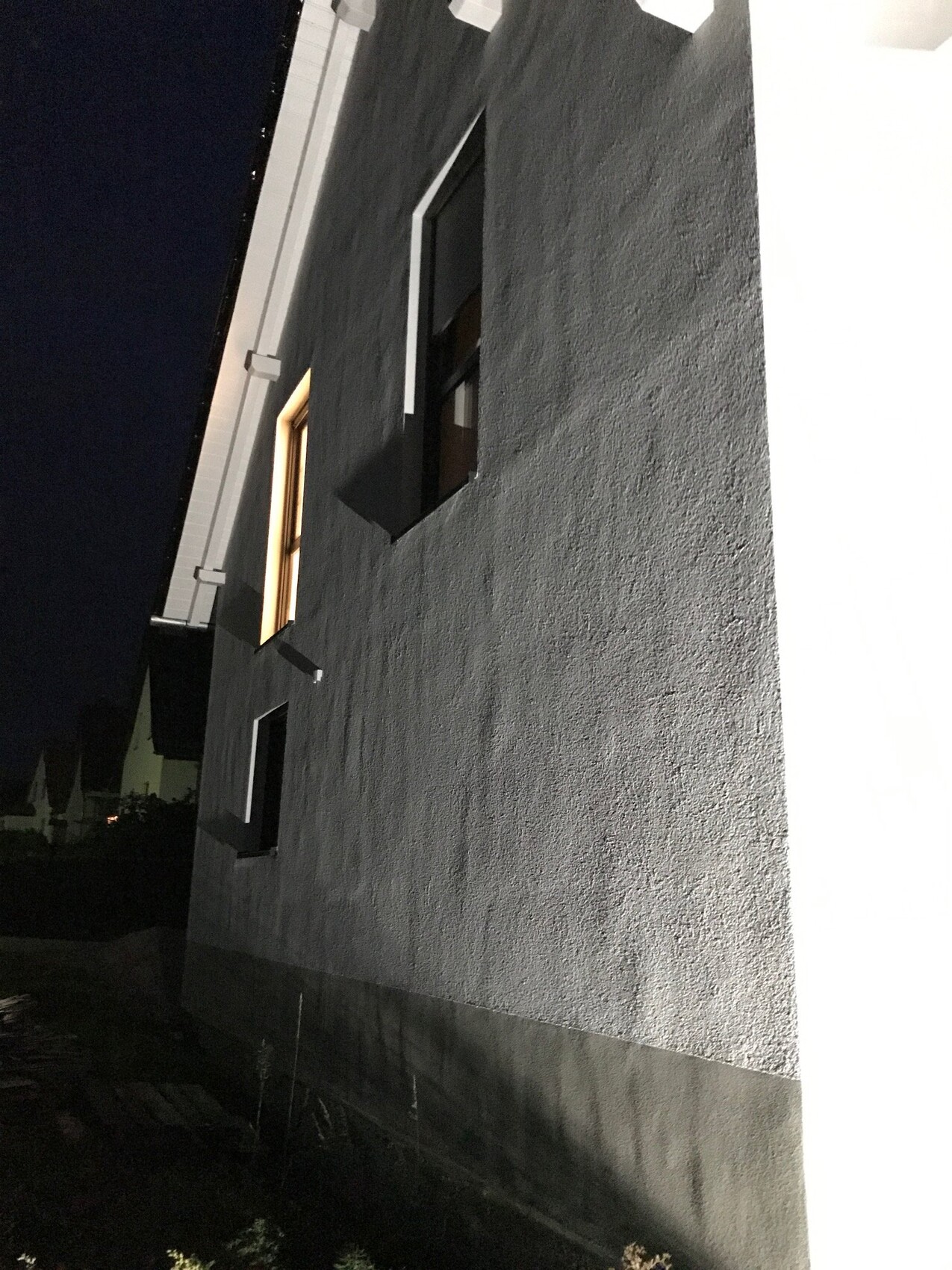
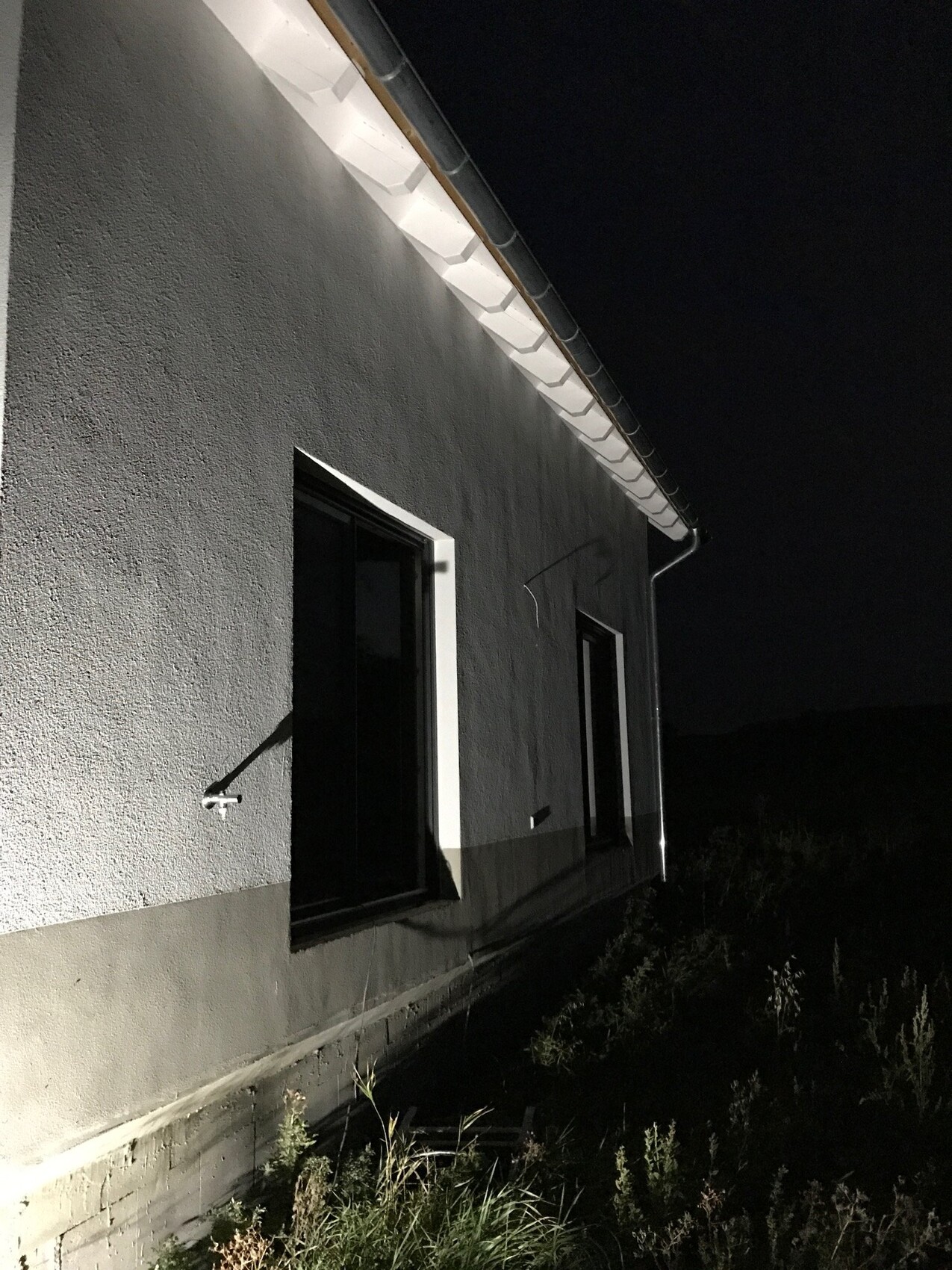
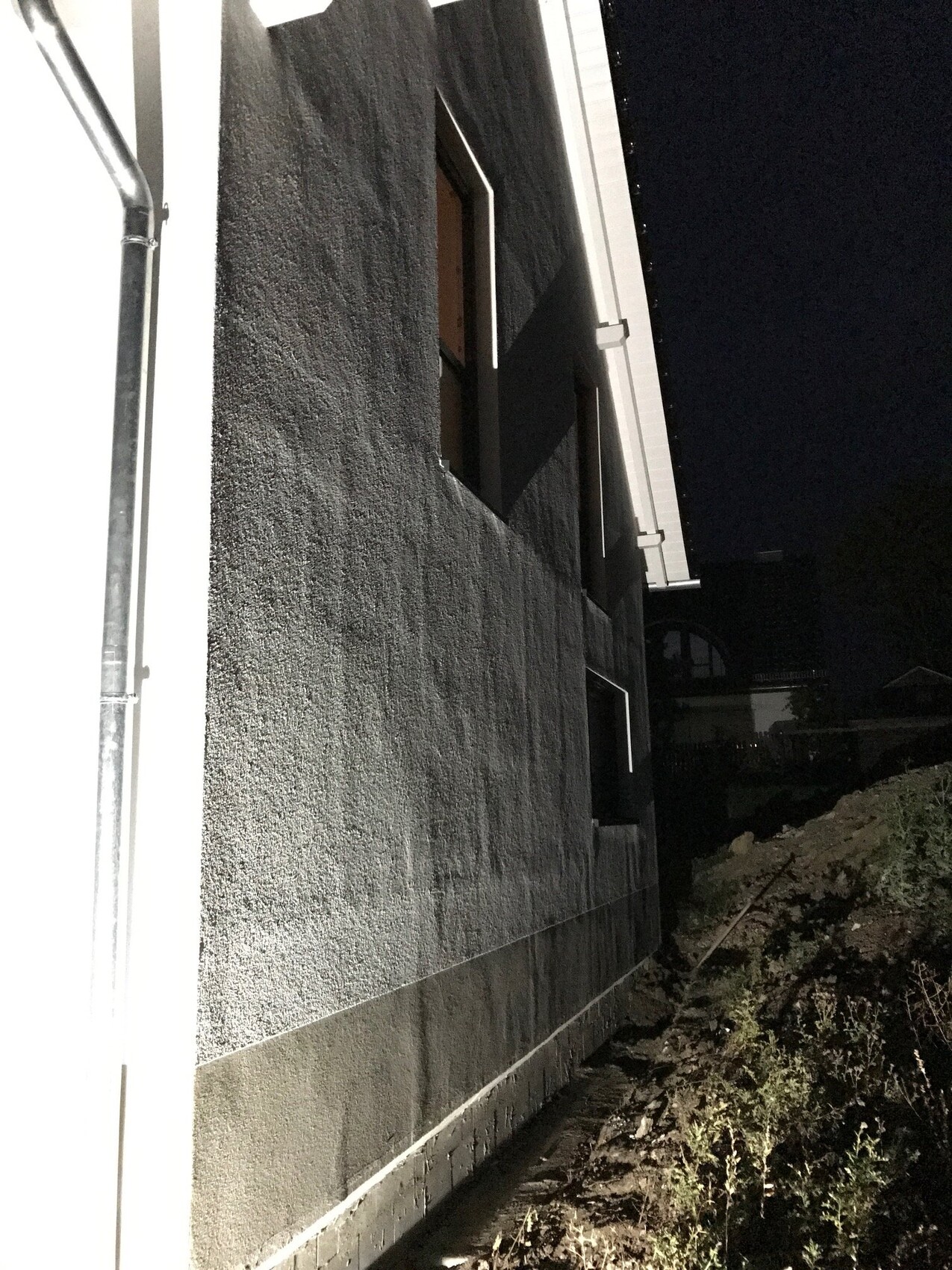
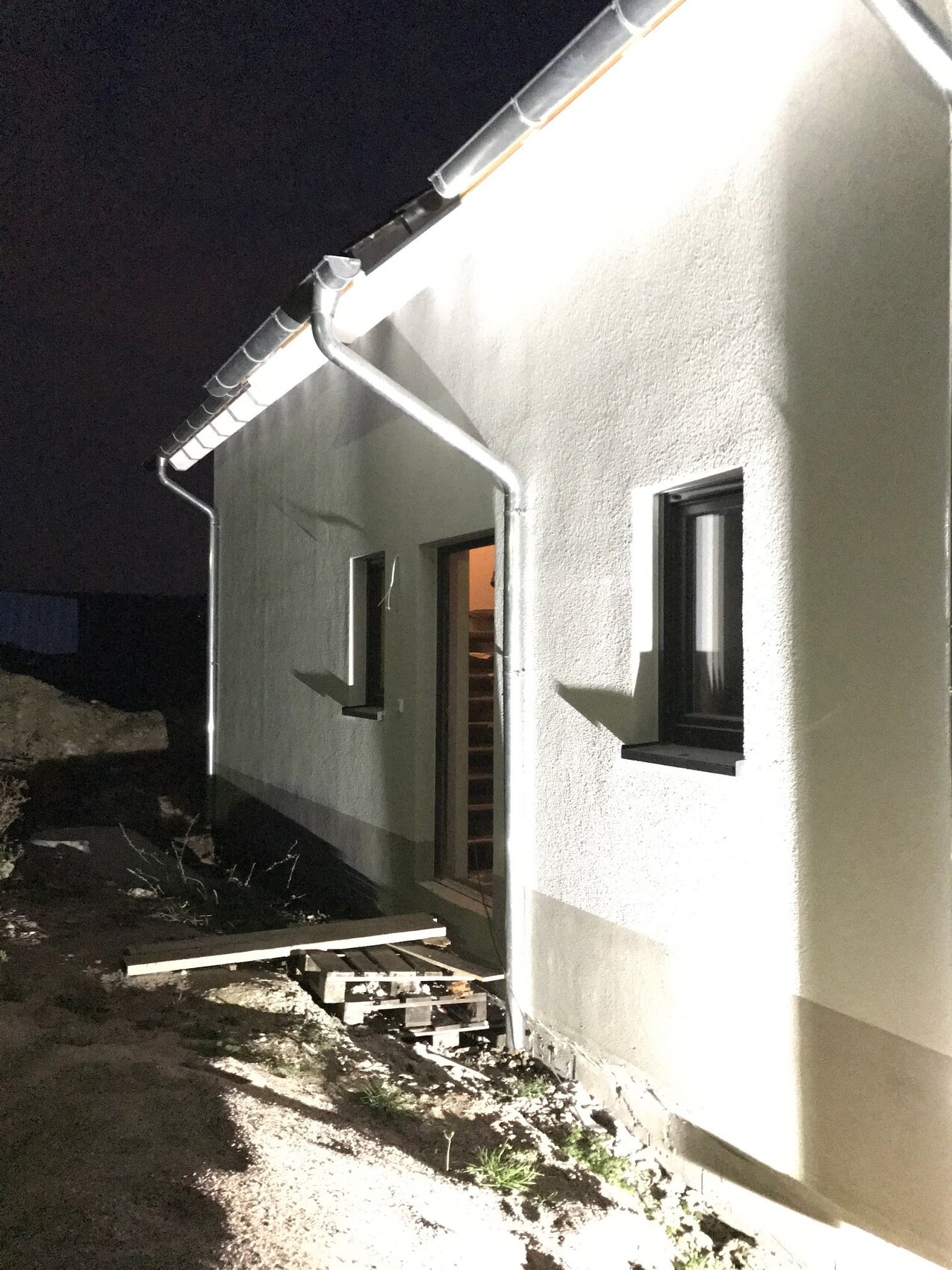
Two acquaintances of mine who work for a painting company, and another who works for a drywall company, told me that we should have had this redone.
At the moment, I am still waiting for a statement from my builder.
A friend who has a similar issue and built with the same company was dismissed with: “It’s due to the exposed location and the strip lighting.”
Am I being too picky, or is this really poor workmanship?
Best regards & thanks
We are almost finished with our house, but recently when I was at a neighbor’s place, I noticed this:
That made me suspicious, so I checked again at night with a spotlight, and this is what I found:
Two acquaintances of mine who work for a painting company, and another who works for a drywall company, told me that we should have had this redone.
At the moment, I am still waiting for a statement from my builder.
A friend who has a similar issue and built with the same company was dismissed with: “It’s due to the exposed location and the strip lighting.”
Am I being too picky, or is this really poor workmanship?
Best regards & thanks

Tom1607 schrieb:
Hello,
the problem with ETICS (External Thermal Insulation Composite Systems) is that you can always see EVERY panel. No matter how good they are, this will always be the case. Since only about a 5mm (0.2 inch) thick layer of render is applied, every small unevenness is visible. With a normally rendered house, you have 1-2cm (0.4-0.8 inch) where much more is leveled out. Take a walk through a newly built residential area and look at the facades in grazing light. You can immediately tell which ones have ETICS and which were built with solid construction.
I don’t think you will achieve much here, but it’s worth a try...
Let us know what you find out.
Regards,
TomNot trying to defend ETICS fans, but this is nonsense. The workmanship here was extremely poor. The substrate was probably already uneven and therefore not suitable for adhering the panels. The next step would be sanding the panels to remove unevenness. Ultimately, the render can also be applied to smooth the surface.
The panels also usually don’t show through if stepped tongue-and-groove panels are used instead of butt-jointed ones. But a builder will often try to save the extra 300€ for that.
This is a defect that even a blind person would notice. Imagine what else the builder might have cut corners on that you can’t see so easily...
Also, this example has nothing to do with grazing light. Grazing light is the enemy of every large rendered area. What you see here is visible even in normal daylight.
Hello,
In my opinion, if someone builds with 24cm (9.5 inches) Ytong blocks and external thermal insulation composite system (ETICS), you can only say it doesn’t get any dumber than that...
If using ETICS, then calcium silicate blocks would be better, but as mentioned, ETICS façades are ALWAYS noticeable. Maybe not as extreme as in the original post, but you will always see it. Even when using boards with tongue-and-groove edges, you can still see it because that’s simply the nature of the system—the tongue-and-groove edges don’t prevent the boards from tilting during installation. The usual plasterer only applies one coat of skim. If you apply it twice, you can achieve a better result, but it will still be visible. I spend a lot of time in new housing developments, and I can point out every house with ETICS—even if not as obvious as the one in the original post.
Alternatively, build with 36cm (14 inches) Ytong blocks WITHOUT ETICS—that way, this problem wouldn’t exist (that’s how I built).
Best regards,
Tom
In my opinion, if someone builds with 24cm (9.5 inches) Ytong blocks and external thermal insulation composite system (ETICS), you can only say it doesn’t get any dumber than that...
If using ETICS, then calcium silicate blocks would be better, but as mentioned, ETICS façades are ALWAYS noticeable. Maybe not as extreme as in the original post, but you will always see it. Even when using boards with tongue-and-groove edges, you can still see it because that’s simply the nature of the system—the tongue-and-groove edges don’t prevent the boards from tilting during installation. The usual plasterer only applies one coat of skim. If you apply it twice, you can achieve a better result, but it will still be visible. I spend a lot of time in new housing developments, and I can point out every house with ETICS—even if not as obvious as the one in the original post.
Alternatively, build with 36cm (14 inches) Ytong blocks WITHOUT ETICS—that way, this problem wouldn’t exist (that’s how I built).
Best regards,
Tom
Reading the original poster’s questions here really shows where the problem lies. Not knowing how the general contractor or developer built the house but then wanting to claim a hidden defect.
- Is there a defect affecting the function? → A clear NO!
- Did you accept it? → A clear YES
- Does it look bad? → A clear YES
You really should have noticed something like that. Weren’t you on the construction site every day?
Ask people here whose windows were installed 10cm (4 inches) too low or who now have unexpected balcony steps whether they received any compensation at all.
We currently rent a 3.5-story solid house with external thermal insulation composite system (ETICS). The entire side is plastered so smoothly that I can’t see any unevenness, not even in the sunlight. Truly impressive.
- Is there a defect affecting the function? → A clear NO!
- Did you accept it? → A clear YES
- Does it look bad? → A clear YES
You really should have noticed something like that. Weren’t you on the construction site every day?
Ask people here whose windows were installed 10cm (4 inches) too low or who now have unexpected balcony steps whether they received any compensation at all.
We currently rent a 3.5-story solid house with external thermal insulation composite system (ETICS). The entire side is plastered so smoothly that I can’t see any unevenness, not even in the sunlight. Truly impressive.
@Tom1607
Ytong with external thermal insulation composite system (ETICS) is very cost-effective to construct and results in thin walls with high thermal insulation. This is understandable, but it might not be ideal for the homeowner.
This wall construction method is often mentioned here, for example by Town & Country or property developers.
Ytong with external thermal insulation composite system (ETICS) is very cost-effective to construct and results in thin walls with high thermal insulation. This is understandable, but it might not be ideal for the homeowner.
This wall construction method is often mentioned here, for example by Town & Country or property developers.