
Hello everyone,
We are almost finished with our house, but recently when I was at a neighbor’s place, I noticed this:
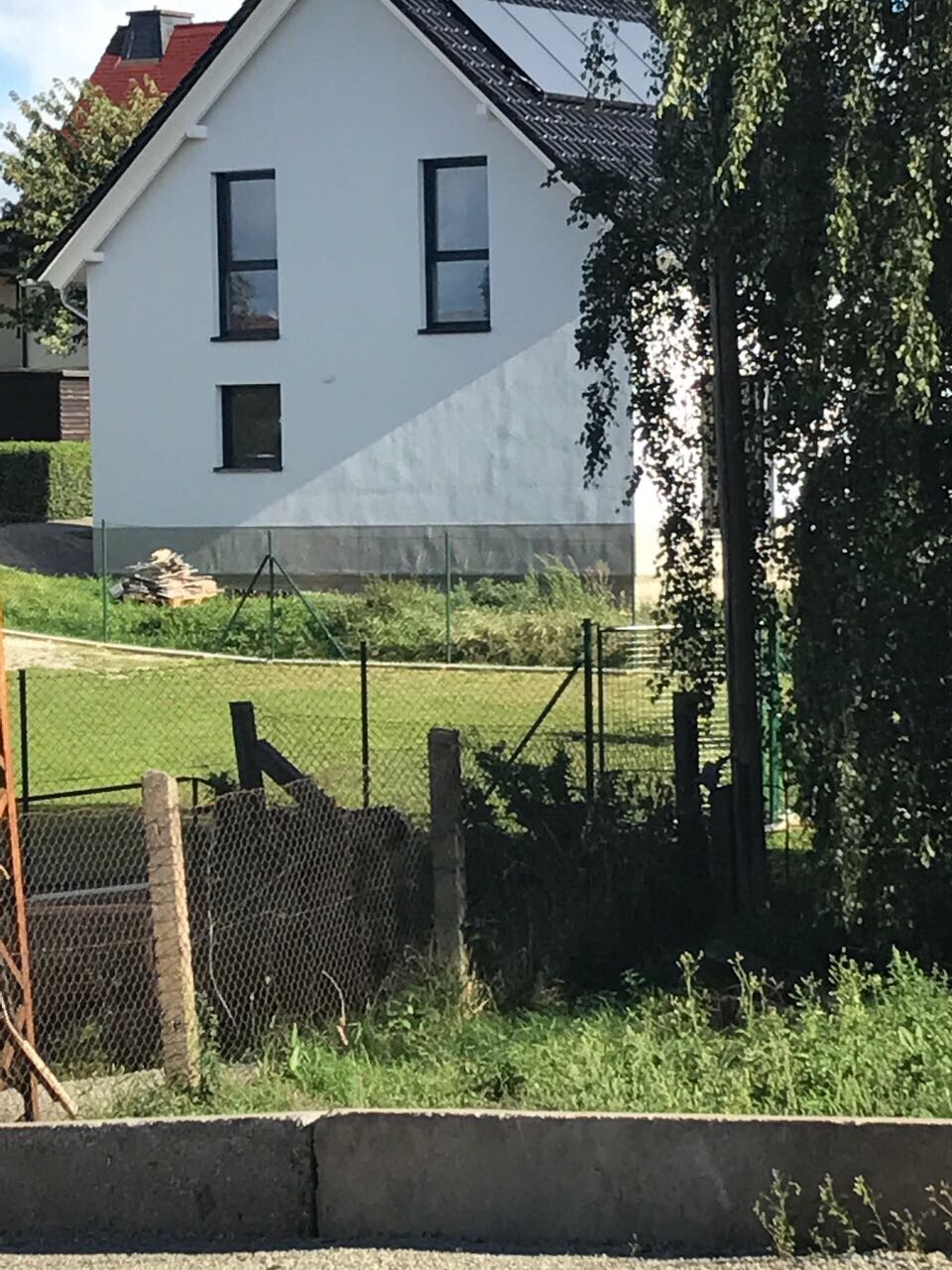
That made me suspicious, so I checked again at night with a spotlight, and this is what I found:
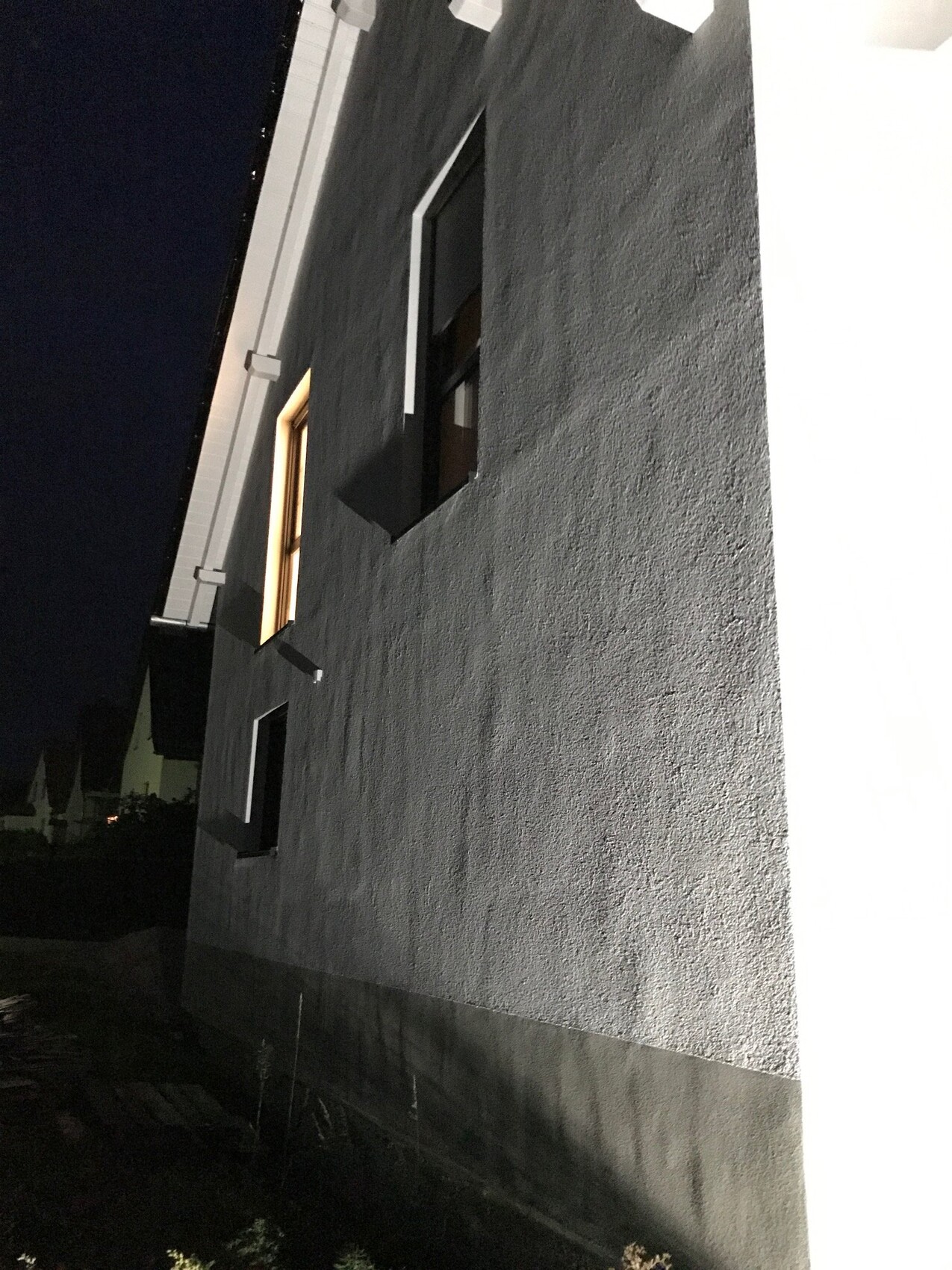
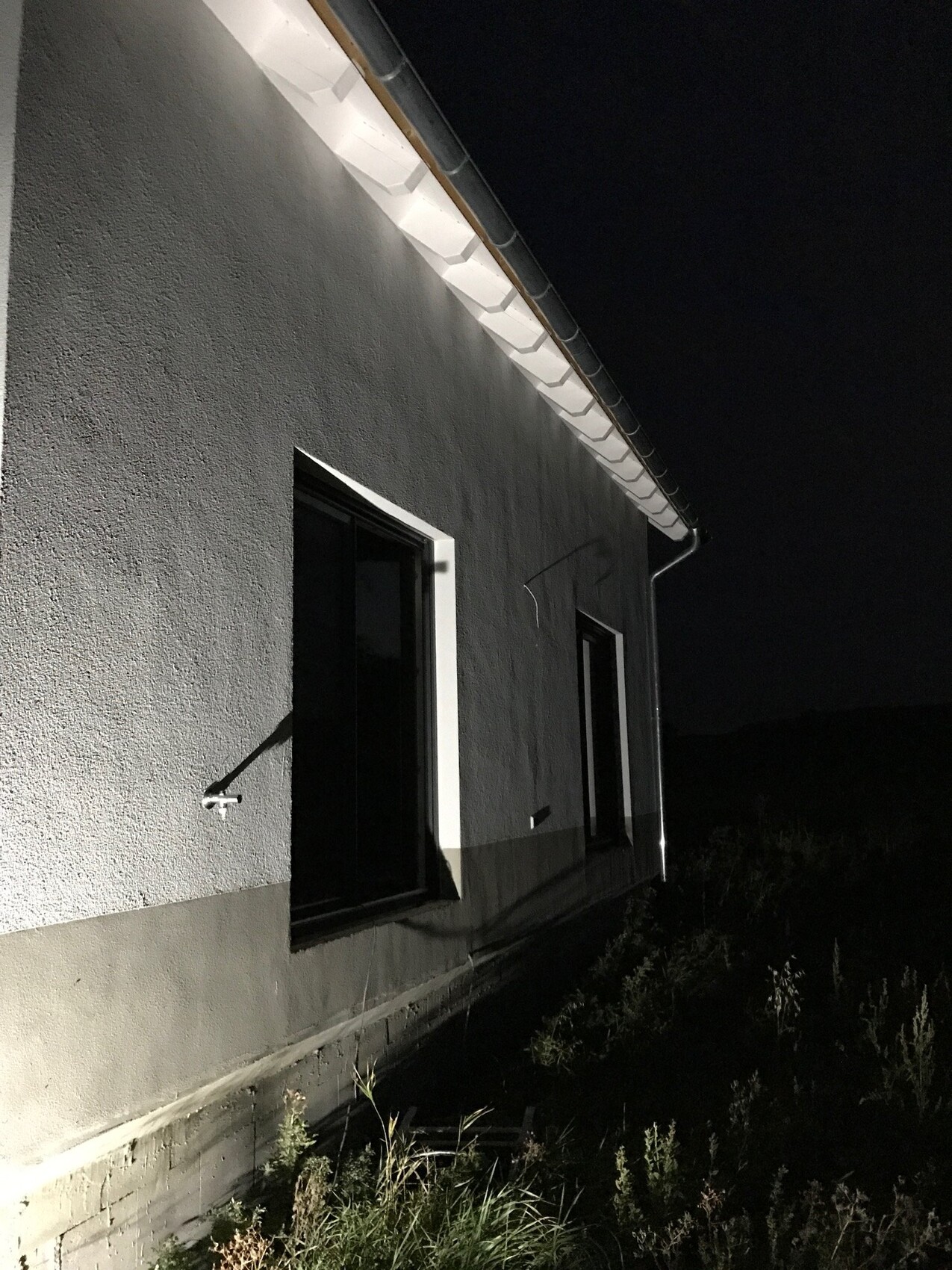
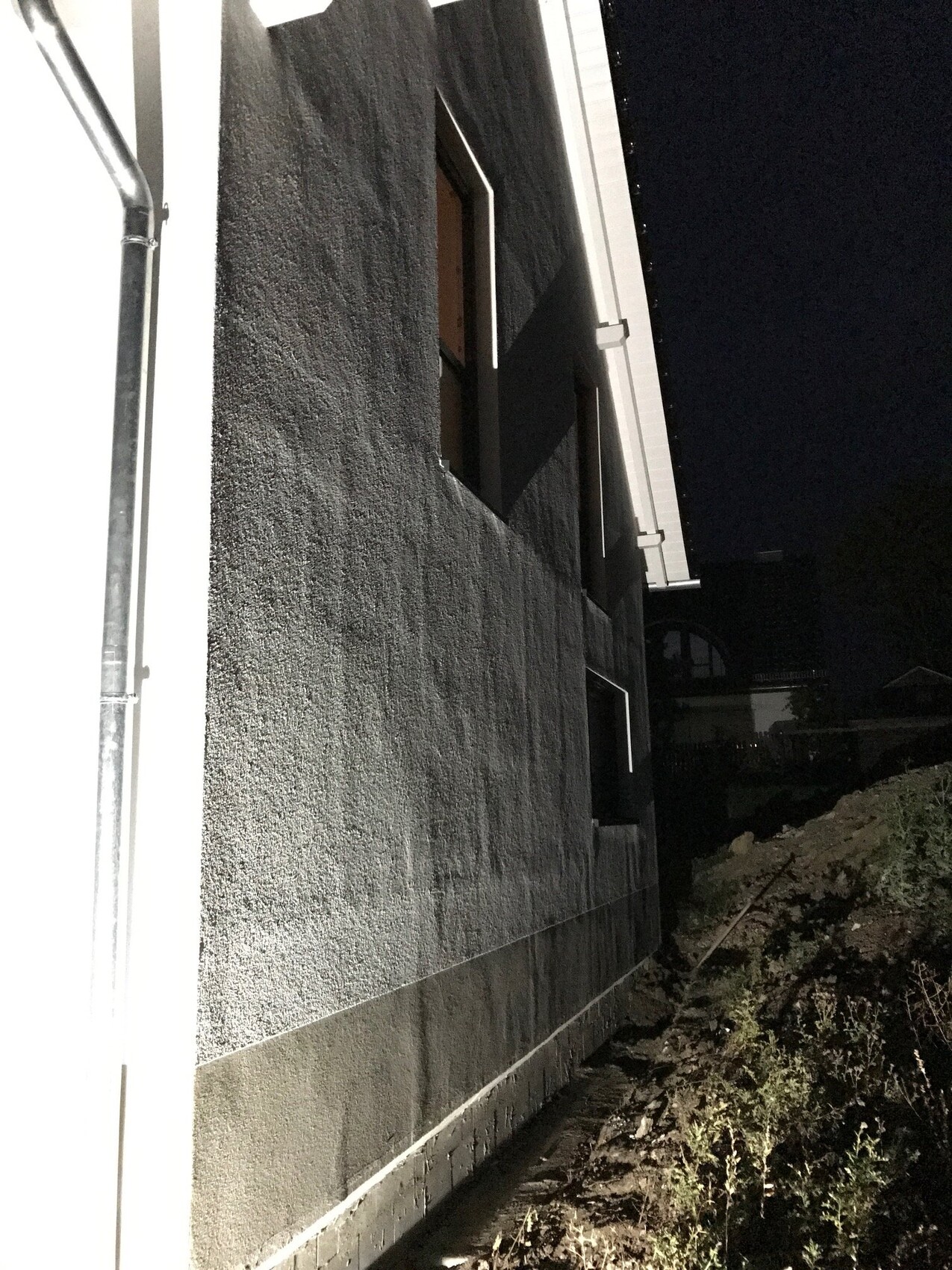
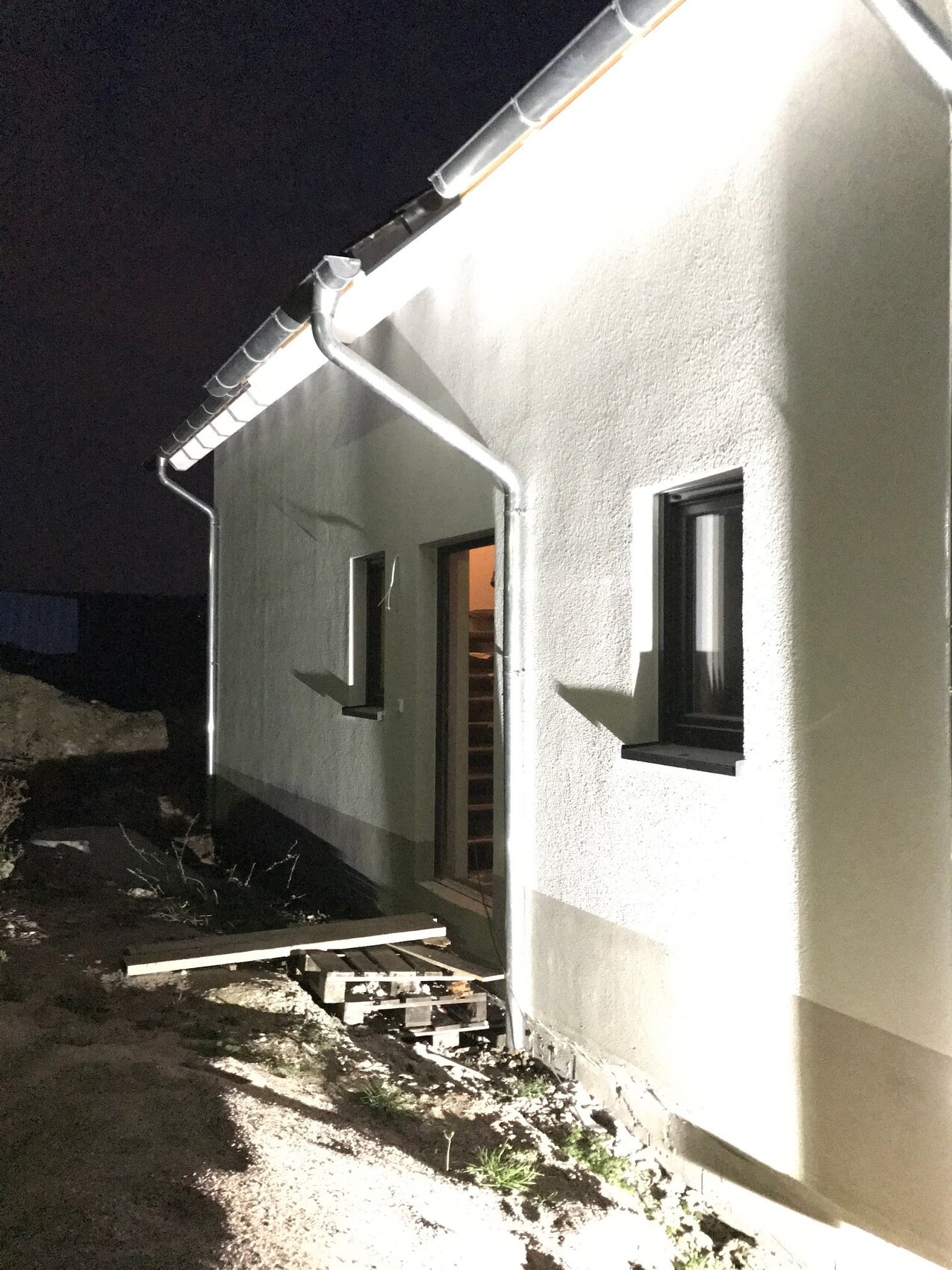
Two acquaintances of mine who work for a painting company, and another who works for a drywall company, told me that we should have had this redone.
At the moment, I am still waiting for a statement from my builder.
A friend who has a similar issue and built with the same company was dismissed with: “It’s due to the exposed location and the strip lighting.”
Am I being too picky, or is this really poor workmanship?
Best regards & thanks
We are almost finished with our house, but recently when I was at a neighbor’s place, I noticed this:
That made me suspicious, so I checked again at night with a spotlight, and this is what I found:
Two acquaintances of mine who work for a painting company, and another who works for a drywall company, told me that we should have had this redone.
At the moment, I am still waiting for a statement from my builder.
A friend who has a similar issue and built with the same company was dismissed with: “It’s due to the exposed location and the strip lighting.”
Am I being too picky, or is this really poor workmanship?
Best regards & thanks
Hello,
The problem with ETICS (external thermal insulation composite systems) is that you can always see every single panel. No matter how good they are, this will always be the case. Since only about a 5mm (0.2 inch) thick layer of render is applied, every small unevenness is visible. With a traditionally plastered house, the render layer is usually 1–2cm (0.4–0.8 inch), which evens out irregularities much better. Walk through a new housing development and observe the facades in raking light—you will immediately notice which ones have ETICS and which ones are solidly built.
I don’t think you will achieve much, but it’s worth a try...
Let us know what results you get.
Regards,
Tom
The problem with ETICS (external thermal insulation composite systems) is that you can always see every single panel. No matter how good they are, this will always be the case. Since only about a 5mm (0.2 inch) thick layer of render is applied, every small unevenness is visible. With a traditionally plastered house, the render layer is usually 1–2cm (0.4–0.8 inch), which evens out irregularities much better. Walk through a new housing development and observe the facades in raking light—you will immediately notice which ones have ETICS and which ones are solidly built.
I don’t think you will achieve much, but it’s worth a try...
Let us know what results you get.
Regards,
Tom
The problem runs deeper. Even the 12cm (5 inches) insulation boards were applied unevenly, and the plasterer made little effort to smooth it out. Functionally, it doesn’t matter much, but aesthetically it’s quite frustrating. That’s how it is now. I hope you can still get something done. Karsten
B
Bau-Schmidt27 Sep 2017 18:01Phew... it really doesn’t look good.
Legal protection that covers house building? Are you sure you have that? I believe there is only one, and it must be relatively new.
We have up-and-down lights on the facade: you can easily see the joints between the insulation panels. Not everywhere. The plasterer smoothed it well where necessary.
I find the level of publicly calling someone out quite unsettling. Others probably feel the same. Do you actually want to continue living there for a long time or later be pursued by people seeking revenge?
We have up-and-down lights on the facade: you can easily see the joints between the insulation panels. Not everywhere. The plasterer smoothed it well where necessary.
I find the level of publicly calling someone out quite unsettling. Others probably feel the same. Do you actually want to continue living there for a long time or later be pursued by people seeking revenge?
K
Knallkörper27 Sep 2017 23:54You have built a house and don’t know what an external thermal insulation composite system (ETICS) is? The final inspection has nothing to do with the defect? What does that mean? Didn’t the inspection cause the defect? I agree with that, but nothing else.
Similar topics