
ᐅ Is Mold Growth Normal During the Shell Construction Phase?
Created on: 15 Mar 2019 18:43
E
EmNaLeSaTo
Hello everyone,
We are currently working with a prefab house supplier to realize our dream home. We have noticed some mold forming in certain areas on the upper floor and would like to get your opinion on whether this is normal and what the recommended course of action should be.
The screed was poured just over two weeks ago, and the underfloor heating has been running for about one week now. We are ventilating twice daily, as we were instructed to do.
I have already reported this to the site manager, who plans to remove the mold next week. I assume he intends to simply wipe it off.
Best regards,
Tobi
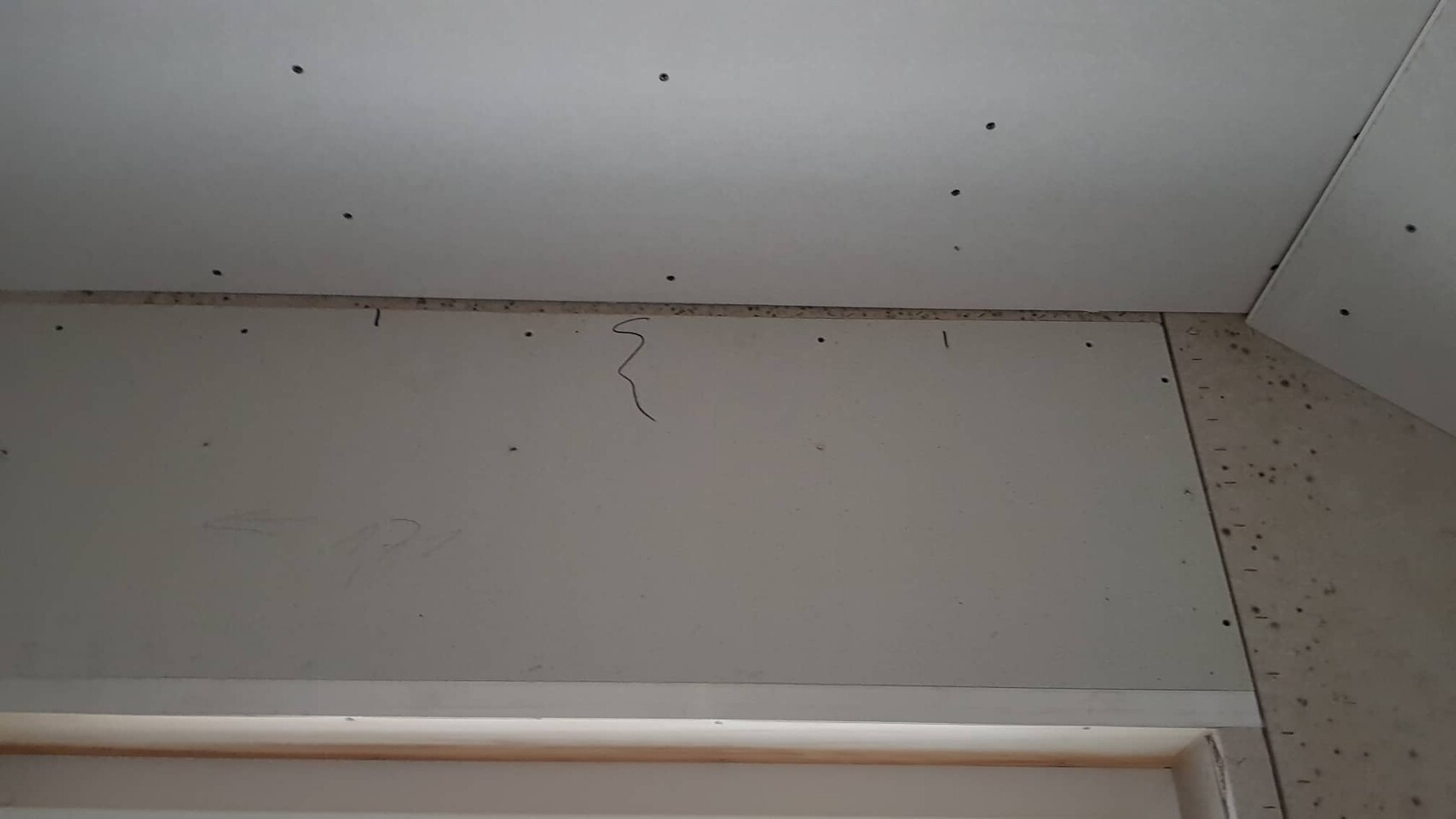
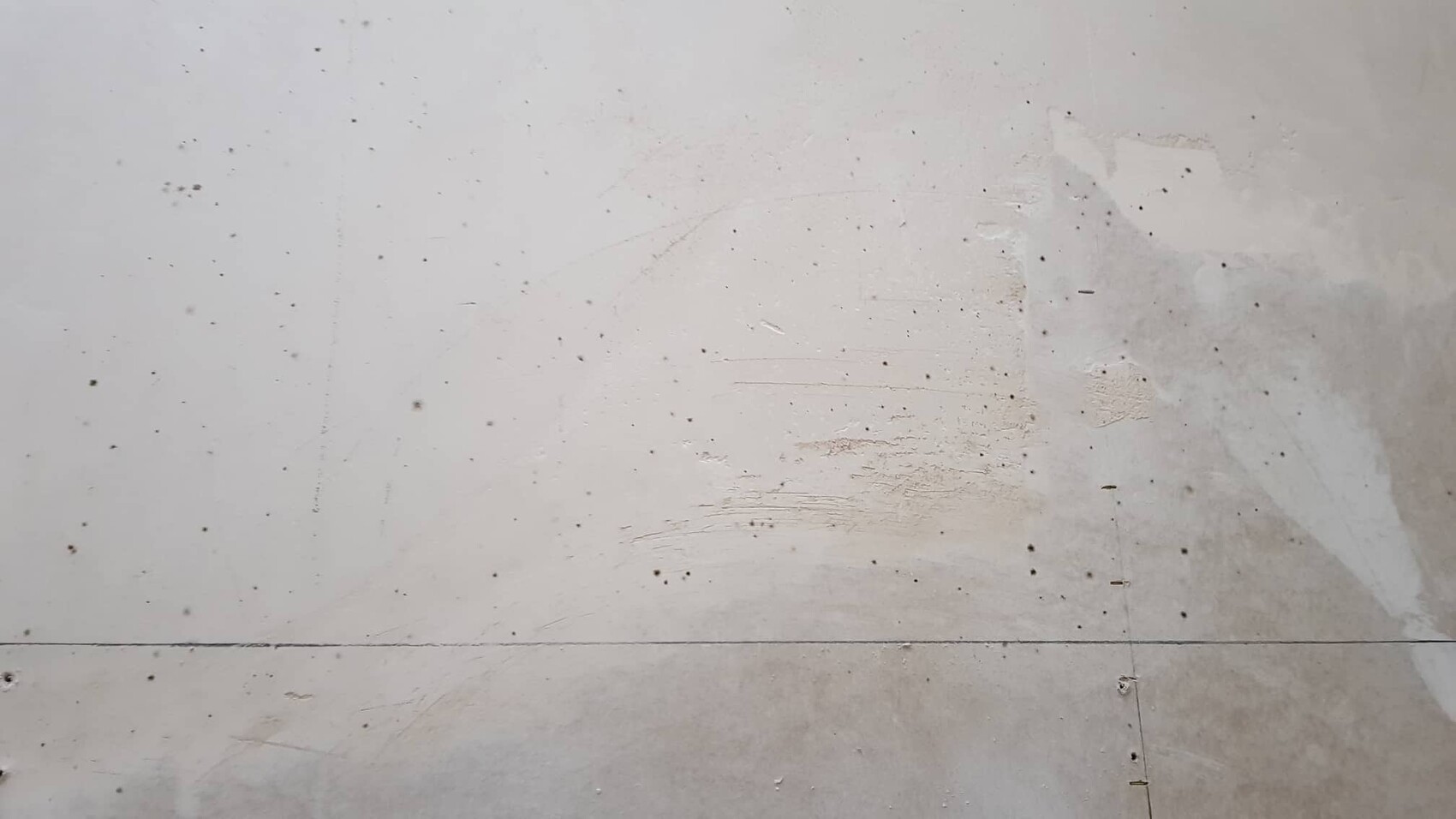
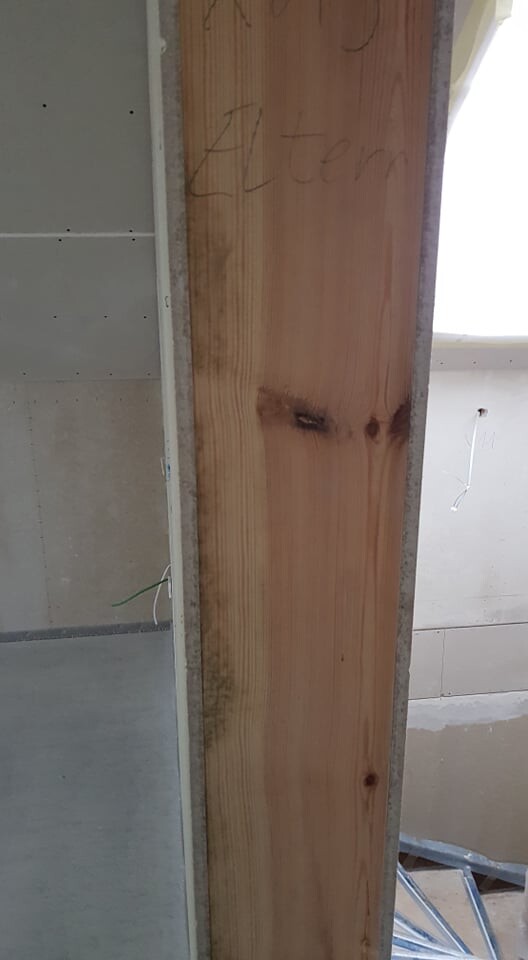
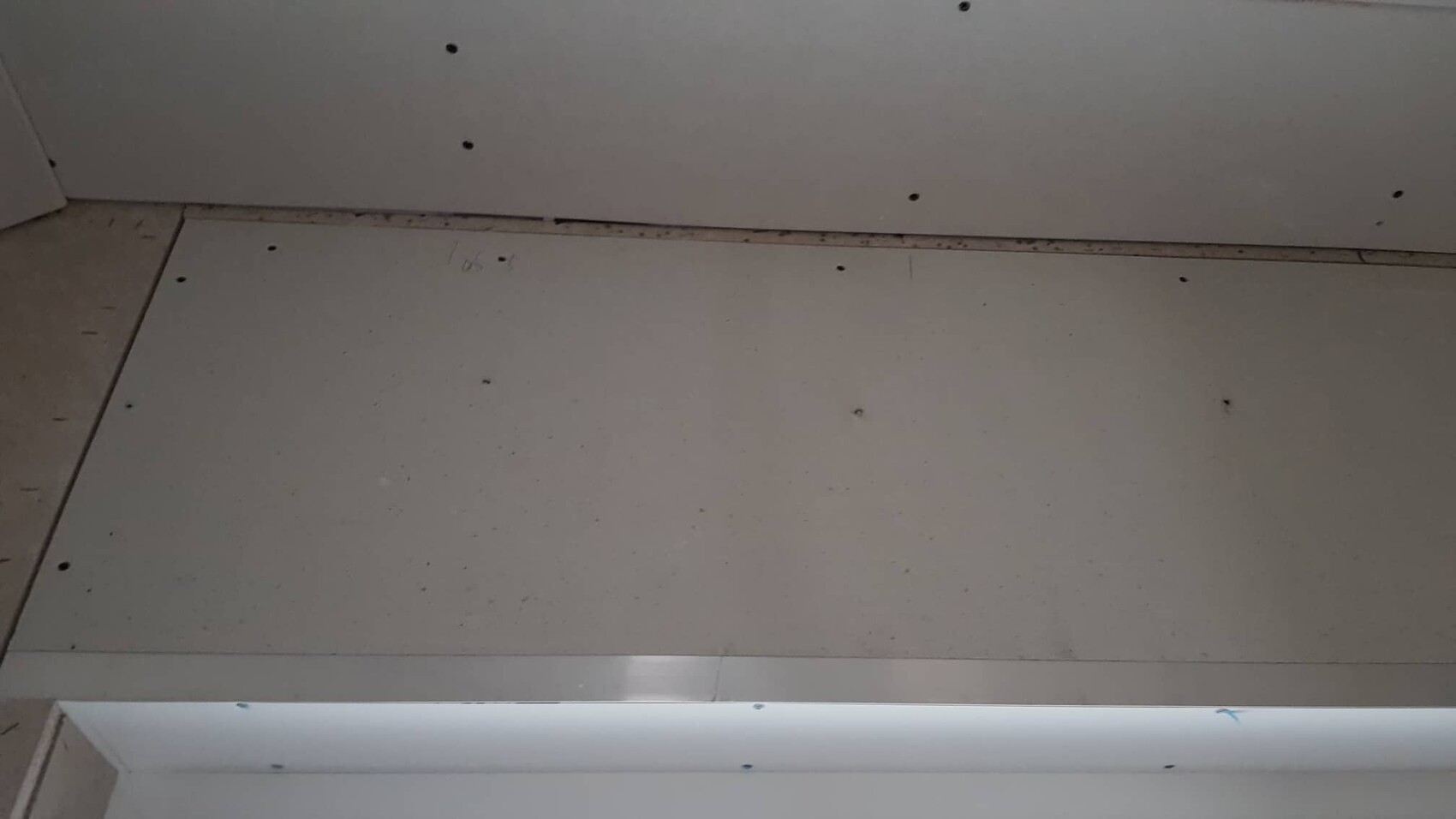
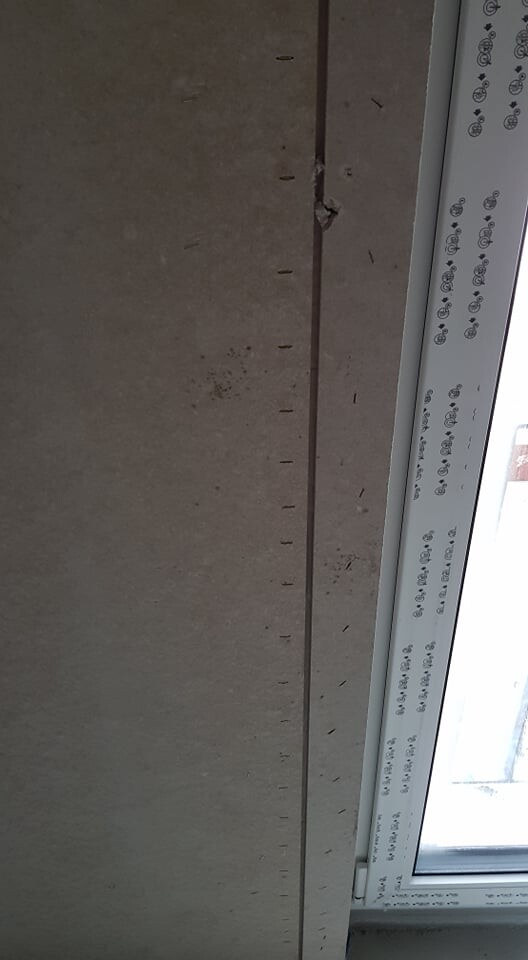
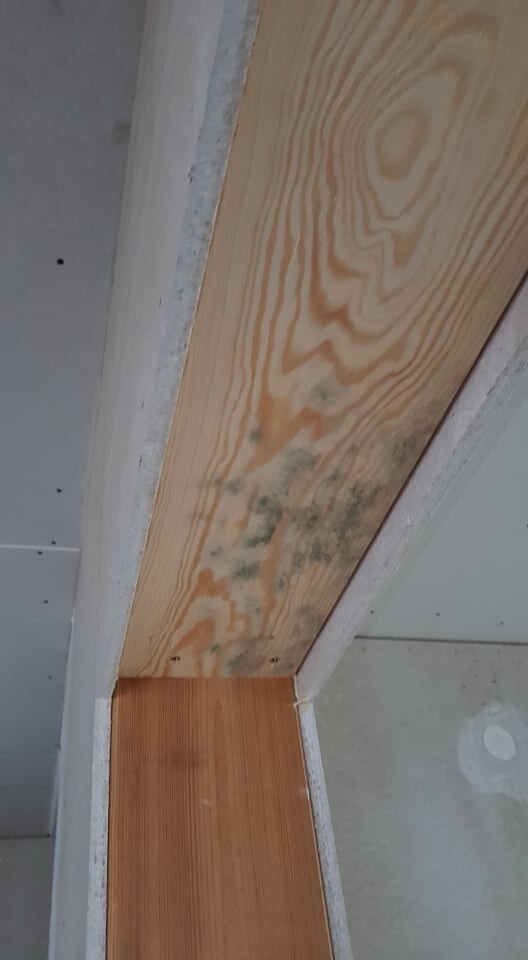

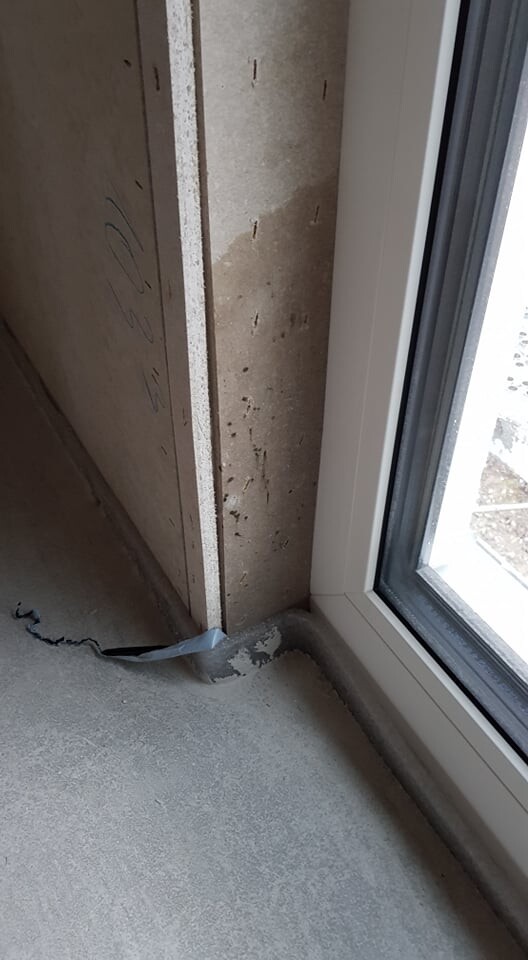

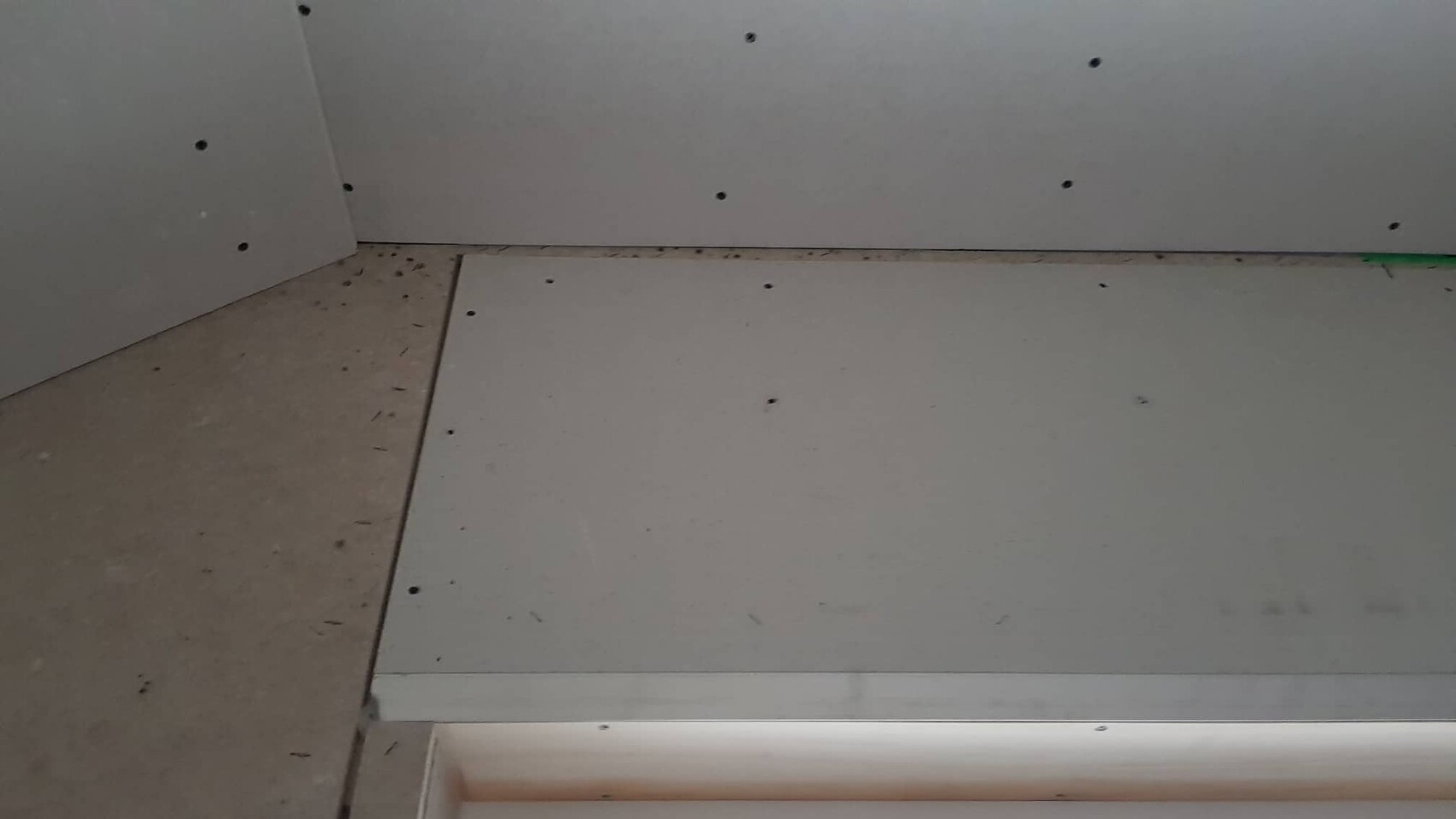
We are currently working with a prefab house supplier to realize our dream home. We have noticed some mold forming in certain areas on the upper floor and would like to get your opinion on whether this is normal and what the recommended course of action should be.
The screed was poured just over two weeks ago, and the underfloor heating has been running for about one week now. We are ventilating twice daily, as we were instructed to do.
I have already reported this to the site manager, who plans to remove the mold next week. I assume he intends to simply wipe it off.
Best regards,
Tobi

tomtom79 schrieb:
I already sensed that arrogance in your first statement. But just to be clear, mold can grow heavily. That's right, I don't think much of timber frame construction. It's not my fault that, for some reason, people choose drywall partitions over cellulose insulation despite similar costs. Would you like to know more?
Zaba12 schrieb:
That's right, I don't believe in timber frame construction. It's not my fault that, for some reason, people choose drywall partitions over cellulose insulation despite similar costs. Would you like to know more? Come on, isn’t that a bit narrow-minded? You should be able to look beyond your own perspective and not dismiss other construction methods that definitely have their merits.

When constructing new buildings or undertaking major renovations, there is generally an increased risk of water damage and condensation, which in turn raises the likelihood of microbial growth on building components. Rainwater can infiltrate due to often temporary or insufficient protection of the structure (e.g., rain damage in roof areas and upper floors, water entry from the construction site into basements). Especially in winter construction sites, condensation from moisture in newly installed concrete elements and masonry, as well as fresh plaster and screeds, can lead to relative humidity levels above 90% for several weeks. This can result in mold growth, typically on wooden roof beams, mineral fiber insulation, plaster surfaces, and drywall panels. Problems often also arise from improperly installed airtight layers or damage to vapor retarders caused by subsequent trades (such as cable penetrations, exhaust ducts, or solar panel connections). In cases of severe moisture damage in finished structures, water infiltration can cause insulation layers in floor constructions—such as polystyrene or organic loose-fill insulation made of grain husks or wood fibers—to become moldy very quickly.
By adapting the construction schedule, allowing sufficient drying times, applying proper moisture management, performing interim cleanings without brooms, and ensuring effective and timely repairs of water damage, microbial secondary damage can be minimized or avoided.
From the recent Federal Court of Justice (BGH) ruling, builders can derive high legal demands for a “mold-free condition.” This abstract legal requirement is rarely compatible with standard construction practices, as wooden components or other organic materials can already exhibit minor mold or bacterial contamination upon delivery, making an absolutely mold-free building only theoretically possible. The guidelines from the German Environment Agency (UBA) (Mold Guide 2017, among others) mainly address health-related impairments due to mold damage and are therefore only partially applicable for assessing contractual claims and acceptance of a defect-free building. Legitimate claims to avoid assuming microbial damage thus require thorough investigation of possible microbiological contamination, clear delimitation of the damage, and reliable assessment. This forms the basis for appropriate remediation measures. The damage condition must be documented in detail, along with the executed measures and the results of subsequent technical controls.
For mold remediation during construction, developing and agreeing on a coordinated approach jointly supported by the client and developer is often the best solution. Once consensus on the remediation path is reached, effective and sustainable measures can be implemented within a few weeks, resulting in a defect-free, hygienically safe building. Agreeing on prompt remediation is generally preferable to lengthy court proceedings at regional courts, which often involve high costs for expert witnesses and attorneys, additional loss of use or rental costs, and uncertain outcomes, since courts still vary widely today in their recognition of new construction defects—even when the evidence is clear.
We offer our 20 years of project experience for damage documentation, development of remediation solutions, and a mediating role between clients and developers.
Causes of mold in new construction and renovation projects
Typical damages during the shell construction phase include substantial rainwater ingress or water leaks from outside: due to storms, heavy rainfall periods, or defects in building waterproofing or installations, thousands of liters of water can penetrate the shell during construction. In vertical extensions on existing buildings, concreting the top floor slab can cause moisture penetration and mold growth on plaster surfaces and existing wooden beams. Another possible damage scenario is water entry through basement openings or at the foundation base, causing flooding in the basement.
Renovations on existing buildings that already show microbial pre-damage in roof structures, ceilings, or basements have proven particularly vulnerable to mold, as recolonization or new colonization occurs faster than on newly installed building materials.
Condensation damage frequently occurs in new buildings during winter, usually shortly after successive installation of wall plasters and screeds. If sufficient drying time between these construction steps is not observed, it is difficult to properly remove thousands of liters of embedded water from the building by ventilation. With ongoing condensation or relative humidity above 90%, visible mold growth on building surfaces can appear after approximately 5 to 7 days. Defects in the airtight layer or improper workmanship can cause adjacent rafter bays to become moist. Wall plasters, drywall, fermacell panels, wood fiber boards such as OSB and particleboard, and lost formwork are particularly susceptible to mold from condensation damage. However, less susceptible but dust-contaminated surfaces—including the underside of concrete floor slabs, masonry, plastic window frames, and screed surfaces—can also develop mold.
Once dark or colored mold colonies are visible, spore release and dispersion must also be expected. From this point, contamination of originally unaffected areas can occur. Therefore, it is important to isolate infested rooms and building parts, and uncontrolled drying of moldy surfaces with warm air circulation should be avoided.
Only prompt and proper action can prevent permanent damage to the building fabric and potential health risks for occupants.
Health risks due to mold in new buildings
Depending on how the damage develops, moisture availability, and colonized surfaces, typical mold infestations occur in new buildings. Surfaces directly affected by water (water damage or shell construction moisture) on lightweight panels, wood, and organic floor insulation are usually dominated by typical water damage molds such as Stachybotrys, Chaetomium, or Trichoderma, which are generally considered more hazardous to health. In condensation damage areas, less demanding and less critical molds such as Cladosporium, Penicillium, Aspergillus, or Alternaria usually develop. From a health perspective, these are considered less critical than the water damage species mentioned above. Condensation molds should not be tolerated as infestation areas in new buildings even if they are partly present in outdoor air.
Assessment of mold infestation in new buildings, regulations, and guidelines from the German Environment Agency (UBA) and others
Currently, no binding public regulations (from the Environment Agency, building legislation) exist regarding the usual microbiological condition of new buildings. The current UBA Mold Guide 2017 and subsequent explanatory publications assess mold infestation in roof structures and in attics or basements not used for residential purposes as largely uncritical from a hygienic standpoint, assigning low requirements to usage class III (source: UBA Mold Guide 2017):
Nevertheless, significant primary mold infestation on building surfaces in roofs or basements legally constitutes a defect requiring remediation, as it does not meet the usual delivery condition. Various trades are responsible for the mold-free condition of their work as long as acceptance has not taken place. They must therefore protect the installed components against condensation and mold even after completing their work.
According to the BGH roof truss ruling, new buildings should be free of primary infestation and elevated spore deposits. Whether a proven health risk exists due to increased mold spore concentrations in indoor air or on surfaces, and whether resulting health hazards can be derived, is initially secondary for legal assessment.
An absolutely spore-free state cannot be achieved under normal construction site conditions and can therefore hardly be demanded by clients, as typical outdoor air spore influxes of mold spores such as Cladosporium, Alternaria, and to a lesser extent Penicillium and Aspergillus inevitably introduce spores.
Due to this legal gray area, qualified and thorough expert examinations and assessments are of particular importance. Targeted sampling, selection of appropriate sampling and analysis methods, and correct interpretation of findings must determine whether significant and thus remediable microbial damage exists or only minor discolorations and spore contamination, which can be classified as inconspicuous and typical conditions. The outcome of this assessment may decide whether the building becomes subject of a legal dispute for five years or can be completed and occupied shortly after remediation.
After remediation, usual background concentrations should not be exceeded, and no defects from unremediated pre-damage should remain that deviate from the normal, inconspicuous delivery condition. Even dried or disinfected infestation areas with inactive (non-cultivable) mold residues have been associated with health risks to occupants according to earlier publications by the UBA:
“Moisture damage with mold growth can demonstrably lead to health problems. Therefore, the German Environment Agency (UBA) recommends professional remediation: this includes eliminating the causes of moisture damage and resulting mold growth, cleaning mold-infested materials or, where this is not feasible, removing them, as well as thoroughly cleaning the entire dwelling to remove remaining mold spores.” /15/
Currently, Germany has a largely harmonized evaluation of mold spore concentrations typically found in unremarkable or uncontaminated new building materials. The strictest guideline is from the recent 2014 BLEI Institute publication /20/, which states concentrations below 1000 CFU mold spores/g as “no evidence of colonization/background.” Other publications set this threshold at 5000 CFU/g (Labor Umweltmykologie/Trautmann) or 10,000 CFU/g (German Environment Agency, Labor URBANUS).
From our own project experience over the past 15 years with new buildings, typical background concentrations of undamaged polystyrene impact sound insulation also fall below 10,000 CFU mold spores/g when cultured.
Source: IGU Ingenieurbüro Gesundheit + Umwelt
By adapting the construction schedule, allowing sufficient drying times, applying proper moisture management, performing interim cleanings without brooms, and ensuring effective and timely repairs of water damage, microbial secondary damage can be minimized or avoided.
From the recent Federal Court of Justice (BGH) ruling, builders can derive high legal demands for a “mold-free condition.” This abstract legal requirement is rarely compatible with standard construction practices, as wooden components or other organic materials can already exhibit minor mold or bacterial contamination upon delivery, making an absolutely mold-free building only theoretically possible. The guidelines from the German Environment Agency (UBA) (Mold Guide 2017, among others) mainly address health-related impairments due to mold damage and are therefore only partially applicable for assessing contractual claims and acceptance of a defect-free building. Legitimate claims to avoid assuming microbial damage thus require thorough investigation of possible microbiological contamination, clear delimitation of the damage, and reliable assessment. This forms the basis for appropriate remediation measures. The damage condition must be documented in detail, along with the executed measures and the results of subsequent technical controls.
For mold remediation during construction, developing and agreeing on a coordinated approach jointly supported by the client and developer is often the best solution. Once consensus on the remediation path is reached, effective and sustainable measures can be implemented within a few weeks, resulting in a defect-free, hygienically safe building. Agreeing on prompt remediation is generally preferable to lengthy court proceedings at regional courts, which often involve high costs for expert witnesses and attorneys, additional loss of use or rental costs, and uncertain outcomes, since courts still vary widely today in their recognition of new construction defects—even when the evidence is clear.
We offer our 20 years of project experience for damage documentation, development of remediation solutions, and a mediating role between clients and developers.
Causes of mold in new construction and renovation projects
Typical damages during the shell construction phase include substantial rainwater ingress or water leaks from outside: due to storms, heavy rainfall periods, or defects in building waterproofing or installations, thousands of liters of water can penetrate the shell during construction. In vertical extensions on existing buildings, concreting the top floor slab can cause moisture penetration and mold growth on plaster surfaces and existing wooden beams. Another possible damage scenario is water entry through basement openings or at the foundation base, causing flooding in the basement.
Renovations on existing buildings that already show microbial pre-damage in roof structures, ceilings, or basements have proven particularly vulnerable to mold, as recolonization or new colonization occurs faster than on newly installed building materials.
Condensation damage frequently occurs in new buildings during winter, usually shortly after successive installation of wall plasters and screeds. If sufficient drying time between these construction steps is not observed, it is difficult to properly remove thousands of liters of embedded water from the building by ventilation. With ongoing condensation or relative humidity above 90%, visible mold growth on building surfaces can appear after approximately 5 to 7 days. Defects in the airtight layer or improper workmanship can cause adjacent rafter bays to become moist. Wall plasters, drywall, fermacell panels, wood fiber boards such as OSB and particleboard, and lost formwork are particularly susceptible to mold from condensation damage. However, less susceptible but dust-contaminated surfaces—including the underside of concrete floor slabs, masonry, plastic window frames, and screed surfaces—can also develop mold.
Once dark or colored mold colonies are visible, spore release and dispersion must also be expected. From this point, contamination of originally unaffected areas can occur. Therefore, it is important to isolate infested rooms and building parts, and uncontrolled drying of moldy surfaces with warm air circulation should be avoided.
Only prompt and proper action can prevent permanent damage to the building fabric and potential health risks for occupants.
Health risks due to mold in new buildings
Depending on how the damage develops, moisture availability, and colonized surfaces, typical mold infestations occur in new buildings. Surfaces directly affected by water (water damage or shell construction moisture) on lightweight panels, wood, and organic floor insulation are usually dominated by typical water damage molds such as Stachybotrys, Chaetomium, or Trichoderma, which are generally considered more hazardous to health. In condensation damage areas, less demanding and less critical molds such as Cladosporium, Penicillium, Aspergillus, or Alternaria usually develop. From a health perspective, these are considered less critical than the water damage species mentioned above. Condensation molds should not be tolerated as infestation areas in new buildings even if they are partly present in outdoor air.
Assessment of mold infestation in new buildings, regulations, and guidelines from the German Environment Agency (UBA) and others
Currently, no binding public regulations (from the Environment Agency, building legislation) exist regarding the usual microbiological condition of new buildings. The current UBA Mold Guide 2017 and subsequent explanatory publications assess mold infestation in roof structures and in attics or basements not used for residential purposes as largely uncritical from a hygienic standpoint, assigning low requirements to usage class III (source: UBA Mold Guide 2017):
Nevertheless, significant primary mold infestation on building surfaces in roofs or basements legally constitutes a defect requiring remediation, as it does not meet the usual delivery condition. Various trades are responsible for the mold-free condition of their work as long as acceptance has not taken place. They must therefore protect the installed components against condensation and mold even after completing their work.
According to the BGH roof truss ruling, new buildings should be free of primary infestation and elevated spore deposits. Whether a proven health risk exists due to increased mold spore concentrations in indoor air or on surfaces, and whether resulting health hazards can be derived, is initially secondary for legal assessment.
An absolutely spore-free state cannot be achieved under normal construction site conditions and can therefore hardly be demanded by clients, as typical outdoor air spore influxes of mold spores such as Cladosporium, Alternaria, and to a lesser extent Penicillium and Aspergillus inevitably introduce spores.
Due to this legal gray area, qualified and thorough expert examinations and assessments are of particular importance. Targeted sampling, selection of appropriate sampling and analysis methods, and correct interpretation of findings must determine whether significant and thus remediable microbial damage exists or only minor discolorations and spore contamination, which can be classified as inconspicuous and typical conditions. The outcome of this assessment may decide whether the building becomes subject of a legal dispute for five years or can be completed and occupied shortly after remediation.
After remediation, usual background concentrations should not be exceeded, and no defects from unremediated pre-damage should remain that deviate from the normal, inconspicuous delivery condition. Even dried or disinfected infestation areas with inactive (non-cultivable) mold residues have been associated with health risks to occupants according to earlier publications by the UBA:
“Moisture damage with mold growth can demonstrably lead to health problems. Therefore, the German Environment Agency (UBA) recommends professional remediation: this includes eliminating the causes of moisture damage and resulting mold growth, cleaning mold-infested materials or, where this is not feasible, removing them, as well as thoroughly cleaning the entire dwelling to remove remaining mold spores.” /15/
Currently, Germany has a largely harmonized evaluation of mold spore concentrations typically found in unremarkable or uncontaminated new building materials. The strictest guideline is from the recent 2014 BLEI Institute publication /20/, which states concentrations below 1000 CFU mold spores/g as “no evidence of colonization/background.” Other publications set this threshold at 5000 CFU/g (Labor Umweltmykologie/Trautmann) or 10,000 CFU/g (German Environment Agency, Labor URBANUS).
From our own project experience over the past 15 years with new buildings, typical background concentrations of undamaged polystyrene impact sound insulation also fall below 10,000 CFU mold spores/g when cultured.
Source: IGU Ingenieurbüro Gesundheit + Umwelt
Bookstar schrieb:
Come on, that’s a bit narrow-minded, isn’t it? You should be able to look beyond your own perspective and not dismiss other construction methods that definitely have their merits. I didn’t mean it that way at all until Tom made a rude comment out of nowhere. But I’m happy to learn more via private message, because apart from a theoretical reduction in construction time, I don’t know of any advantages.

I can immediately share a major advantage for me as a DIY enthusiast: I simply hang a freestanding 200 kg (440 lbs) sideboard on the wall using six Spax screws, without pre-drilling, and I can even sit on it afterward. Chasing grooves in solid walls? Who still does that? Recessing an LED strip flush into an already finished and plastered wall? Just use a 12 mm (0.5 inch) router with a straight edge and you’re done.
Oh, and by the way, the general contractor installed one of our windows 30 cm (12 inches) too low. No problem—window out, new wooden frame built, window put back in. It was a day’s work.
Oh, and by the way, the general contractor installed one of our windows 30 cm (12 inches) too low. No problem—window out, new wooden frame built, window put back in. It was a day’s work.
Similar topics