
Good afternoon dear forum members,
I want to install anchors in a brick wall to mount a TV wall bracket with a maximum load of 40 kg (88 lbs). Unfortunately, I am not sure what type of brick this is or if anchors would be strong enough.
Photos are attached. Maybe someone knows better what to do 🙂
Thank you very much in advance
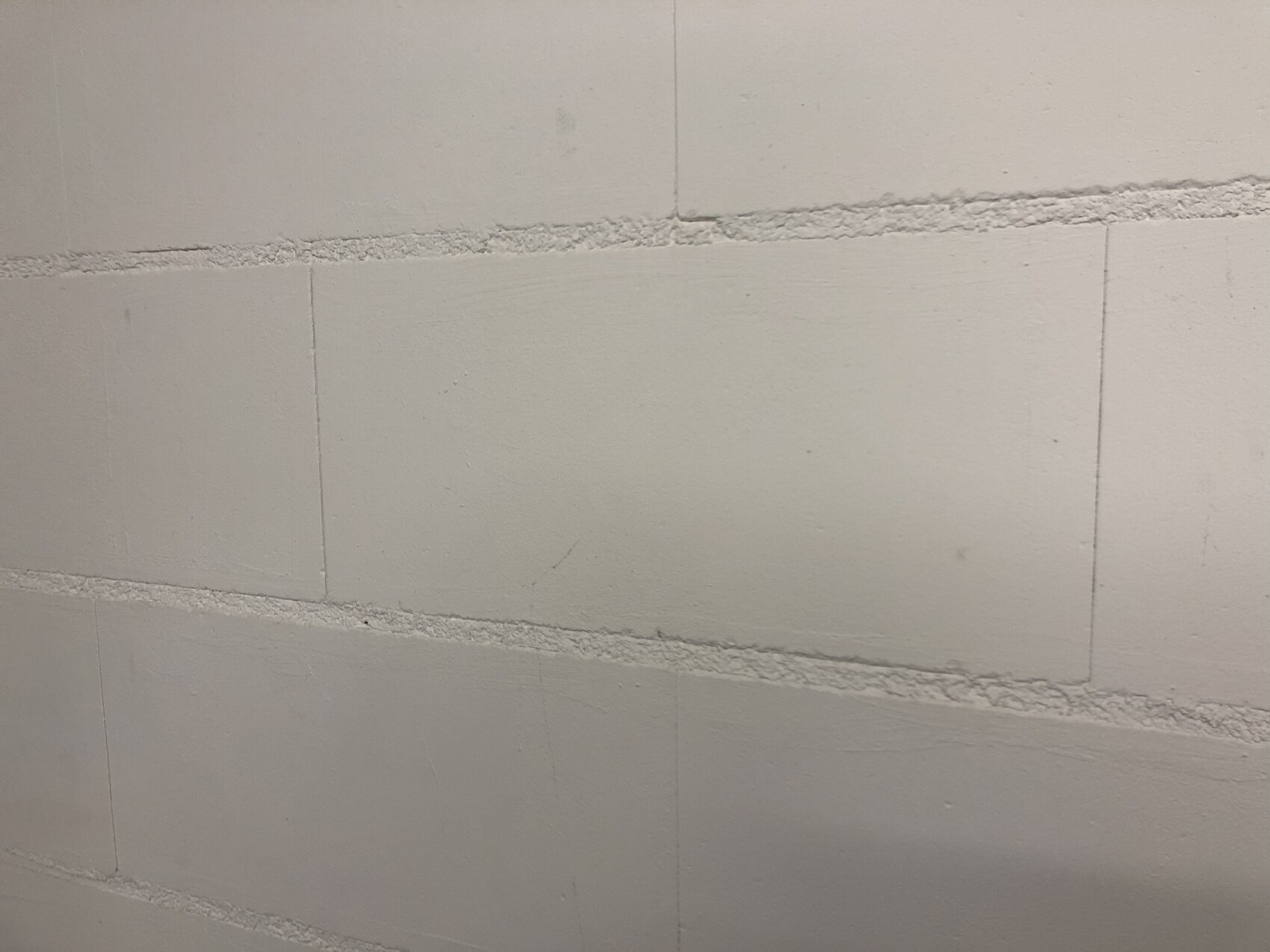
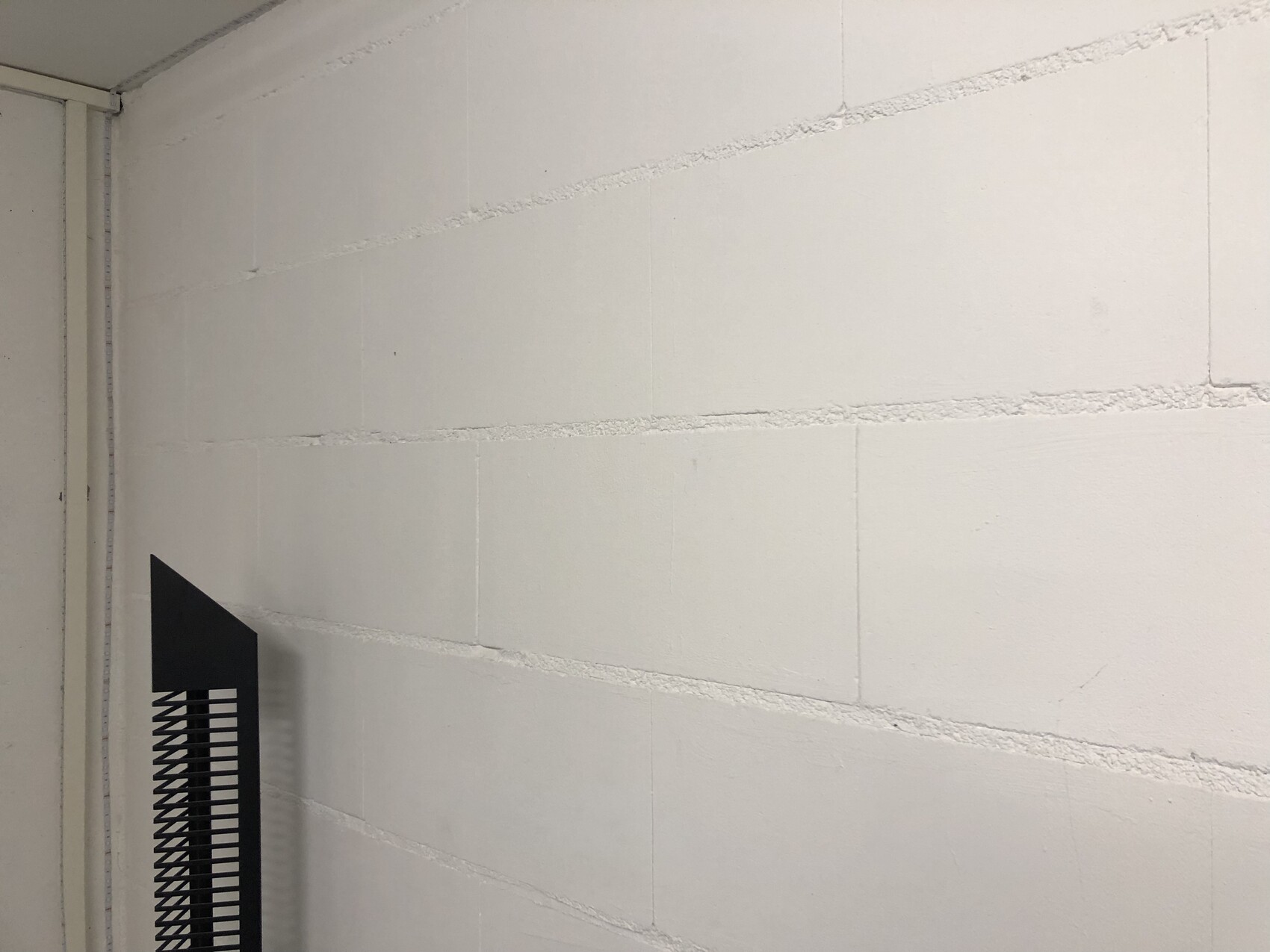
I want to install anchors in a brick wall to mount a TV wall bracket with a maximum load of 40 kg (88 lbs). Unfortunately, I am not sure what type of brick this is or if anchors would be strong enough.
Photos are attached. Maybe someone knows better what to do 🙂
Thank you very much in advance
H
Heinrich8827 Dec 2021 14:49All right! Thank you all!
Yes, it’s in the basement. However, the wall was built afterwards because the construction company had made an absolutely ridiculous 160m² (1,722 sq ft) room out of the basement. Now I’m off to the hardware store. Thanks again 🙂
Yes, it’s in the basement. However, the wall was built afterwards because the construction company had made an absolutely ridiculous 160m² (1,722 sq ft) room out of the basement. Now I’m off to the hardware store. Thanks again 🙂
 ateliersiegel27 Dec 2021 15:27
From my perspective, there are two important criteria:
1. Does the wall hold?
2. Does the anchor hold?
1.
With a masonry wall, I generally wouldn’t worry, regardless of what it is made from. If the anchor is properly installed, the wall will hold.
2.
Anchors perform very differently depending on the wall material and how they work.
In my experience, the safest method is to drill a hole and glue in threaded rods.
The adhesive used for this is often quite expensive.
However, my previous tests have shown that even inexpensive adhesives hold well enough.
1. Does the wall hold?
2. Does the anchor hold?
1.
With a masonry wall, I generally wouldn’t worry, regardless of what it is made from. If the anchor is properly installed, the wall will hold.
2.
Anchors perform very differently depending on the wall material and how they work.
In my experience, the safest method is to drill a hole and glue in threaded rods.
The adhesive used for this is often quite expensive.
However, my previous tests have shown that even inexpensive adhesives hold well enough.

Heinrich88 schrieb:
However, the wall was only added later during construction because the building company turned the basement into a completely impractical 160m² (1,722 sq ft) room. What is the construction year of the wall?
I don’t want to rule out brick, but calcium silicate blocks are also possible. It’s 2DF in pure stretcher bond, so apparently only one brick thick, which surprises me since there are no header joints... unusual.
https://www.instagram.com/11antgmxde/
https://www.linkedin.com/company/bauen-jetzt/
ateliersiegel27 Dec 2021 15:39I think it clearly looks like aerated concrete ... (but I’m not a mason)
ateliersiegel schrieb:
I think it clearly looks like aerated concrete ...I just forgot to mention aerated concrete in the list, but I wouldn’t say it is “clear.” Sand-lime brick is rarely whitewashed afterward, whereas with aerated concrete, a coat of paint is common, which would typically look more coarse and porous – but of course, we’re not on site and the original poster is probably not a professional photographer.https://www.instagram.com/11antgmxde/
https://www.linkedin.com/company/bauen-jetzt/
ateliersiegel27 Dec 2021 17:46As a non-mason reader, the size seems to speak against calcium silicate blocks.
The fact that the vertical joints were not mortared makes me assume they have the typical connections used for aerated concrete blocks...
but I admit: I don’t know 🤨
The fact that the vertical joints were not mortared makes me assume they have the typical connections used for aerated concrete blocks...
but I admit: I don’t know 🤨
Similar topics