
J
Jolo2000009 Mar 2025 12:57Hello,
We have now noticed that expanded polystyrene (EPS) seems to have been used in the ground-contact area (external insulation of the floor slab?).
At least, that is what it looks like. Is this correct?
It is the area below the base coat of plaster...
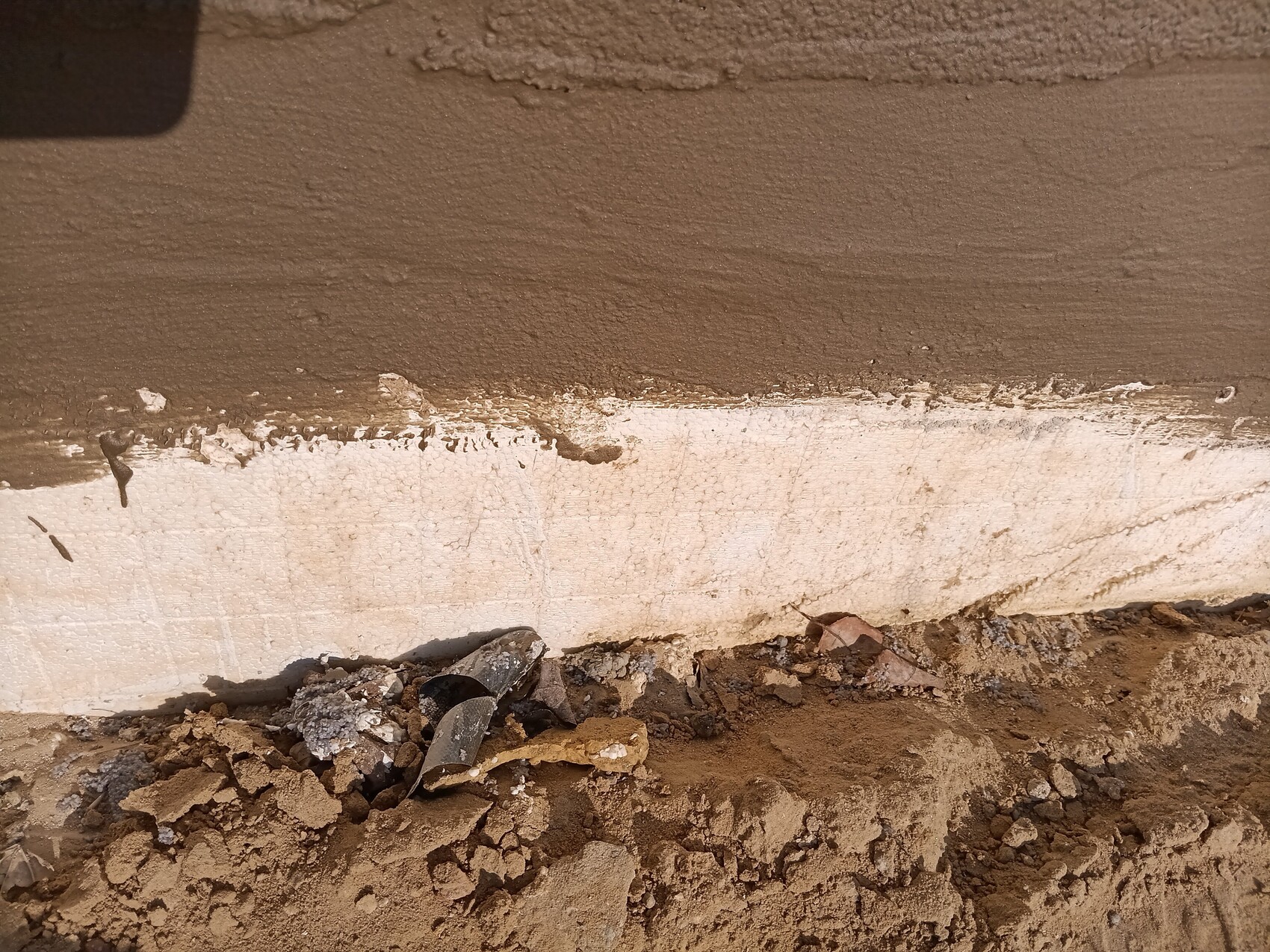
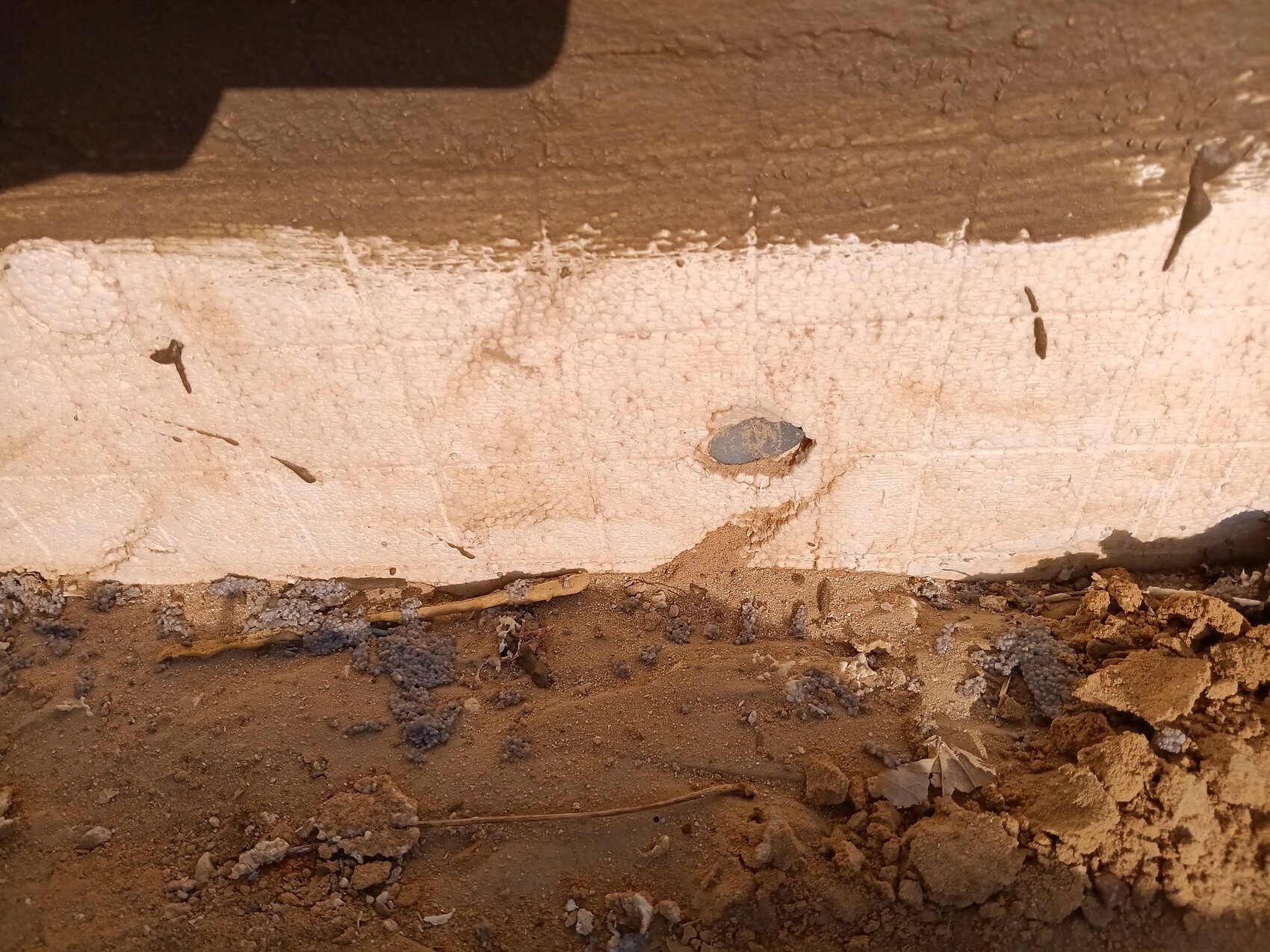
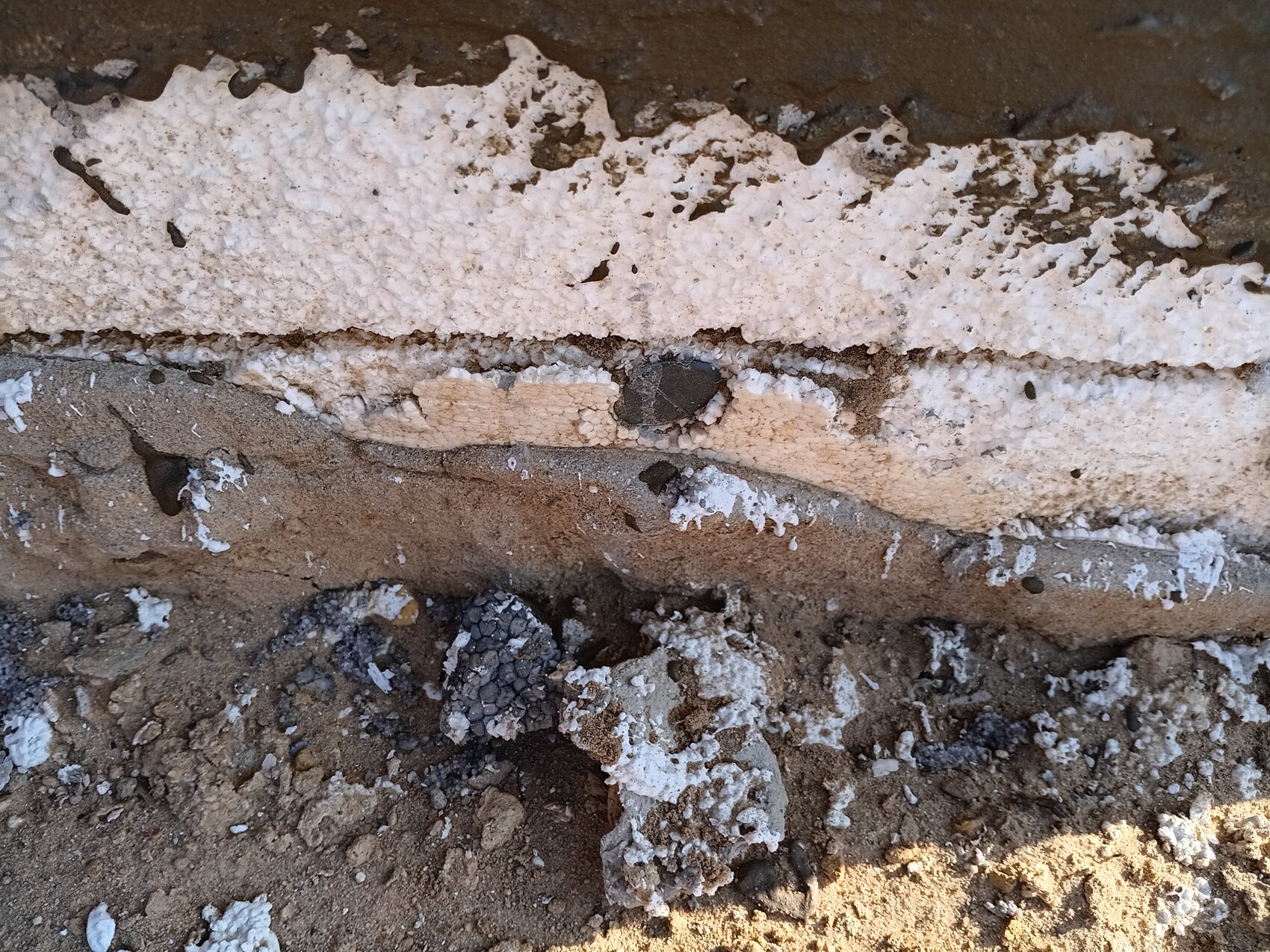
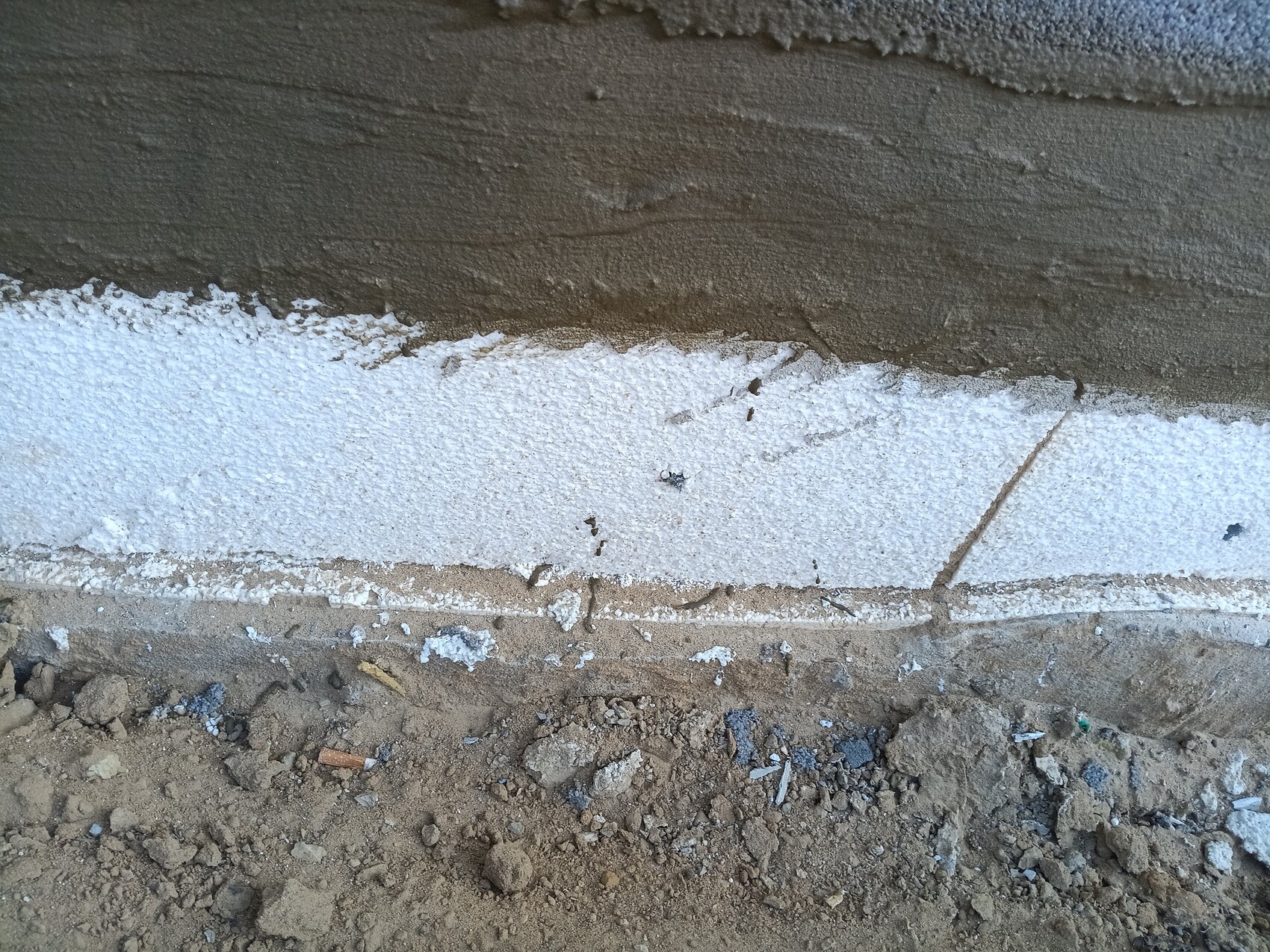
We have now noticed that expanded polystyrene (EPS) seems to have been used in the ground-contact area (external insulation of the floor slab?).
At least, that is what it looks like. Is this correct?
It is the area below the base coat of plaster...
N
nordanney9 Mar 2025 14:11You need to ask the person who installed it. There are also EPS boards approved for use as perimeter insulation.
W
wiltshire10 Mar 2025 08:06Jolo200000 schrieb:
We have now noticed that in the ground-contact area (exterior insulation of the slab?), Styrofoam was used. For insulation in contact with the ground, XPS is usually used – this is a very densely extruded polystyrene material with closed cells and very high compressive strength. Those unfamiliar with the material differences might describe it as very dense Styrofoam. Insulating the concrete in contact with the ground is very energy-efficient. We had about 160sqm (1720 sq ft) of this material, branded as Jakodur, installed with a thickness of 80mm (3 inches) for insulating the foundation walls before the slab was poured on top.
W
wiltshire10 Mar 2025 08:13nordanney schrieb:
You need to ask the person who installed it. There are also EPS products approved for use as perimeter insulation. You’re right, that looks like EPS (granular structure) rather than XPS. It has a lower compressive strength than XPS. It is also approved for use as perimeter insulation at shallower depths. It looks fine to me.
Similar topics