
ᐅ Interior Insulation of Basement Walls: Proper Construction Method
Created on: 26 May 2020 22:31
M
Michael CHM
Michael CH26 May 2020 22:31Hello
I would like to insulate the interior walls of this basement (see photos). It will be used as a hobby room that will only be heated occasionally. With the 45cm (18 inches) concrete wall, it hardly gets warm.
The concrete wall is in contact with the ground. On the outside, it is sealed with a bitumen membrane (with aluminum layer), drainage, and 13cm (5 inches) of foam glass insulation. The foundation is not sealed. Inside, the basement floor is already sealed with bitumen (aluminum) for the floor construction. On top of that will be 15cm (6 inches) of insulation.
The planned interior layers are:
- Thick bitumen coating
- 3cm (1 inch) wood wool insulation
- 10mm (0.4 inches) ventilation gap
- Fermacell H20 board with lime plaster
What do you think? Could this work?
Thanks for any tips and regards
Michael
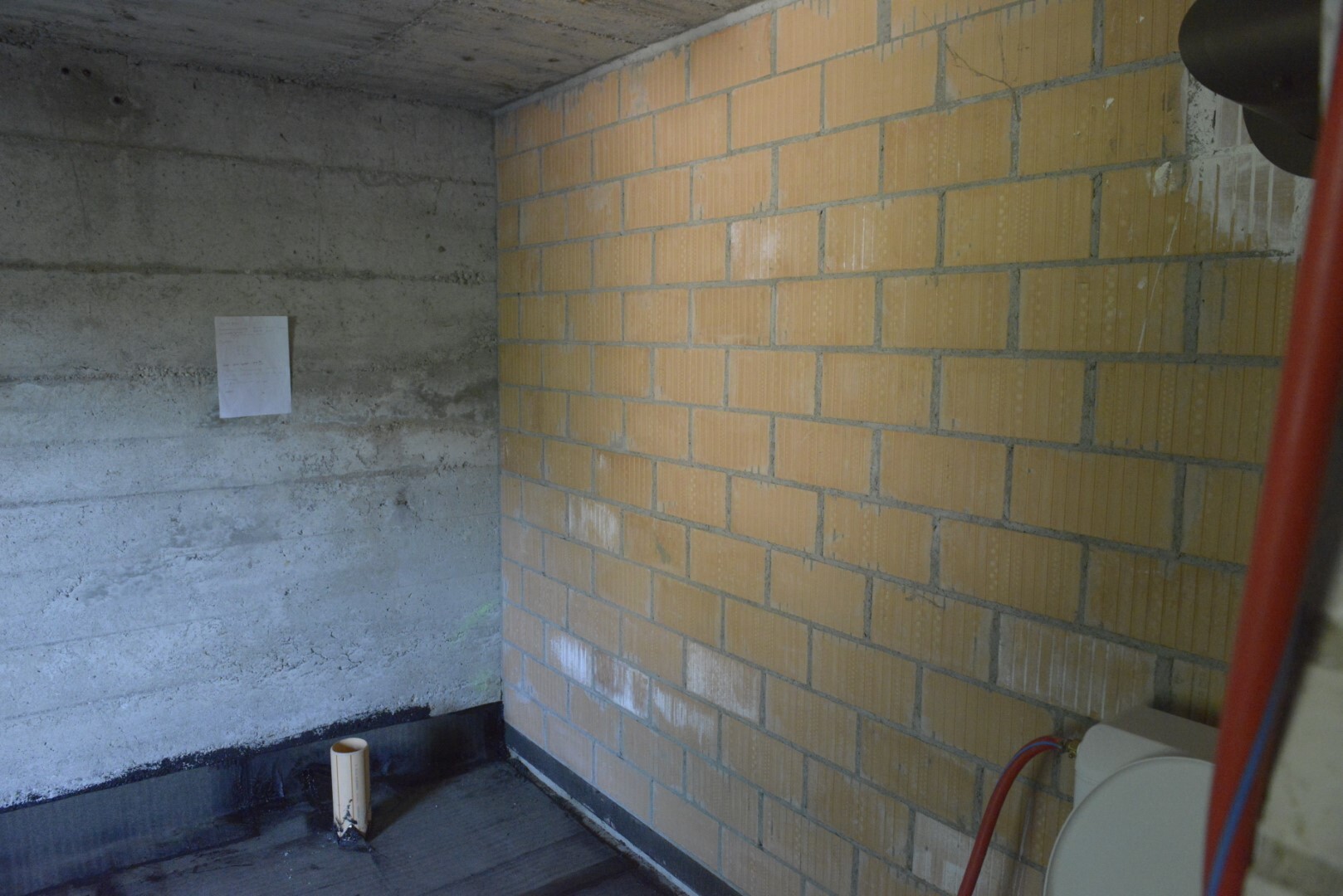
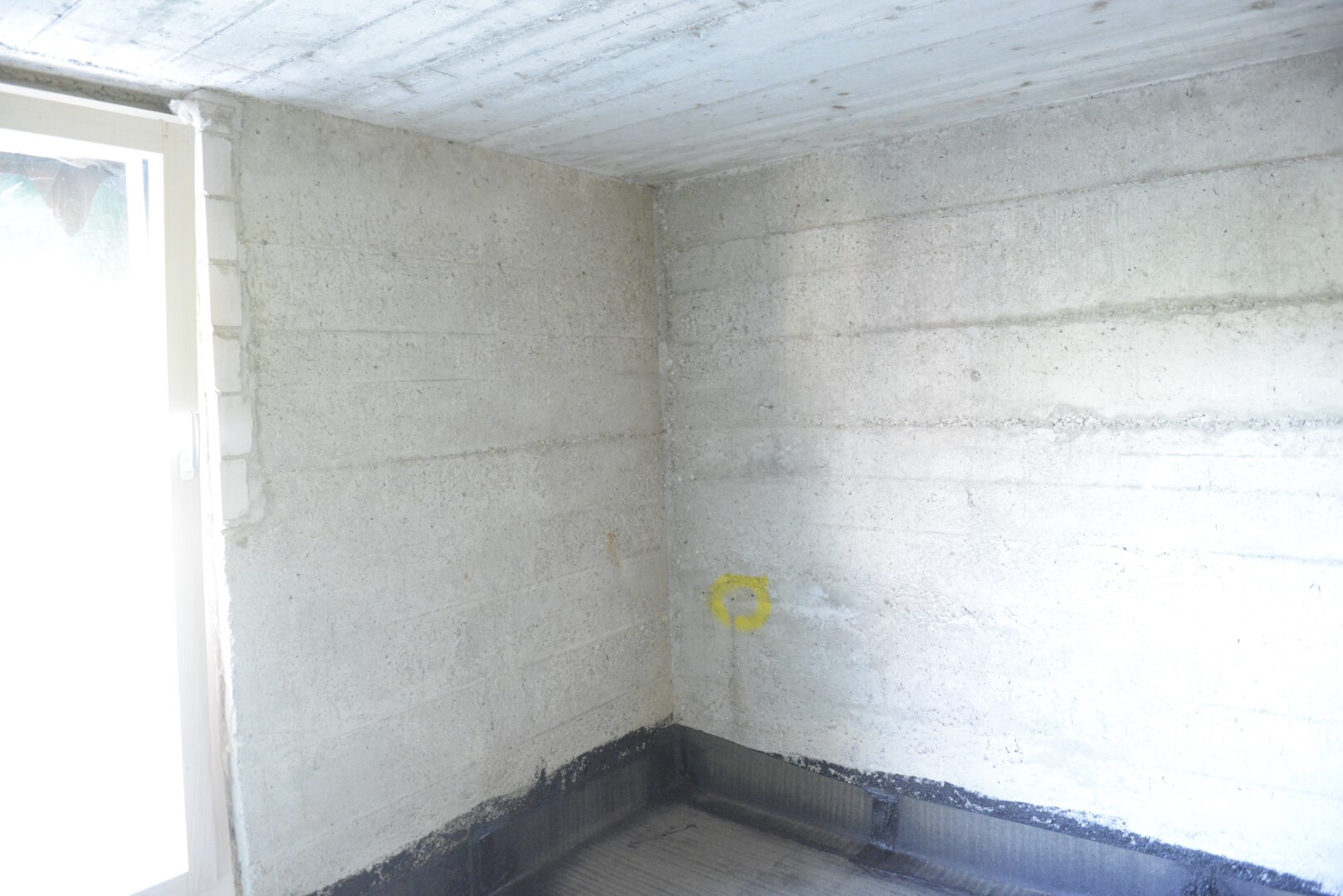
I would like to insulate the interior walls of this basement (see photos). It will be used as a hobby room that will only be heated occasionally. With the 45cm (18 inches) concrete wall, it hardly gets warm.
The concrete wall is in contact with the ground. On the outside, it is sealed with a bitumen membrane (with aluminum layer), drainage, and 13cm (5 inches) of foam glass insulation. The foundation is not sealed. Inside, the basement floor is already sealed with bitumen (aluminum) for the floor construction. On top of that will be 15cm (6 inches) of insulation.
The planned interior layers are:
- Thick bitumen coating
- 3cm (1 inch) wood wool insulation
- 10mm (0.4 inches) ventilation gap
- Fermacell H20 board with lime plaster
What do you think? Could this work?
Thanks for any tips and regards
Michael
K
knalltüte27 May 2020 06:38Hi,
unfortunately, it has been too long since I last dealt with this. And I disposed of my reversible clamp tool 20 years ago :-(
But insulating from the inside is generally worse than insulating from the outside.
Is adding more insulation on the outside no longer an option for you?
If you insulate from the inside, you need to calculate the dew point. Just guessing, it could be around the area of the inner rigid coating or the 3cm (1 inch) wood fiber insulation board. This could cause that material to deteriorate because moisture from the room condenses there. That leads to mold and all the unpleasant consequences.
There are definitely people here who can "quickly" calculate this if you upload a sketch with the exact wall construction (materials, thickness, and thermal resistance).
You might be able to calculate it yourself if you know all the values.
The 13cm (5 inch) Foamglas (cellular glass gravel as a panel?) already provides some insulation... Would 3cm (1 inch) of wood fiber insulation really help much?
Oh, and occasional heating? The massive 45cm (18 inch) concrete walls will probably take at least three days of continuous heating to warm up!
This explains the nonsense of most night-time setback temperatures in heating systems.
So you will probably always need to heat at least somewhat to prevent any building component from cooling down completely.
unfortunately, it has been too long since I last dealt with this. And I disposed of my reversible clamp tool 20 years ago :-(
But insulating from the inside is generally worse than insulating from the outside.
Is adding more insulation on the outside no longer an option for you?
If you insulate from the inside, you need to calculate the dew point. Just guessing, it could be around the area of the inner rigid coating or the 3cm (1 inch) wood fiber insulation board. This could cause that material to deteriorate because moisture from the room condenses there. That leads to mold and all the unpleasant consequences.
There are definitely people here who can "quickly" calculate this if you upload a sketch with the exact wall construction (materials, thickness, and thermal resistance).
You might be able to calculate it yourself if you know all the values.
The 13cm (5 inch) Foamglas (cellular glass gravel as a panel?) already provides some insulation... Would 3cm (1 inch) of wood fiber insulation really help much?
Oh, and occasional heating? The massive 45cm (18 inch) concrete walls will probably take at least three days of continuous heating to warm up!
This explains the nonsense of most night-time setback temperatures in heating systems.
So you will probably always need to heat at least somewhat to prevent any building component from cooling down completely.
M
Michael CH27 May 2020 19:37Thank you for the response. The basement can only be heated with a wood stove.
I have done the dew point calculations (ubakus): no problem. However, the moisture of the non-sealed foundation cannot be taken into account.
Elsewhere, I was recommended a more vapor-permeable insulation material (aerated concrete – Ytong).
I have done the dew point calculations (ubakus): no problem. However, the moisture of the non-sealed foundation cannot be taken into account.
Elsewhere, I was recommended a more vapor-permeable insulation material (aerated concrete – Ytong).
Similar topics