
We are about to install the interior window sills soon. The plan is to use oiled solid wood window sills.
I would like to secure the sills using polyurethane foam. The questions I have are:
I would like to secure the sills using polyurethane foam. The questions I have are:
- Should I use a one-component (1K) or two-component (2K) foam?
- Is there any issue with using foam on oiled wood? How well does the foam adhere to the oiled surface?
- Also, is it necessary to oil the underside of the sills to make them more durable, or can I skip this step?

S
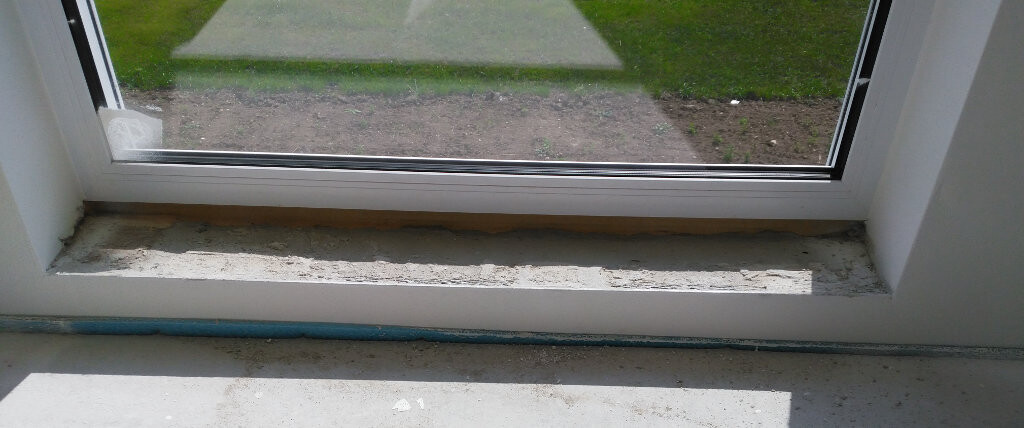
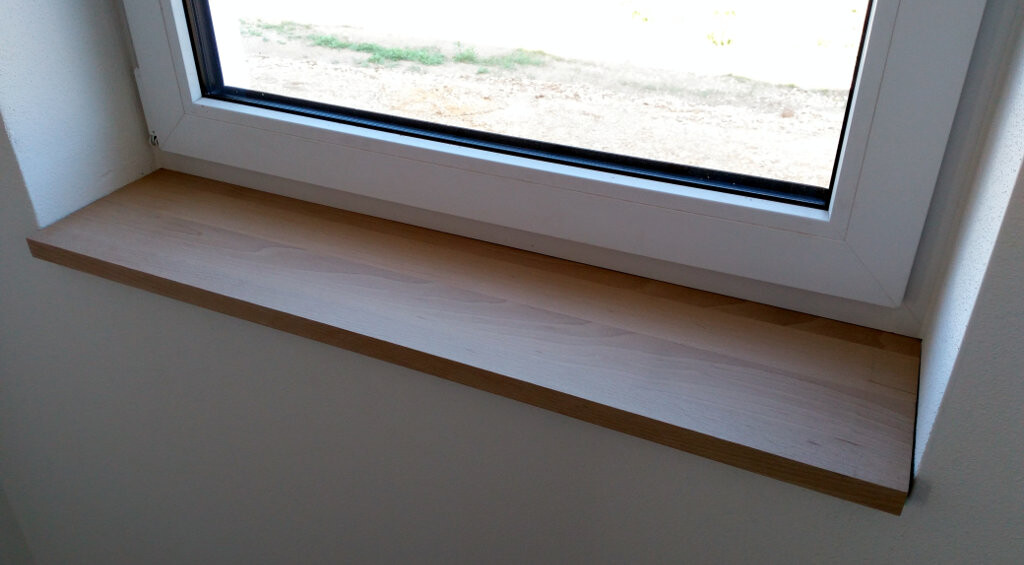
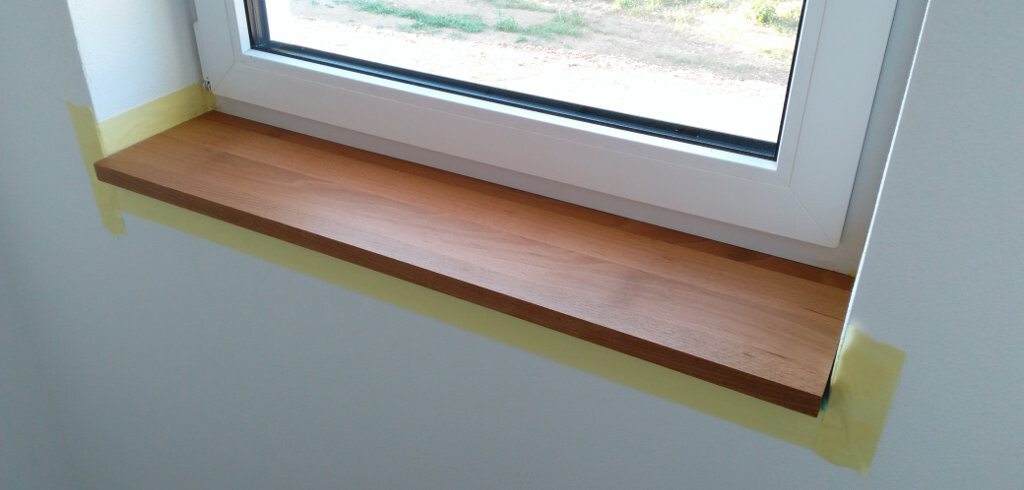
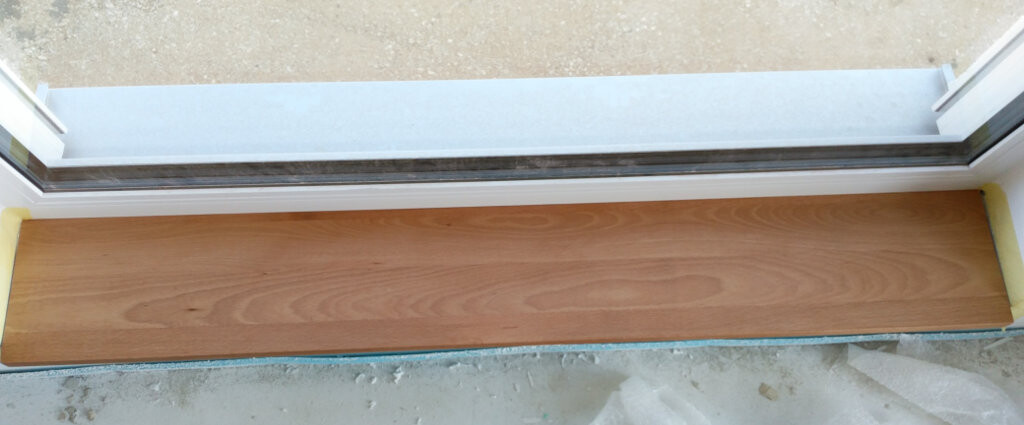
Sackkarre17 Oct 2016 19:17Although a bit delayed, here are the pictures. Before installation, after installation, and after oiling.
G
garfunkel19 Oct 2016 22:18I installed my window sills using shims to adjust the height and plenty of silicone because I found foam too risky due to the building conditions.
I later learned that foam for door frames doesn’t expand as strongly or exert as much pressure. Can anyone confirm this? If that’s true, it might be a good option for something to use in future projects.
I later learned that foam for door frames doesn’t expand as strongly or exert as much pressure. Can anyone confirm this? If that’s true, it might be a good option for something to use in future projects.
With 1K foam, the contents inside the can react with the moisture in the air. This reaction produces carbon dioxide, causing the foam to expand in volume and dry from the outside toward the inside. As a result, the curing process takes longer.
2K foam cures through two components reacting chemically, which makes it more dimensionally stable. It must be applied very quickly because it also cures faster for this reason. These are the advantages of 2K foam, which is why it is preferably used for door frame installation.
2K foam cures through two components reacting chemically, which makes it more dimensionally stable. It must be applied very quickly because it also cures faster for this reason. These are the advantages of 2K foam, which is why it is preferably used for door frame installation.