
ᐅ Independent Expert Assessment for Mold Damage in Older Buildings
Created on: 11 Nov 2025 21:11
J
Jodimaster2k
This has been ongoing since the beginning of 2025.
Exterior wall/corner.
Landlord. (86). They need to ventilate and heat more.
Now an independent court-appointed expert will be involved as a separate evidentiary procedure.
Building protection contractor writes: Clear signs of mold were visible in the lower and upper corner areas of the room, and the wallpaper on the right exterior wall had been removed (according to the tenant, a cabinet had stood here).
At the time of inspection, the room temperature was measured at 21°C (70°F) and the relative humidity at 57%. These values are considered "normal."
A surface temperature measurement of the “exposed” exterior wall at about 1.0 m (3.3 ft) height showed a temperature of 20.20°C (68.4°F).
The temperature measurement in the lower corner behind the bed showed a surface temperature of 17.6°C (63.7°F)! This temperature drop, despite the currently warm weather, is partly due to the corner location (keyword: thermal bridge) and partly due to the unfavorable position of the bed.
As temperatures drop toward autumn and winter, the temperature difference will increase further, inevitably leading to condensation and subsequent mold growth.
The same cause was responsible for the cabinet, now removed, that stood against the exterior wall.
We consider moisture penetration from outside to be ruled out due to the intact two-layer facade.
To verify this, the wall moisture was also measured electrically. The values were within the dry range between 48 and 58 digits. If the room continues to be used as it has been until now, and especially if the furniture position remains unchanged, further mold growth cannot be ruled out!
A structural upgrade of the walls with calcium silicate boards as interior insulation is possible. If interested, we would be happy to provide you with an offer.
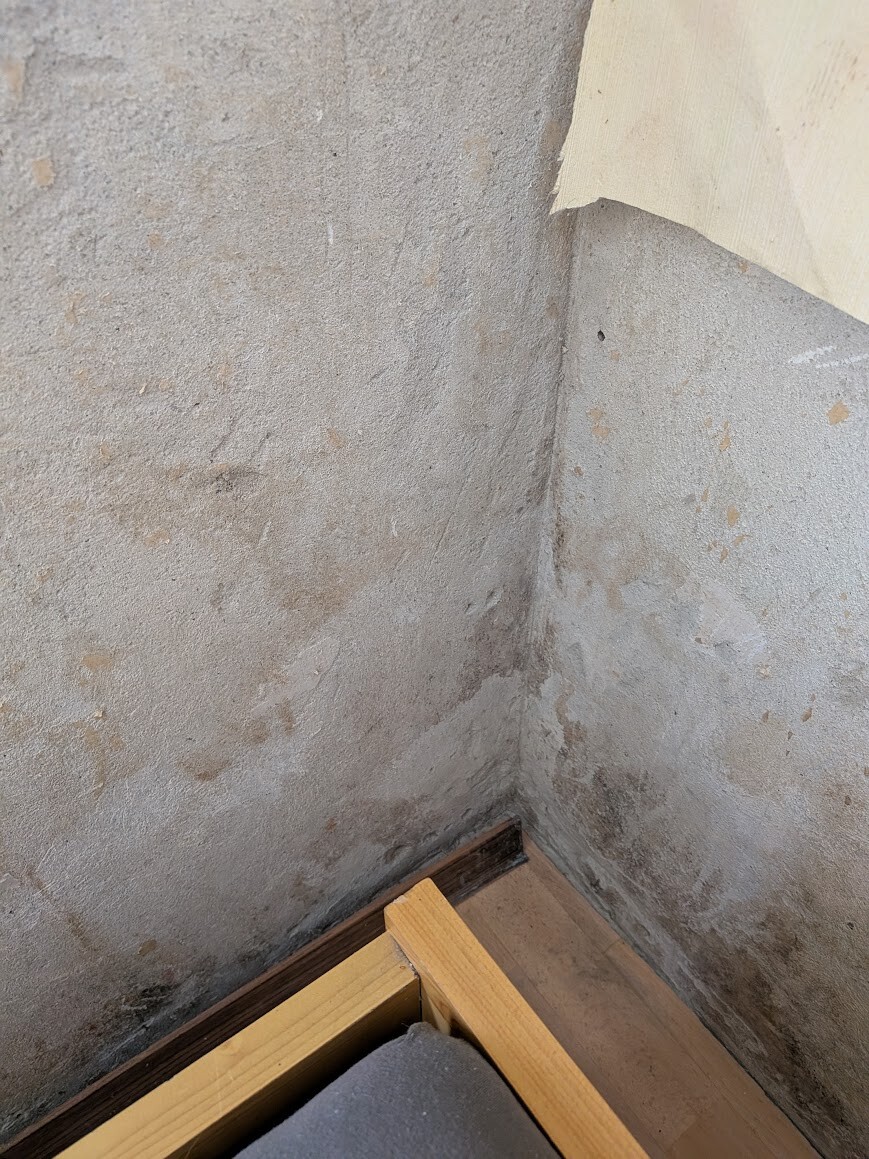
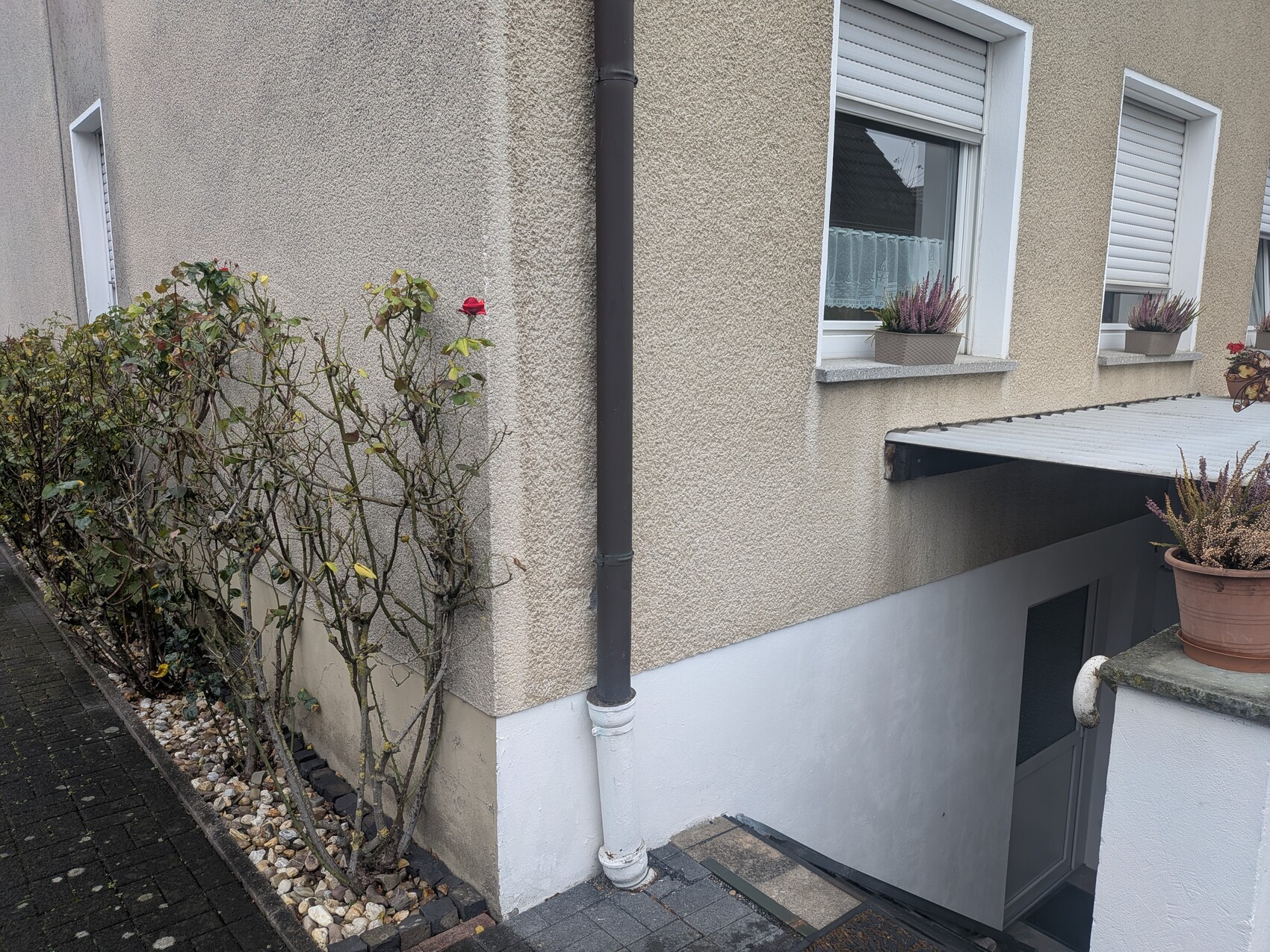
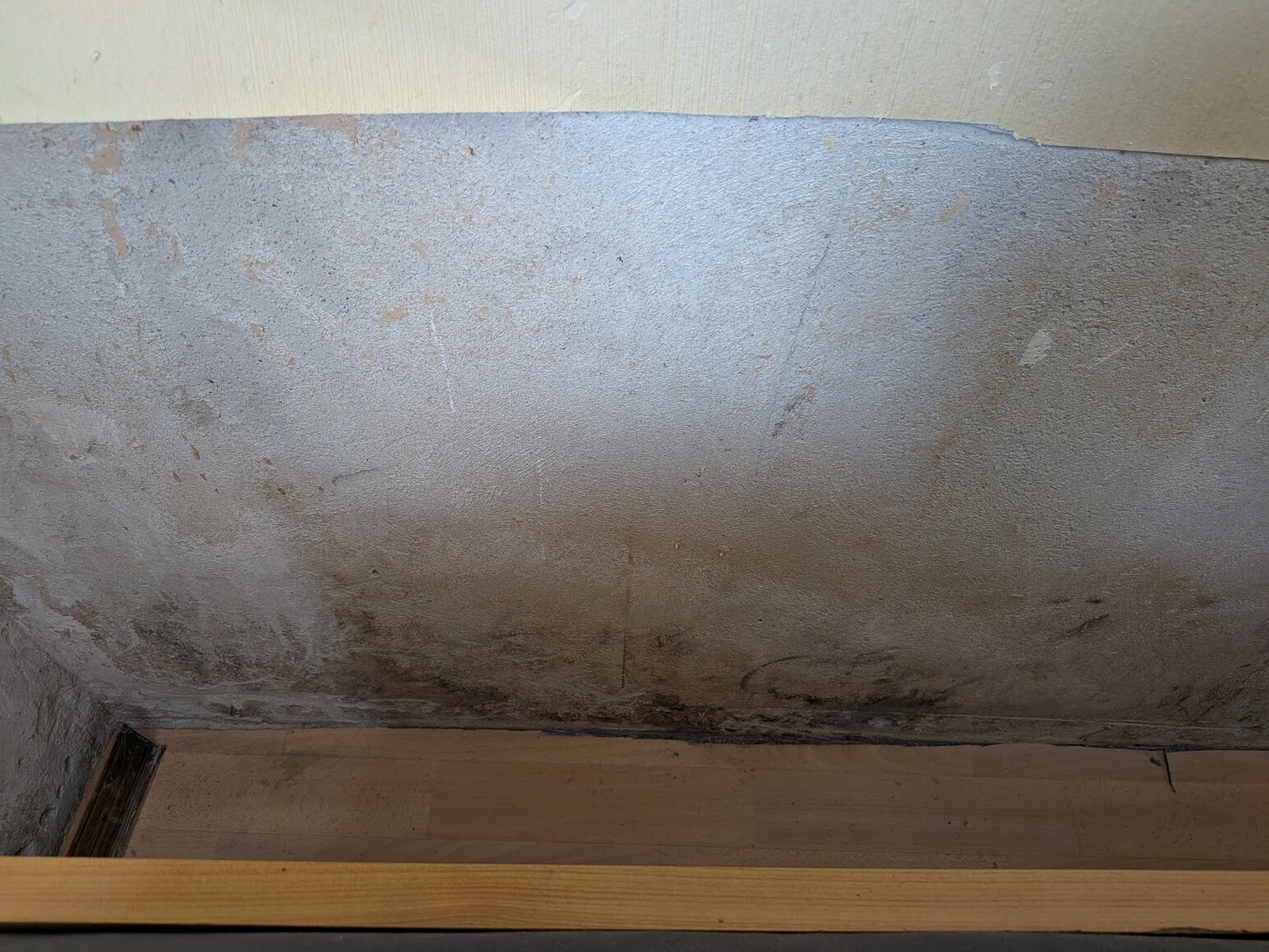
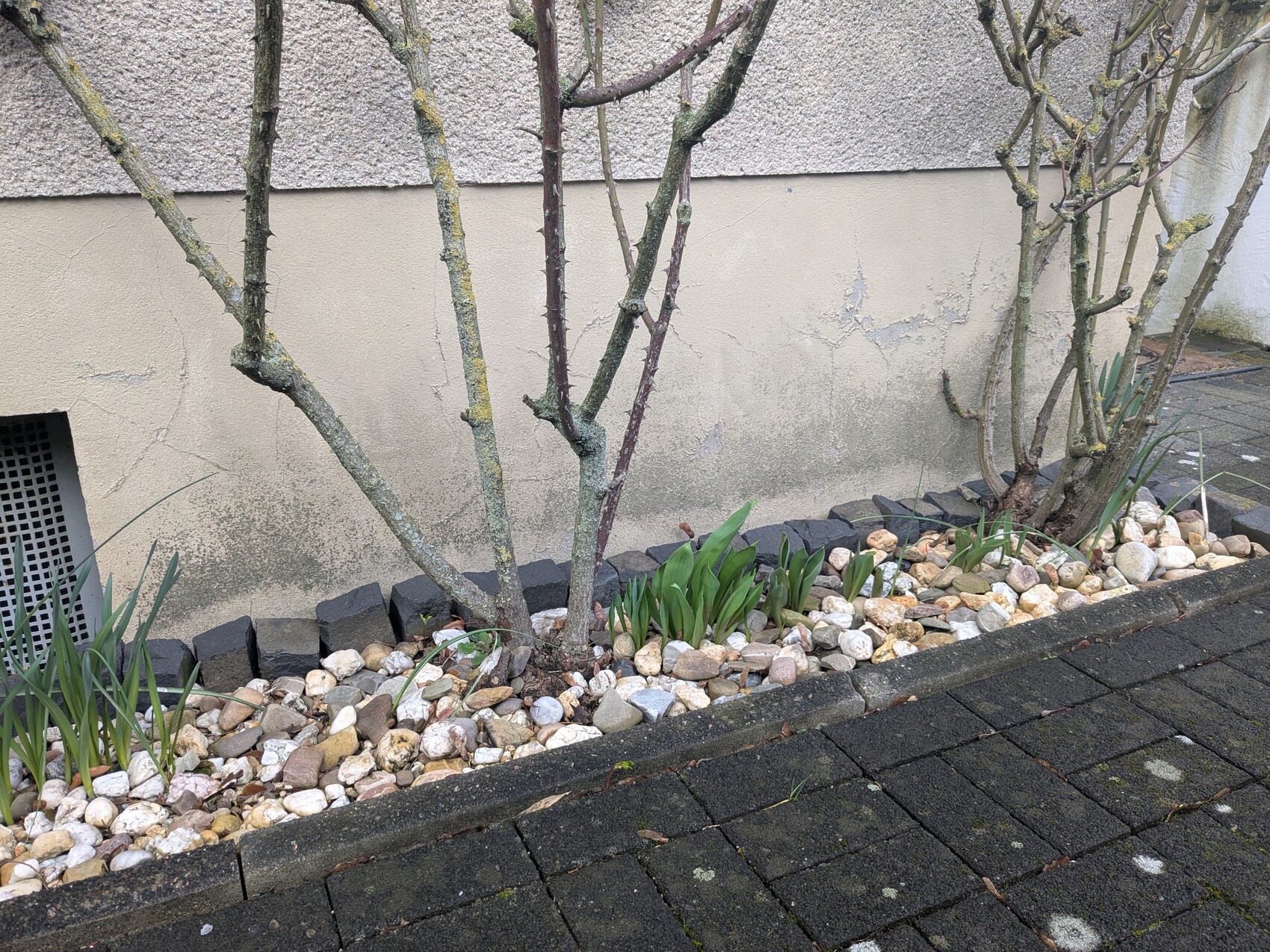
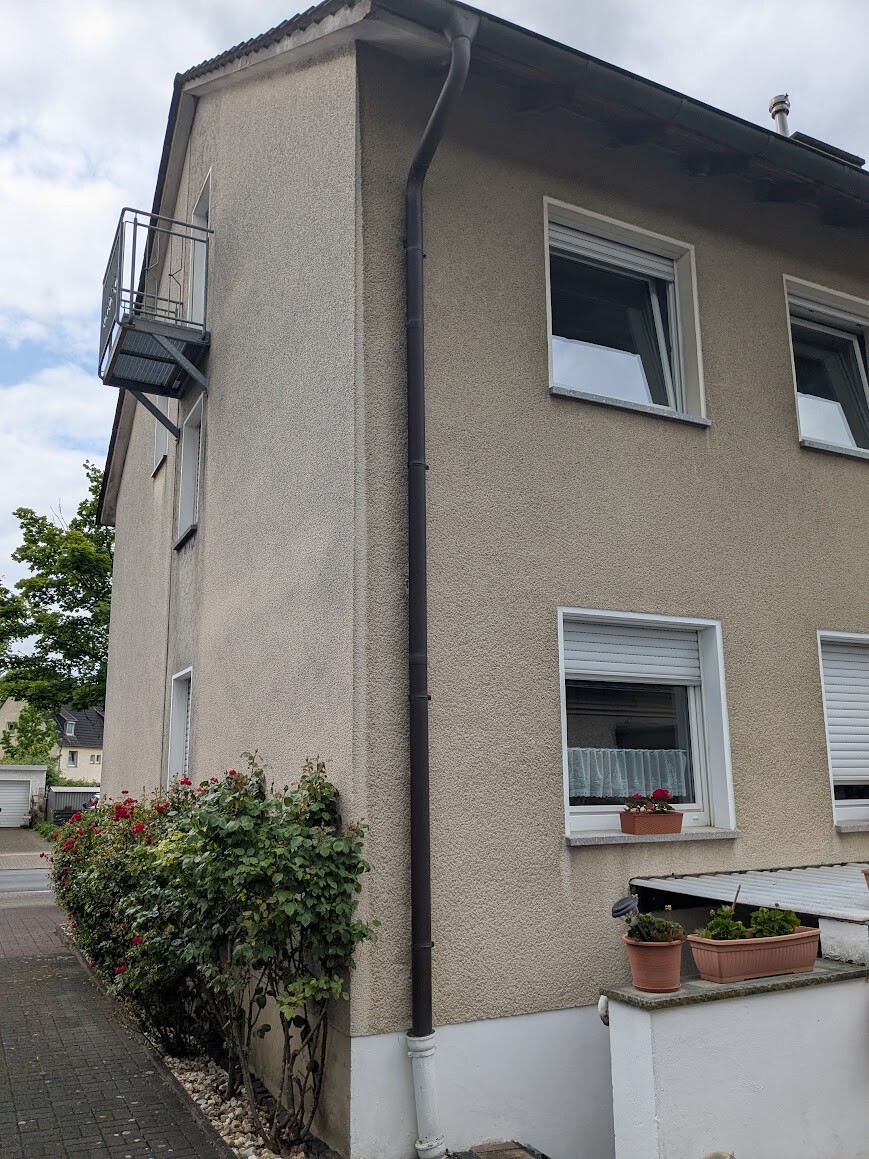
Exterior wall/corner.
Landlord. (86). They need to ventilate and heat more.
Now an independent court-appointed expert will be involved as a separate evidentiary procedure.
Building protection contractor writes: Clear signs of mold were visible in the lower and upper corner areas of the room, and the wallpaper on the right exterior wall had been removed (according to the tenant, a cabinet had stood here).
At the time of inspection, the room temperature was measured at 21°C (70°F) and the relative humidity at 57%. These values are considered "normal."
A surface temperature measurement of the “exposed” exterior wall at about 1.0 m (3.3 ft) height showed a temperature of 20.20°C (68.4°F).
The temperature measurement in the lower corner behind the bed showed a surface temperature of 17.6°C (63.7°F)! This temperature drop, despite the currently warm weather, is partly due to the corner location (keyword: thermal bridge) and partly due to the unfavorable position of the bed.
As temperatures drop toward autumn and winter, the temperature difference will increase further, inevitably leading to condensation and subsequent mold growth.
The same cause was responsible for the cabinet, now removed, that stood against the exterior wall.
We consider moisture penetration from outside to be ruled out due to the intact two-layer facade.
To verify this, the wall moisture was also measured electrically. The values were within the dry range between 48 and 58 digits. If the room continues to be used as it has been until now, and especially if the furniture position remains unchanged, further mold growth cannot be ruled out!
A structural upgrade of the walls with calcium silicate boards as interior insulation is possible. If interested, we would be happy to provide you with an offer.
J
Jodimaster2k2 May 2026 14:16It was the landlord’s building protection contractor who did not conduct a neutral assessment here (he was there for 15 minutes and only took measurements at 1 meter (3 feet) height in the children’s room, nothing more). Therefore, now the court-appointed expert, who was active for 1.5 hours, is involved.