
Hello, I hope this is the right forum for discussing soundproofing.
I recently moved into a newly built apartment, first occupant. Soon after, the petite neighbor above moved in as well, but unfortunately her footsteps are not so light. Every step is not only audible to me but also physically felt, causing pain in my ear. I am now experiencing acute hearing problems. This worries me both for my health and the possibility of not being able to stay here any longer (which actually isn’t really an option since I spent six months searching for an apartment in a metropolitan area). On top of that, I now hear every sound much more intensely. This includes street noise and even just my refrigerator. The room is quite large and combines the kitchen, living room, and office area. I do hear the footsteps in the bedroom as well, but since it is smaller, it seems less noticeable there. Overall, there is a relatively strong sound presence, which I assume is mainly due to the fully plastered and unpainted walls combined with the hardwood floor.
Next week, a team of construction workers will come to assess the impact noise problem. The (65m² (700 sq ft)) apartment costs about 400,000 Euros, so technically there shouldn’t be such an issue regardless of how heavy the upstairs neighbor walks. At least she has now switched off her subwoofer...
However, I don’t want to fully rely on the construction team. They might consider the noise normal, so I’m planning to take some countermeasures myself. But first, I’m trying to understand how exactly this strong, painful sound wave is generated. Is it the room amplifying the vibrations until they reach my ear, or is it the large ceiling surface directly radiating the sound at that intensity?
The current plan includes installing curtains to reduce street noise. Then, on the large plastered (no wallpaper) walls, I will hang “huge” acoustic panels covered with fabric. Additionally, I want to place tall bookshelves and cover as much of the floor as possible with thick, plush carpet. This way, I would cover almost all walls and floors with sound-absorbing materials.
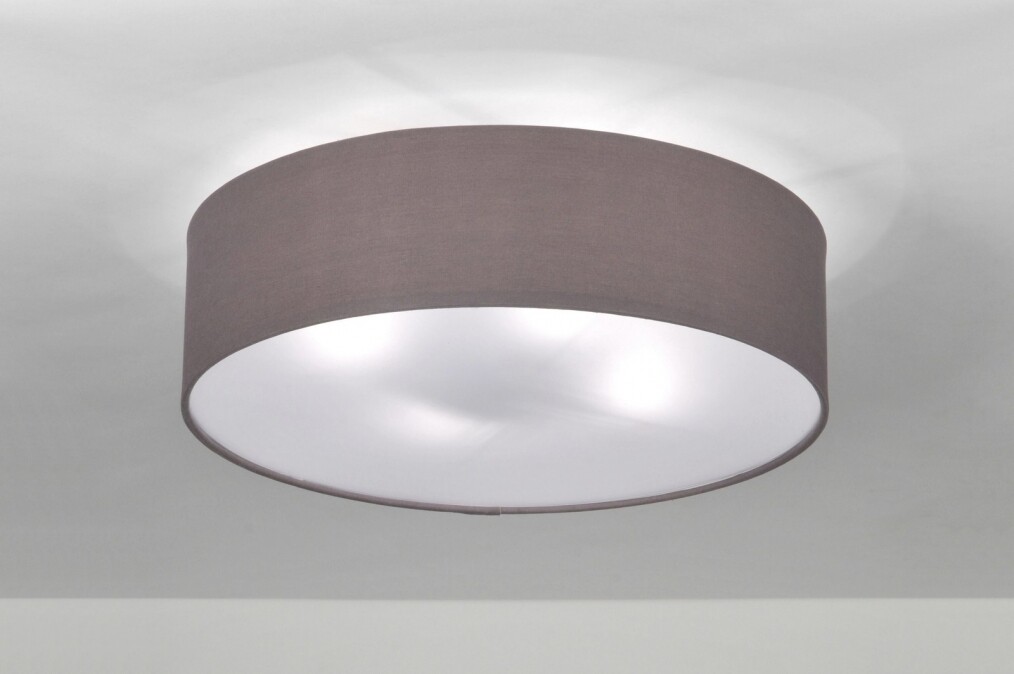
Focusing on the ceiling seems logical at first glance, but it’s rather difficult to soundproof. One idea is to install relatively large ceiling lights, some of which I would partially fill with acoustic foam:
Is there anyone here who can relate to my problem and perhaps has dealt with it themselves? An explanation of how impact noise behaves would already be very helpful to take effective countermeasures.
I recently moved into a newly built apartment, first occupant. Soon after, the petite neighbor above moved in as well, but unfortunately her footsteps are not so light. Every step is not only audible to me but also physically felt, causing pain in my ear. I am now experiencing acute hearing problems. This worries me both for my health and the possibility of not being able to stay here any longer (which actually isn’t really an option since I spent six months searching for an apartment in a metropolitan area). On top of that, I now hear every sound much more intensely. This includes street noise and even just my refrigerator. The room is quite large and combines the kitchen, living room, and office area. I do hear the footsteps in the bedroom as well, but since it is smaller, it seems less noticeable there. Overall, there is a relatively strong sound presence, which I assume is mainly due to the fully plastered and unpainted walls combined with the hardwood floor.
Next week, a team of construction workers will come to assess the impact noise problem. The (65m² (700 sq ft)) apartment costs about 400,000 Euros, so technically there shouldn’t be such an issue regardless of how heavy the upstairs neighbor walks. At least she has now switched off her subwoofer...
However, I don’t want to fully rely on the construction team. They might consider the noise normal, so I’m planning to take some countermeasures myself. But first, I’m trying to understand how exactly this strong, painful sound wave is generated. Is it the room amplifying the vibrations until they reach my ear, or is it the large ceiling surface directly radiating the sound at that intensity?
The current plan includes installing curtains to reduce street noise. Then, on the large plastered (no wallpaper) walls, I will hang “huge” acoustic panels covered with fabric. Additionally, I want to place tall bookshelves and cover as much of the floor as possible with thick, plush carpet. This way, I would cover almost all walls and floors with sound-absorbing materials.
Focusing on the ceiling seems logical at first glance, but it’s rather difficult to soundproof. One idea is to install relatively large ceiling lights, some of which I would partially fill with acoustic foam:
Is there anyone here who can relate to my problem and perhaps has dealt with it themselves? An explanation of how impact noise behaves would already be very helpful to take effective countermeasures.
Absolutely a reasonable question, but others hear it exactly as I do, including the tenants above me, who are practically responsible for the impact sound and have been making a real effort lately. However, that doesn’t help much.
Furthermore, thank you for the additional responses. I am only a tenant myself, so my ability to take action is limited.
As mentioned above, it took six months to find an apartment (any kind) in the first place. I probably wouldn’t want to go through that again in a few years. Besides, I was quite lucky in every other respect with this apartment—just not with the noise.
Furthermore, thank you for the additional responses. I am only a tenant myself, so my ability to take action is limited.
As mentioned above, it took six months to find an apartment (any kind) in the first place. I probably wouldn’t want to go through that again in a few years. Besides, I was quite lucky in every other respect with this apartment—just not with the noise.

Hello "bueeyes." Sometimes, talking things through can be much more effective than you might initially think.
Suggestion: Over a few days, note the times when the impact noise occurs (if possible, specify which room) and try to discuss this with the occupant of the apartment above you.
The impact sound insulation can be compromised by just a few small sound bridges. For example, this can happen before the installation of the floor covering above your apartment, during the filling work when the leveling compound partially leaked into the edge joint of the screed.
Try talking to the occupant and work together on a solution before letting it affect your nerves.
---------------------
Regards, KlaRa
Suggestion: Over a few days, note the times when the impact noise occurs (if possible, specify which room) and try to discuss this with the occupant of the apartment above you.
The impact sound insulation can be compromised by just a few small sound bridges. For example, this can happen before the installation of the floor covering above your apartment, during the filling work when the leveling compound partially leaked into the edge joint of the screed.
Try talking to the occupant and work together on a solution before letting it affect your nerves.
---------------------
Regards, KlaRa
Of course, I have already addressed this with the tenant, and she understood... but it doesn’t help.
The site manager and others were here and were able to replicate the noise by walking barefoot and stomping through the apartment with about twice the body weight. The tenant is striking the floor so heavily with her heels that even her normal walking is still very loud. They suggested carrying out an impact sound measurement and/or removing all the baseboards to check the perimeter gap. However, this probably won’t help.
She is reportedly making an effort and now wears slippers inside the apartment... but not always. Currently, on Sunday morning, she has been stomping around the apartment like an elephant for three hours straight.
Is there any other way to deal with this? Without her changing her unbearable and unprecedented walking style, this apartment will remain uninhabitable (I’m only sitting here wearing headphones). Feeling helpless.
The site manager and others were here and were able to replicate the noise by walking barefoot and stomping through the apartment with about twice the body weight. The tenant is striking the floor so heavily with her heels that even her normal walking is still very loud. They suggested carrying out an impact sound measurement and/or removing all the baseboards to check the perimeter gap. However, this probably won’t help.
She is reportedly making an effort and now wears slippers inside the apartment... but not always. Currently, on Sunday morning, she has been stomping around the apartment like an elephant for three hours straight.
Is there any other way to deal with this? Without her changing her unbearable and unprecedented walking style, this apartment will remain uninhabitable (I’m only sitting here wearing headphones). Feeling helpless.
Hello "blueeyes",
According to your description, this is not only an unpleasant situation but also one without an obvious solution. There are only two options to consider: stay and endure or move out. If the impact sound insulation complies with the standards and can be proven, there is no further recourse! Alternatively, you could take the legal route, but that involves various risks. I honestly couldn’t say what I would decide myself. All that remains is a word of sympathy, although that may not be very helpful!
Best regards, KlaRa
According to your description, this is not only an unpleasant situation but also one without an obvious solution. There are only two options to consider: stay and endure or move out. If the impact sound insulation complies with the standards and can be proven, there is no further recourse! Alternatively, you could take the legal route, but that involves various risks. I honestly couldn’t say what I would decide myself. All that remains is a word of sympathy, although that may not be very helpful!
Best regards, KlaRa
Similar topics