
Dear forum members,
I hope you can help me with a problem I’m having. I have been living with my boyfriend in a rented apartment for three years. Already during the first autumn/winter, I was amazed by how much the windows would fog up. As soon as the temperature drops, so much condensation gathers that it literally drips onto the floor. At first, we aired the apartment thoroughly every day for a long time despite the cold outside, but that didn’t help much. Last year, my boyfriend had the brilliant idea to sleep with the window open during winter, so we got to enjoy a little peace – and about 1300€ extra heating costs...
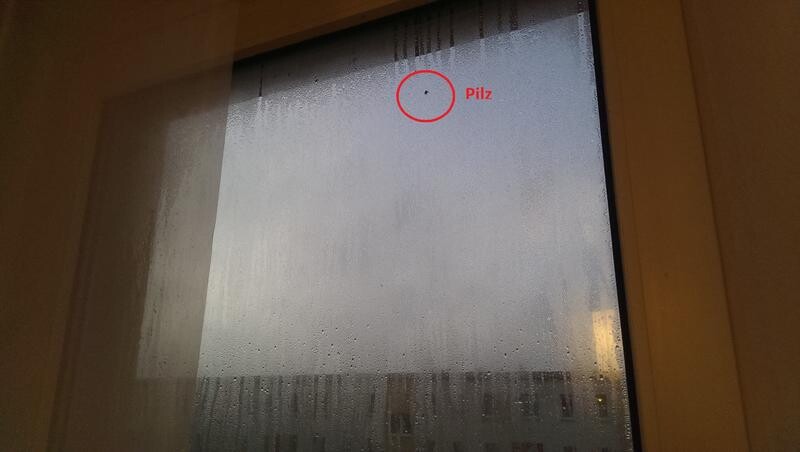
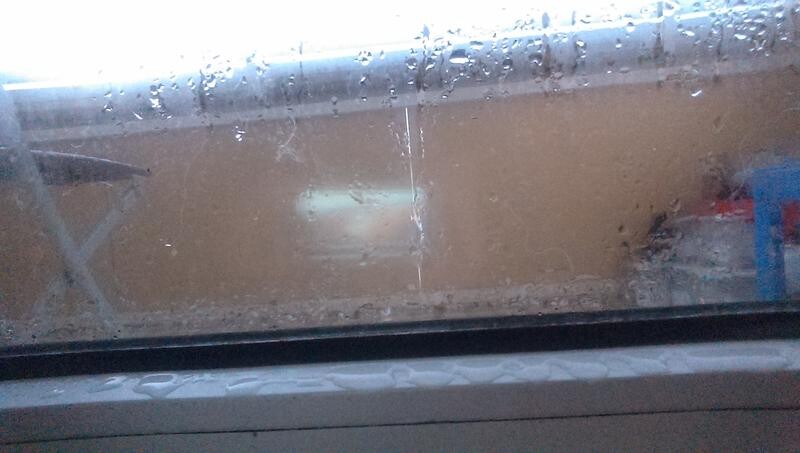
This year the problem has, of course, reappeared. My boyfriend refuses to talk to the landlord because he’s afraid of possible costs for inspections. I can’t do it myself since I’m not on the lease and I don’t really understand the legal side of things (I’m a foreigner studying in Germany). My boyfriend says I should just keep stacking more cloths on every window and on the floor. But I’m running out of those too! Can anyone help me? What else can I do? Is it our fault that the windows look like this? Can the landlord charge us for repair or inspection costs? This morning I took a few photos to illustrate what I’m dealing with every day (really, it looks like this day and night):
Bedroom:
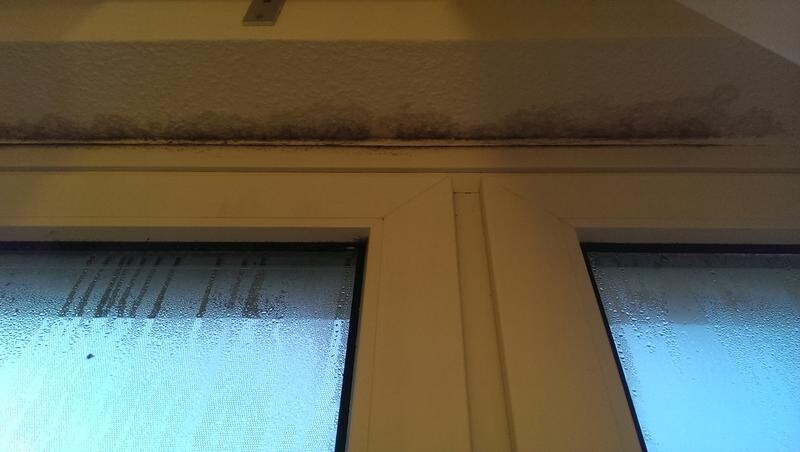
Here you can see how bad the mold problem in the bedroom is, even though we have used special treatments against it:
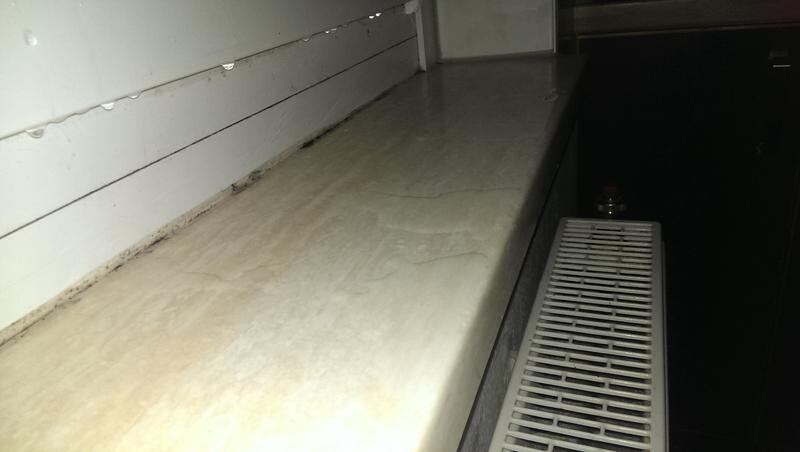
Kitchen:
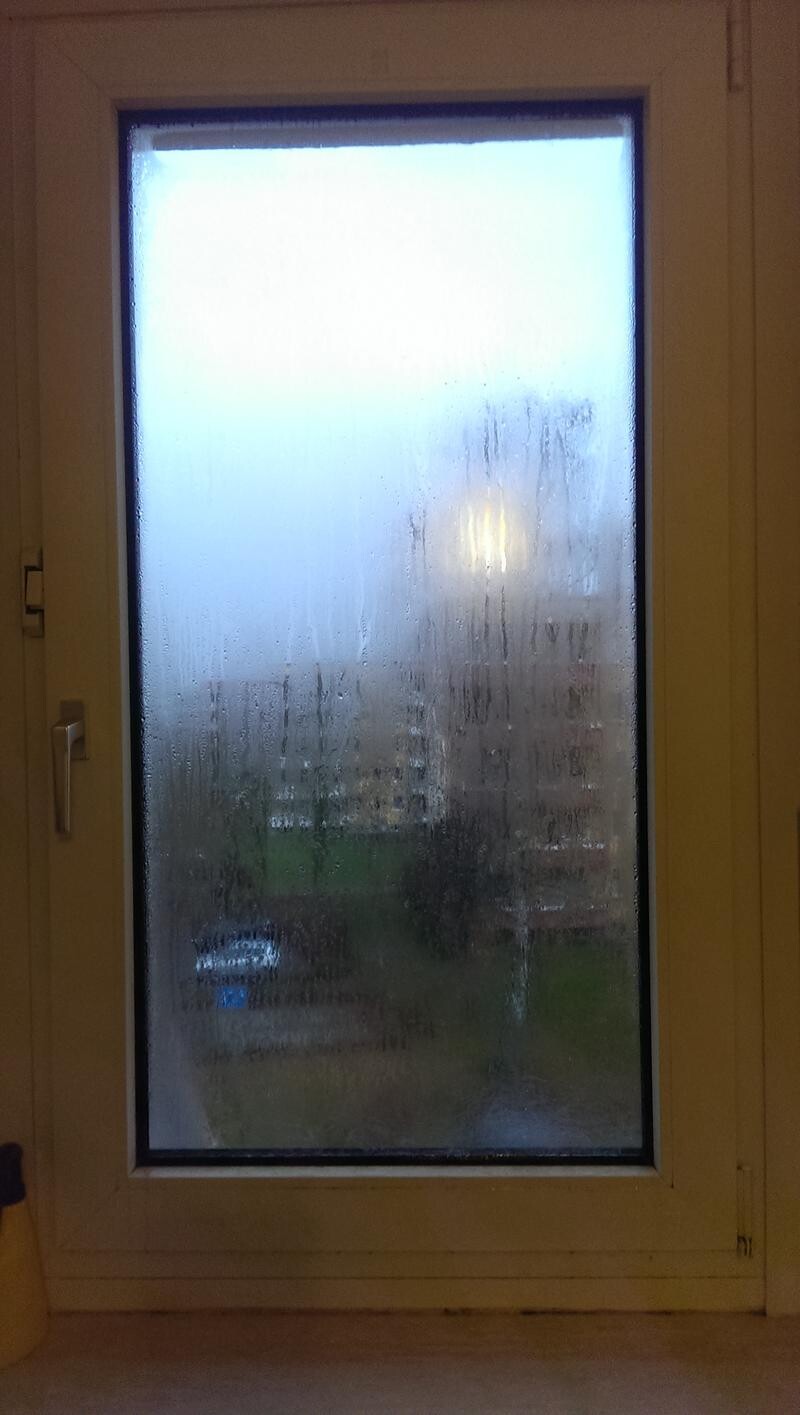
Living room balcony door:
We still have one window in the study that stays comparatively dry… Why is that?
I welcome any advice. Have a great day!
Maszka
I hope you can help me with a problem I’m having. I have been living with my boyfriend in a rented apartment for three years. Already during the first autumn/winter, I was amazed by how much the windows would fog up. As soon as the temperature drops, so much condensation gathers that it literally drips onto the floor. At first, we aired the apartment thoroughly every day for a long time despite the cold outside, but that didn’t help much. Last year, my boyfriend had the brilliant idea to sleep with the window open during winter, so we got to enjoy a little peace – and about 1300€ extra heating costs...
This year the problem has, of course, reappeared. My boyfriend refuses to talk to the landlord because he’s afraid of possible costs for inspections. I can’t do it myself since I’m not on the lease and I don’t really understand the legal side of things (I’m a foreigner studying in Germany). My boyfriend says I should just keep stacking more cloths on every window and on the floor. But I’m running out of those too! Can anyone help me? What else can I do? Is it our fault that the windows look like this? Can the landlord charge us for repair or inspection costs? This morning I took a few photos to illustrate what I’m dealing with every day (really, it looks like this day and night):
Bedroom:
Here you can see how bad the mold problem in the bedroom is, even though we have used special treatments against it:
Kitchen:
Living room balcony door:
We still have one window in the study that stays comparatively dry… Why is that?
I welcome any advice. Have a great day!
Maszka
B
Bauexperte3 Dec 2014 12:12Hello,
Let’s assume the original poster follows your advice – do you really believe the moisture issues will be resolved by the time they move out next year? Either way, in my opinion, the landlord will become aware of the problem, even if only because of sharply increased heating costs. For that reason, I would recommend addressing the issue proactively to forestall the landlord’s reaction.
Regards, Bauexperte
f-pNo schrieb:No, why would that be?
With this tip, I’m probably causing some trouble with @Bauexperte, since this shifts the responsibility for solving the problem onto the landlord – but it could be an alternative if nothing changes in the medium term.
Let’s assume the original poster follows your advice – do you really believe the moisture issues will be resolved by the time they move out next year? Either way, in my opinion, the landlord will become aware of the problem, even if only because of sharply increased heating costs. For that reason, I would recommend addressing the issue proactively to forestall the landlord’s reaction.
Regards, Bauexperte
Something doesn’t seem right. If the original poster has 21°C (70°F) room temperature with 60% relative humidity, then according to the dew point chart, the surface temperature would have to be around 12.9°C (55.2°F) to cause condensation. If those were my windows, I would get a surface thermometer (they cost less than 20 euros) and measure the glass temperature. Without this value, no reliable conclusions can be drawn anyway.

@Bauexperte
As I already mentioned, I believe that these measures will not completely dry out the area within this time frame. However, after about six months, in my opinion, there should be significantly less moisture on the windows. If that is the case, it could be concluded that the moisture is indeed caused by improper ventilation and heating behavior, which will improve over time with consistent ventilation and heating.
If no improvement occurs, I would suspect structural defects. In that case, one should seriously consider relocating.
Well – the original poster said the building dates from 1965. I don’t know to what extent the housing association has carried out renovations, but given the year of construction, single-pane windows might still be installed. It’s understandable that under current outdoor temperature conditions, the glass could get quite cold. However, this is just speculation.
As I already mentioned, I believe that these measures will not completely dry out the area within this time frame. However, after about six months, in my opinion, there should be significantly less moisture on the windows. If that is the case, it could be concluded that the moisture is indeed caused by improper ventilation and heating behavior, which will improve over time with consistent ventilation and heating.
If no improvement occurs, I would suspect structural defects. In that case, one should seriously consider relocating.
Elina schrieb:
Something doesn’t add up here. If the indoor temperature is 21°C (70°F) with 60% relative humidity, according to the dew point chart the surface temperature would need to be about 12.9°C (55°F) for condensation to form. If those were my windows, I would get a surface thermometer (they cost less than 20 euros) and measure the glass temperature. Without this data, no reliable conclusions can be drawn.
Well – the original poster said the building dates from 1965. I don’t know to what extent the housing association has carried out renovations, but given the year of construction, single-pane windows might still be installed. It’s understandable that under current outdoor temperature conditions, the glass could get quite cold. However, this is just speculation.
The panes in the photo look like insulated glass, but that doesn’t necessarily mean much. The insulated glass windows in our old apartment were leaking (water got through the seals), and the gas filling had escaped. The water just ran down like that, though not in torrents. A surface thermometer would probably provide a clear answer.
Elina schrieb:
The panes look like insulated glass in the photo, but that doesn’t necessarily mean much. The insulated glass windows in our old apartment were drafty (water got through the seals) and the gas filling had leaked out. There, the water just ran down, but not in heavy streams. A surface thermometer would probably clarify things.You’re right – in such a situation, a thermometer could provide clarity.
If that’s the case, it would be one of the reasons mentioned above that might justify moving. Because with drafty insulated windows where the gas filling has escaped, tenants can ventilate and heat all they want without much effect.
Well – maybe we’ll find out in about six months what the situation is or how it turned out.
Similar topics