
Dear forum members,
I hope you can help me with a problem I’m having. I have been living with my boyfriend in a rented apartment for three years. Already during the first autumn/winter, I was amazed by how much the windows would fog up. As soon as the temperature drops, so much condensation gathers that it literally drips onto the floor. At first, we aired the apartment thoroughly every day for a long time despite the cold outside, but that didn’t help much. Last year, my boyfriend had the brilliant idea to sleep with the window open during winter, so we got to enjoy a little peace – and about 1300€ extra heating costs...
This year the problem has, of course, reappeared. My boyfriend refuses to talk to the landlord because he’s afraid of possible costs for inspections. I can’t do it myself since I’m not on the lease and I don’t really understand the legal side of things (I’m a foreigner studying in Germany). My boyfriend says I should just keep stacking more cloths on every window and on the floor. But I’m running out of those too! Can anyone help me? What else can I do? Is it our fault that the windows look like this? Can the landlord charge us for repair or inspection costs? This morning I took a few photos to illustrate what I’m dealing with every day (really, it looks like this day and night):
Bedroom:
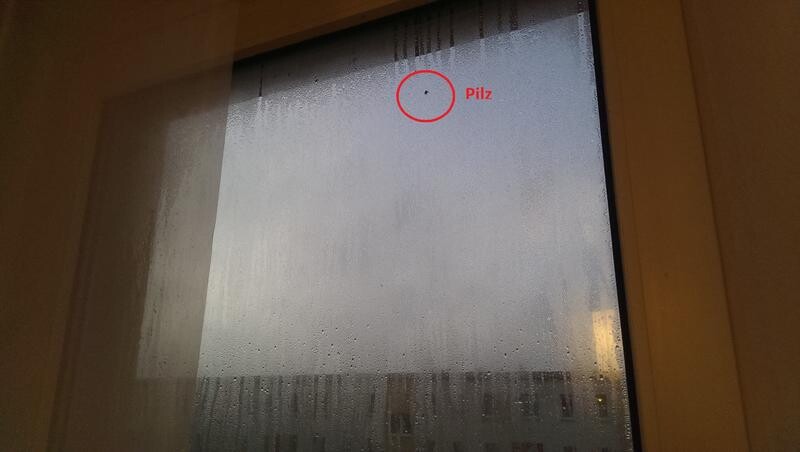
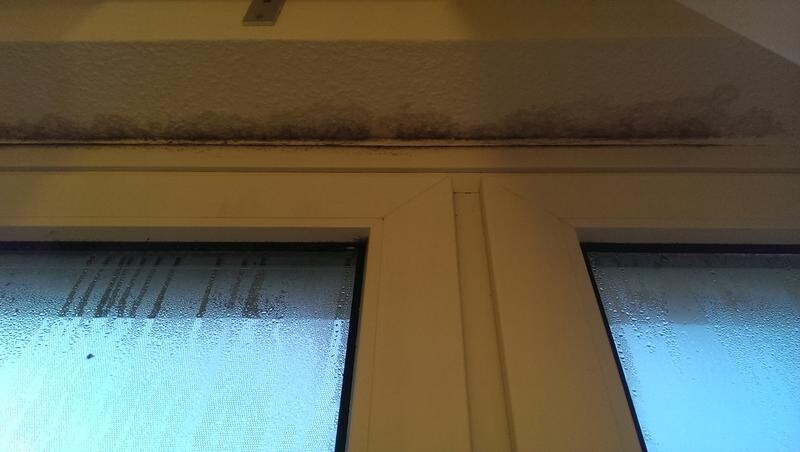
Here you can see how bad the mold problem in the bedroom is, even though we have used special treatments against it:
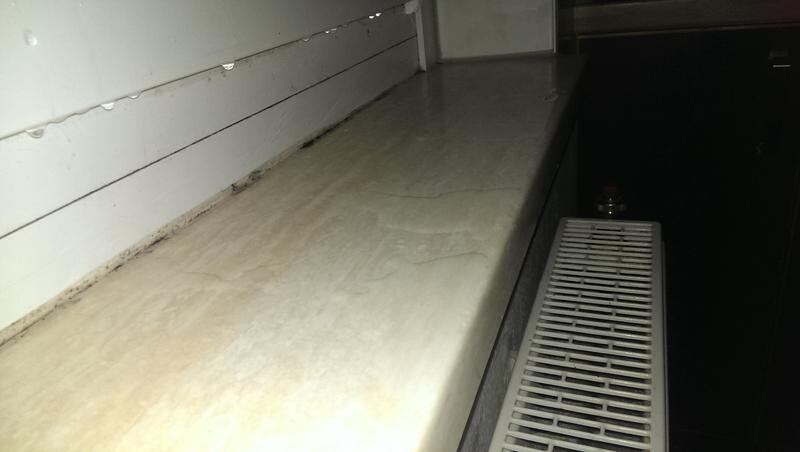
Kitchen:
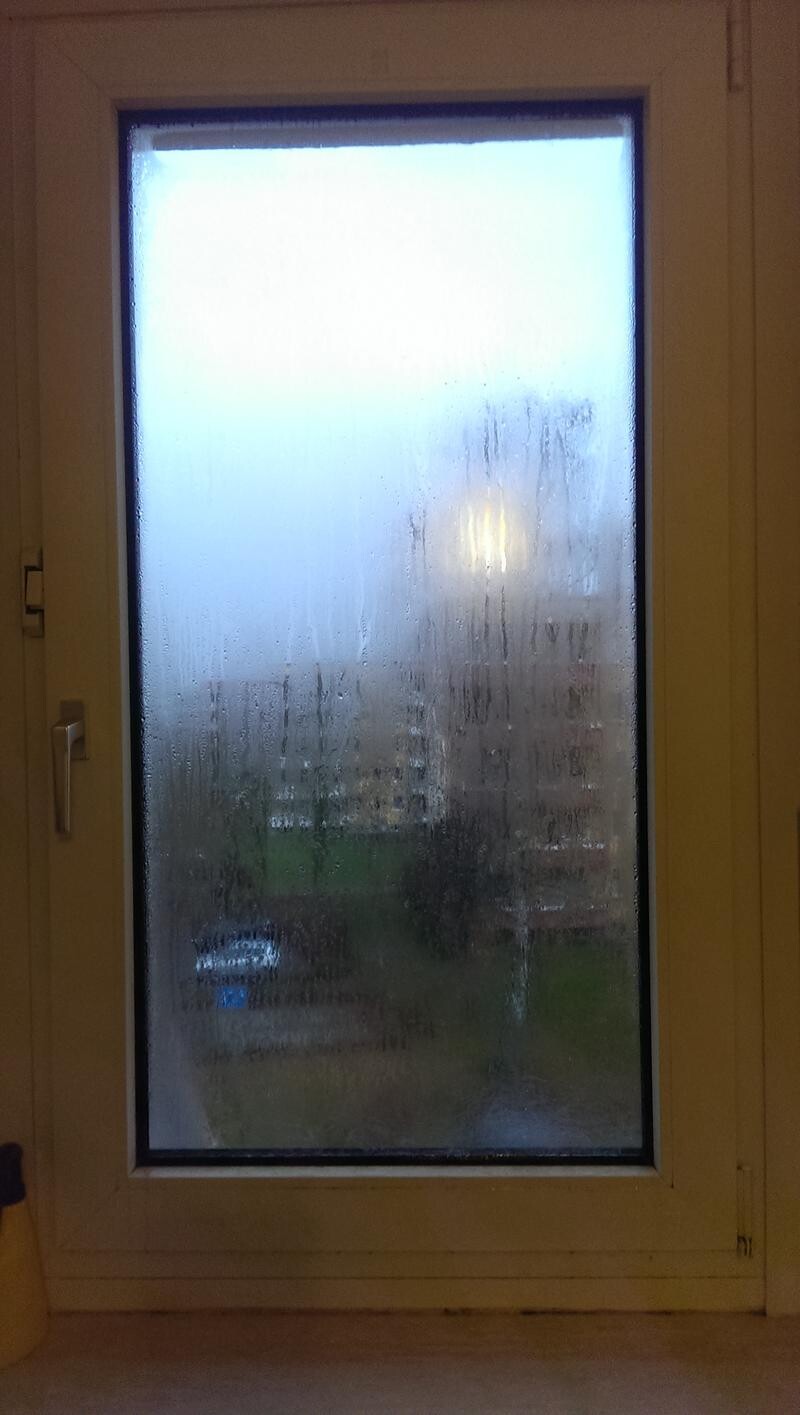
Living room balcony door:
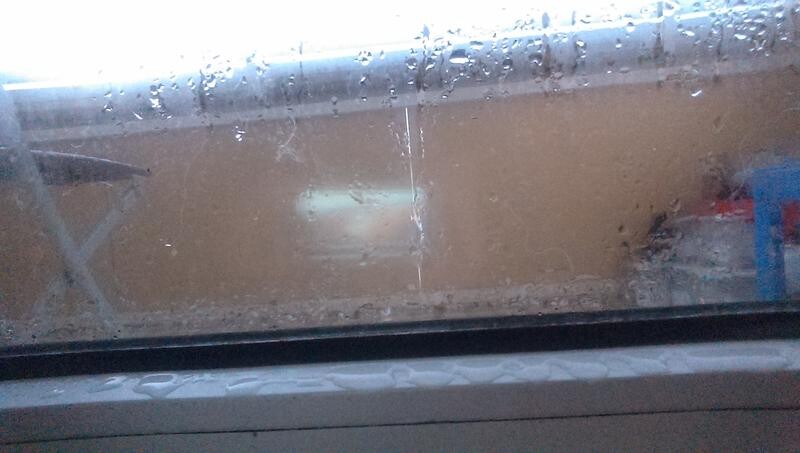
We still have one window in the study that stays comparatively dry… Why is that?
I welcome any advice. Have a great day!
Maszka
I hope you can help me with a problem I’m having. I have been living with my boyfriend in a rented apartment for three years. Already during the first autumn/winter, I was amazed by how much the windows would fog up. As soon as the temperature drops, so much condensation gathers that it literally drips onto the floor. At first, we aired the apartment thoroughly every day for a long time despite the cold outside, but that didn’t help much. Last year, my boyfriend had the brilliant idea to sleep with the window open during winter, so we got to enjoy a little peace – and about 1300€ extra heating costs...
This year the problem has, of course, reappeared. My boyfriend refuses to talk to the landlord because he’s afraid of possible costs for inspections. I can’t do it myself since I’m not on the lease and I don’t really understand the legal side of things (I’m a foreigner studying in Germany). My boyfriend says I should just keep stacking more cloths on every window and on the floor. But I’m running out of those too! Can anyone help me? What else can I do? Is it our fault that the windows look like this? Can the landlord charge us for repair or inspection costs? This morning I took a few photos to illustrate what I’m dealing with every day (really, it looks like this day and night):
Bedroom:
Here you can see how bad the mold problem in the bedroom is, even though we have used special treatments against it:
Kitchen:
Living room balcony door:
We still have one window in the study that stays comparatively dry… Why is that?
I welcome any advice. Have a great day!
Maszka
B
Bauexperte1 Dec 2014 10:00Hello,
what strikes me as odd is that you have not mentioned whether other tenants are experiencing similar issues. Therefore, I assume that it is solely due to your previous heating and ventilation habits.
Best regards, Bauexperte
what strikes me as odd is that you have not mentioned whether other tenants are experiencing similar issues. Therefore, I assume that it is solely due to your previous heating and ventilation habits.
falka schrieb:If you were moving into a single-family house built according to today’s energy-saving regulations, it would take about two years for the remaining moisture to fully dissipate (even though most bricks are bonded and the main source of moisture entering the house is the screed) with constant heating and ventilation. How can you therefore assume that your apartment can be dry after only a few days—and only recently with proper heating and ventilation? I would expect it to take quite a while longer until the exterior walls are reasonably dry.
I think I will try to ventilate and heat the apartment properly and conscientiously for maybe another week. But what if nothing changes? Is it then up to the housing company to decide? If it’s all our fault, then we just have to accept it. Something has to change anyway.
Best regards, Bauexperte

@Bauexperte
I have mentioned before that our downstairs neighbor also has issues with condensation on the window, but not as severe. I’m not sure how long I should wait and continue monitoring, so that’s why I’m asking.
We will have to repaint the walls with an anti-mold treatment and redo the wallpaper during the summer anyway. I just don’t want the same problem to happen every winter.
I have mentioned before that our downstairs neighbor also has issues with condensation on the window, but not as severe. I’m not sure how long I should wait and continue monitoring, so that’s why I’m asking.
We will have to repaint the walls with an anti-mold treatment and redo the wallpaper during the summer anyway. I just don’t want the same problem to happen every winter.

Hello falka,
I once had a similar problem in a small apartment. Now – after reading here – I realize that it wasn’t the ventilation but rather my heating behavior that was the cause.
If your bathroom does not have any ventilation option, you should definitely open the window for 10 to 15 minutes right after showering or bathing. Otherwise, the moisture spreads throughout the entire apartment since it has no way to escape. However, since you have had this problem for a long time, I assume you are already doing this.
I also think that drying out the apartment is a long process. Still, in my opinion, the moisture levels should continue to decrease over time (at least you shouldn’t expect waterfalls anymore – fogged-up windows will remain longer). If the problem doesn’t reduce by next summer, you might want to consider moving.
Since you registered from MeckPom and are apparently a student, I guess your residence might be Rostock, Greifswald, or Schwerin. I can’t judge Schwerin, but in the other two cities, you should be able to find apartments of a similar size and price range.
With this tip, I’m probably inviting criticism from @Bauexperte, as it shifts the responsibility for solving the problem onto the landlord – but it would at least be an alternative if nothing changes in the medium term.
I once had a similar problem in a small apartment. Now – after reading here – I realize that it wasn’t the ventilation but rather my heating behavior that was the cause.
If your bathroom does not have any ventilation option, you should definitely open the window for 10 to 15 minutes right after showering or bathing. Otherwise, the moisture spreads throughout the entire apartment since it has no way to escape. However, since you have had this problem for a long time, I assume you are already doing this.
I also think that drying out the apartment is a long process. Still, in my opinion, the moisture levels should continue to decrease over time (at least you shouldn’t expect waterfalls anymore – fogged-up windows will remain longer). If the problem doesn’t reduce by next summer, you might want to consider moving.
Since you registered from MeckPom and are apparently a student, I guess your residence might be Rostock, Greifswald, or Schwerin. I can’t judge Schwerin, but in the other two cities, you should be able to find apartments of a similar size and price range.
With this tip, I’m probably inviting criticism from @Bauexperte, as it shifts the responsibility for solving the problem onto the landlord – but it would at least be an alternative if nothing changes in the medium term.

I recently searched Google for information on "fogged windows and new build apartment blocks" and found similar questions in other forums. This often concerned flats on the upper floors of these new build blocks. Maybe this is a general issue, which could explain why your downstairs tenant doesn’t have the problem. However, if that were the case, the neighbors on the left and right would likely have the same issue.
Similar topics