

Dear forum members,
I hope you can help me with a problem I’m having. I have been living with my boyfriend in a rented apartment for three years. Already during the first autumn/winter, I was amazed by how much the windows would fog up. As soon as the temperature drops, so much condensation gathers that it literally drips onto the floor. At first, we aired the apartment thoroughly every day for a long time despite the cold outside, but that didn’t help much. Last year, my boyfriend had the brilliant idea to sleep with the window open during winter, so we got to enjoy a little peace – and about 1300€ extra heating costs...
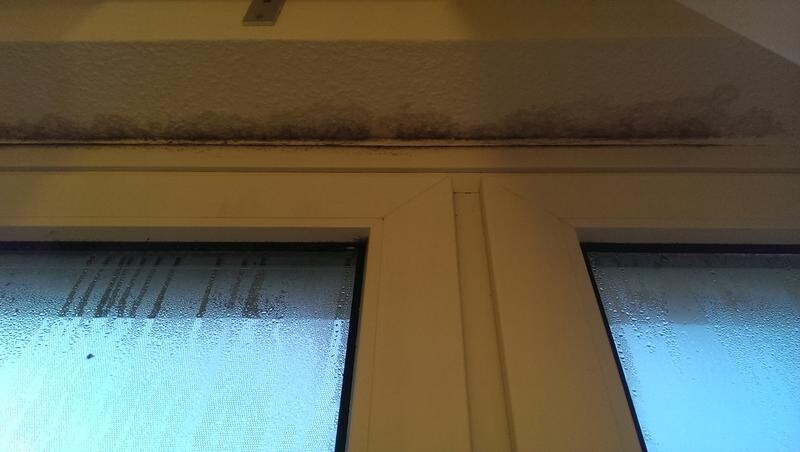
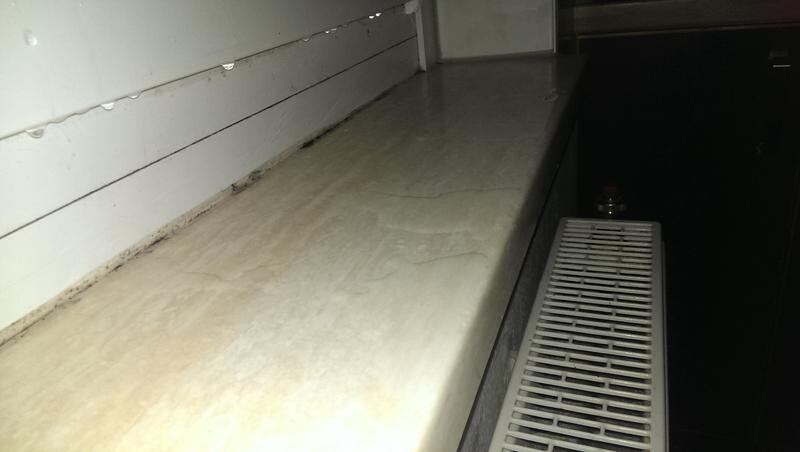
This year the problem has, of course, reappeared. My boyfriend refuses to talk to the landlord because he’s afraid of possible costs for inspections. I can’t do it myself since I’m not on the lease and I don’t really understand the legal side of things (I’m a foreigner studying in Germany). My boyfriend says I should just keep stacking more cloths on every window and on the floor. But I’m running out of those too! Can anyone help me? What else can I do? Is it our fault that the windows look like this? Can the landlord charge us for repair or inspection costs? This morning I took a few photos to illustrate what I’m dealing with every day (really, it looks like this day and night):
Bedroom:
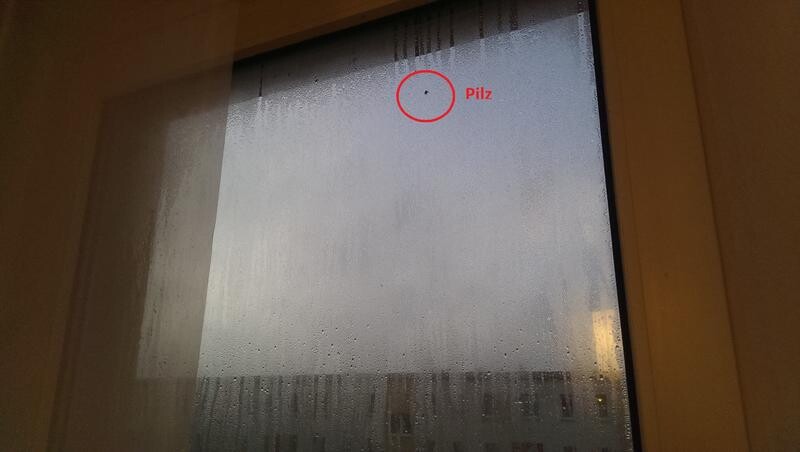
Here you can see how bad the mold problem in the bedroom is, even though we have used special treatments against it:
Kitchen:
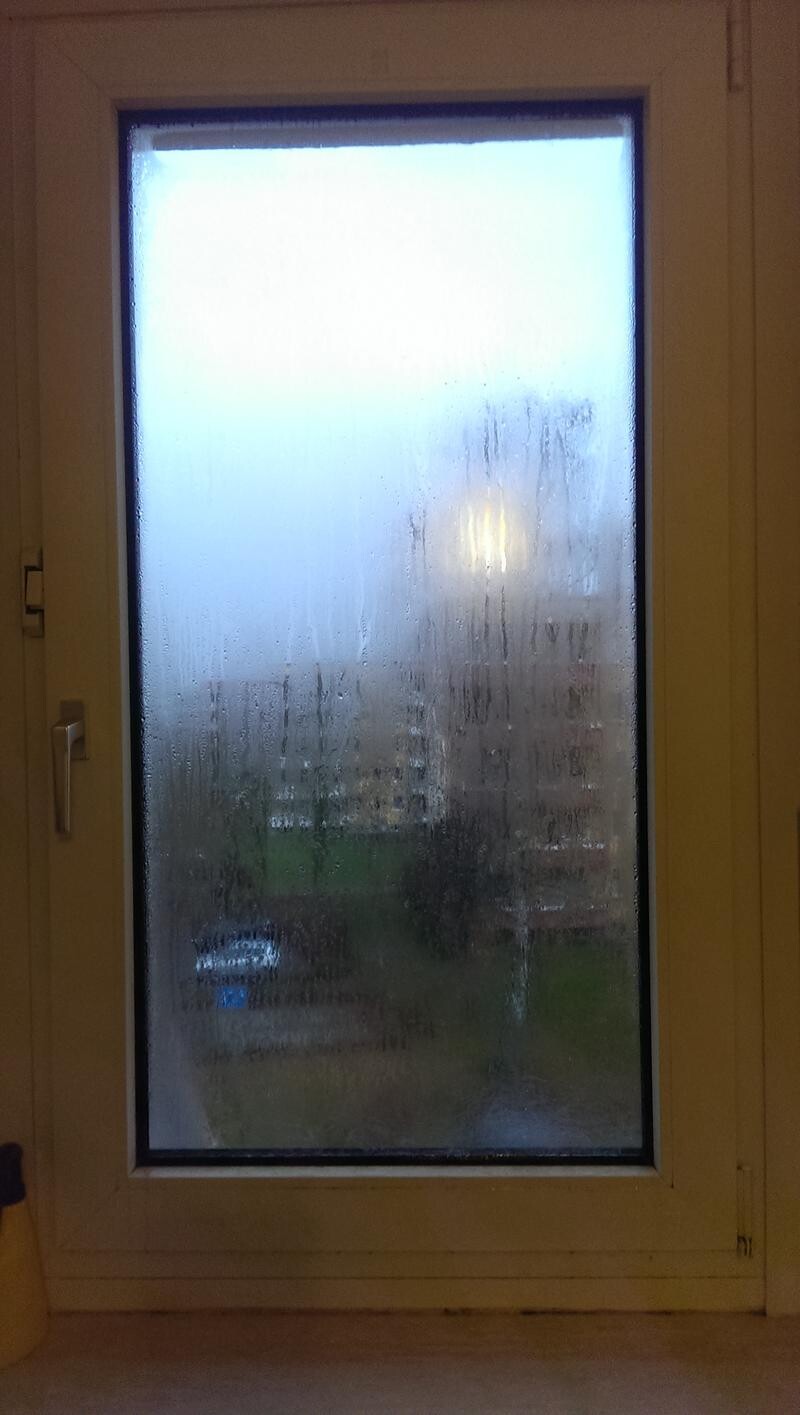
Living room balcony door:
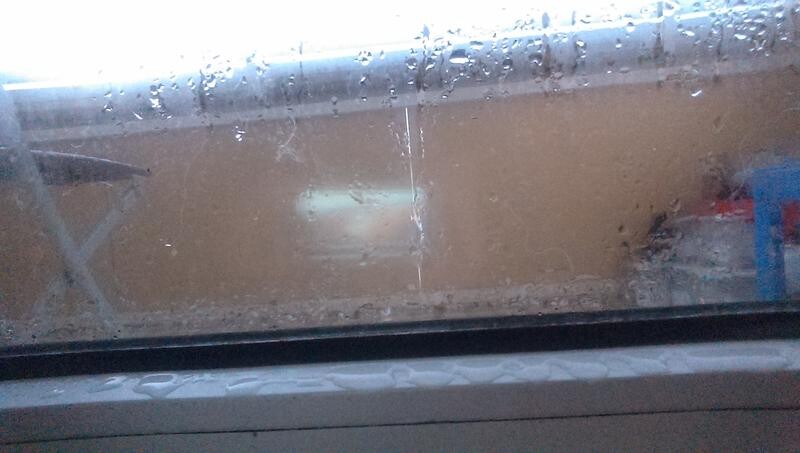
We still have one window in the study that stays comparatively dry… Why is that?
I welcome any advice. Have a great day!
Maszka
I hope you can help me with a problem I’m having. I have been living with my boyfriend in a rented apartment for three years. Already during the first autumn/winter, I was amazed by how much the windows would fog up. As soon as the temperature drops, so much condensation gathers that it literally drips onto the floor. At first, we aired the apartment thoroughly every day for a long time despite the cold outside, but that didn’t help much. Last year, my boyfriend had the brilliant idea to sleep with the window open during winter, so we got to enjoy a little peace – and about 1300€ extra heating costs...
This year the problem has, of course, reappeared. My boyfriend refuses to talk to the landlord because he’s afraid of possible costs for inspections. I can’t do it myself since I’m not on the lease and I don’t really understand the legal side of things (I’m a foreigner studying in Germany). My boyfriend says I should just keep stacking more cloths on every window and on the floor. But I’m running out of those too! Can anyone help me? What else can I do? Is it our fault that the windows look like this? Can the landlord charge us for repair or inspection costs? This morning I took a few photos to illustrate what I’m dealing with every day (really, it looks like this day and night):
Bedroom:
Here you can see how bad the mold problem in the bedroom is, even though we have used special treatments against it:
Kitchen:
Living room balcony door:
We still have one window in the study that stays comparatively dry… Why is that?
I welcome any advice. Have a great day!
Maszka
Hello,
how is your apartment ventilated? Decentrally, for example through window frame ventilators to prevent drafts and an electric fan in the bathroom for exhaust air, or centrally, for example through a controlled mechanical ventilation system?
How old is the building?
klblb
how is your apartment ventilated? Decentrally, for example through window frame ventilators to prevent drafts and an electric fan in the bathroom for exhaust air, or centrally, for example through a controlled mechanical ventilation system?
How old is the building?
klblb

Long ventilation sessions are not very effective because the room cools down, and cold air cannot hold as much moisture. It’s better to open all windows fully for a short period (5-10 minutes) but do this more frequently.
Have you ever used a hygrometer? If so, what does it show before and after airing the room?
Even in our newly built home, which still needs to dry out, we don’t have nearly as much moisture on the windows. Your space must have extremely high humidity. The question is, where does it come from?
If I’m understanding the background correctly, you probably live in a new-build apartment block with a flat roof, on about the fourth floor. Do your neighbors and the landlord have the same problem? It’s possible that the flat roof or a pipe is slightly leaking, causing the walls to absorb water.
Are there any water stains anywhere? Are the neighboring apartments even occupied?
In any case, this is not normal and should be urgently addressed with your landlord (assuming proper ventilation is being done).
Have you ever used a hygrometer? If so, what does it show before and after airing the room?
Even in our newly built home, which still needs to dry out, we don’t have nearly as much moisture on the windows. Your space must have extremely high humidity. The question is, where does it come from?
If I’m understanding the background correctly, you probably live in a new-build apartment block with a flat roof, on about the fourth floor. Do your neighbors and the landlord have the same problem? It’s possible that the flat roof or a pipe is slightly leaking, causing the walls to absorb water.
Are there any water stains anywhere? Are the neighboring apartments even occupied?
In any case, this is not normal and should be urgently addressed with your landlord (assuming proper ventilation is being done).
@klblb
Unfortunately, I don’t know. I looked for any information in the rental contract but couldn’t find anything. The building was constructed in 1965.
@Musketier
Your estimate is pretty accurate. It’s a residential block with a flat roof, on the 4th (top) floor. All apartments are occupied, and the neighbor below us also has some condensation issues, although not as severe. We ventilate three times a day: the windows in the bedroom and living room are fully open, while in the bathroom and kitchen they are tilted (because we don’t have a cat screen there) for 10–15 minutes. Heating is kept on constantly only in the bathroom and study, the rest is heated as needed. Could that be the cause? I’ve checked carefully everywhere and luckily haven’t found any water stains.
Oh, we haven’t measured the humidity yet. I just ordered a measuring device and will report back as soon as I have results.
Unfortunately, I don’t know. I looked for any information in the rental contract but couldn’t find anything. The building was constructed in 1965.
@Musketier
Your estimate is pretty accurate. It’s a residential block with a flat roof, on the 4th (top) floor. All apartments are occupied, and the neighbor below us also has some condensation issues, although not as severe. We ventilate three times a day: the windows in the bedroom and living room are fully open, while in the bathroom and kitchen they are tilted (because we don’t have a cat screen there) for 10–15 minutes. Heating is kept on constantly only in the bathroom and study, the rest is heated as needed. Could that be the cause? I’ve checked carefully everywhere and luckily haven’t found any water stains.
Oh, we haven’t measured the humidity yet. I just ordered a measuring device and will report back as soon as I have results.
B
Bauexperte27 Nov 2014 14:28Hello,
If I were you, I would immediately change your heating habits, use mold treatment products, and after the walls have dried, redecorate the entire place BEFORE the landlord finds out or anyone gets sick.
Best regards, Bauexperte
falka schrieb:If you are serious about that, don’t be surprised! In an apartment or house, all rooms should be kept heated to at least 18°C (64°F) continuously. Your apartment doesn’t even have a chance to manage the moisture generated by you — through breathing, cooking, and bathing — let alone handle the temperature difference between inside and outside. This leads to mold growth; trying to save on heating can cost you dearly ....
The bathroom and home office are constantly heated, the rest only as needed. Could that be the cause?
If I were you, I would immediately change your heating habits, use mold treatment products, and after the walls have dried, redecorate the entire place BEFORE the landlord finds out or anyone gets sick.
Best regards, Bauexperte
Had to learn this the hard way too... Same problem: a rental apartment from the 1970s with those classic aluminum frames.
Year 1 hardly heated, barely ventilated → mold
Year 2 hardly heated, ventilated a lot → mold
Year 3 heater turned on full blast when I got home, ventilated a lot → no mold but huge heating bills
Year 4 heater on continuously from November to April, even at night (level 2-3/5) or replaced by electric regulators → all good, no moisture, and always nice and warm
Keep in mind: once the room has “stabilized” and the walls are warm, you need MUCH less energy to maintain a comfortable indoor temperature.
Anything else is unreasonable both in terms of living comfort and energy efficiency.
In new builds, ventilation systems are usually installed nowadays to help working people maintain proper air exchange.
Year 1 hardly heated, barely ventilated → mold
Year 2 hardly heated, ventilated a lot → mold
Year 3 heater turned on full blast when I got home, ventilated a lot → no mold but huge heating bills
Year 4 heater on continuously from November to April, even at night (level 2-3/5) or replaced by electric regulators → all good, no moisture, and always nice and warm
Keep in mind: once the room has “stabilized” and the walls are warm, you need MUCH less energy to maintain a comfortable indoor temperature.
Anything else is unreasonable both in terms of living comfort and energy efficiency.
In new builds, ventilation systems are usually installed nowadays to help working people maintain proper air exchange.
Similar topics