
M
MikeMc20216 Nov 2021 16:50Since I work from home and also sleep in the basement, I have been thinking about the issue of radon gas. I don’t live in a high-risk area, but I want to be on the safe side and seal the pipes or the gaps between the pipes. Most of the pipes are installed only inside the house, but at least one of them goes into the ground.
So far, I’ve come across silicone and acrylic sealants. Which one is better, or is there another option? Would hot glue actually work?
Best regards
Michael
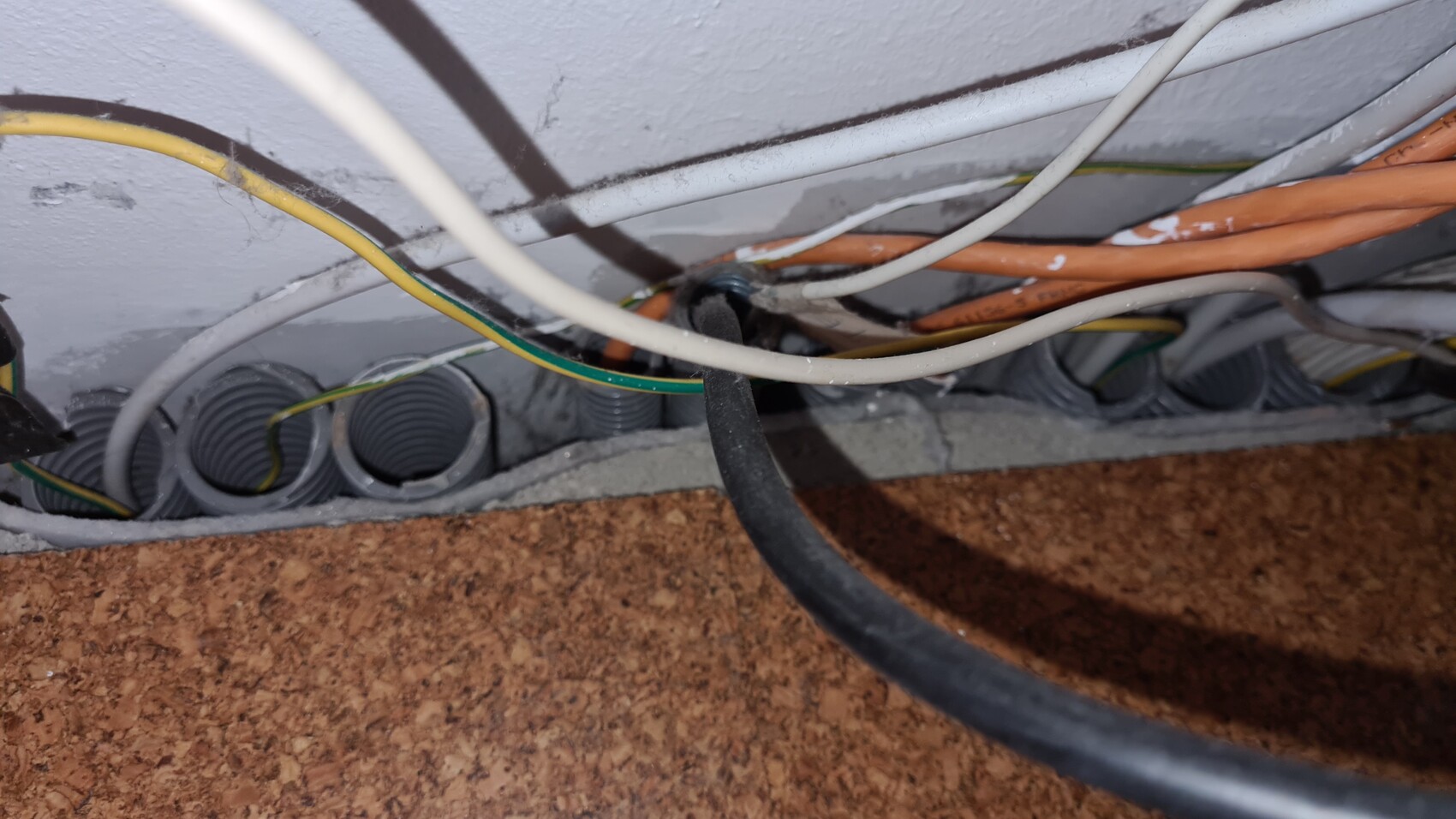
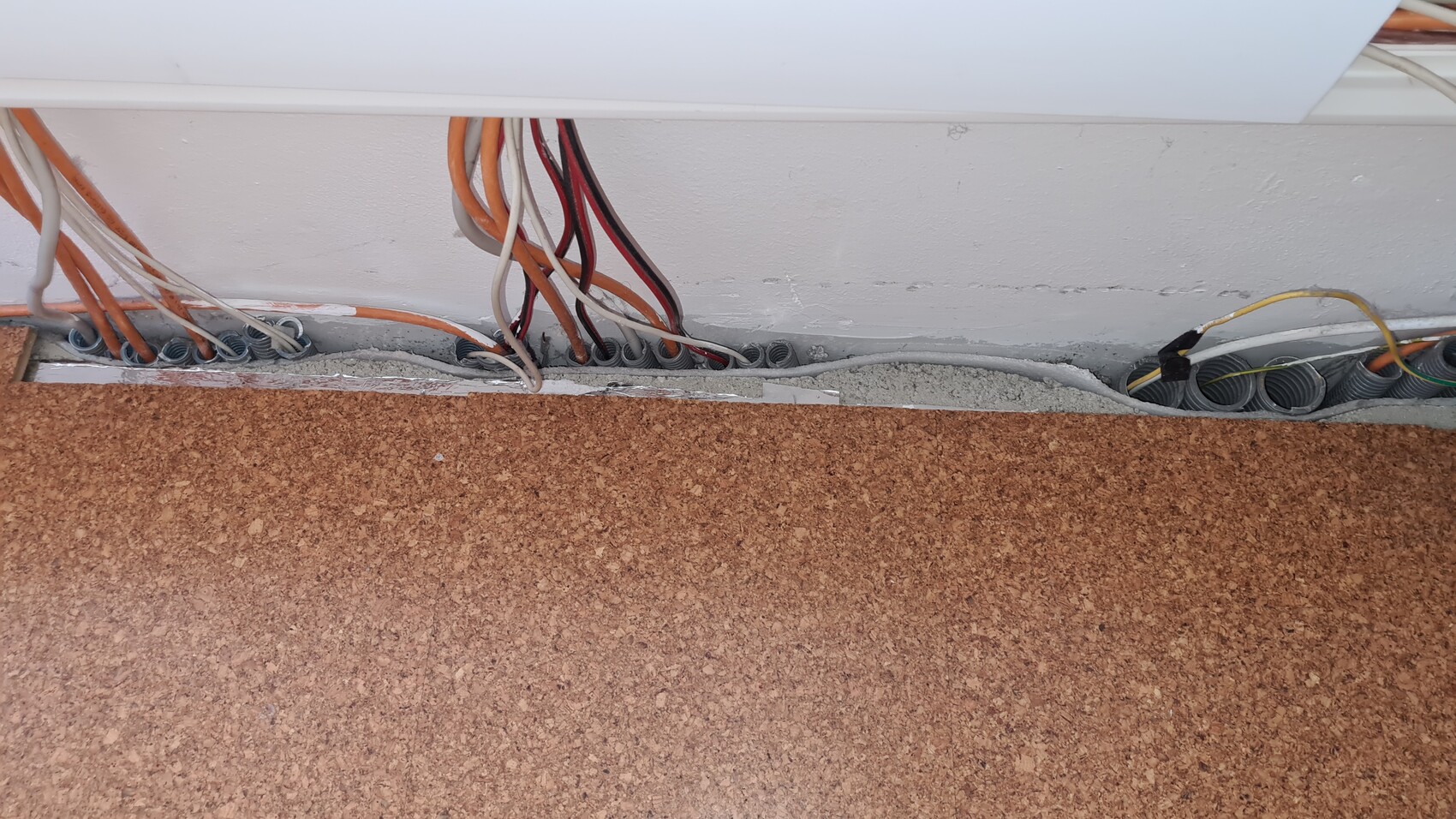
So far, I’ve come across silicone and acrylic sealants. Which one is better, or is there another option? Would hot glue actually work?
Best regards
Michael
M
MikeMc20216 Nov 2021 18:41Sorry, I forgot to mention, of course I want to seal the pipes. In the sleeping area, isn’t PU foam causing too much airborne contamination?

Which Sikaflex exactly? I just checked some products at random, and they only go up to 40mm (1.6 inches). That’s not suitable for filling around a pipe -> use expanding foam.
Acrylic and silicone are also out for the same reason; they won’t cure properly at the required thicknesses.
Acrylic and silicone are also out for the same reason; they won’t cure properly at the required thicknesses.
M
MikeMc20218 Nov 2021 11:05Why doesn’t silicone actually work, does it become leaky over time? What time frame are we talking about here? I was thinking of trying silicone with screws inserted (for removal) and then renewing it after 10 years. Does this Sikaflex last indefinitely? You can’t remove it anymore afterwards, right?
How can I prevent the silicone / Sikaflex from running further into the pipe? Is there a trick for that?
How can I prevent the silicone / Sikaflex from running further into the pipe? Is there a trick for that?
Similar topics