
K
k1llswitchenge26 Nov 2025 18:22Hello everyone,
During the renovation of our house (built in 1967), the following floor coverings were uncovered on the ground floor (see pictures):
The tiles can be easily removed, and underneath the PVC there are these brown adhesive residues.
What would be the best way to proceed here?
Thank you very much!
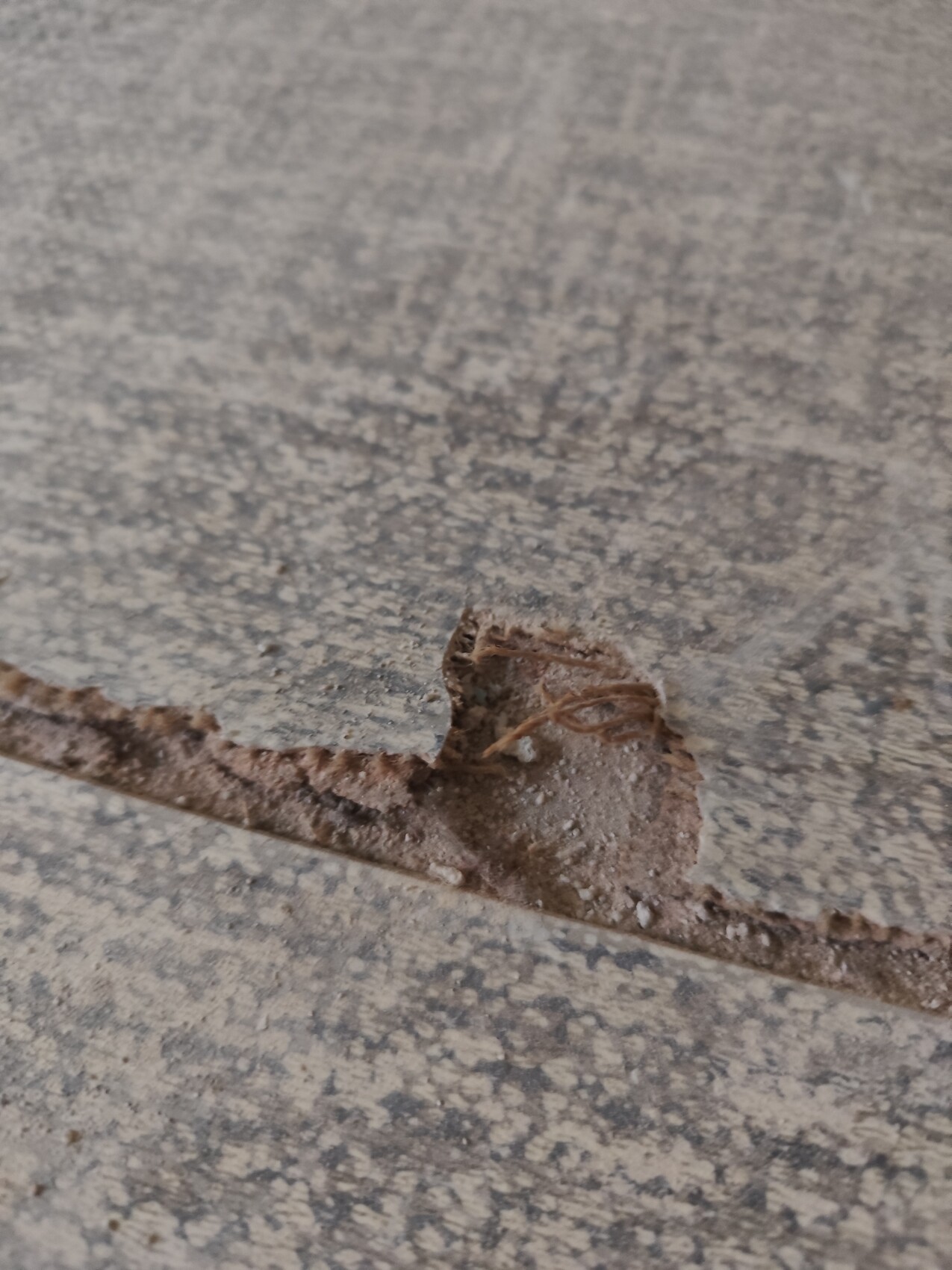
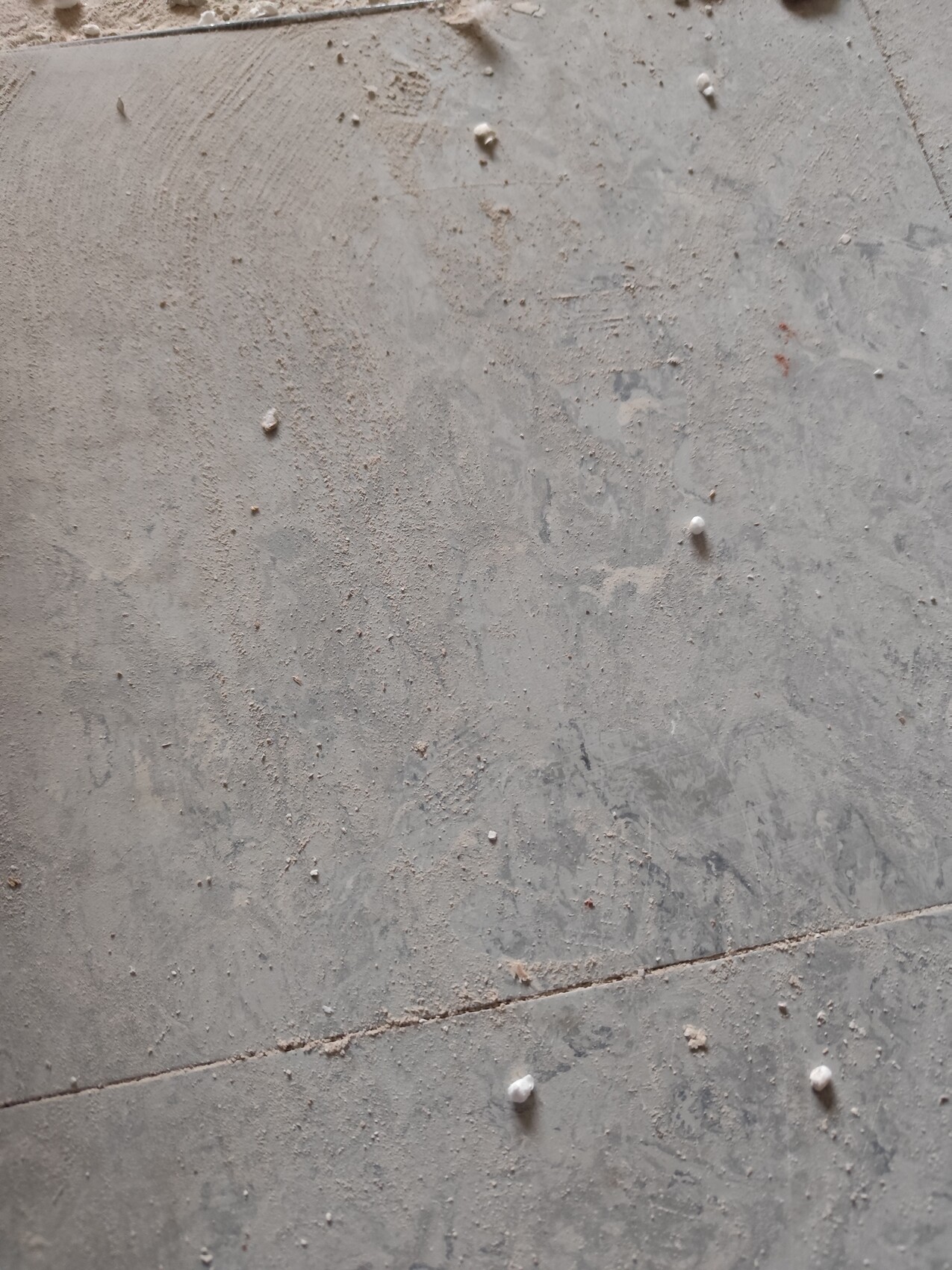
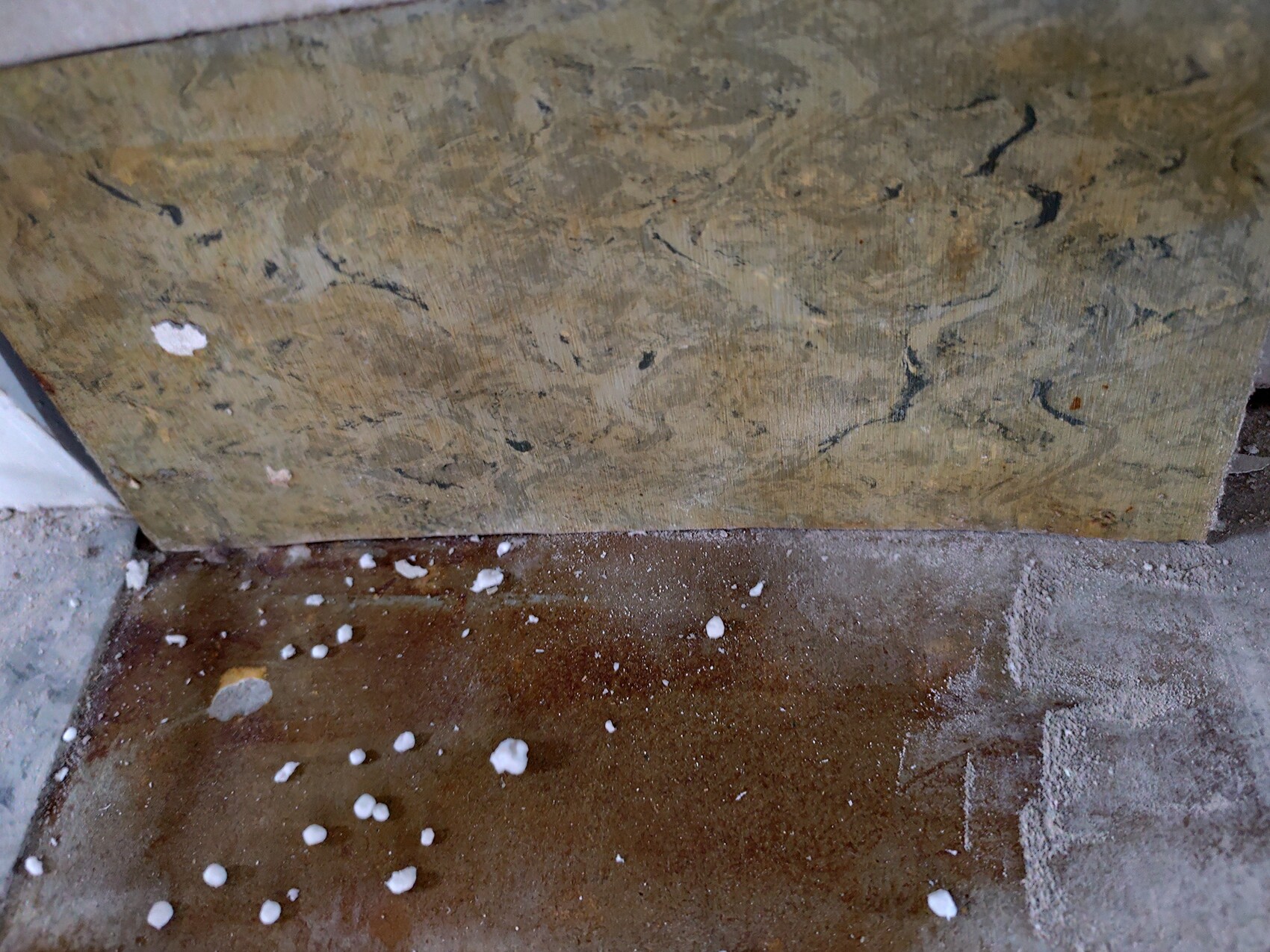
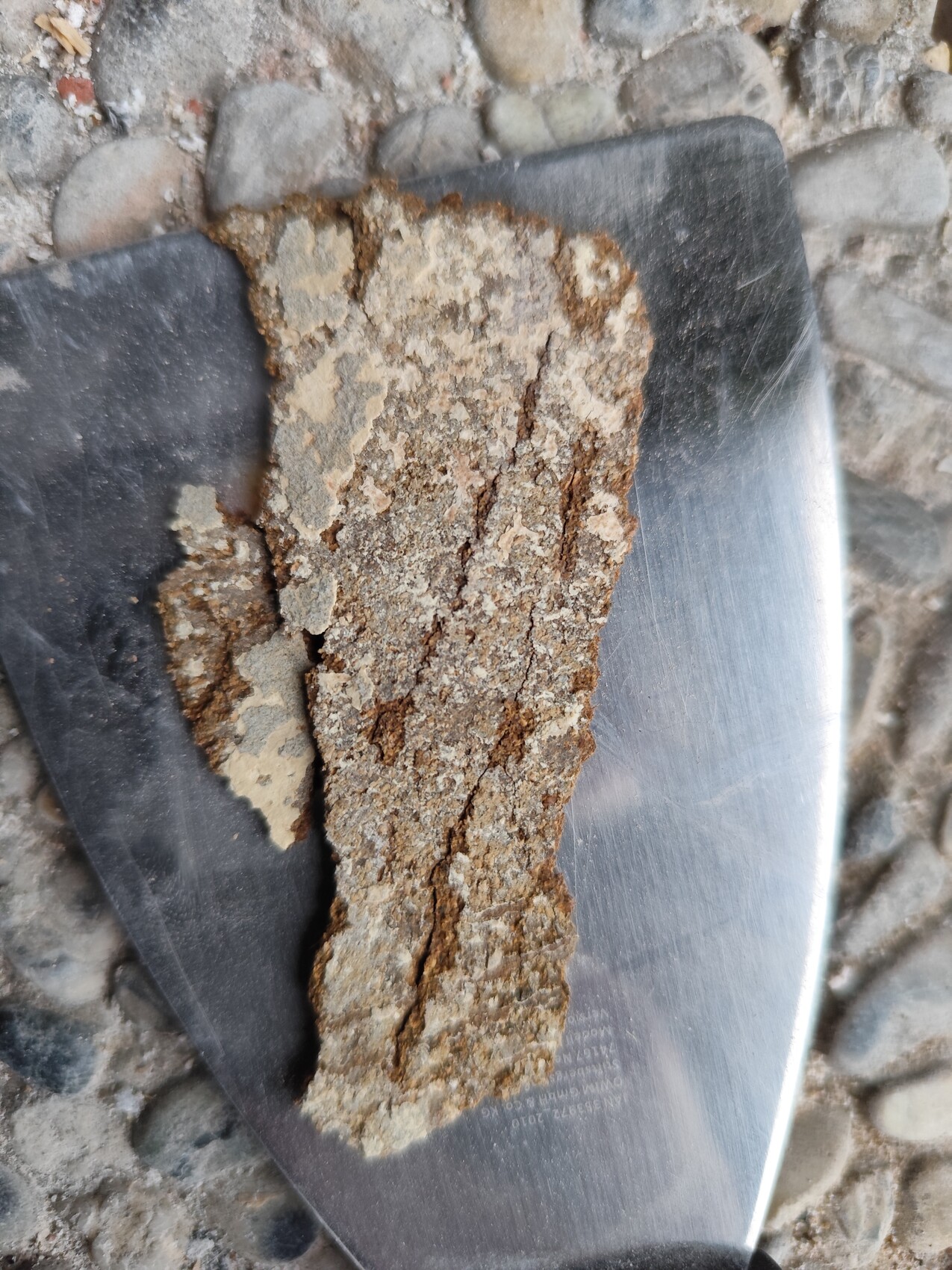
During the renovation of our house (built in 1967), the following floor coverings were uncovered on the ground floor (see pictures):
- Picture 1 + 4: large-area PVC flooring with adhesive residues
- Picture 2 + 3: individual tiles in the hallway that are almost coming loose on their own and clearly no longer firmly glued down
The tiles can be easily removed, and underneath the PVC there are these brown adhesive residues.
What would be the best way to proceed here?
- Remove everything with a floor stripper?
- Leave the substrate as it is afterwards?
- Or should a sealing layer or leveling compound be applied?
Thank you very much!

Using a stripper is definitely a good option for removing an old elastic sheet flooring.
For the floor tiles, you should use the scraping method; there are handy scrapers designed for this that do a good job.
Since we don’t know whether the old tiles might contain harmful substances, do not break them up but carefully remove and dispose of them in one piece.
Regardless of the method (including using a stripper), it is important to always wear a dust mask during these tasks.
After the old flooring(s) have been removed, the screed surface should be machine-sanded, and the dust thoroughly vacuumed.
This means you need a single-disc machine preferably equipped with a dust extraction system and a vacuum cleaner that can actually handle the job (said with a bit of humor).
Then, prime the entire screed surface and level it by applying a smoothing compound at least 2mm (0.08 inches) thick, addressing any visible surface unevenness if necessary.
Afterward, install and fix the new floor covering.
-----------------
Good luck: KlaRa
For the floor tiles, you should use the scraping method; there are handy scrapers designed for this that do a good job.
Since we don’t know whether the old tiles might contain harmful substances, do not break them up but carefully remove and dispose of them in one piece.
Regardless of the method (including using a stripper), it is important to always wear a dust mask during these tasks.
After the old flooring(s) have been removed, the screed surface should be machine-sanded, and the dust thoroughly vacuumed.
This means you need a single-disc machine preferably equipped with a dust extraction system and a vacuum cleaner that can actually handle the job (said with a bit of humor).
Then, prime the entire screed surface and level it by applying a smoothing compound at least 2mm (0.08 inches) thick, addressing any visible surface unevenness if necessary.
Afterward, install and fix the new floor covering.
-----------------
Good luck: KlaRa
K
k1llswitchenge27 Nov 2025 14:02Hello Klara,
thanks for the tips. What type of single-disc machine would you recommend?
The PVC tiles almost come off by themselves, so removing them without damage should not be a problem. What primer and filler would you recommend?
thanks for the tips. What type of single-disc machine would you recommend?
The PVC tiles almost come off by themselves, so removing them without damage should not be a problem. What primer and filler would you recommend?
If I were you, I would contact a flooring or parquet specialist for these sanding tasks. They have the (necessarily) professional machines with dust extraction systems. Without dust extraction, it ultimately becomes a mess.
For the primer, a simple dispersion primer, available at any hardware store, is sufficient, as is the self-leveling compound, which, however, requires the necessary knowledge for application and venting (very important).
If you want a perfect result, it’s best to leave all these tasks to a professional company. The initial belief that you can do it yourself at a lower cost often bursts upon the first inspection of your own finished work.
And that’s not the end of it—poor DIY work must then be removed and redone, and so on.
(This is all just a friendly recommendation...)
For the primer, a simple dispersion primer, available at any hardware store, is sufficient, as is the self-leveling compound, which, however, requires the necessary knowledge for application and venting (very important).
If you want a perfect result, it’s best to leave all these tasks to a professional company. The initial belief that you can do it yourself at a lower cost often bursts upon the first inspection of your own finished work.
And that’s not the end of it—poor DIY work must then be removed and redone, and so on.
(This is all just a friendly recommendation...)
Similar topics