
ᐅ How to close and insulate radiator niches with mineral wool, expanded polystyrene, and drywall?
Created on: 11 Sep 2024 16:05
B
Besenkammer84
Hello everyone,
I am renovating a house from the 1970s. It has 24cm (9.5 inches) calcium silicate masonry (construction: 11cm (4.3 inches) calcium silicate – 2cm (0.8 inches) air gap – 11cm (4.3 inches) calcium silicate). On the inside, there is an additional 2cm (0.8 inches) of polystyrene insulation, and the walls are covered everywhere with drywall.
The radiators are being replaced by underfloor heating, and the niches need to be insulated. Currently, there is one row of calcium silicate blocks, then polystyrene and drywall installed.
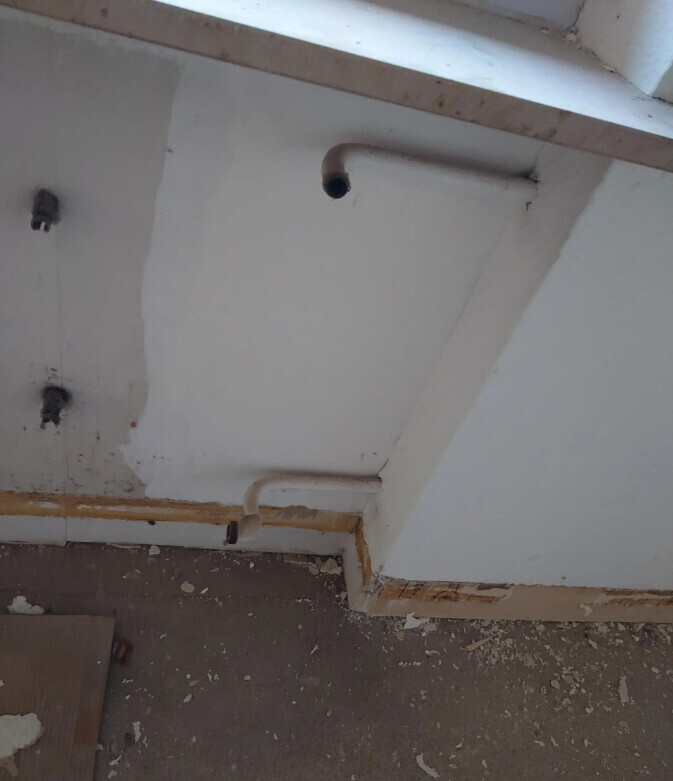
This is how it looks before removing the drywall (unfortunately no better picture available):
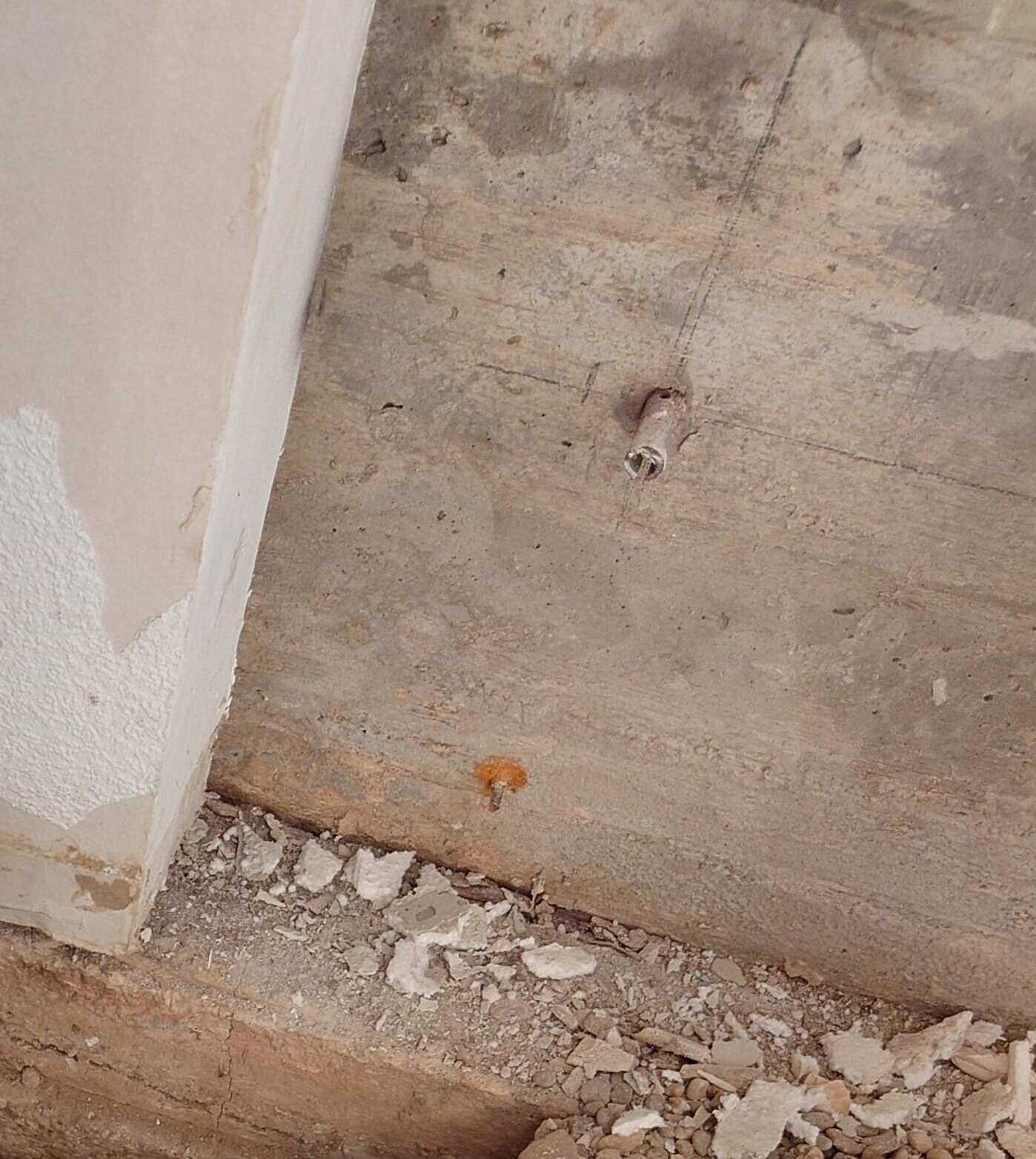
This is how it looks after removing the drywall (also no better picture available):
Which materials are best to use for insulating and sealing this area? Would it be advisable to build a slightly offset block of aerated concrete (Ytong) in the niche and then later fit a cut drywall panel on top? Then finish by filling and smoothing, so that everything looks uniform?
Many thanks and best regards
I am renovating a house from the 1970s. It has 24cm (9.5 inches) calcium silicate masonry (construction: 11cm (4.3 inches) calcium silicate – 2cm (0.8 inches) air gap – 11cm (4.3 inches) calcium silicate). On the inside, there is an additional 2cm (0.8 inches) of polystyrene insulation, and the walls are covered everywhere with drywall.
The radiators are being replaced by underfloor heating, and the niches need to be insulated. Currently, there is one row of calcium silicate blocks, then polystyrene and drywall installed.
This is how it looks before removing the drywall (unfortunately no better picture available):
This is how it looks after removing the drywall (also no better picture available):
Which materials are best to use for insulating and sealing this area? Would it be advisable to build a slightly offset block of aerated concrete (Ytong) in the niche and then later fit a cut drywall panel on top? Then finish by filling and smoothing, so that everything looks uniform?
Many thanks and best regards
B
Besenkammer8422 Nov 2024 01:2911ant schrieb:
Gypsum boards are not necessarily bad on their own. However, the description of the wall construction reads to me like a very heterogeneous Inslata Mista sandwich; I tend to prefer clean code when it comes to thermal contexts. How reliable are your findings about the "old" wall structure? The findings about the old wall structure are accurate. I detected the 2 cm (0.8 inch) air gap only in some places through drilling; it might have been coincidental. Otherwise, this is definitely the structure of the exterior walls:
This is a picture I took myself, not from the internet ;-)

Besenkammer84 schrieb:
The findings regarding the old wall construction are accurate. I only detected the 2 cm (1 inch) air gap in a few spots through drilling, so it might have been coincidental. However, that would be a very unusual construction, both because of the finger joint with only about twice the joint width and generally due to having only stretcher courses.
Besenkammer84 schrieb:
Otherwise, the construction of the exterior walls is certainly like this: [Image] It’s a picture I took myself, not from the internet ;-) Your thread 140262 in the “Green” section also strongly suggests that the wall construction differs between the window sills and other exterior wall areas in your house (and is probably not limited to facing brick versus plaster). The construction shown in this picture would be much more common.
https://www.instagram.com/11antgmxde/
https://www.linkedin.com/company/bauen-jetzt/
Similar topics