
ᐅ Horizontal barrier Drymat + ventilation system (dew point ventilation)
Created on: 5 May 2026 13:08
M
max-b 1357M
max-b 13575 May 2026 13:08Hello everyone,
We currently have a problem with moisture and mold in one of our apartments and are hoping for your experiences.
At the end of 2023, our tenant on the ground floor reported mold forming in the corners and along the baseboards. At first, it was suspected that this was caused by improper ventilation. However, it soon became clear that the moisture was actually rising from the basement and was not caused by the tenant.
As a result, on 01.08.2025 we had a horizontal damp-proof course installed in the basement of our apartment building (built in 1910, base made of calcium silicate bricks) by the company Drymat. The building is insulated on the outside and is located on a main street. We had originally considered external waterproofing, but this was associated with significantly higher costs and effort.
In addition, on 01.09.2025 a ventilation system with dew point control was installed to support the drying process. Despite these measures, the problem persists. The tenant has since moved out, but the affected areas remain very damp. During the tenancy, we already tried to counteract the issue (advising not to dry laundry inside the apartment, using three dehumidifiers running continuously), but without lasting success.
In one week, we have an appointment with an expert in moisture damage to get a professional assessment. Furthermore, on 01.08.2026 the company Drymat will return to take drill samples and check for residual moisture.
Now to our questions:
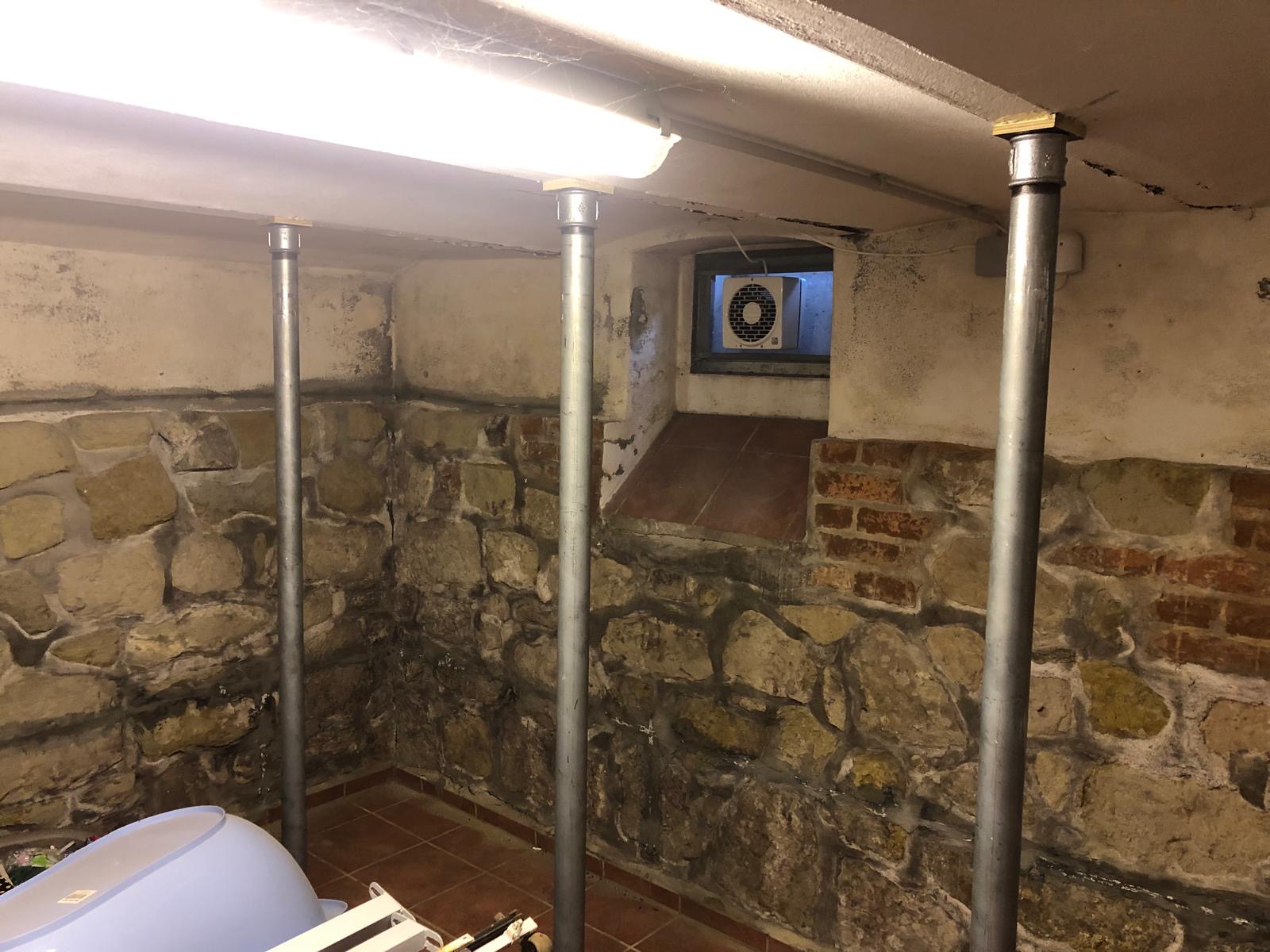
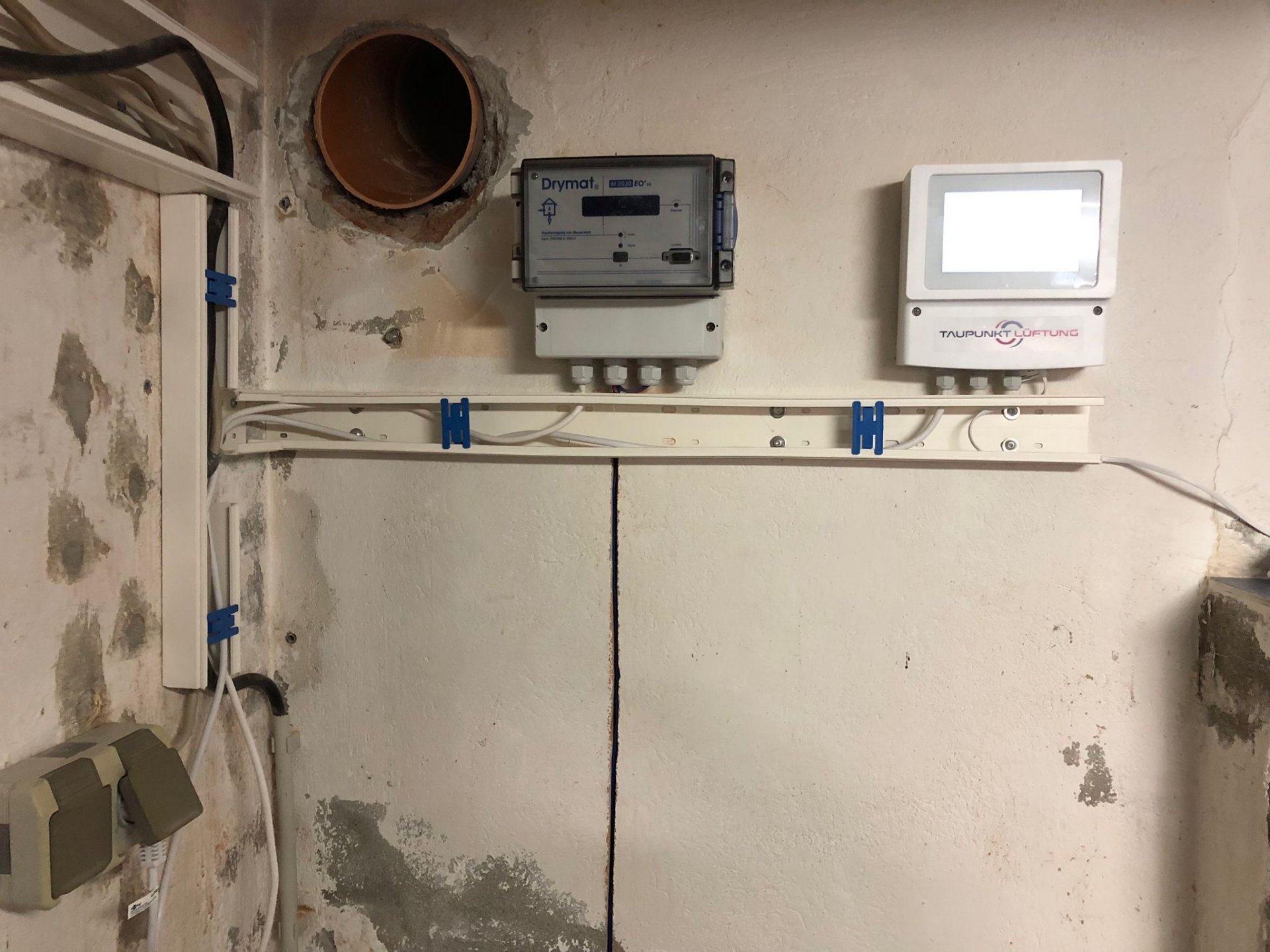
Attached are photos of the horizontal damp-proof course and the ventilation system in the basement. I have also included photos of the mold on the ground floor and the salt efflorescence.
Best regards
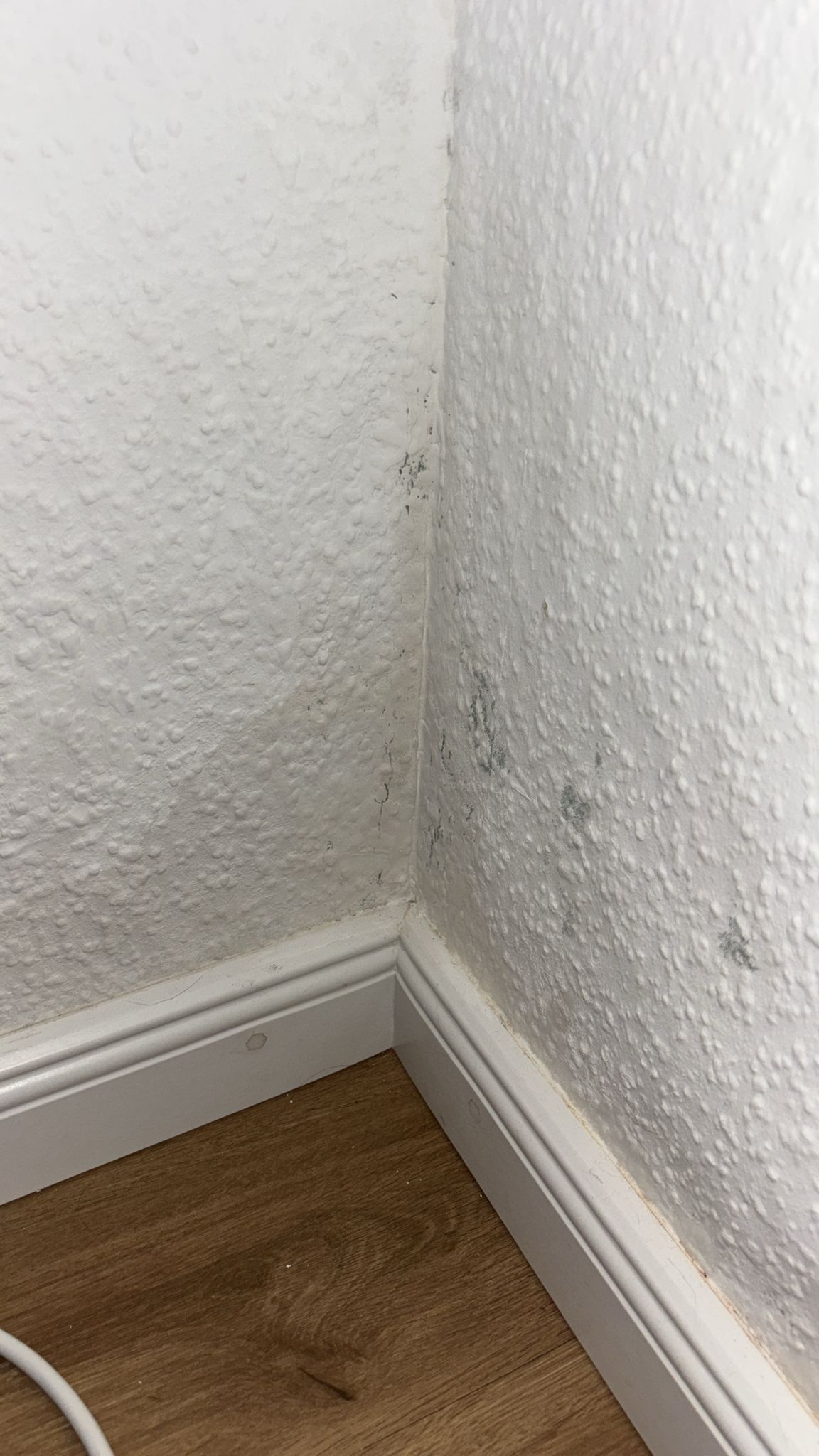
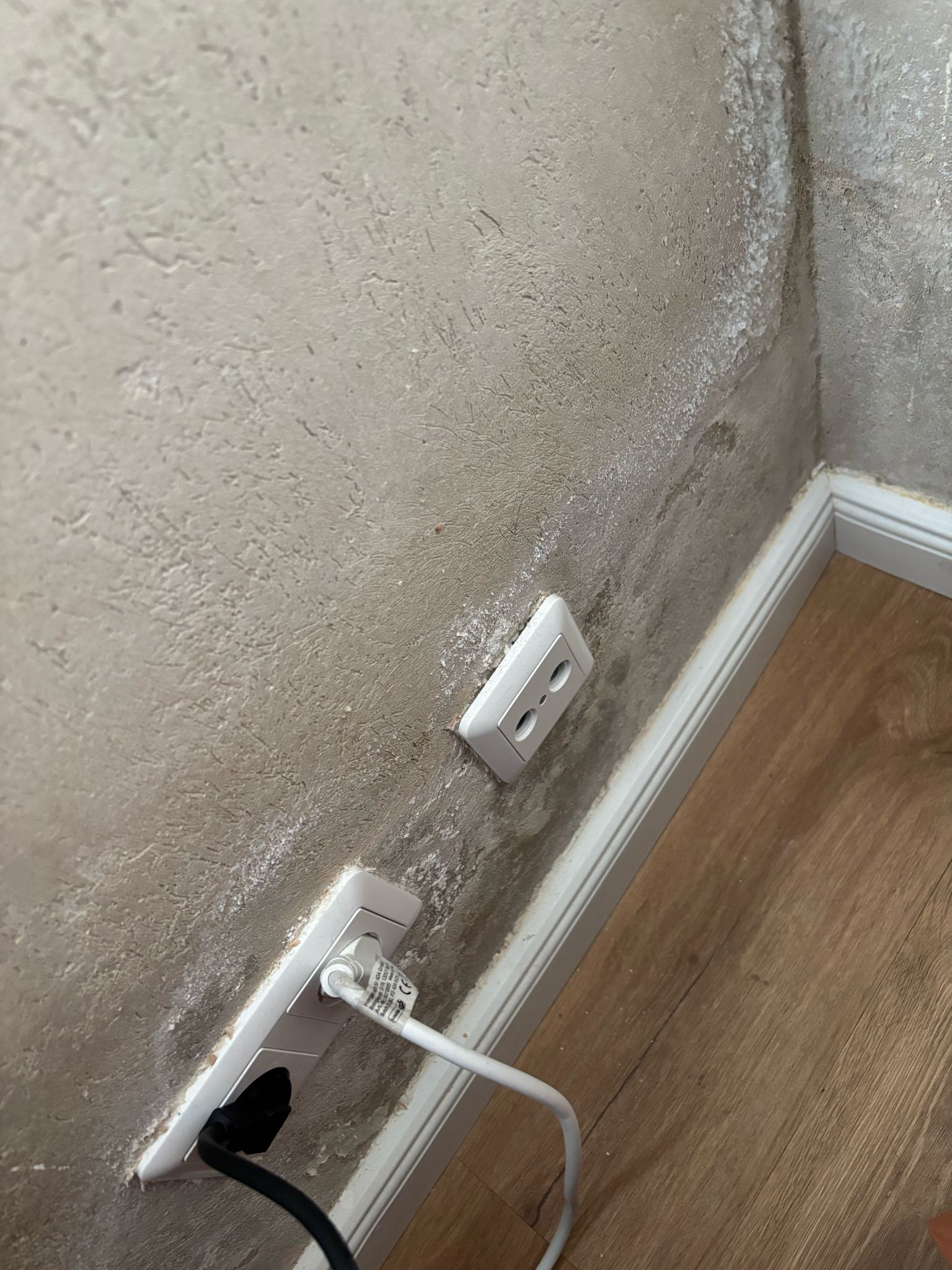
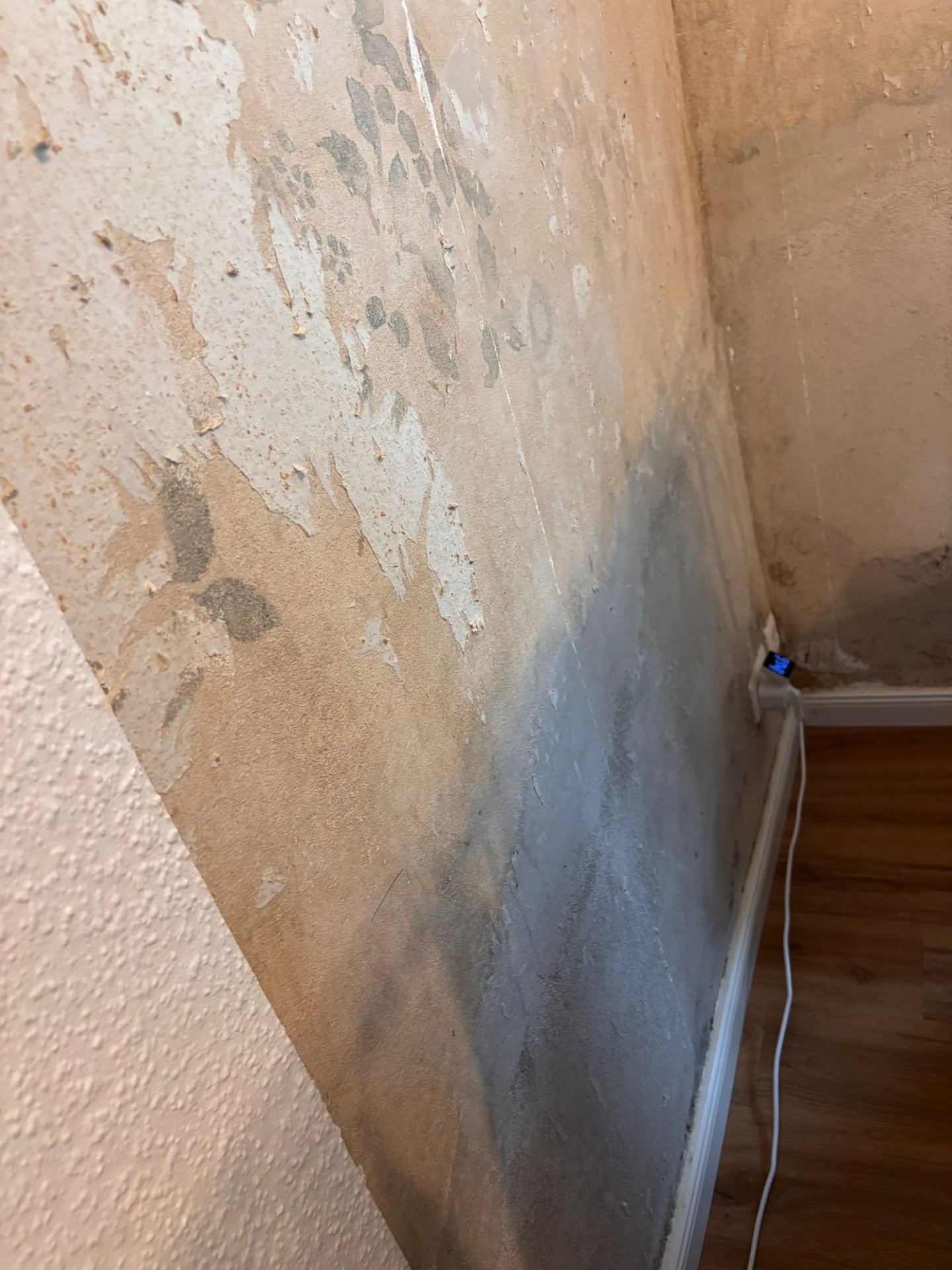
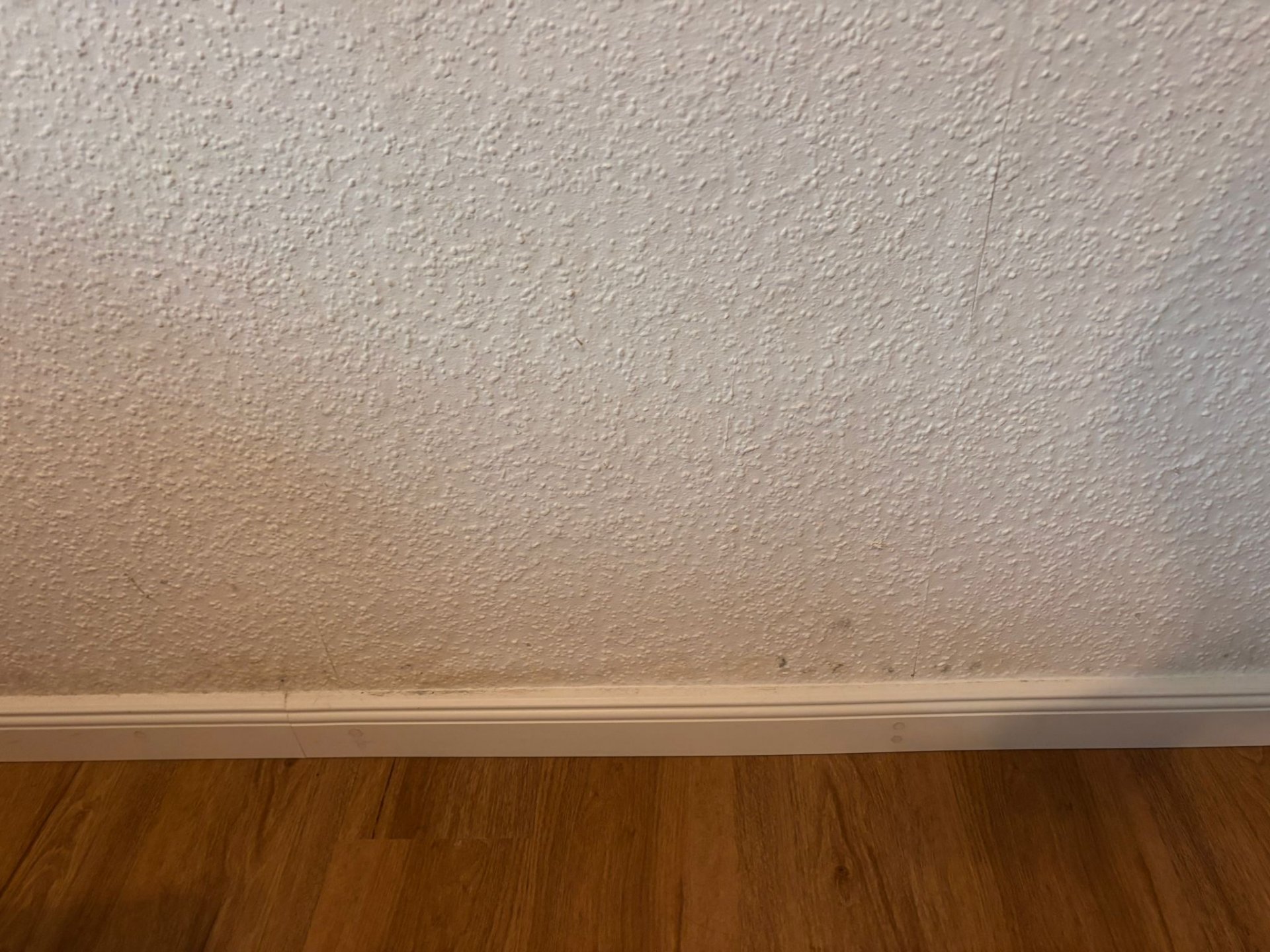
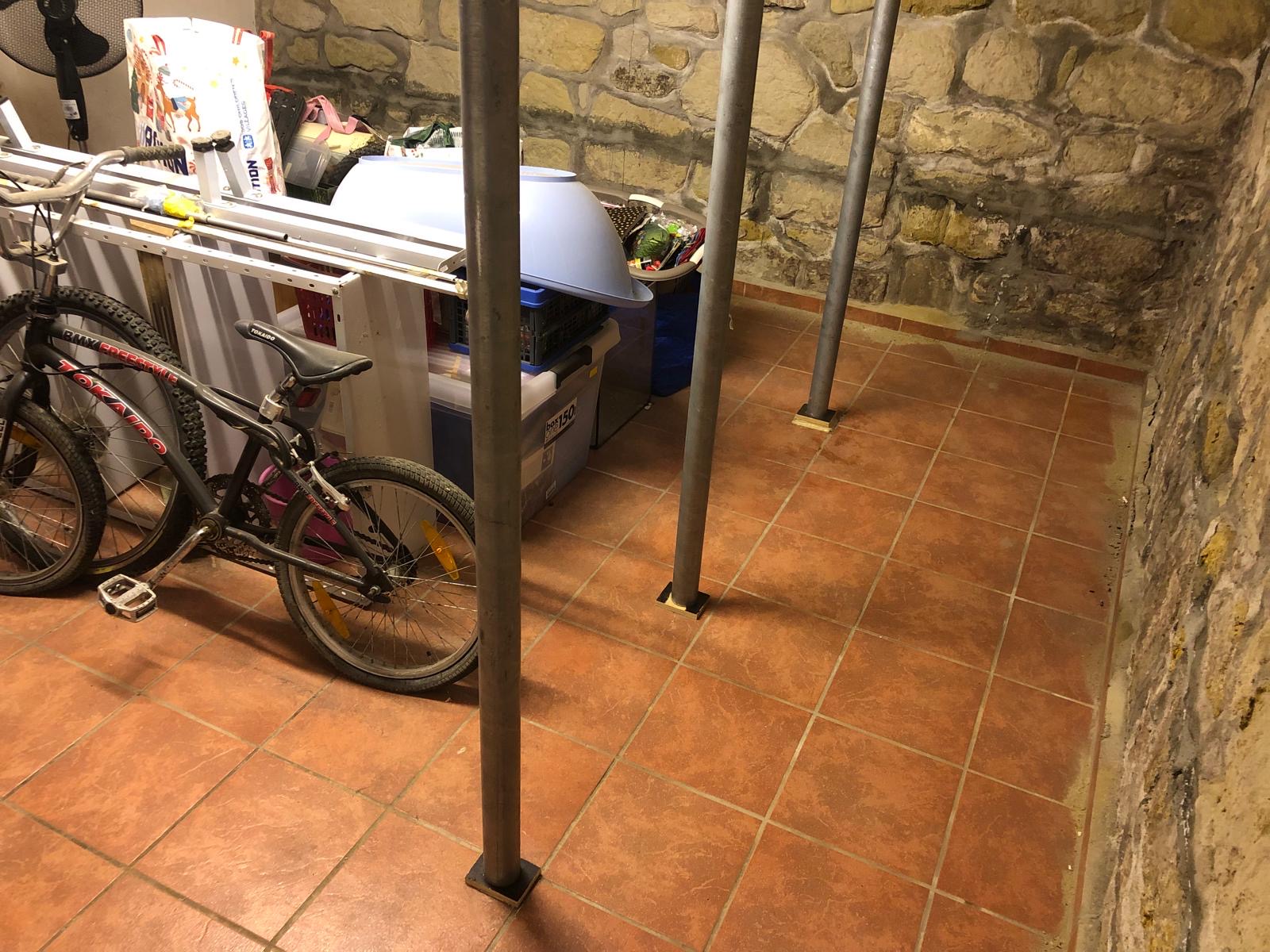
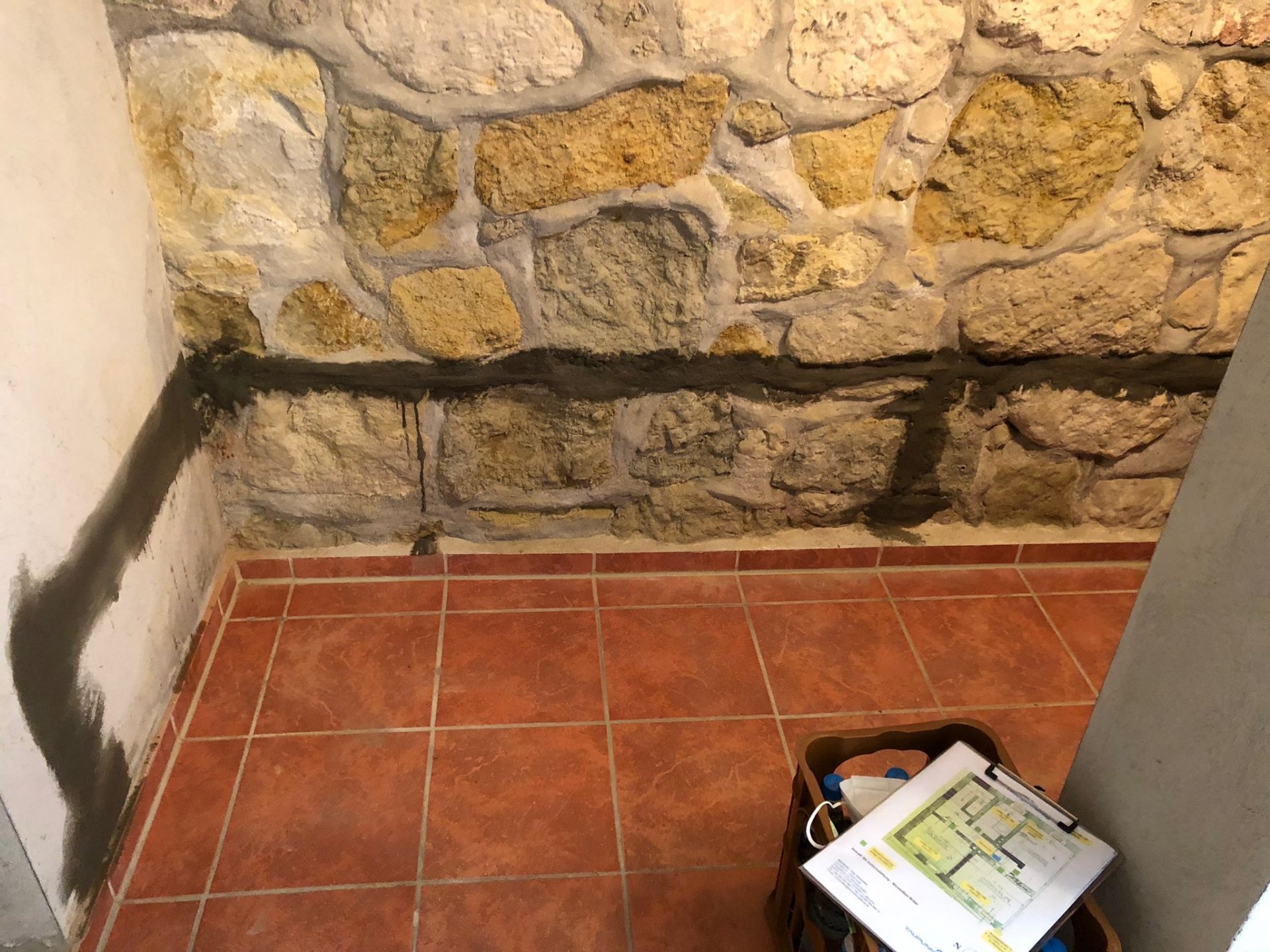
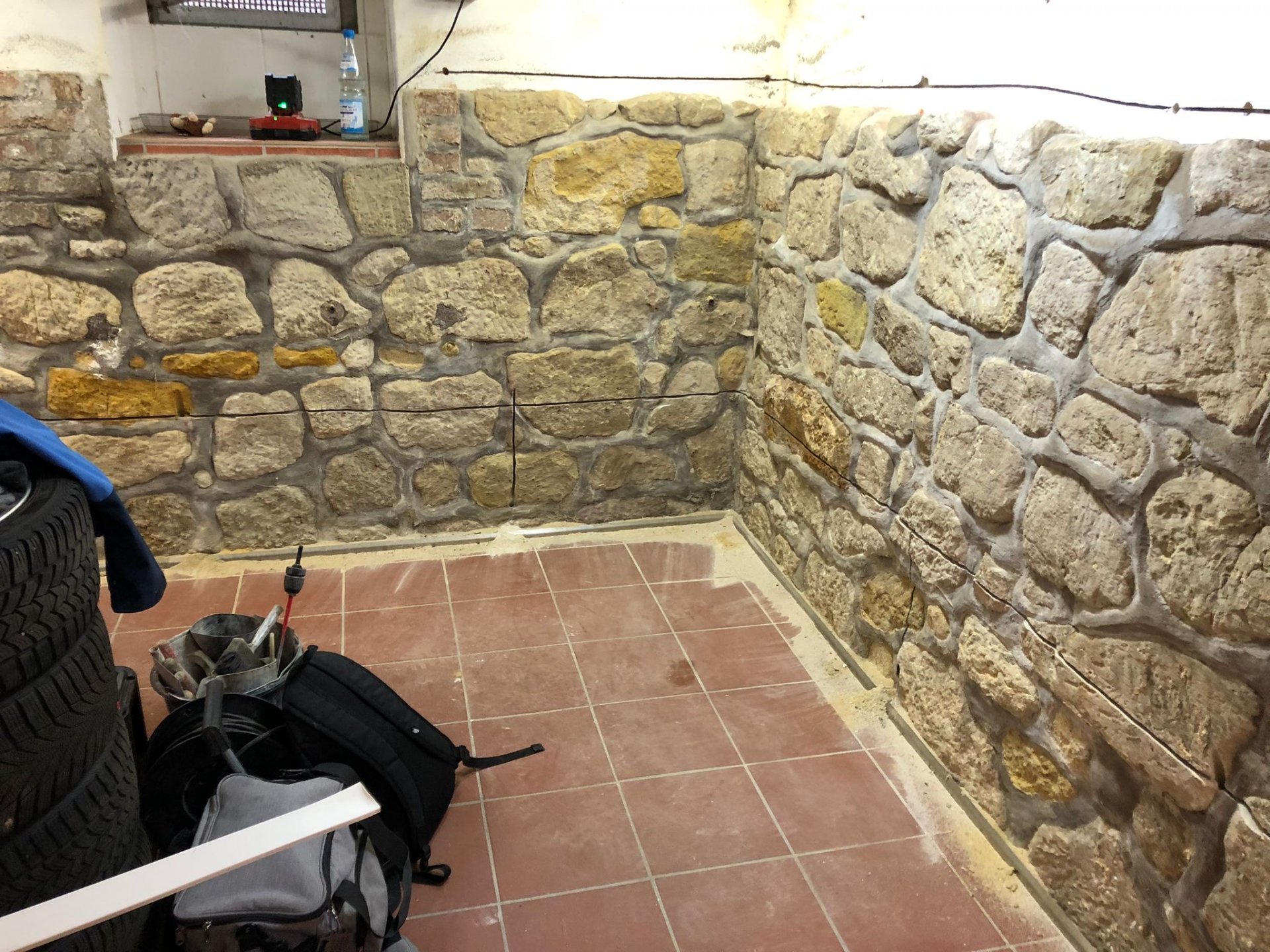
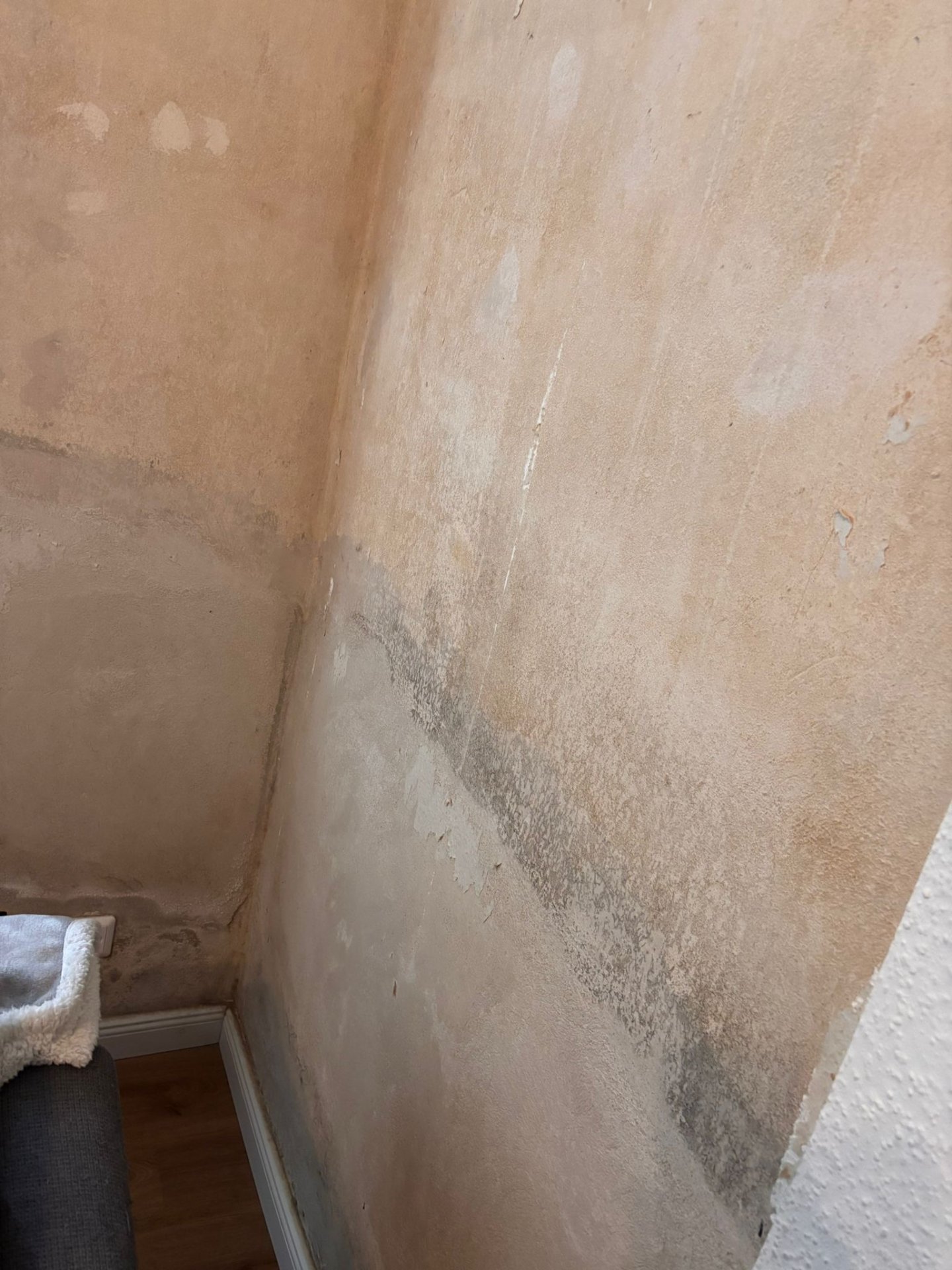
We currently have a problem with moisture and mold in one of our apartments and are hoping for your experiences.
At the end of 2023, our tenant on the ground floor reported mold forming in the corners and along the baseboards. At first, it was suspected that this was caused by improper ventilation. However, it soon became clear that the moisture was actually rising from the basement and was not caused by the tenant.
As a result, on 01.08.2025 we had a horizontal damp-proof course installed in the basement of our apartment building (built in 1910, base made of calcium silicate bricks) by the company Drymat. The building is insulated on the outside and is located on a main street. We had originally considered external waterproofing, but this was associated with significantly higher costs and effort.
In addition, on 01.09.2025 a ventilation system with dew point control was installed to support the drying process. Despite these measures, the problem persists. The tenant has since moved out, but the affected areas remain very damp. During the tenancy, we already tried to counteract the issue (advising not to dry laundry inside the apartment, using three dehumidifiers running continuously), but without lasting success.
In one week, we have an appointment with an expert in moisture damage to get a professional assessment. Furthermore, on 01.08.2026 the company Drymat will return to take drill samples and check for residual moisture.
Now to our questions:
- Do you have experience with such cases or specifically with horizontal damp-proof courses (e.g., from Drymat)? Are there any measures that can further accelerate or support the drying process?
- Did we act correctly?
- We appreciate any advice!
Attached are photos of the horizontal damp-proof course and the ventilation system in the basement. I have also included photos of the mold on the ground floor and the salt efflorescence.
Best regards
N
Nichtganz5 May 2026 22:34With masonry from the 1910s and the described moisture levels, the time factor is often more critical than any single measure. If moisture has been drawn up capillarily over decades, the balance shifts only very slowly, even if the supply is technically reduced. This is where the common misconception arises that a measure should produce visible drying in the short term, but this is not necessarily the case.
The combination of residual moisture, salt contamination, and diffusion leads more to a prolonged equilibrium than to quick effects. Have you examined the measurement values over the height in the cross-section or only taken spot readings? This often makes a significant difference in the assessment.
One often underestimated point is the actual effect of the air exchange strategy in relation to the moisture retention capacity of the masonry. An imbalance can quickly develop here, which then “seems to have no effect,” even though a physical process is already underway.
The combination of residual moisture, salt contamination, and diffusion leads more to a prolonged equilibrium than to quick effects. Have you examined the measurement values over the height in the cross-section or only taken spot readings? This often makes a significant difference in the assessment.
One often underestimated point is the actual effect of the air exchange strategy in relation to the moisture retention capacity of the masonry. An imbalance can quickly develop here, which then “seems to have no effect,” even though a physical process is already underway.
M
max-b 13576 May 2026 13:55Do you have any tips for drying the walls? We would like to support and enhance the drying process. We took and checked the measurements from the bottom up and noticed that the higher you go, the less moisture there is. Do you have experience with such an electric system?
N
Nichtganz6 May 2026 14:45The fact that it gets drier towards the top suggests normal residual construction moisture rather than active moisture infiltration from the ground, which is often the nightmare in your type of construction.
Regarding these electrical systems, I assume you mean traditional construction dryers or possibly electro-osmosis systems. To be honest, a condensing dehumidifier typically extracts about 10 to 20 liters (11 to 21 quarts) of moisture from the air per day, which sounds like a lot but usually only has a supportive effect rather than truly accelerating the drying of thick wall sections. If the wall can’t release moisture, nothing magical happens—it’s more physics than marketing.
The more critical issue is less the device itself and more the boundary conditions, such as air exchange, temperature, and whether you trap moisture inside by sealing too tightly. It’s often underestimated how slowly masonry responds; just a few weeks of incorrect ventilation can lead to misleading readings, even if you think you have everything under control.
Regarding these electrical systems, I assume you mean traditional construction dryers or possibly electro-osmosis systems. To be honest, a condensing dehumidifier typically extracts about 10 to 20 liters (11 to 21 quarts) of moisture from the air per day, which sounds like a lot but usually only has a supportive effect rather than truly accelerating the drying of thick wall sections. If the wall can’t release moisture, nothing magical happens—it’s more physics than marketing.
The more critical issue is less the device itself and more the boundary conditions, such as air exchange, temperature, and whether you trap moisture inside by sealing too tightly. It’s often underestimated how slowly masonry responds; just a few weeks of incorrect ventilation can lead to misleading readings, even if you think you have everything under control.
M
max-b 13576 May 2026 15:40What would you recommend we do?
And do you have any experience with an electro-osmosis system?
And do you have any experience with an electro-osmosis system?
N
Nichtganz6 May 2026 16:32Regarding electroosmosis, I have to be honest – in practice, it often works less clearly than it does on paper. Especially with existing masonry made of mixed layers like yours, its effectiveness is hard to predict because moisture movement in the wall is not simply “redirected,” but strongly influenced by material transitions, salt content, and temperature gradients. In reality, you often see fluctuating effects rather than a clear, permanent drying result.
If you really want to support the process, maintaining stable temperatures around 18 to 20°C (64 to 68°F) and using a properly adjusted condensation dehumidifier often achieves more than any specialized technique. The key is not maximum performance but stability, meaning keeping the relative humidity between 50 and 60%, so the system can work continuously instead of just drying surfaces temporarily.
With your setup involving XPS and wood fiber insulation, the crucial issue is less about “which material is better,” and more about whether you create zones where moisture diffuses out more slowly than it arrives. These are often the subtle problem areas that only become visible after a heating season.
Therefore, I would approach electroosmosis with caution, not because it is fundamentally impossible, but because the cost-benefit ratio in such mixed assemblies often does not justify its use.
If you really want to support the process, maintaining stable temperatures around 18 to 20°C (64 to 68°F) and using a properly adjusted condensation dehumidifier often achieves more than any specialized technique. The key is not maximum performance but stability, meaning keeping the relative humidity between 50 and 60%, so the system can work continuously instead of just drying surfaces temporarily.
With your setup involving XPS and wood fiber insulation, the crucial issue is less about “which material is better,” and more about whether you create zones where moisture diffuses out more slowly than it arrives. These are often the subtle problem areas that only become visible after a heating season.
Therefore, I would approach electroosmosis with caution, not because it is fundamentally impossible, but because the cost-benefit ratio in such mixed assemblies often does not justify its use.
Similar topics