
P
PurpleBee18 Mar 2026 19:57Hello everyone,
We want to replace the windows in our house. The house and windows date back to 1986. The roller shutters are likely factory-filled with some styrofoam insulation. According to the energy consultant, the masonry (30cm (12 inches) insulation blocks) has a U-value of 0.6. Exterior wall insulation is planned for next year; according to the energy efficiency expert (EEE), 120mm (4.7 inches) WLG035 insulation should be enough to reach 0.2. The integrated renovation energy concept (iSFP) also recommends installing the new windows flush with the exterior once the wall insulation is added. I understand the reasons for this.
However, this leads to a huge chain of complications. Currently, the windows are about 5cm (2 inches) set back from the outer edge (plus 2cm (0.8 inches) exterior plaster, making it 7cm (2.8 inches) in total). For this 5cm (2 inches), I would need to:
Moreover, this approach involves many new joints and connections, which I cannot be sure will all be executed perfectly according to plan. This solution (Plan A) would cost us about 17,000 EUR plus additional plastering and in-house labor. Thicker insulation is not included.
Now we are wondering if these 5cm (2 inches) are really worth it. Plan B would be to install the new windows simply in the existing position. The roller shutters (already somewhat insulated) would stay in place, could be slightly improved in terms of insulation and airtightness, and gradually electrified as a DIY project (we will have power supplied). The reveals would then only be insulated by a few centimeters. Possibly a lateral frame extension could be added to increase insulation thickness somewhat, but this would reduce the actual window width. Cost estimate for Plan B: 12,000 EUR, hardly any DIY required, minimal additional costs.
So we are talking about at least 5,000 EUR but I expect around 7,000–8,000 EUR extra expenses. All for windows that stand only 5cm (2 inches) further forward. Is it really worth it?
We want to replace the windows in our house. The house and windows date back to 1986. The roller shutters are likely factory-filled with some styrofoam insulation. According to the energy consultant, the masonry (30cm (12 inches) insulation blocks) has a U-value of 0.6. Exterior wall insulation is planned for next year; according to the energy efficiency expert (EEE), 120mm (4.7 inches) WLG035 insulation should be enough to reach 0.2. The integrated renovation energy concept (iSFP) also recommends installing the new windows flush with the exterior once the wall insulation is added. I understand the reasons for this.
However, this leads to a huge chain of complications. Currently, the windows are about 5cm (2 inches) set back from the outer edge (plus 2cm (0.8 inches) exterior plaster, making it 7cm (2.8 inches) in total). For this 5cm (2 inches), I would need to:
- Either a) seal off or b) remove the old roller shutter boxes, since the guide rails would no longer fit. If b) is chosen, we would have window openings that are 20-30cm (8-12 inches) higher. But because the old roller shutter boxes are wider on the top than the windows, the resulting gaps for the taller windows would have to be filled with masonry.
- Plan for new roller shutters, most likely surface-mounted ones. These would either be a) installed on a frame extension (which reduces window size again) or b) mounted directly on the masonry. In case b), there are structural obstacles such as wall projections, roof terrace drainage, roof beams, or balcony that prevent a uniform installation height.
- Adjust the façade insulation: depending on window size, we would need to install 165mm (6.5 inches) or 180mm (7 inches) deep roller shutter boxes. This does not match the 120mm (4.7 inches) insulation — at least flush alignment would be necessary. So we would have to use 140mm (5.5 inches) insulation, but the 180mm (7 inches) boxes would still protrude. Over-insulating the new boxes would only be possible with insulation thicknesses above 180mm (7 inches), which would exceed the EEE recommendation. Alternatively, mounting the boxes on top of the insulation wouldn’t look very neat either.
- Replace the interior window sills.
Moreover, this approach involves many new joints and connections, which I cannot be sure will all be executed perfectly according to plan. This solution (Plan A) would cost us about 17,000 EUR plus additional plastering and in-house labor. Thicker insulation is not included.
Now we are wondering if these 5cm (2 inches) are really worth it. Plan B would be to install the new windows simply in the existing position. The roller shutters (already somewhat insulated) would stay in place, could be slightly improved in terms of insulation and airtightness, and gradually electrified as a DIY project (we will have power supplied). The reveals would then only be insulated by a few centimeters. Possibly a lateral frame extension could be added to increase insulation thickness somewhat, but this would reduce the actual window width. Cost estimate for Plan B: 12,000 EUR, hardly any DIY required, minimal additional costs.
So we are talking about at least 5,000 EUR but I expect around 7,000–8,000 EUR extra expenses. All for windows that stand only 5cm (2 inches) further forward. Is it really worth it?

I am thinking of a typical task for an architect experienced in building renovations. However, I find the description somewhat surprising, at least regarding the “old federal states,” since external roller shutters for a new build in 1986 would have been unusual—they are usually found more in renovations. The building records should still be available. Photos would also be very helpful.
https://www.instagram.com/11antgmxde/
https://www.linkedin.com/company/bauen-jetzt/
https://www.instagram.com/11antgmxde/
https://www.linkedin.com/company/bauen-jetzt/
P
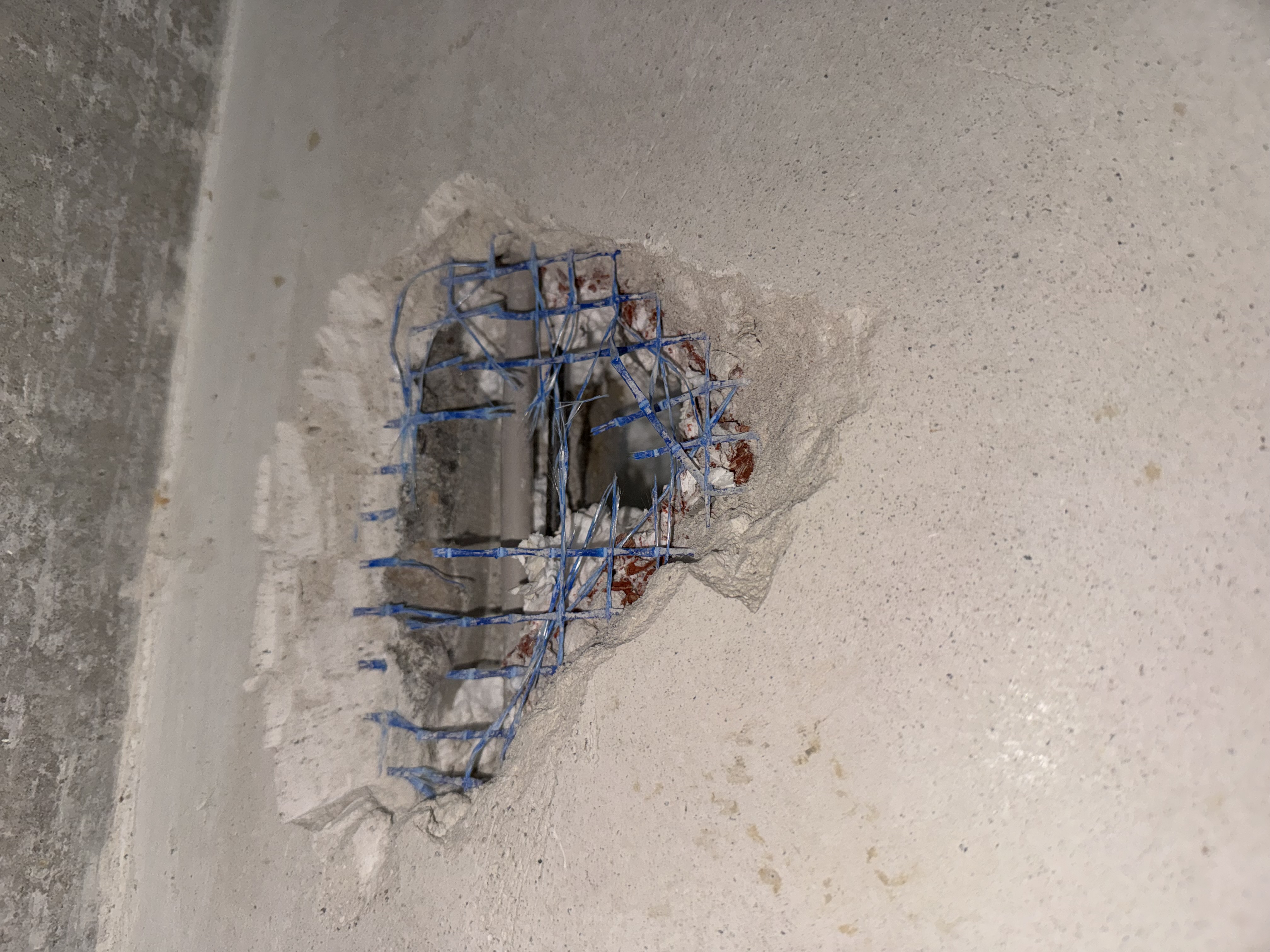
PurpleBee19 Mar 2026 08:45I took a few pictures. Hopefully, something is visible. I also opened up a box at the top because I wanted to see where the lintel is. It looks like it is located directly at the ceiling. According to the label, these are Isotex built-in roller shutters.
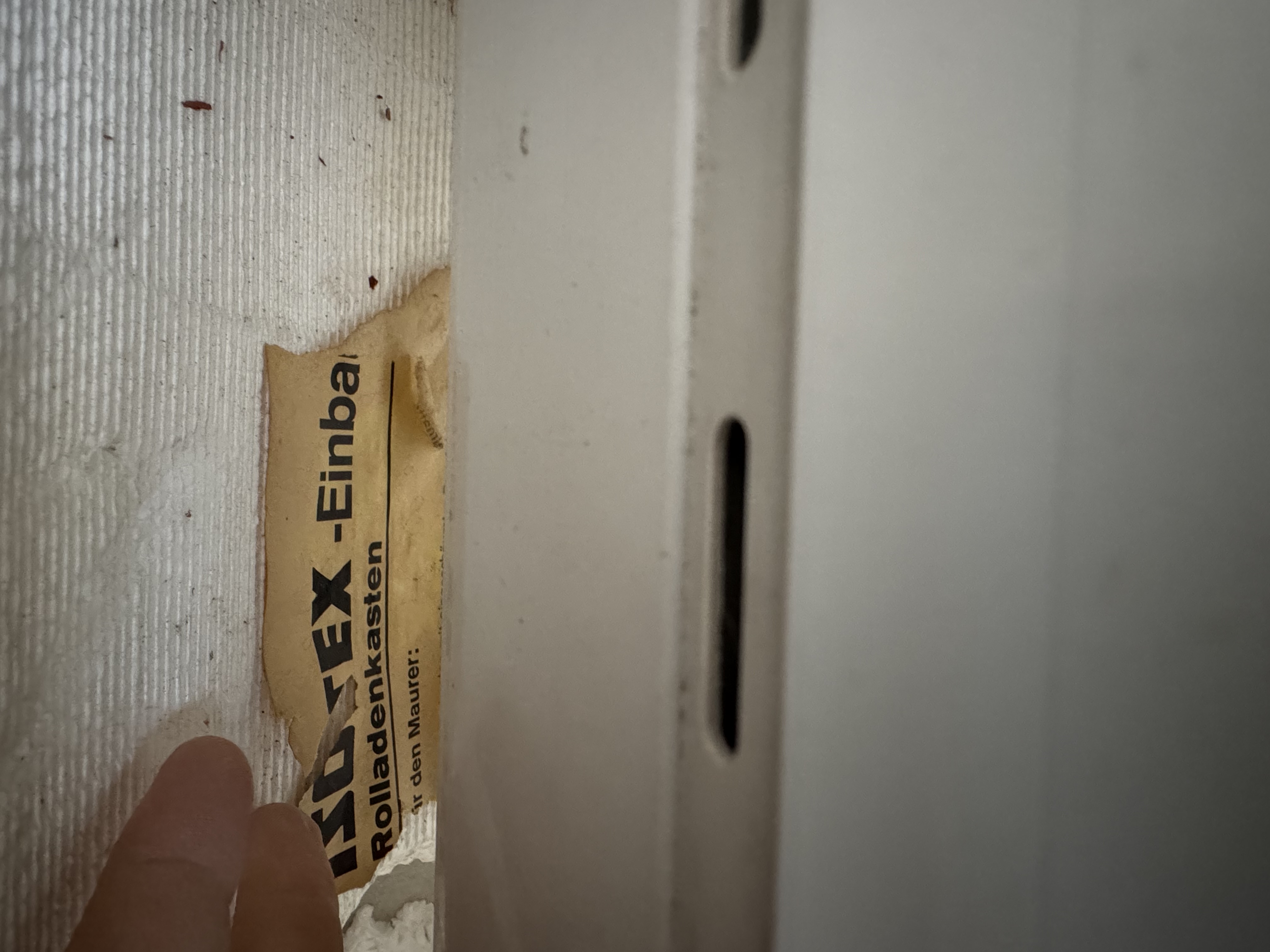
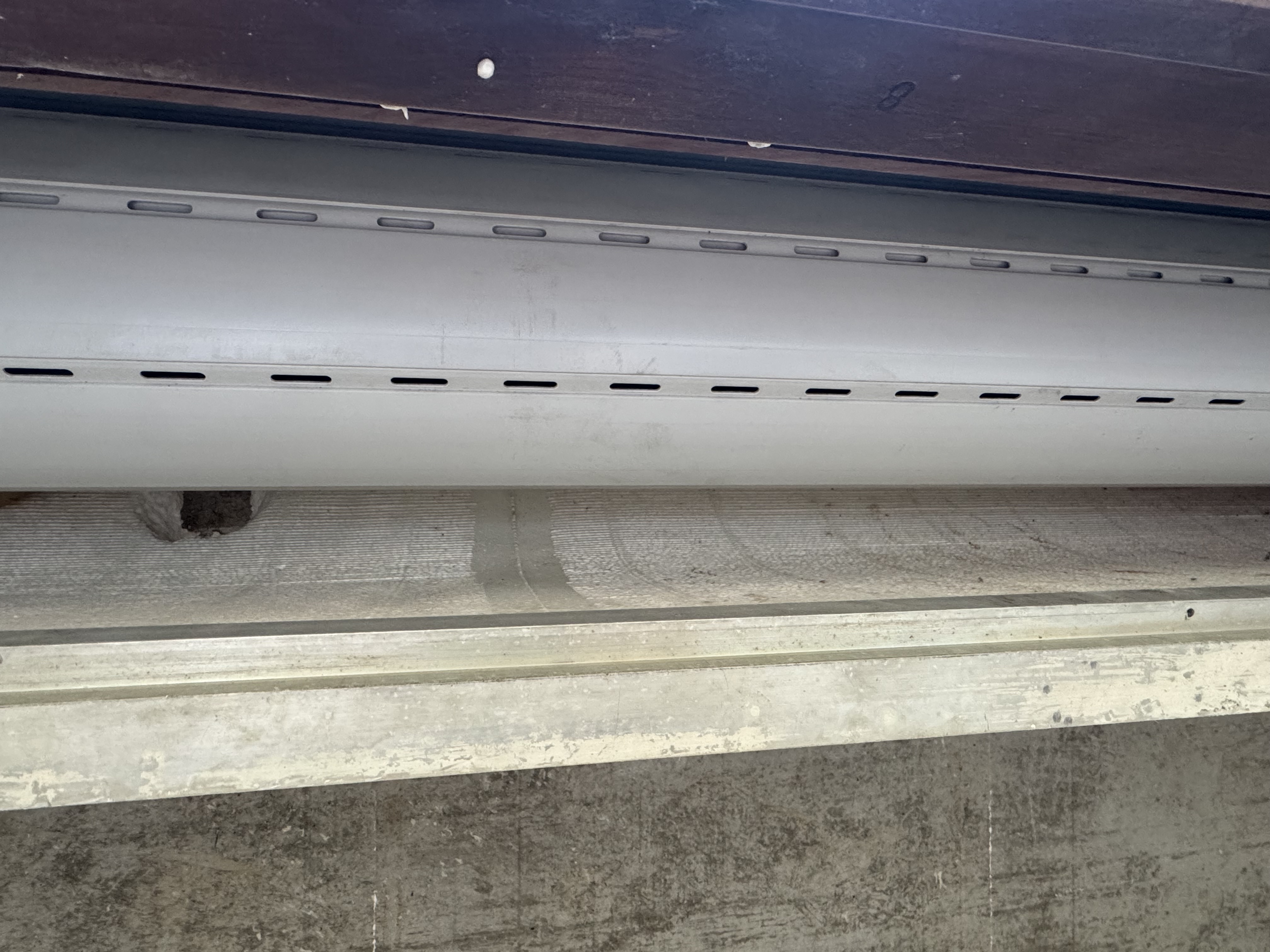
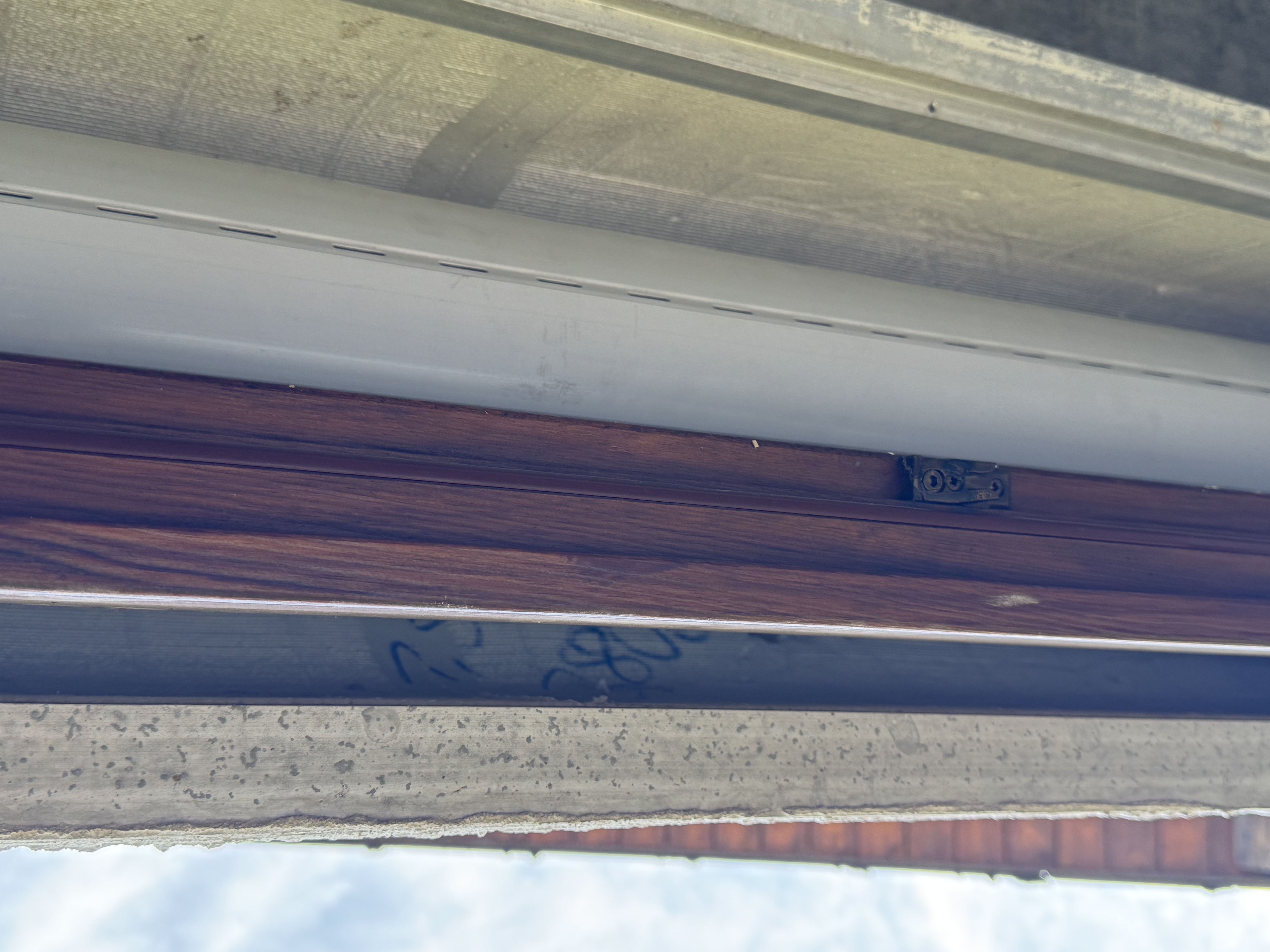
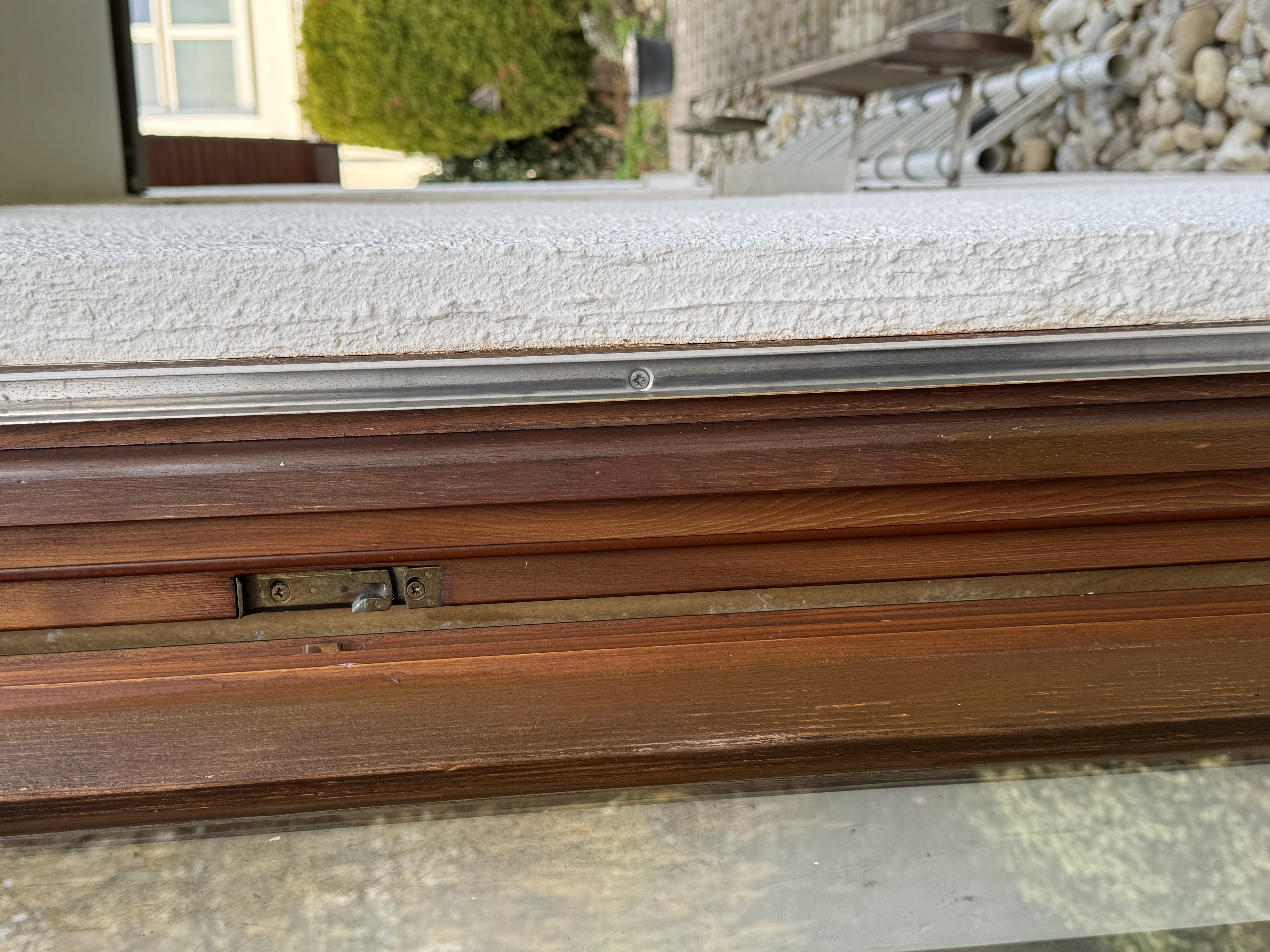
Extension... still not available to this day :-)
In the not-so-optimal detailed photos (an overview photo from the inside and outside would be ideal), I believe I can identify a classic lintel box that could also have a load-bearing function.
The current trend is to seal off, insulate from the inside, or remove old lintel boxes... in order to achieve, as suggested here with a lot of effort (money), an optimal window installation, external roller shutter, and thermal insulation of thermal bridges in that area.
The financial effort is often significantly higher compared to, for example, a conventional professional installation with reveal insulation (windows) and insulation of the existing lintel box when installing new windows or roller shutters.
The "extremely small" (additional) energy savings from thermal bridge optimization around windows and roller shutters (external wall insulation system) in existing buildings (older buildings) will, in most cases, not be sufficient to recoup the higher financial investment.
In the not-so-optimal detailed photos (an overview photo from the inside and outside would be ideal), I believe I can identify a classic lintel box that could also have a load-bearing function.
The current trend is to seal off, insulate from the inside, or remove old lintel boxes... in order to achieve, as suggested here with a lot of effort (money), an optimal window installation, external roller shutter, and thermal insulation of thermal bridges in that area.
The financial effort is often significantly higher compared to, for example, a conventional professional installation with reveal insulation (windows) and insulation of the existing lintel box when installing new windows or roller shutters.
The "extremely small" (additional) energy savings from thermal bridge optimization around windows and roller shutters (external wall insulation system) in existing buildings (older buildings) will, in most cases, not be sufficient to recoup the higher financial investment.
Note: A large number of lintel boxes from around the mid-1980s onward are not poorly insulated!... Often or mostly, only the inspection covers and/or the end caps inside the lintel box (where the roller shutter shaft bearings are attached) are either not insulated or insufficiently insulated. With simple, cost-effective insulation measures, you can (almost) reach today’s new building standards!
Similar topics