
ᐅ Cracks in the plaster or masonry when heating the screed.
Created on: 19 Oct 2021 07:30
S
susanne556S
susanne55619 Oct 2021 07:30Today we noticed several hairline cracks in the plaster. These cracks were not present yesterday. Since yesterday, the heating program has been set to 55 degrees Celsius (131°F). I know the cracks can be filled and covered with painter’s fleece. But what happens when tiles are applied? What concerns me even more is that the cracks in the partition walls go all the way through to the other side. We have HBL blocks.
We already terminated our contract with the general contractor, who was supposed to deliver a turnkey build, some time ago because they refused to fix many defects.

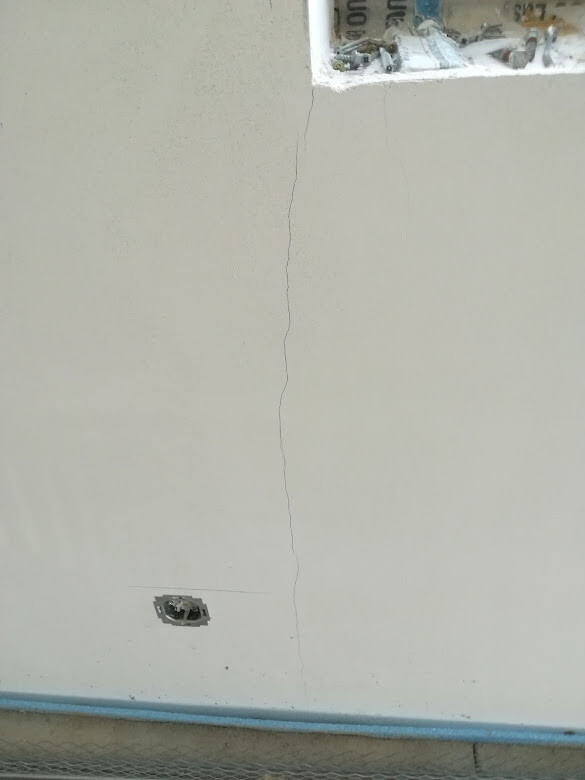
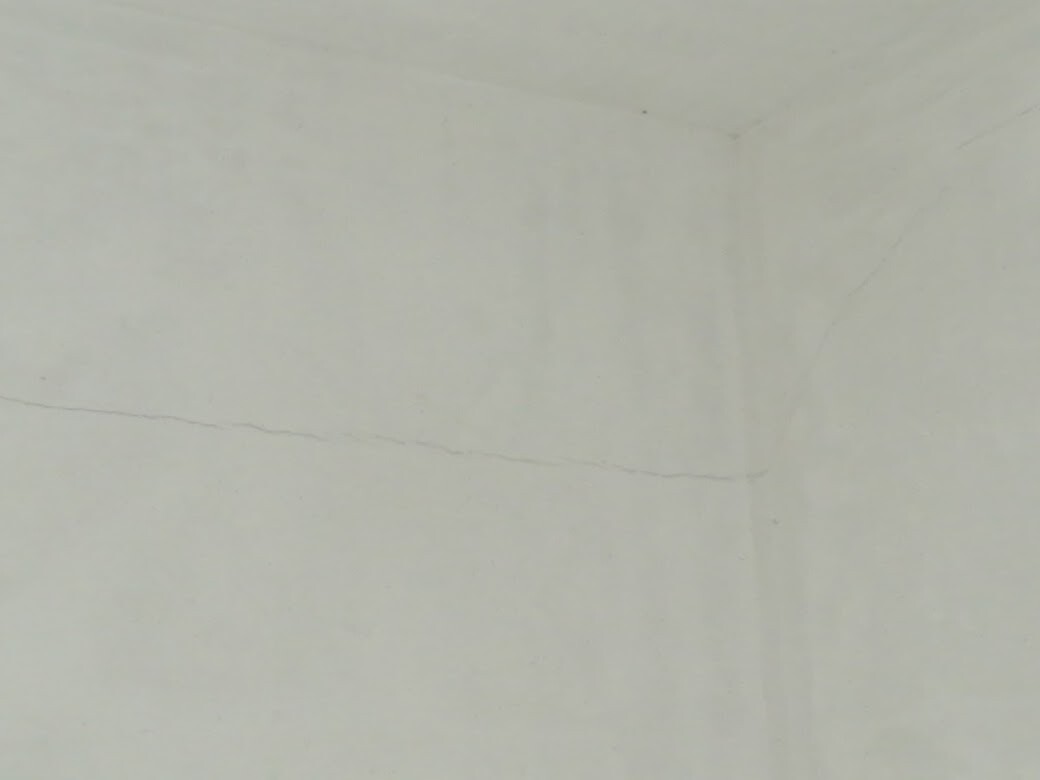
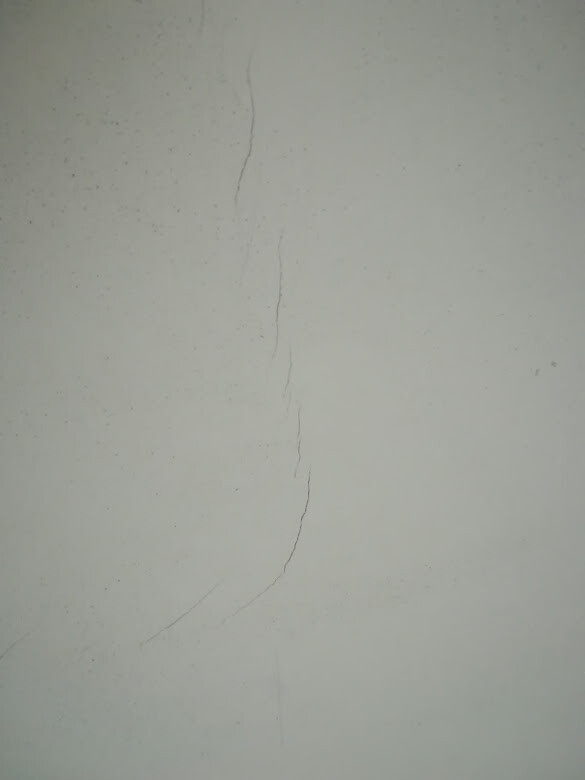
We already terminated our contract with the general contractor, who was supposed to deliver a turnkey build, some time ago because they refused to fix many defects.

In my opinion, settlement cracks are normal. In our case, they mainly appeared during the first year as the building dried out. This occurred both in exterior walls and on both sides of interior partition walls. During the initial renovations, we simply filled them in gradually.
susanne556 schrieb:However, you should definitely take action against those. 😉
marriage cracks
S
susanne55619 Oct 2021 08:28What can we do about it?
S
susanne55619 Oct 2021 08:29Were these just plaster cracks for you, or did they also affect the masonry?
susanne556 schrieb:
Today we noticed several partially hairline cracks in the plaster. .... Since yesterday, the heating program has reached 55 degrees.55°C (131°F) supply temperature?
That mostly doesn’t affect the room, except where the supply heating pipes are located.
What matters is the room temperature and humidity.
However, it is crucial that the interior does not dry too quickly.
For example, increasing the temperature from the nighttime outside temperature to 22°C (72°F) inside too rapidly.
This will likely cause drying cracks.
Settlement cracks are (as already mentioned) rather typical and considered normal.
Plaster cracks are completely normal. They are difficult to avoid unless mesh reinforcement is used, which helps relieve stress. For exterior plaster, mesh should generally be included, while for interior plaster it is usually not necessary.
Just fill the cracks and finish. A house naturally moves, so cracks in plaster are inevitable.
Cracks also occur in drywall, such as on gypsum boards. Here, too, fiberglass mesh can be used to reinforce the joint compound.
Since construction today is often rapid, materials need to dry quickly. Usually, they do not dry completely, which can lead to mold later on. Ideally, a house should dry out naturally during January or February when humidity is low and temperatures are cold. That is when it becomes thoroughly dry. During construction, large amounts of water are introduced—often thousands of liters—especially with screed and plaster.
Where should all of that moisture go, especially with polystyrene insulation around the building and sealed walls?
Just fill the cracks and finish. A house naturally moves, so cracks in plaster are inevitable.
Cracks also occur in drywall, such as on gypsum boards. Here, too, fiberglass mesh can be used to reinforce the joint compound.
Since construction today is often rapid, materials need to dry quickly. Usually, they do not dry completely, which can lead to mold later on. Ideally, a house should dry out naturally during January or February when humidity is low and temperatures are cold. That is when it becomes thoroughly dry. During construction, large amounts of water are introduced—often thousands of liters—especially with screed and plaster.
Where should all of that moisture go, especially with polystyrene insulation around the building and sealed walls?
Similar topics