
Hello to the few who have plastered their living areas with cement-lime mortar.
The painter is ready to start and noticed that we often have hairline cracks in the plaster. The plan was just to sand the plaster (this has already been done) and apply two coats of paint. We would prefer not to fully skim coat the surfaces.
Has anyone experienced the same issue?
This is not considered a defect; we knew we were doing something a bit unusual.
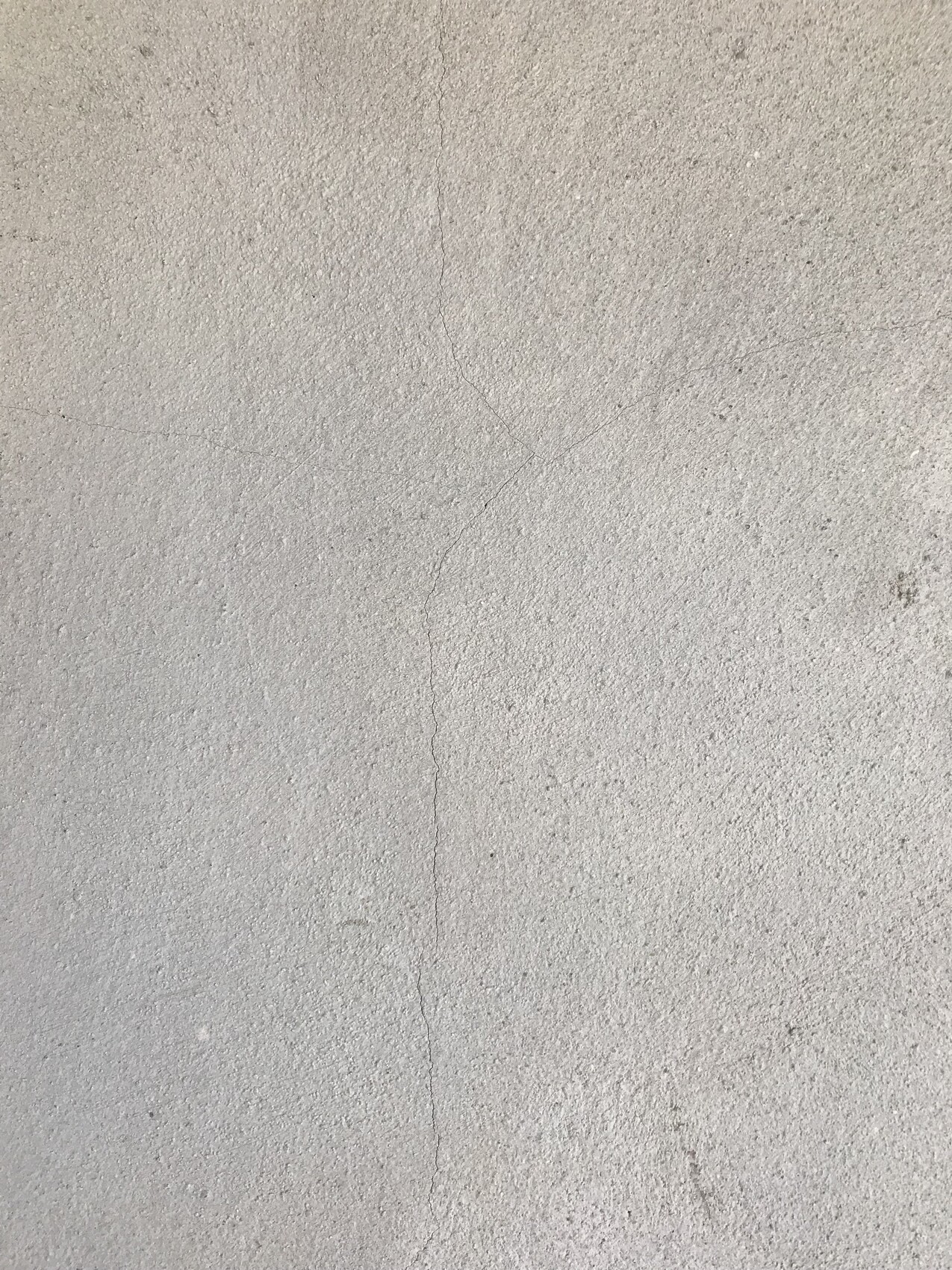
The painter is ready to start and noticed that we often have hairline cracks in the plaster. The plan was just to sand the plaster (this has already been done) and apply two coats of paint. We would prefer not to fully skim coat the surfaces.
Has anyone experienced the same issue?
This is not considered a defect; we knew we were doing something a bit unusual.

Setting refers to the chemical process in which cement and water form cement paste and subsequently cement stone. This process releases heat, known as hydration heat or setting heat. In short, as the setting progresses, the concrete becomes harder.
If the water evaporates too quickly, it disrupts the setting process, causing volume changes, shrinkage, and cracks. Therefore, with screed and plaster, do not ventilate immediately; instead, allow the moisture to remain inside the building initially.
If the water evaporates too quickly, it disrupts the setting process, causing volume changes, shrinkage, and cracks. Therefore, with screed and plaster, do not ventilate immediately; instead, allow the moisture to remain inside the building initially.
Nordlys schrieb:
Curing refers to the chemical process in which cement and water form cement paste and subsequently cement stone. This process releases heat, known as hydration or curing heat. In short, as curing progresses, the concrete becomes harder.
If the water dries out too quickly, it disrupts the curing process, causes volume changes, shrinkage, and cracks. Therefore, for screed and plaster, do not ventilate immediately; instead, allow the moisture to remain inside the building for a while.Okay, then I have to live with that.
I just want to be sure that the plaster is not hollow and is firmly bonded to the Ytong blocks.
Is tapping enough, or is there a trick to check this?
The contractor says everything is fine, but I would still like to verify it myself.
Replacing it would be a disaster.
Similar topics