
Hello everyone, we moved in in the middle of last year and have a steel staircase with wooden steps. The wooden steps were only glued at the time. Now we have the problem that since we moved in, two steps have come loose. The carpenter used Lugato bombenfest as adhesive, a type of assembly adhesive. Can you recommend something better?
The steps have been oiled twice and the glued area was not scored or treated in any way. (We had noticed this with the first step.)
After the first step came loose, we reglued it. The second step is not completely detached yet but already loose. The adhesive sticks to the steel but not to the wood. What would you recommend now? I have attached pictures of the staircase construction. Of course, it is possible to screw the steps in place. However, we did not want to see screws from underneath. If we decide to screw them in now, is it possible to drill from below while keeping the steps in place?
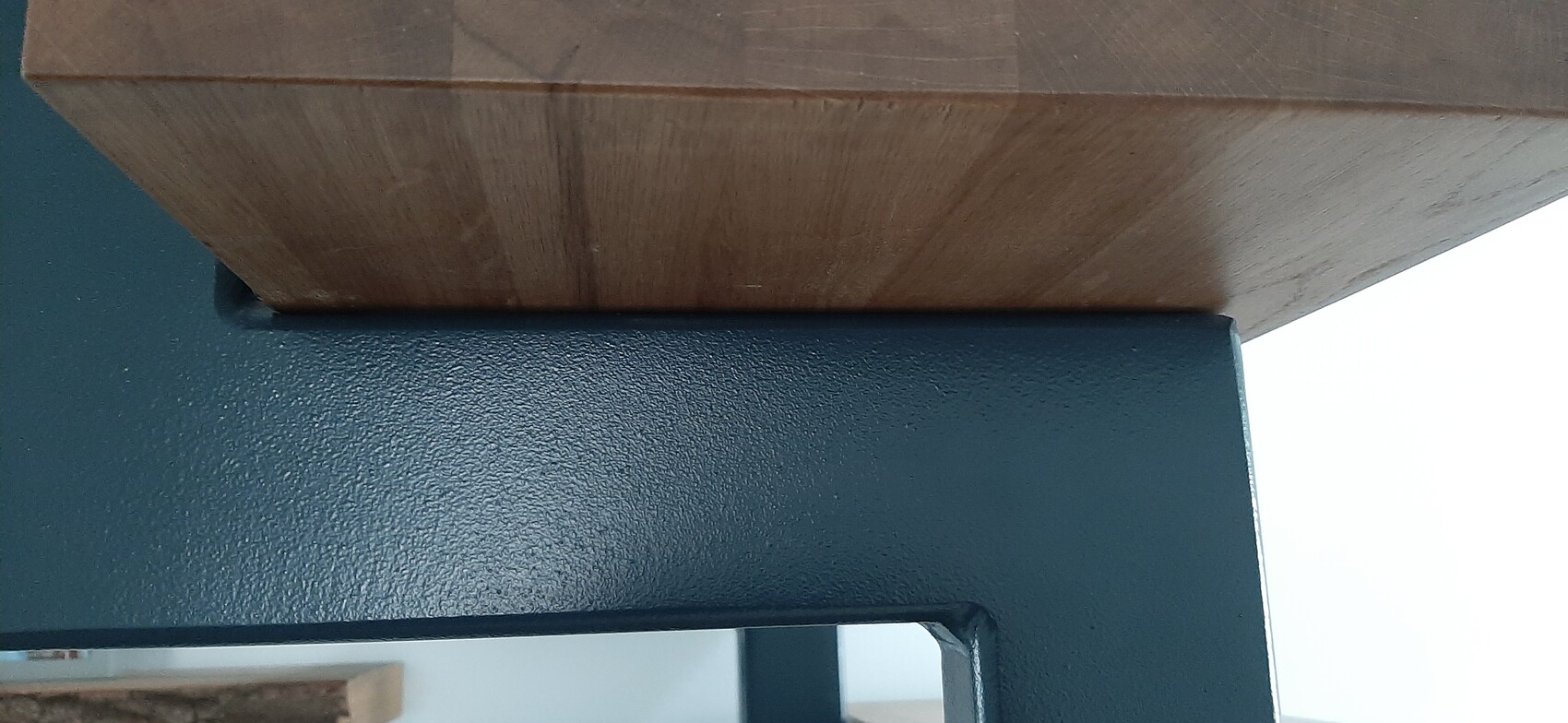
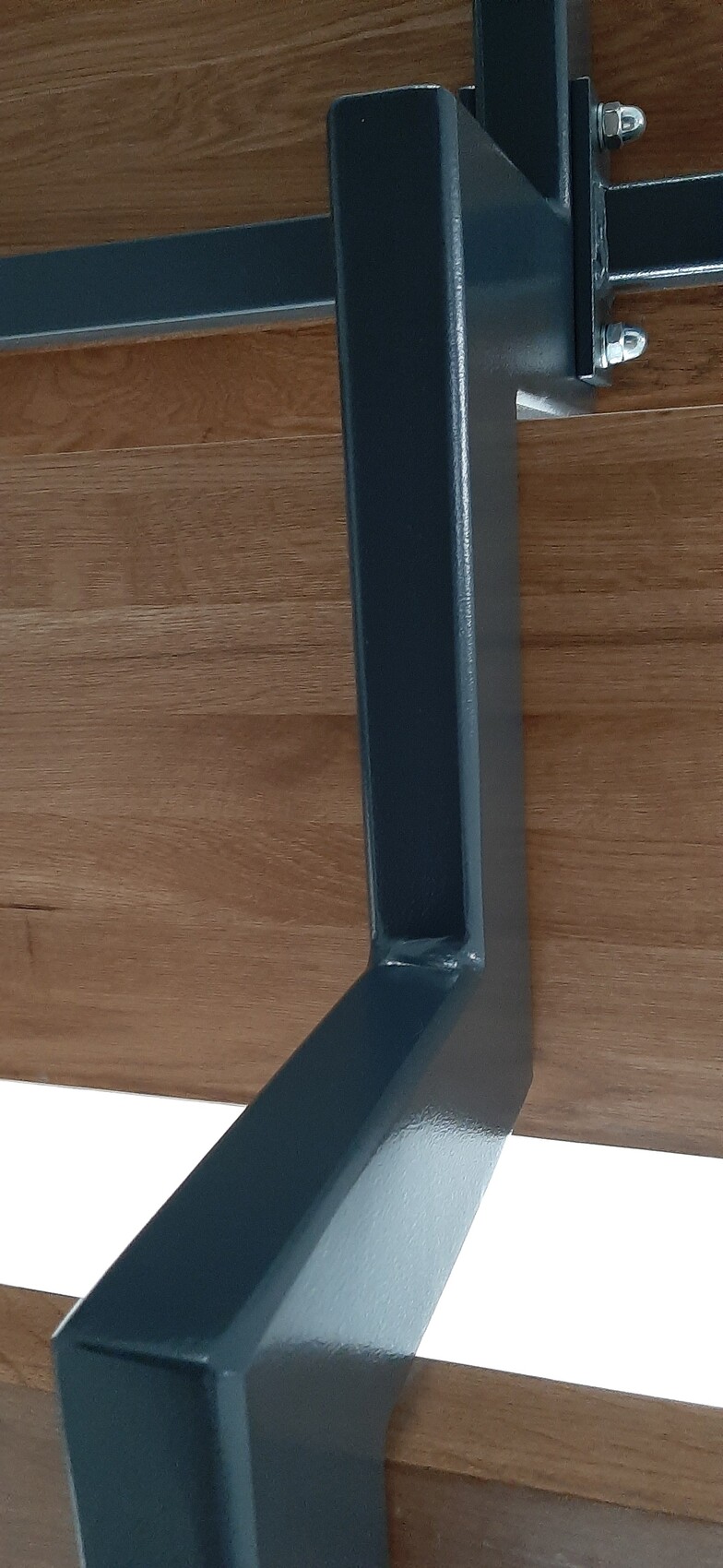
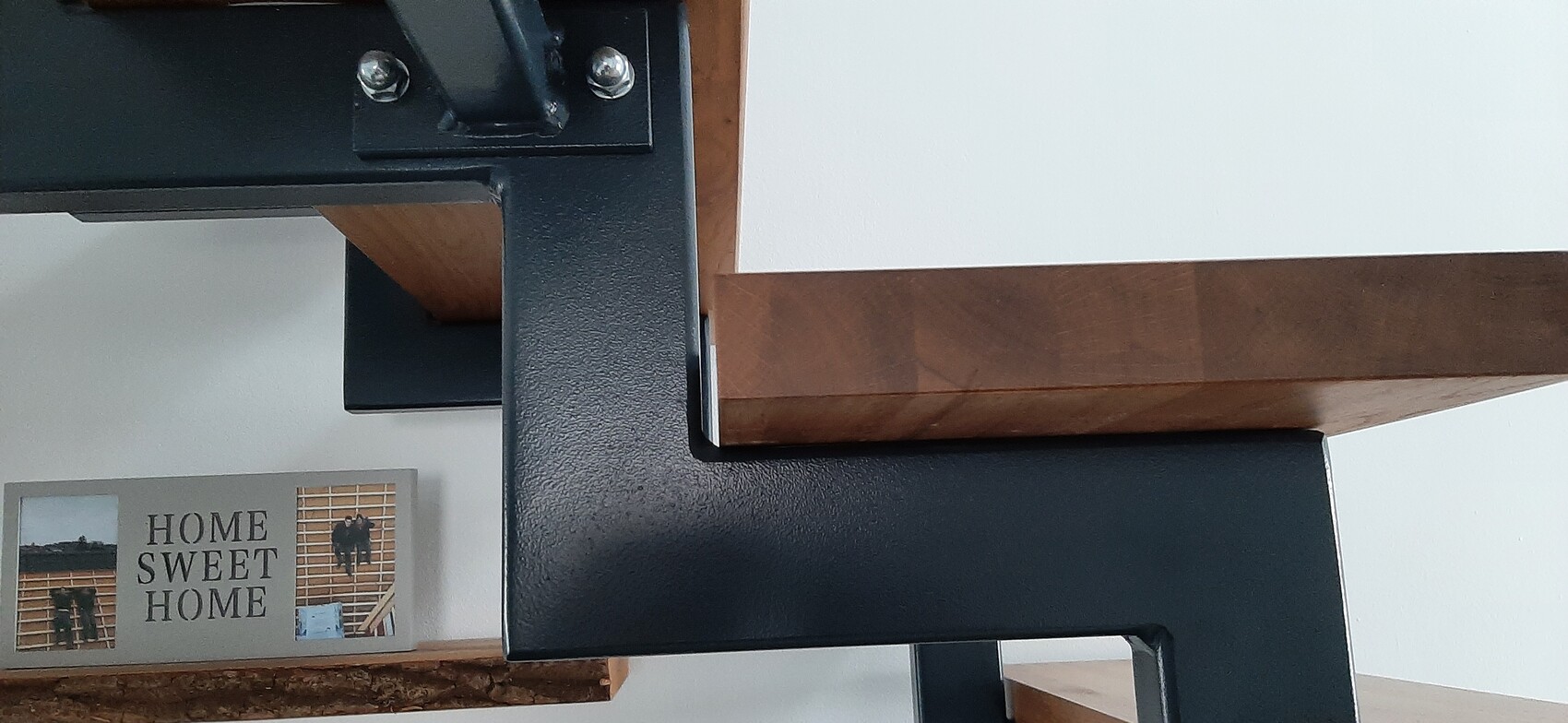
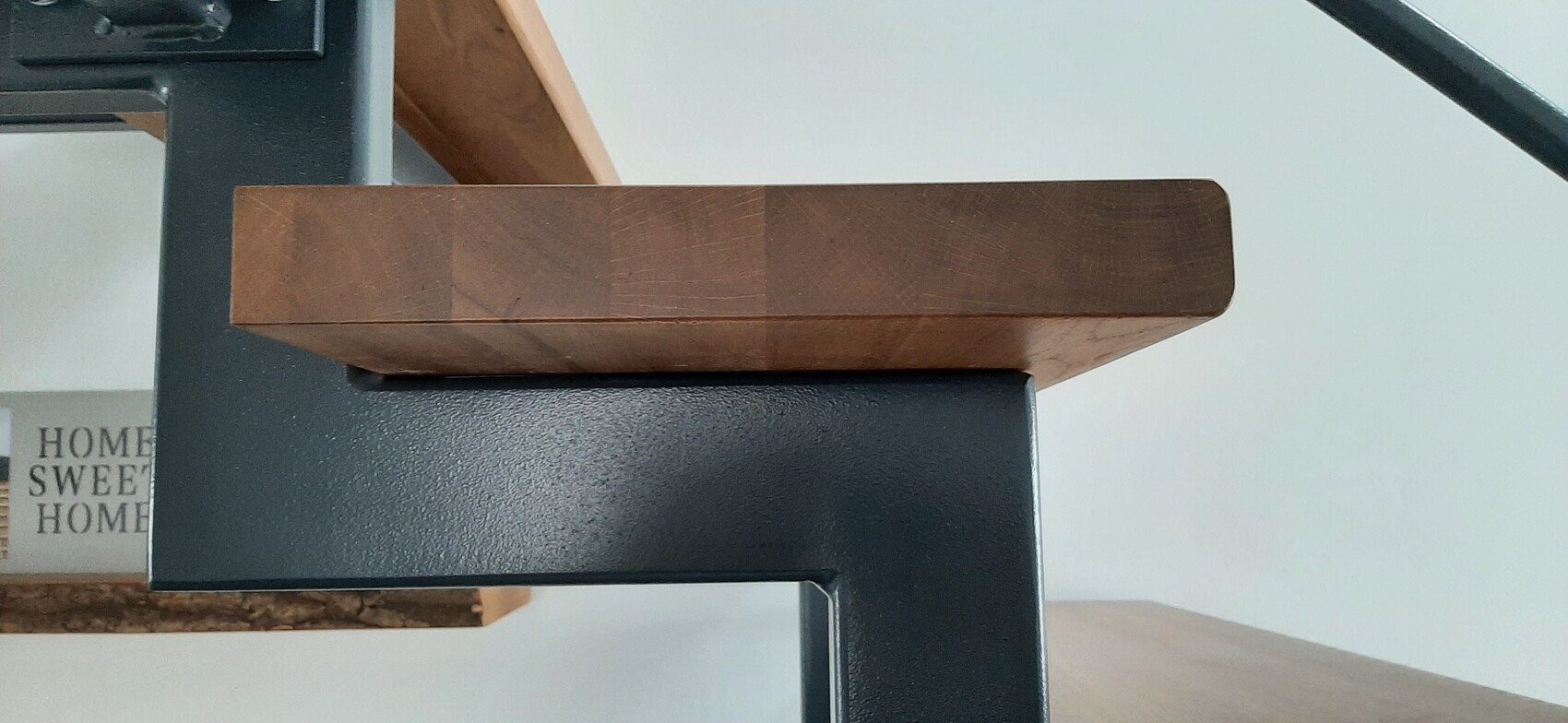
The steps have been oiled twice and the glued area was not scored or treated in any way. (We had noticed this with the first step.)
After the first step came loose, we reglued it. The second step is not completely detached yet but already loose. The adhesive sticks to the steel but not to the wood. What would you recommend now? I have attached pictures of the staircase construction. Of course, it is possible to screw the steps in place. However, we did not want to see screws from underneath. If we decide to screw them in now, is it possible to drill from below while keeping the steps in place?

T_im_Norden schrieb:
I’m more wondering why you are working on it instead of the carpenter who installed it?
This is a new build after all. In this case, it was the quickest solution.
We had the steps made through an acquaintance of an acquaintance, and then, of course, did things the way you usually do when you know what I mean. :/
Now he simply reattached the first step. We contacted him about the current step, and he just said, "Yeah, annoying, we have to glue it down again."
Since we were expecting the somewhat mobility-impaired craftsman (he really has difficulties) upstairs the next day, I took care of the step myself right away. The craftsman can’t skip a step, especially not with his tools.
And the carpenter couldn’t come on the same day.
Honestly, this pisses me off too. What am I supposed to say to the carpenter without proof? That’s exactly the problem.
Yeah, I know the feeling. Tradespeople would probably come back 10 more times to keep gluing until you’ve had enough and just want them to leave you alone. They won’t come up with a solution on their own because that would require some thinking. There are several possible solutions.
1. The ones already mentioned here with dowels and screws
2. Screw a thin sheet of steel to the width of the step. After that, you can create a metal-to-metal adhesive bond. This would eliminate the problem you mentioned.
3. Use a different adhesive
4. Drill into the stringers once and insert a pin into the wood below. This pin fixes the stair tread on the left and right sides. Additionally, glue it. The advantage is that about 99% of the walking forces are taken up by the dowel pins, and the glue only needs to provide some support.
I would probably go with option 2 or 4. Most likely option 4.
1. The ones already mentioned here with dowels and screws
2. Screw a thin sheet of steel to the width of the step. After that, you can create a metal-to-metal adhesive bond. This would eliminate the problem you mentioned.
3. Use a different adhesive
4. Drill into the stringers once and insert a pin into the wood below. This pin fixes the stair tread on the left and right sides. Additionally, glue it. The advantage is that about 99% of the walking forces are taken up by the dowel pins, and the glue only needs to provide some support.
I would probably go with option 2 or 4. Most likely option 4.
H
hampshire22 Mar 2021 17:14These are good suggestions – I immediately thought of @Bookstar’s solution number 2. I would recess the metal strips flush (a router makes this easy) so that the stair height doesn’t change. Don’t do this on all the steps at once, but gradually – as they start to loosen up.
In any case, you’re taking very good photos. That should be sufficient as proof.
In any case, you’re taking very good photos. That should be sufficient as proof.
M
Myrna_Loy22 Mar 2021 17:59HarvSpec schrieb:
And secure it with slotted holes! Otherwise, you'll end up with another break point between moving wood and rigid metal. I was just about to say – a rigid metal connection will only cause cracks in the steps. Two screw points per side in the wood are necessary, even if the connection in the wood was not made with slotted holes. The wooden dowel only prevents the step from shifting when the adhesive fails.
And regarding the comment about lazy tradespeople... 🙄 No tradesperson wants to fix design flaws made by the homeowners.
Similar topics