
Hello,
my name is Frank. I’m not building, but I own a house built in 1997.
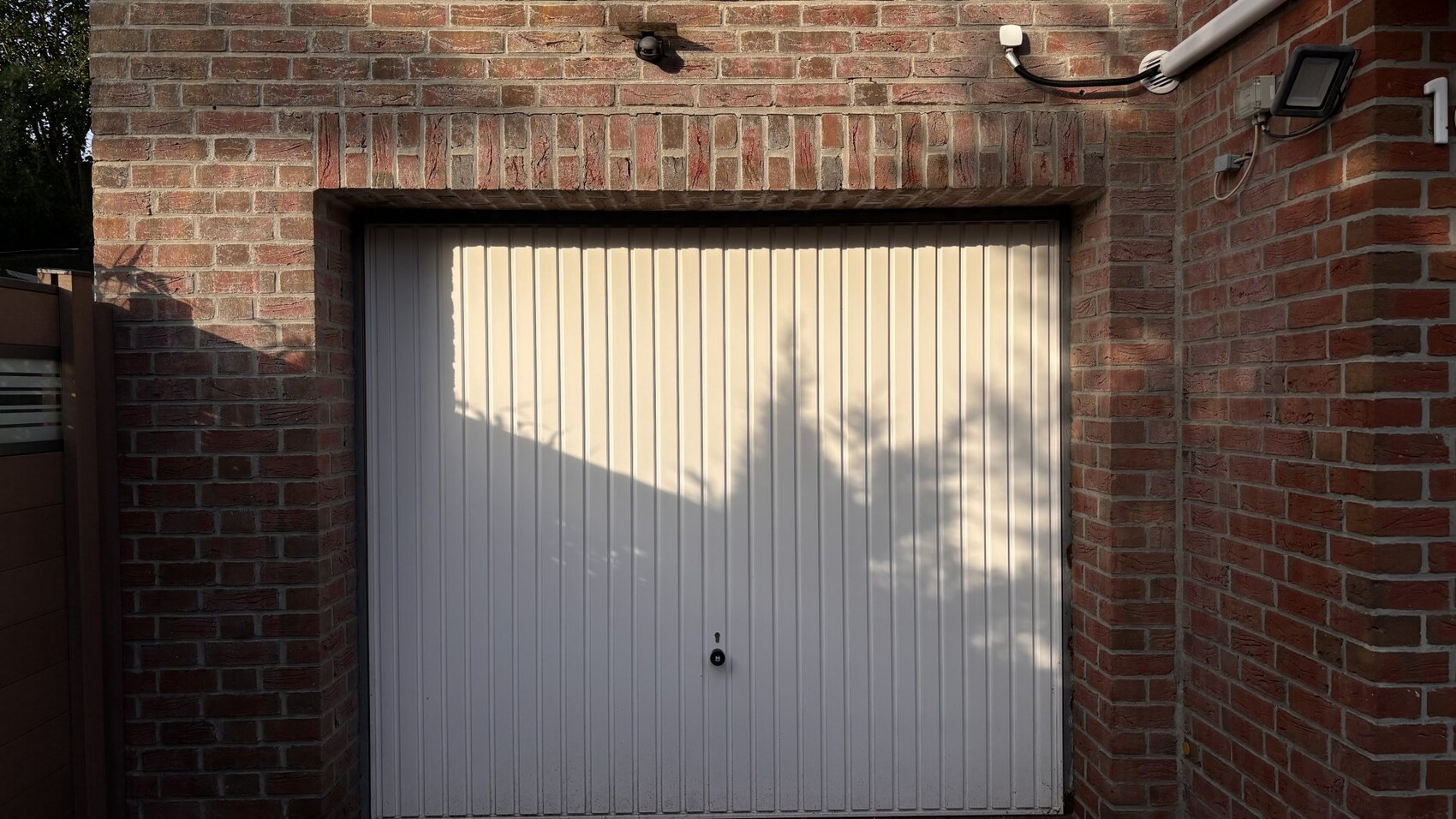
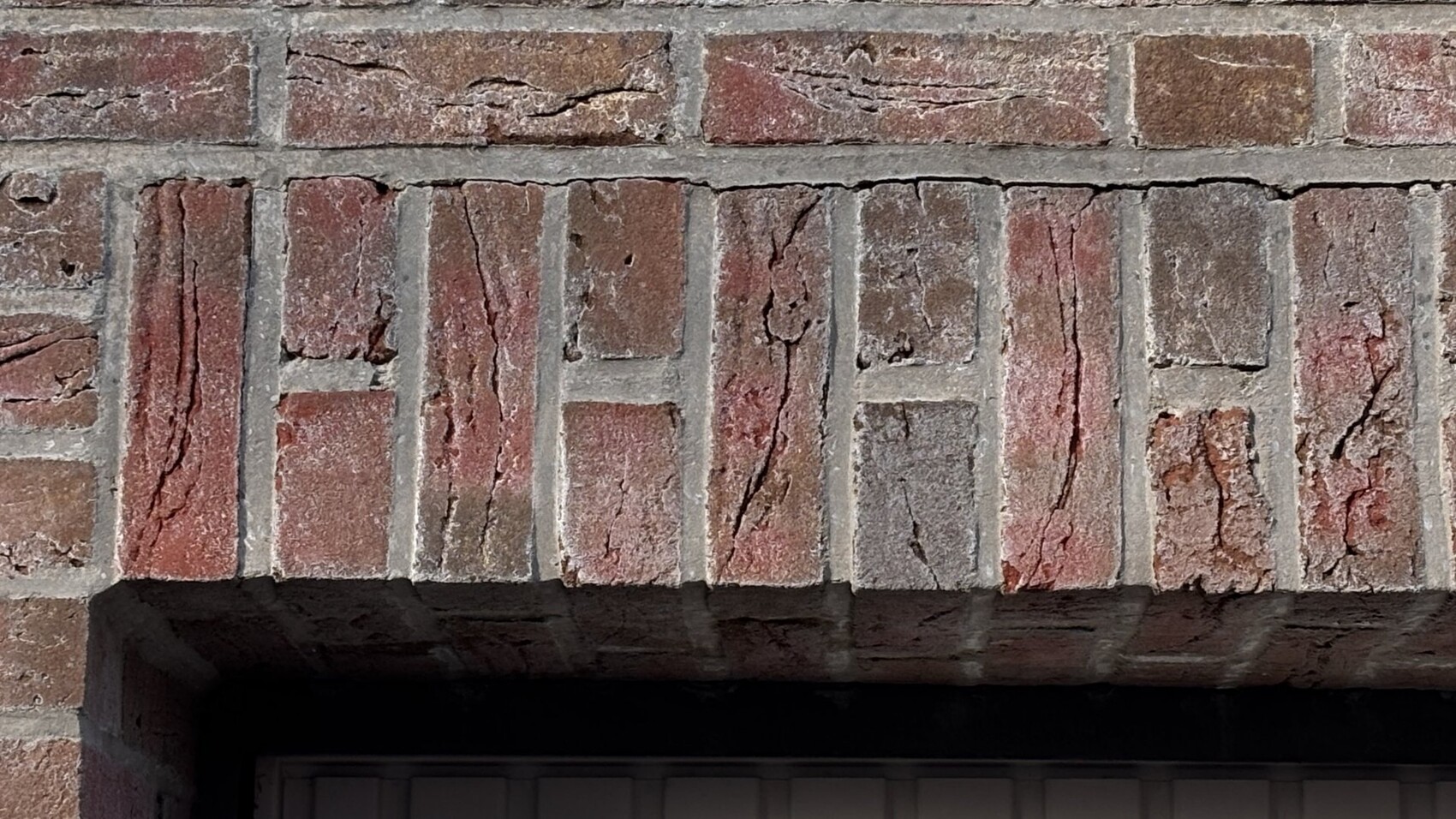
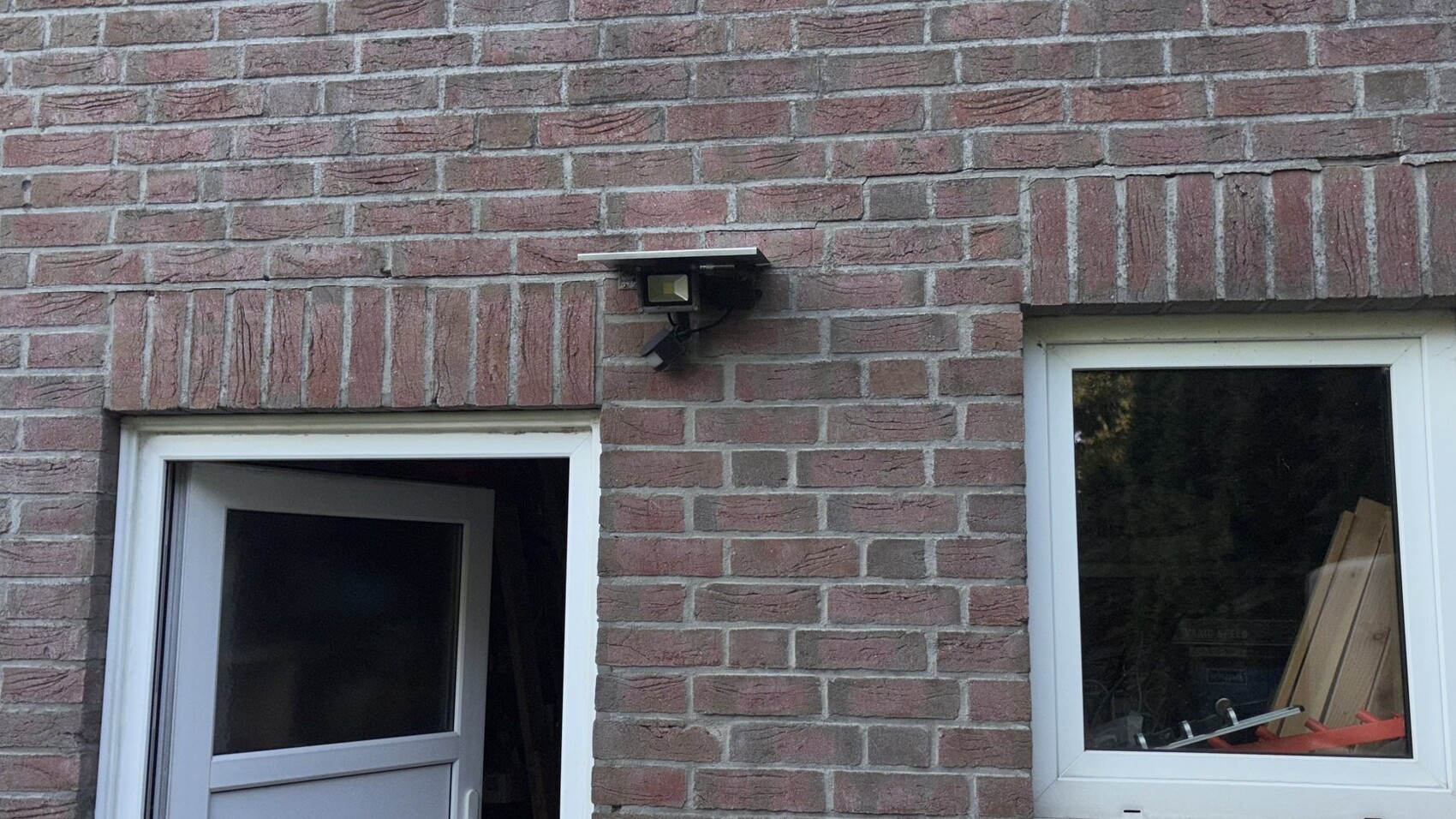
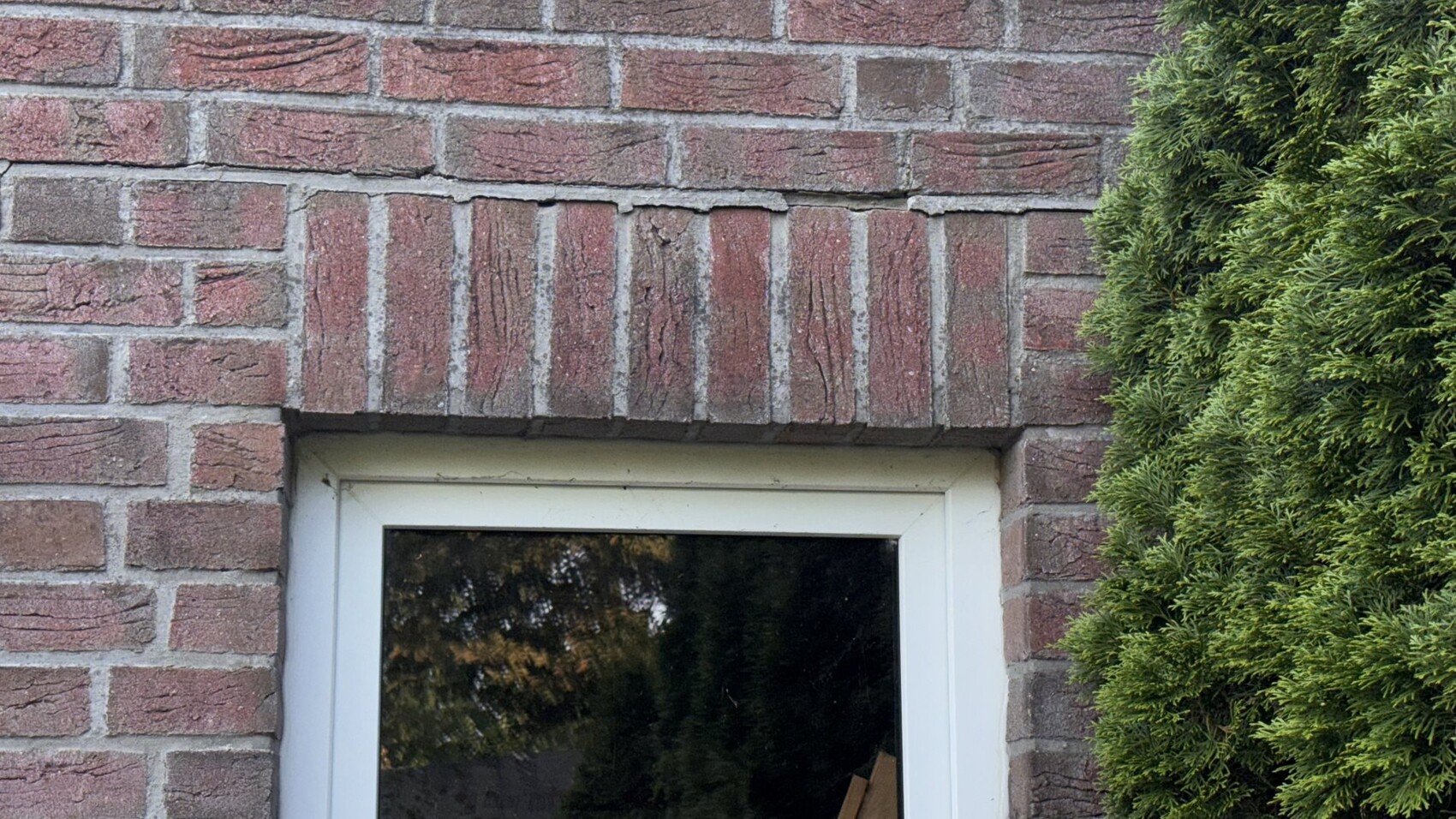
I have a question regarding the garage lintel and window lintels. Everything I find about crack repairs relates to cracks in the brickwork above the lintels. These are secured using horizontal helical masonry anchors.
In this case, I feel that working with vertical anchors from top to bottom would be more appropriate.
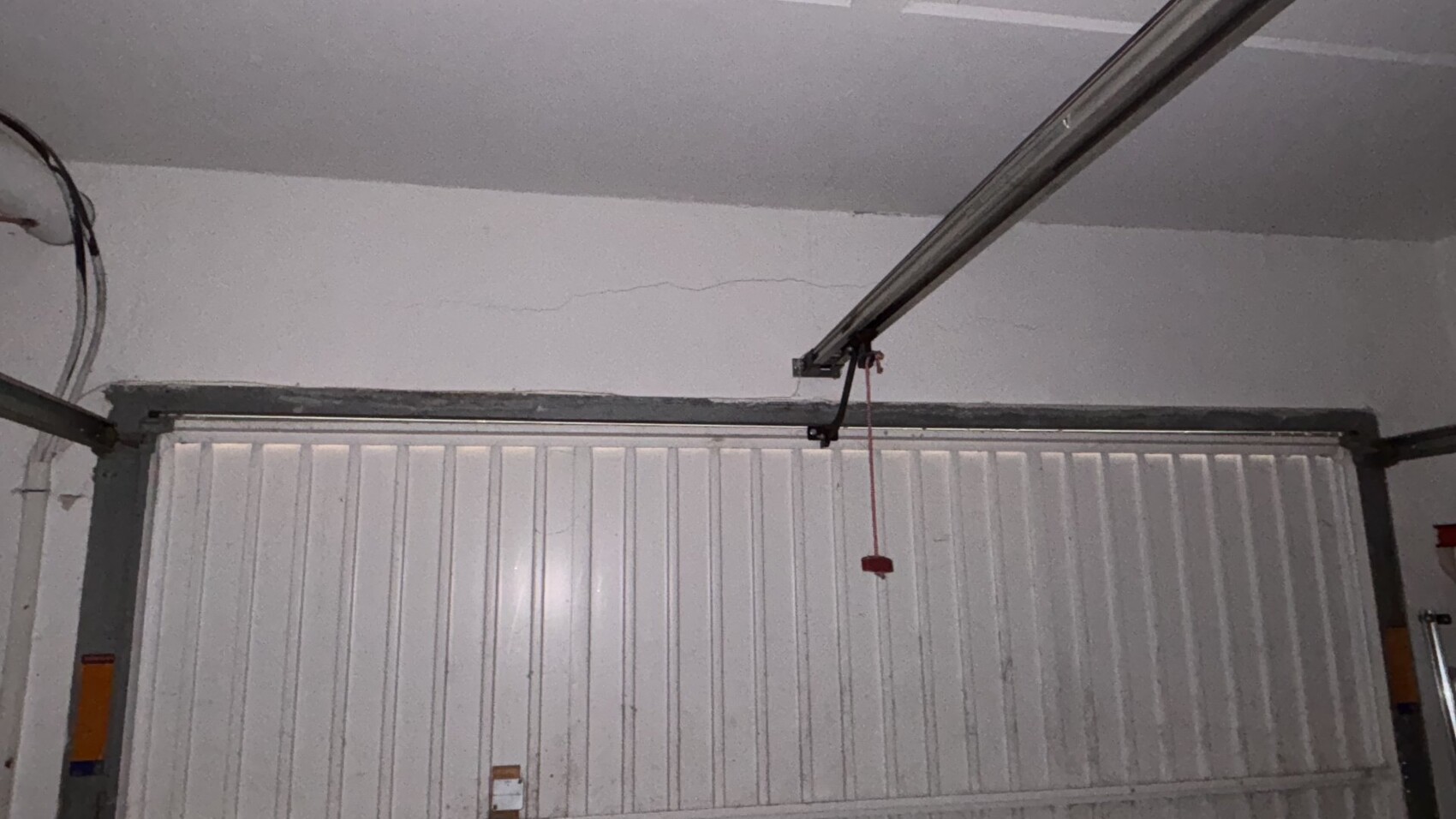
It appears to be a reinforced concrete lintel. I cannot say whether steel or stainless steel angle brackets are installed on the right and left sides. I bought the house, built in 1997, several years ago from a bricklayer who clearly did not master his craft. He built the entire house himself.
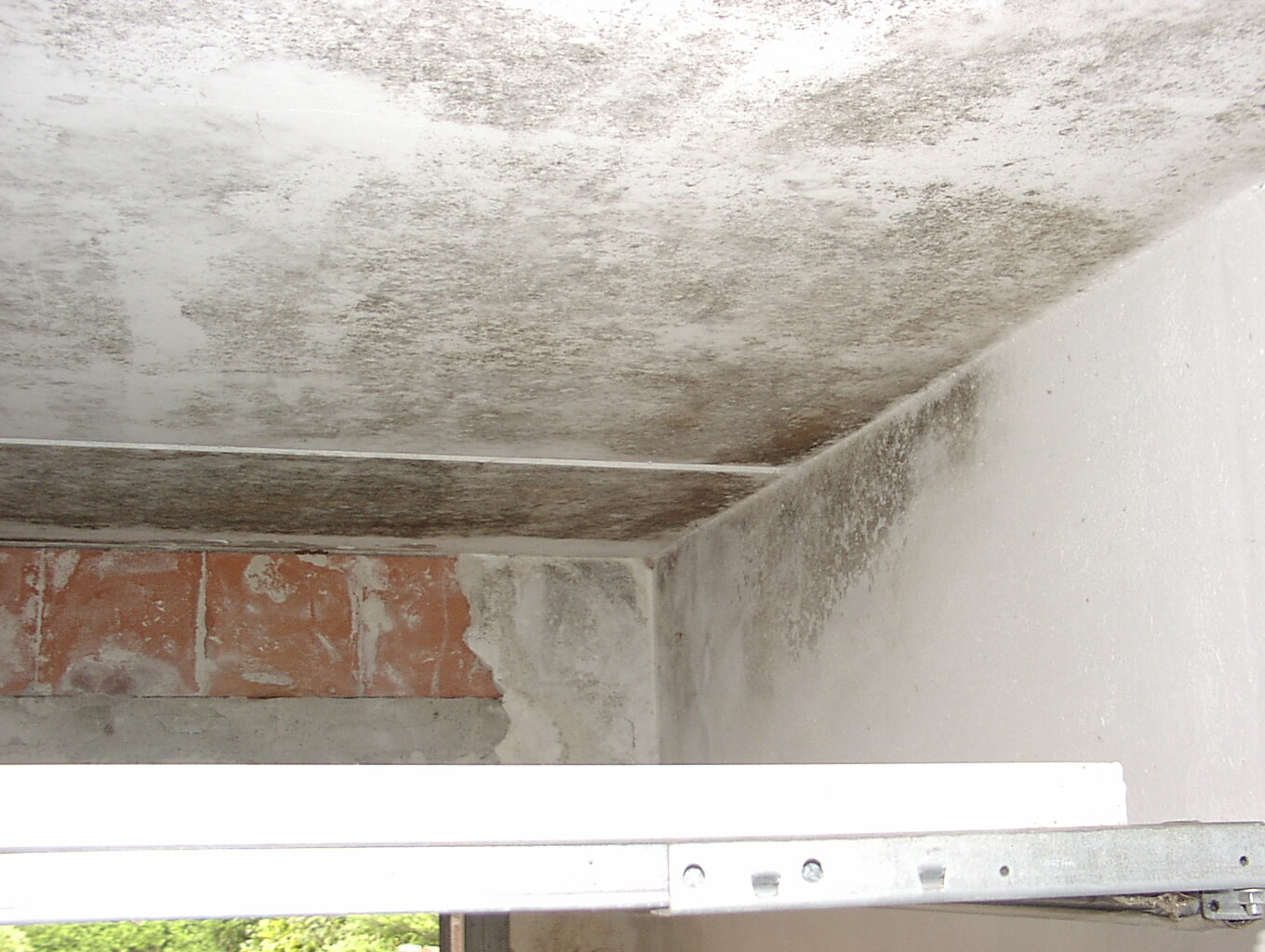
The garage was completely damp because there was a terrace above it. Construction: precast concrete ceiling elements – bitumen – screed – tiles. He only extended the bitumen waterproofing up the house side, leaving the exterior walls completely wet. This is evident from the efflorescence. I have since had this corrected.
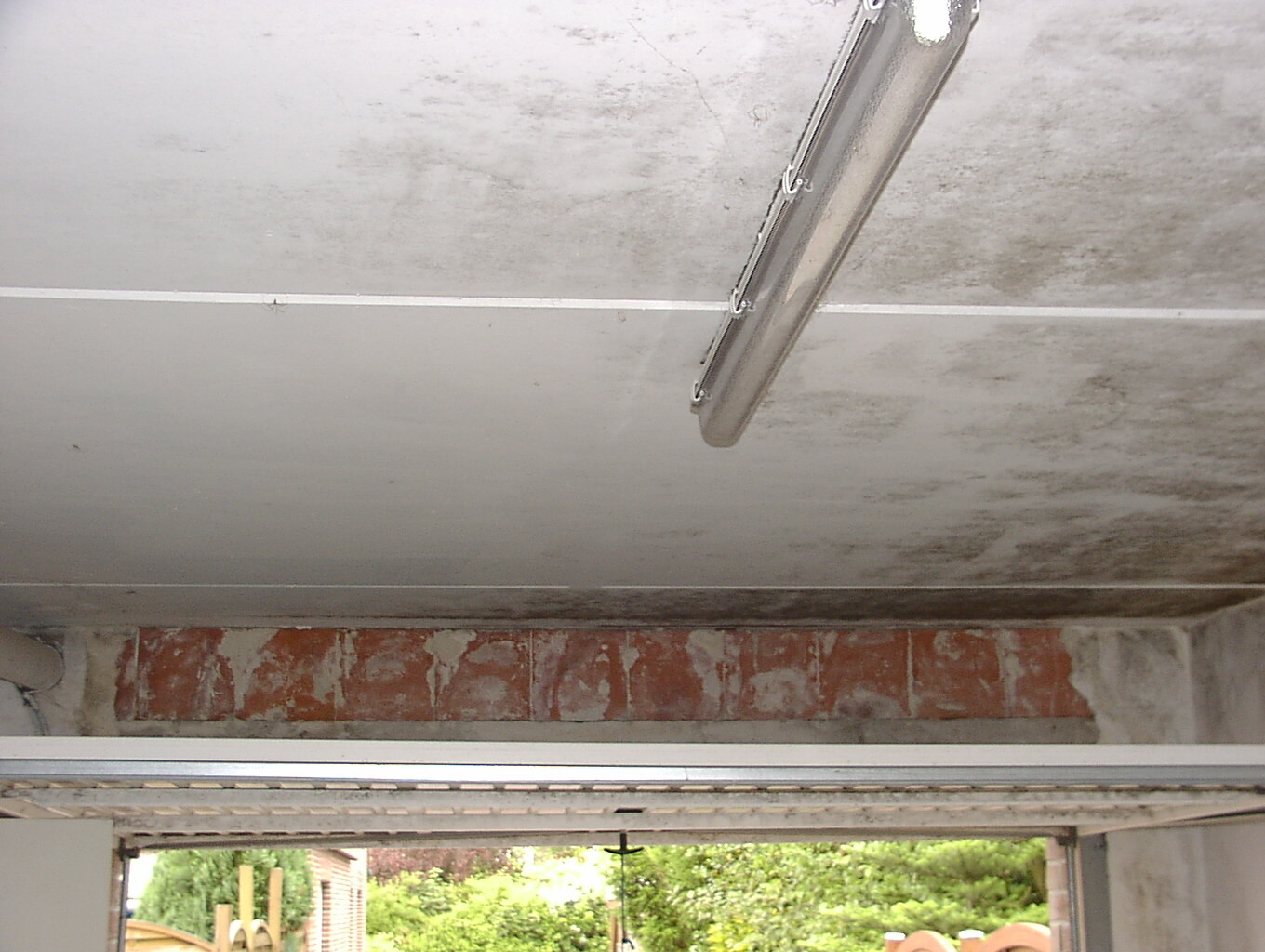
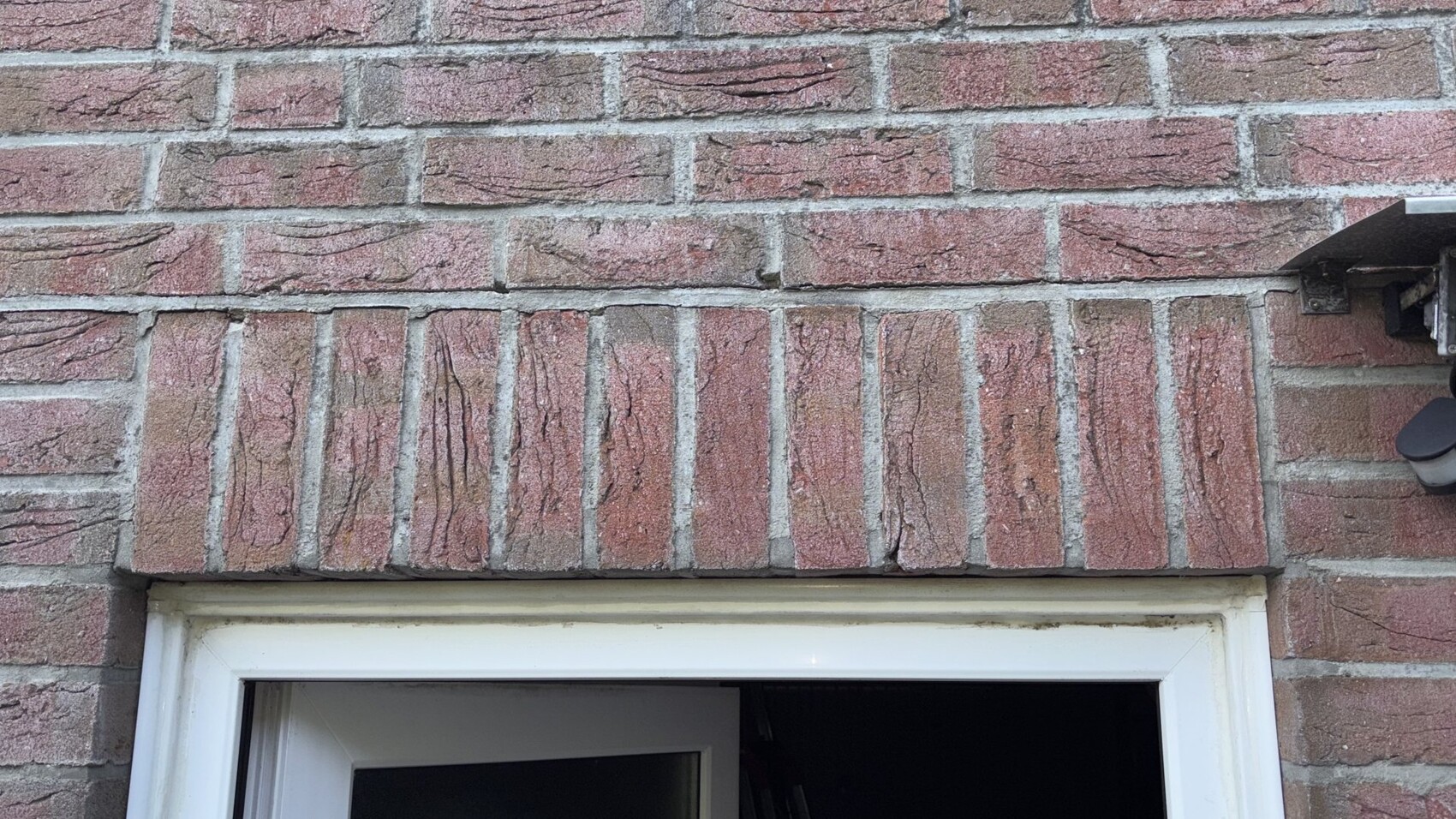
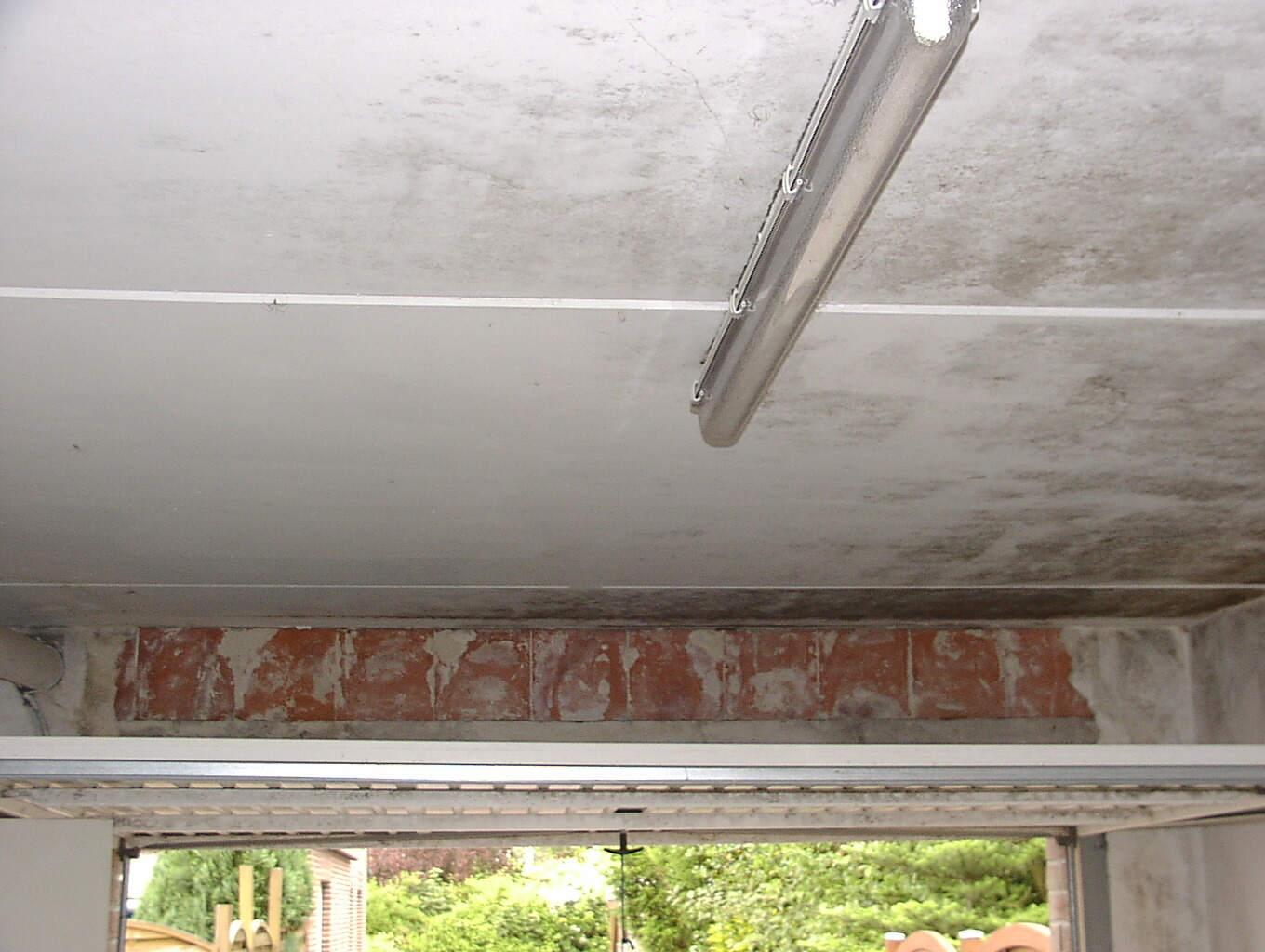
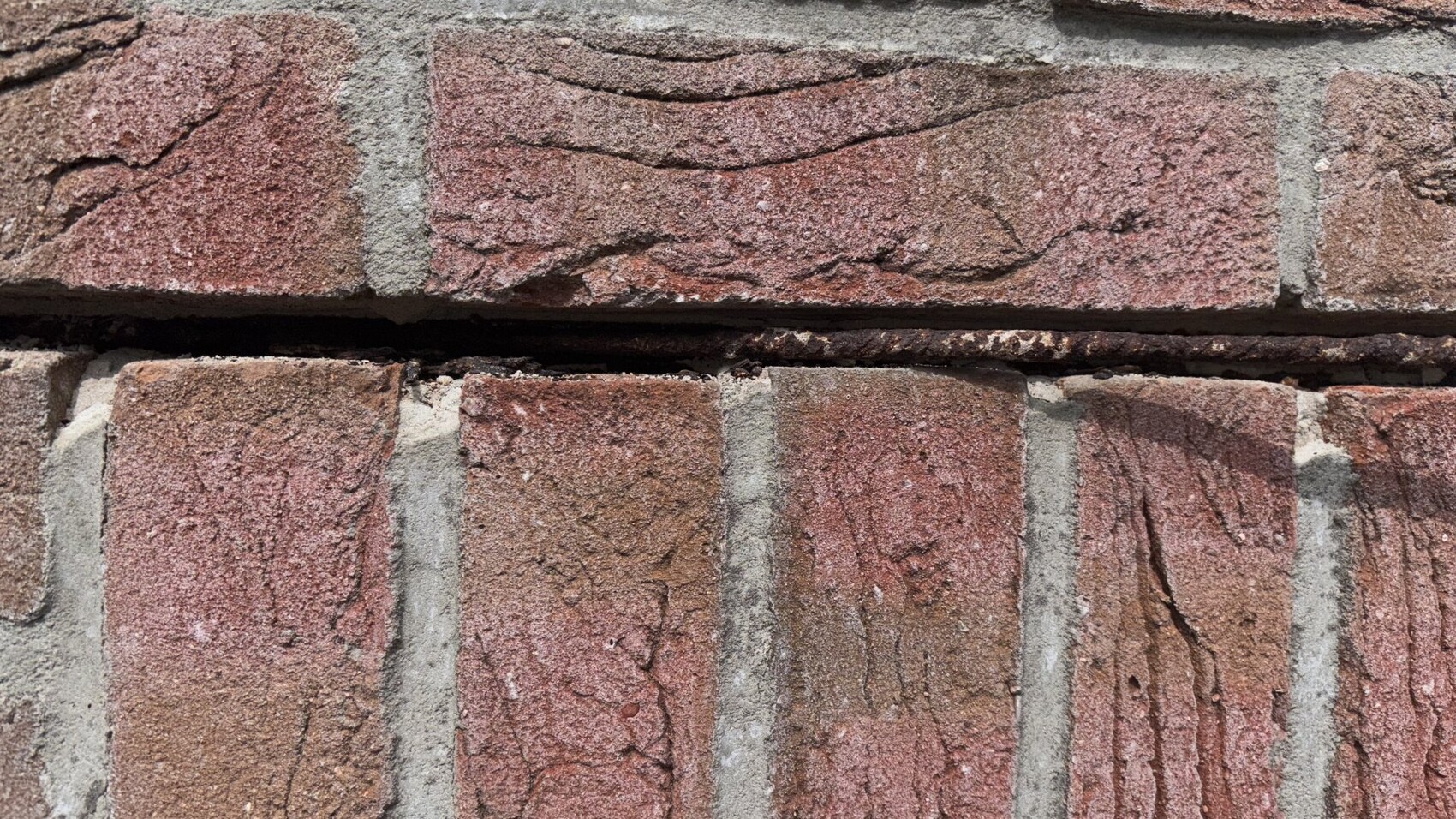
I have attached a photo from earlier showing the inside of the garage lintel. At that time, the plaster was loose. We renewed it. Today, I removed some of the loose mortar joints and took photos. You can see rusted lintel anchors that are not continuous but meet in the middle. I bent one a little outwards. Of course, they are not stainless steel.
Since the walls have been dry for several years now, could I install new stainless steel anchors?
What would be the best way to proceed?
my name is Frank. I’m not building, but I own a house built in 1997.
I have a question regarding the garage lintel and window lintels. Everything I find about crack repairs relates to cracks in the brickwork above the lintels. These are secured using horizontal helical masonry anchors.
In this case, I feel that working with vertical anchors from top to bottom would be more appropriate.
It appears to be a reinforced concrete lintel. I cannot say whether steel or stainless steel angle brackets are installed on the right and left sides. I bought the house, built in 1997, several years ago from a bricklayer who clearly did not master his craft. He built the entire house himself.
The garage was completely damp because there was a terrace above it. Construction: precast concrete ceiling elements – bitumen – screed – tiles. He only extended the bitumen waterproofing up the house side, leaving the exterior walls completely wet. This is evident from the efflorescence. I have since had this corrected.
I have attached a photo from earlier showing the inside of the garage lintel. At that time, the plaster was loose. We renewed it. Today, I removed some of the loose mortar joints and took photos. You can see rusted lintel anchors that are not continuous but meet in the middle. I bent one a little outwards. Of course, they are not stainless steel.
Since the walls have been dry for several years now, could I install new stainless steel anchors?
What would be the best way to proceed?
Hi,
if the wall is now dry, you can replace rusty anchors with stainless steel ones. It’s best to install the new anchors at an angle or vertically through drill holes above the lintel, and secure them with injection mortar. Loose old anchors should be removed. It is important to install a separate anchor for each crack or weak point. Do not damage any load-bearing components. If in doubt, consult a structural engineer.
if the wall is now dry, you can replace rusty anchors with stainless steel ones. It’s best to install the new anchors at an angle or vertically through drill holes above the lintel, and secure them with injection mortar. Loose old anchors should be removed. It is important to install a separate anchor for each crack or weak point. Do not damage any load-bearing components. If in doubt, consult a structural engineer.
Thank you for your reply. So the anchors should not be inserted horizontally into the cracked joint, but rather a hole should be drilled at an angle from above downwards and then sealed with injection mortar. To me, this sounds like I need special tools to fill the hole with the anchor. Or do you apply the mortar first and then insert the anchor?