
ᐅ Floor plan designs for a single-family house on a 640 m² plot with a low eaves height
Created on: 22 Sep 2020 10:43
D
derschwax
Good morning!
My girlfriend and I have reserved a plot of land in between other properties, which is being sold privately through a real estate agent, and we already had an initial meeting with an architect. A second meeting with another architect is scheduled for tomorrow. During the first meeting, our needs and wishes were recorded, and at the end, a rather steep price was given. We reluctantly accepted it for the time being and then silently drove home for 30 minutes. We continued researching construction costs and found out that—no matter how you look at it—building significantly cheaper is hardly possible without compromises.
Since then, my mind has been spinning about what the house’s floor plan on the plot could even look like. My girlfriend is dreaming of two full floors and is looking at nice floor plans on Instagram. That is not practical at all in my opinion because a solution deviating from the "standard" is needed to meet our requirements. So these are daydreams that are likely to burst soon. Arguments and conflict are inevitable. I’m trying to prevent that by reading up and educating myself.
I hope for honest assessments, advice, and perhaps some links to helpful threads.
Questionnaire about Your Floor Plan
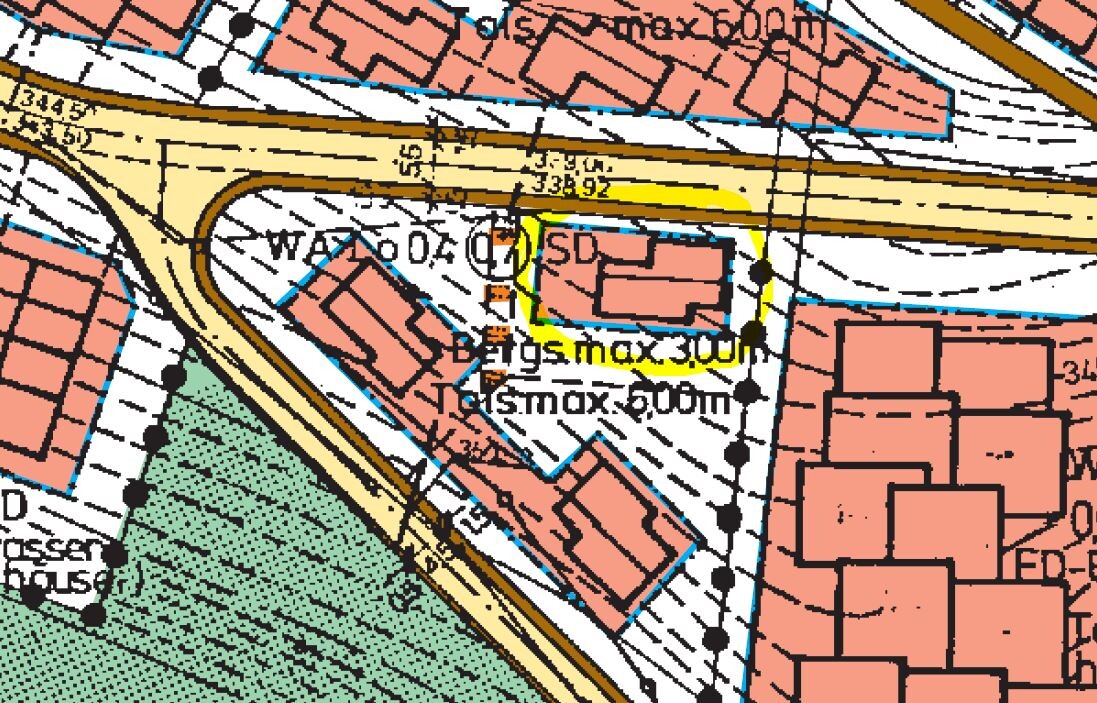
Zoning plan / restrictions
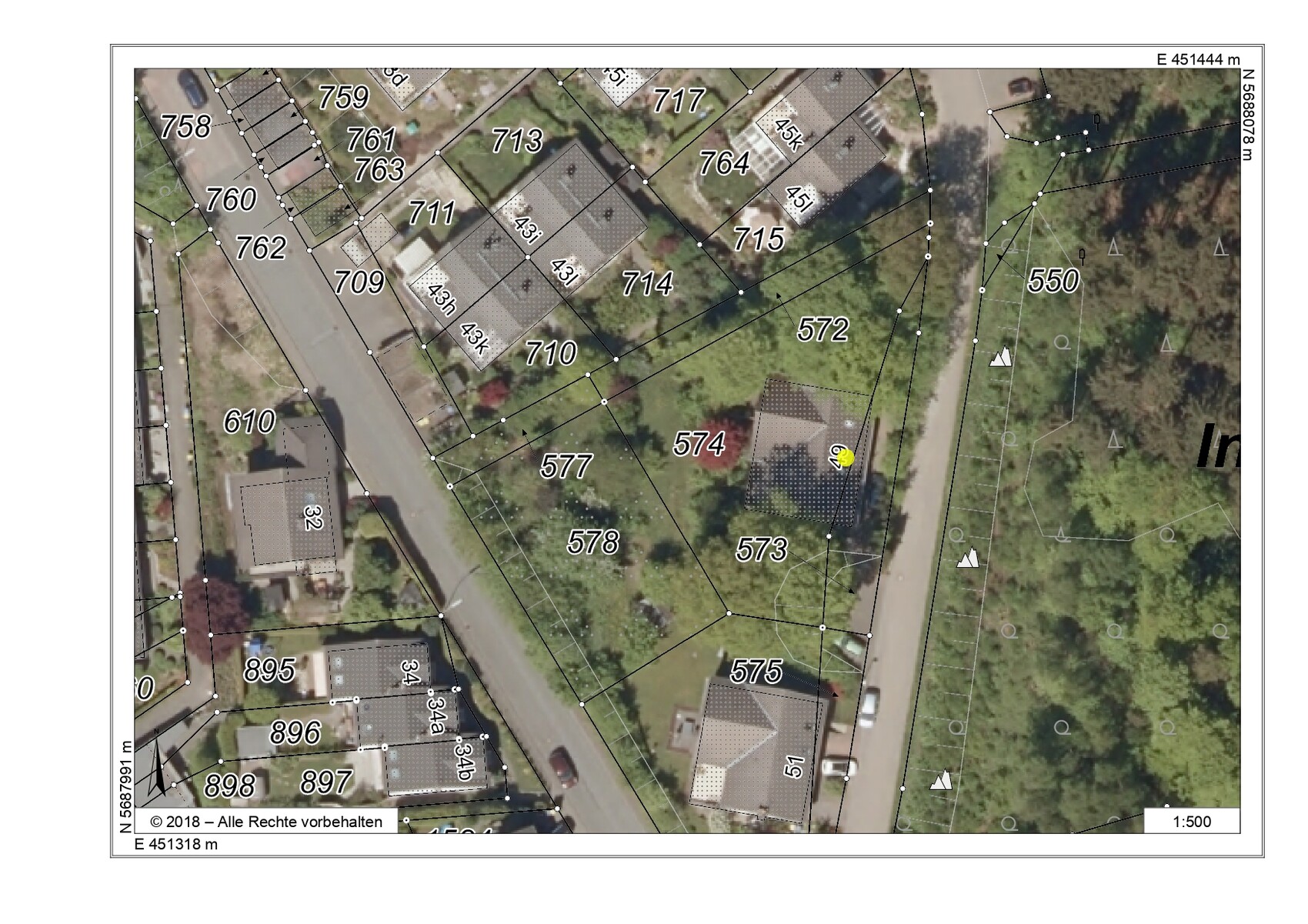
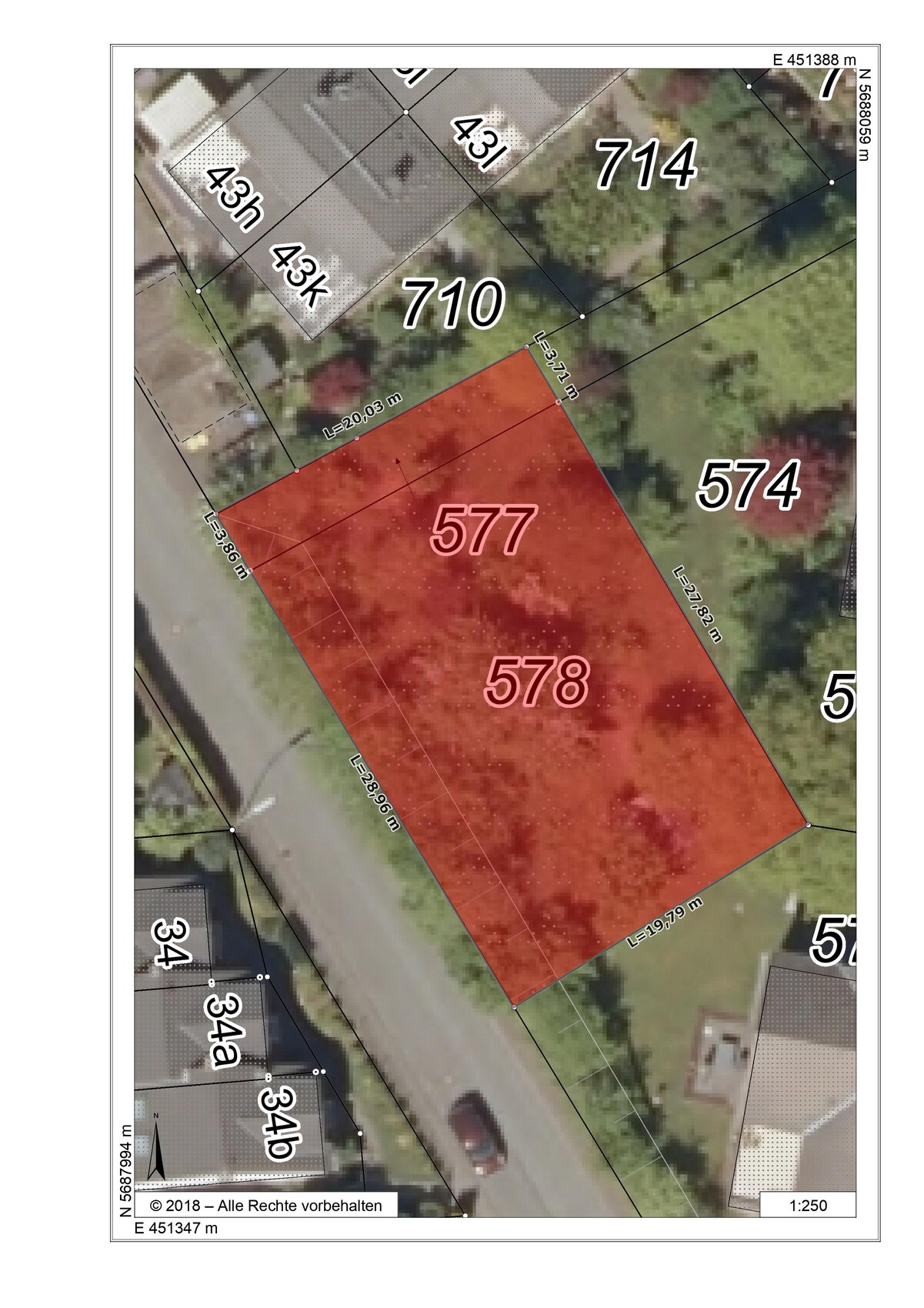
Plot size: approximately 640 m² (7,000 sq ft)
Slope: yes
Site occupancy index (floor area ratio): 0.4
Floor space index (FSI): 0.7
Setback from property boundary: 3 m (10 feet)
Number of parking spaces: 2
Number of floors: 1
Roof type: gable roof (24–30° pitch)
Orientation: ridge parallel to street
Eaves height on valley side: 3 m (10 feet)
Eaves height on hillside side: 6 m (20 feet)
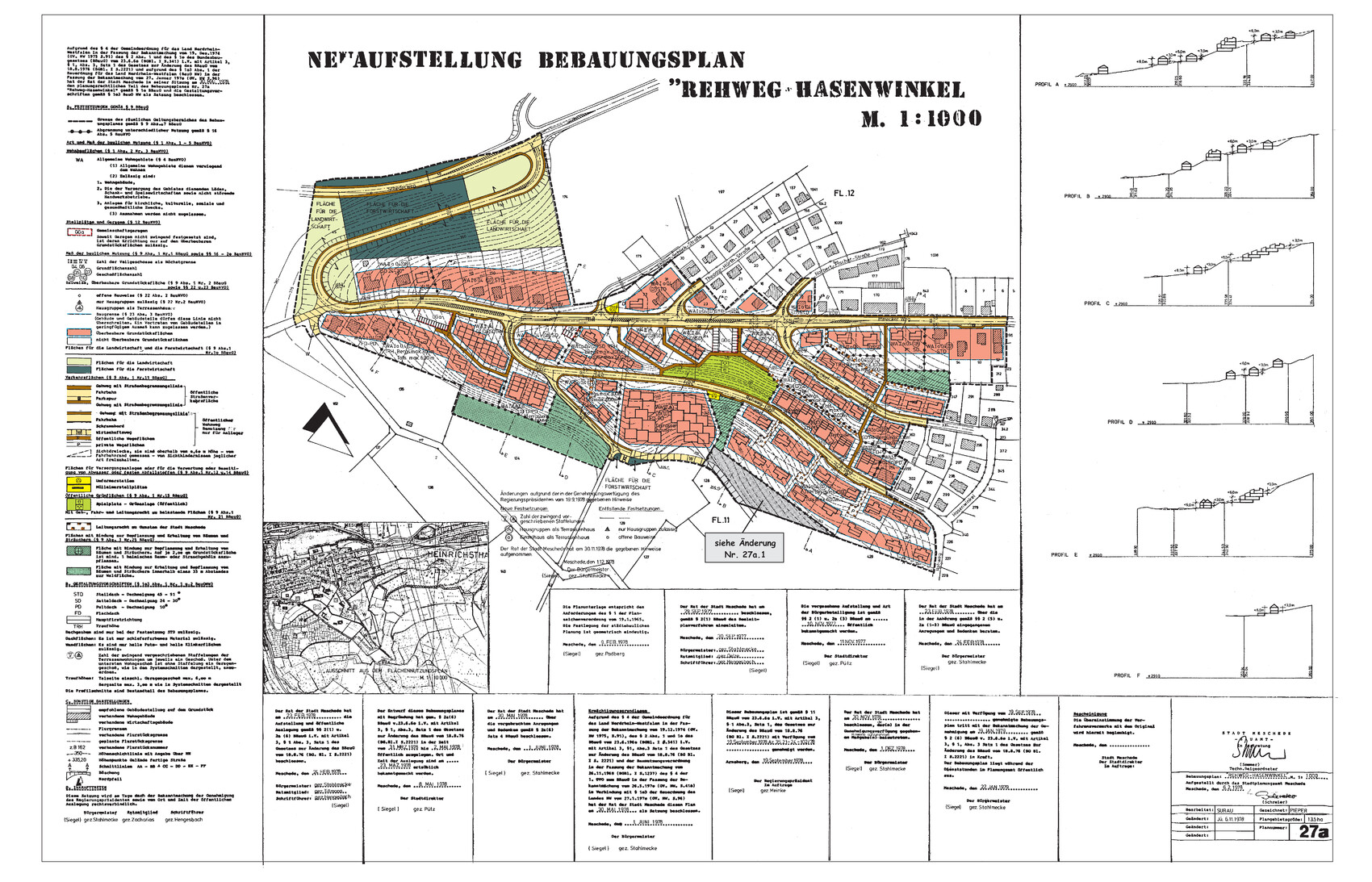
I will attach the zoning plan including the section to locate the plot, as well as aerial photos later.
Homeowners’ Requirements
Living space: 160–180 m² (1,700–1,940 sq ft)
Basement and floors: maximize floor space index, basement with double garage and office on hillside side
2 (4) persons: ages 32 and 30, 2 children planned
Room needs on ground floor: cloakroom, guest toilet, open living-dining area, additional room (playroom, office for family use, guest room)
Room needs on upper floor: 2 children’s bedrooms with bathroom for children, 1 master bedroom with dressing room and private bathroom
Office: family use on ground floor, home office in basement
Guests overnight per year: 4
Conservative or modern construction: rather conservative style
Open kitchen with island: yes
Number of dining seats: 6–8
Fireplace: yes
Music/speaker wall: no
Balcony: not necessary—if it fits the floor plan, OK, but not essential
Garage, carport: double garage in basement with parking spaces in front
Utility garden, greenhouse: no
House Design
So far, we’ve considered pushing the basement forward so that a terrace could be extended like a kind of balcony in front of the house at this offset. We enjoy the evening sun. Otherwise, I’m holding back ideas and waiting to see what the architect will answer tomorrow to the questions that have come up during the planning process.
What is the most important/fundamental question about the floor plan in 130 characters?
Do you know floor plan designs with similar restrictions (slope, floor space index 0.7, eaves heights 3 m/6 m)? Or any other useful tips? The zoning plan is from 1978—can we negotiate with the city about these requirements?
My girlfriend and I have reserved a plot of land in between other properties, which is being sold privately through a real estate agent, and we already had an initial meeting with an architect. A second meeting with another architect is scheduled for tomorrow. During the first meeting, our needs and wishes were recorded, and at the end, a rather steep price was given. We reluctantly accepted it for the time being and then silently drove home for 30 minutes. We continued researching construction costs and found out that—no matter how you look at it—building significantly cheaper is hardly possible without compromises.
Since then, my mind has been spinning about what the house’s floor plan on the plot could even look like. My girlfriend is dreaming of two full floors and is looking at nice floor plans on Instagram. That is not practical at all in my opinion because a solution deviating from the "standard" is needed to meet our requirements. So these are daydreams that are likely to burst soon. Arguments and conflict are inevitable. I’m trying to prevent that by reading up and educating myself.
I hope for honest assessments, advice, and perhaps some links to helpful threads.
Questionnaire about Your Floor Plan
Zoning plan / restrictions
Plot size: approximately 640 m² (7,000 sq ft)
Slope: yes
Site occupancy index (floor area ratio): 0.4
Floor space index (FSI): 0.7
Setback from property boundary: 3 m (10 feet)
Number of parking spaces: 2
Number of floors: 1
Roof type: gable roof (24–30° pitch)
Orientation: ridge parallel to street
Eaves height on valley side: 3 m (10 feet)
Eaves height on hillside side: 6 m (20 feet)
I will attach the zoning plan including the section to locate the plot, as well as aerial photos later.
Homeowners’ Requirements
Living space: 160–180 m² (1,700–1,940 sq ft)
Basement and floors: maximize floor space index, basement with double garage and office on hillside side
2 (4) persons: ages 32 and 30, 2 children planned
Room needs on ground floor: cloakroom, guest toilet, open living-dining area, additional room (playroom, office for family use, guest room)
Room needs on upper floor: 2 children’s bedrooms with bathroom for children, 1 master bedroom with dressing room and private bathroom
Office: family use on ground floor, home office in basement
Guests overnight per year: 4
Conservative or modern construction: rather conservative style
Open kitchen with island: yes
Number of dining seats: 6–8
Fireplace: yes
Music/speaker wall: no
Balcony: not necessary—if it fits the floor plan, OK, but not essential
Garage, carport: double garage in basement with parking spaces in front
Utility garden, greenhouse: no
House Design
So far, we’ve considered pushing the basement forward so that a terrace could be extended like a kind of balcony in front of the house at this offset. We enjoy the evening sun. Otherwise, I’m holding back ideas and waiting to see what the architect will answer tomorrow to the questions that have come up during the planning process.
What is the most important/fundamental question about the floor plan in 130 characters?
Do you know floor plan designs with similar restrictions (slope, floor space index 0.7, eaves heights 3 m/6 m)? Or any other useful tips? The zoning plan is from 1978—can we negotiate with the city about these requirements?

You want to calculate your knee wall height? You can’t do that exactly. Roughly speaking, it’s a few centimeters if you’re building with a basement, ground floor, and attic.
Plan your lower floor as living space. That’s possible. You don’t need a basement for heating, laundry, and storage, which you would partially have to dig into the ground to create a knee wall in the attic above.
Especially on a slope, don’t make it bigger than necessary. Every excavation bucket costs money.
Plan your lower floor as living space. That’s possible. You don’t need a basement for heating, laundry, and storage, which you would partially have to dig into the ground to create a knee wall in the attic above.
Especially on a slope, don’t make it bigger than necessary. Every excavation bucket costs money.
D
derschwax24 Sep 2020 10:08K1300S schrieb:
In your case, the upper floor cannot be a full story, meaning it can only cover two-thirds of the area of the full story below it (in this case, the ground floor), although this definition varies from one federal state to another. I’m checking on this for North Rhine-Westphalia:
Building Code NRW 2018
“Building Code 2018 §2(6) Full stories are above-ground floors with a clear height of at least 2.30 m (7.5 ft). A floor is only considered a full story if it has the height mentioned in sentence 1 over more than three-quarters of the floor area of the story below it.”
Three-quarters sounds better than two-thirds already.
haydee schrieb:
You want to calculate your knee wall height? You can’t really do that exactly. Roughly speaking, a few centimeters (inches) by rule of thumb if you want to build with basement, ground floor, and attic.
Plan your lower floor as living space. That works. You don’t need a basement as a heating, laundry, and storage area that you then partially dig into the ground to get a knee wall in the attic.
Especially with a slope, don’t make it bigger than necessary. Every excavator bucket costs. I’ve learned that “the hard way.” Not being able to calculate everything hits my ego a bit. But there are just too many factors I can’t estimate. It didn’t fail because of the pure arithmetic.
We will decide on an architect within 1–2 weeks, and they will show me the options. In the worst case, there will be several design drafts.
haydee schrieb:
The house itself will have 2 full stories.
City villa appearance, zoning plan complied with. The development plan stipulates 1 full story.
11ant schrieb:
It would be helpful to know the written provisions of the development plan. They don’t exist.
ypg schrieb:
You have a slope facing east. No, a hill to the east.
ypg schrieb:
From the street, I see a single-story building with a gable roof; the basement extends toward the rear. Actually, it’s the other way around. The basement would extend freely toward the northwest and southwest. Northwest is unsuitable for living spaces, and southwest is problematic because of the street.
derschwax schrieb:
3/4 sounds better than 2/3 already. Sorry to disappoint you. The development plan dates from 1979, which means the definition in the state building code valid at the time applies, and back then it was 2/3—and that refers to the building’s own footprint, not the one of the floor below.
derschwax schrieb:
But there are just too many factors. Actually, not so many here, since the reference points, though not precisely described in the development plan, obviously do not relate to the terrain. In my opinion, knee wall height = 0.
D
derschwax24 Sep 2020 10:47Thank you for this sobering clarification.
Similar topics