
ᐅ Floor Plan for a 150 m² Single-Family House (Slope Site, Basement, Secondary Apartment) – Feedback on Efficiency and Layout
Created on: 21 Mar 2026 14:09
N
NapoleonK
Hello dear building professionals,
we are planning a single-family home with a granny flat on a slope and have already given it a lot of thought.
I would like to take advantage of the forum's opportunities to gain new insights from the broad expertise here, get a realistic evaluation, and possibly improve the plans.
Access will be exclusively from the south, via the street side.
The property is located on a hillside, specifically a south-facing slope. The terrain rises from south (the street side) to north towards the garden and natural area.
The orientation of the site is as follows:
- South: street / driveway
- North: garden / forest or natural area
- East: right side of the property
- West: left side of the property
The house will be positioned roughly at the building line of the neighboring houses. The south side faces the street, while the north side will be partially embedded in the slope, with earth against the uphill side.
The basic site concept is as follows:
On the south side is the sloped courtyard and driveway area with a small retaining wall at the front of the property (forming a kind of plateau). Adjacent to this are the house and carport on the main living level, followed by the terrace, and further north the garden slope transitioning into the natural area. This arrangement is intended to make practical use of the hillside while minimizing extensive earthworks.
2. Building type and structure
A detached single-family house built in solid construction with a granny flat is planned.
The design is a classical, compact, and deliberately simple building without architectural complexity. The house will have a rectangular main volume.
The building will have a basement level (souterrain) and a finished attic with knee wall, resulting in about a 1.5-story house with an additional sub-level on the slope.
The floors are structured as follows:
1. Basement / cellar level, partly embedded
2. Living level / entrance level
3. Attic / sleeping level
The planned overall dimensions are approximately 9.5 m × 9.0 m (31 ft × 30 ft). Minor adjustments within a compact size range are possible, but the building should remain cost-effective in general.
The main living area of the family apartment is planned to be 150 m² (1,615 sq ft), divided approximately into:
- Living level: about 75 m² (807 sq ft)
- Attic: about 75 m² (807 sq ft)
3. Roof
A gable roof oriented east–west is planned to maximize the use of the southern roof surface for photovoltaics.
The roof pitch will be around 35°. The knee wall will be about 130 cm (51 inches) high to make the attic fully usable with functional living spaces.
No dormers are planned. Only roof windows (skylights) will be used, aiming for a simple, cost-conscious, and photovoltaic-friendly roof design.
4. Photovoltaics
The southern roof surface should be covered as much as possible with photovoltaic panels. The system should have a clean, uniform, and visually integrated appearance without unnecessary roof protrusions.
Two roof windows are also planned on the north-facing roof side.
5. Access and outdoor areas
Access is only from the south. The aim is to make it as barrier-free as possible.
In front of the house, a yard area is planned to serve as driveway, maneuvering, and turning zone.
The entrance level is to be accessed via a ramp along the eastern property boundary. This ramp will lead from street level up to the entrance level and the house/carport level.
The following key data are planned for the ramp:
- Width about 3.0 m (10 ft)
- Practical slope of about 10–12% maximum
If necessary, a few steps (about 2 to 3) at the house entrance are acceptable. Ideally, however, the access should remain barrier-reduced and practical for daily life.
6. Parking / garage / carport
On the right side of the house (east side), a separate parking structure is planned, either as a single garage or carport.
Key points are:
- Separate building
- Not directly attached to the house
- Access via the eastern ramp
- Located near the entrance
- Slightly shifted northwards (uphill) is conceivable
The goal is a short, practical route from the parking to the house entrance on level 2, without requiring a direct connection between garage and house.
If the ramp concept proves too costly, a stairway to the entrance could be built, and the carport/garage would be placed down in the courtyard.
7. Terrace, balcony, and garden connection
A balcony is located above the basement (kitchen) and is intended to open functionally to the living area. Currently, the balcony and terrace are partly connected along the west side of the house.
It is important that the terrace transitions as close to level as possible into the northern garden. An outdoor staircase from the terrace to the garden should be avoided if possible. Minor level differences are acceptable if required by the topography, but overall the garden connection should be as direct and comfortable as possible.
8. Basement / Level 1
The basement level is partially visible on the south side due to the slope.
The intended use is flexible and functional, particularly including:
- Granny flat
- Cellar
- Technical / utility room
- Storage or multipurpose area
Two separate outdoor accesses are to be provided:
1. Private entrance for the granny flat
2. Separate access for the cellar and storage area
The basement windows should be normal-sized, functional, and economical. Floor-to-ceiling windows are not desired here. The granny flat is also planned to be suitable for future care needs.
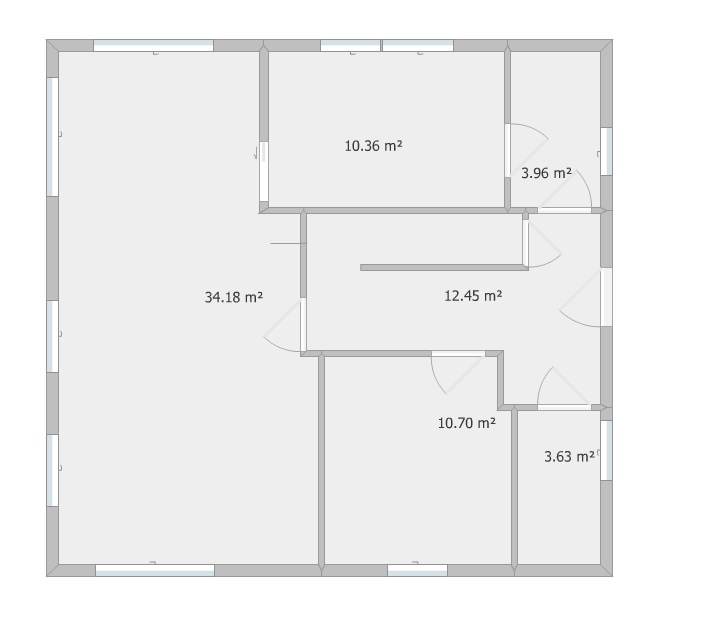
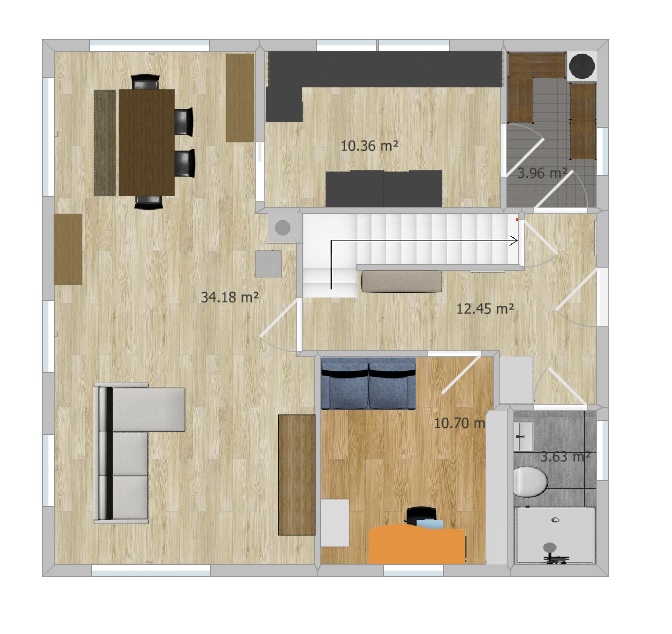
9. Living level / Level 2
This is the main living and entrance level.
The main entrance will be on the east side and accessible via the yard and ramp. The access should be organized as barrier-reduced as possible, even though minor level differences or a few steps are conceivable.
This level will include:
- Living room
- Dining area
- Kitchen (not an open-plan kitchen)
- Pantry
- Office with guest room
- Guest bathroom with shower
The window concept for this level is as follows:
- South: partially floor-to-ceiling windows in the living area with access to the balcony
- West: large living room windows
- North: connection/view to garden and access to garden/terrace
- East: front door as well as normal windows, e.g., for office and guest bathroom
- Ventilation for pantry
It is important that the living areas have an open and bright feel but no fully continuous glass front is planned. The house should be functional, economical, and not unnecessarily glazed overall.
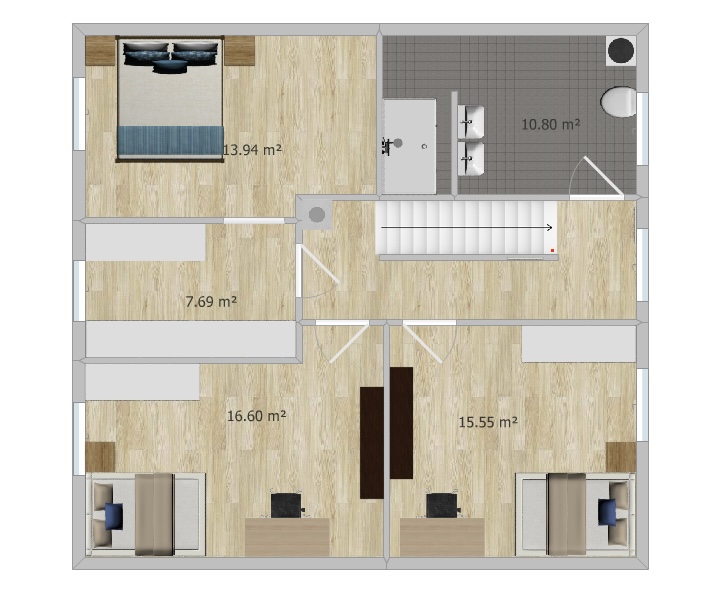
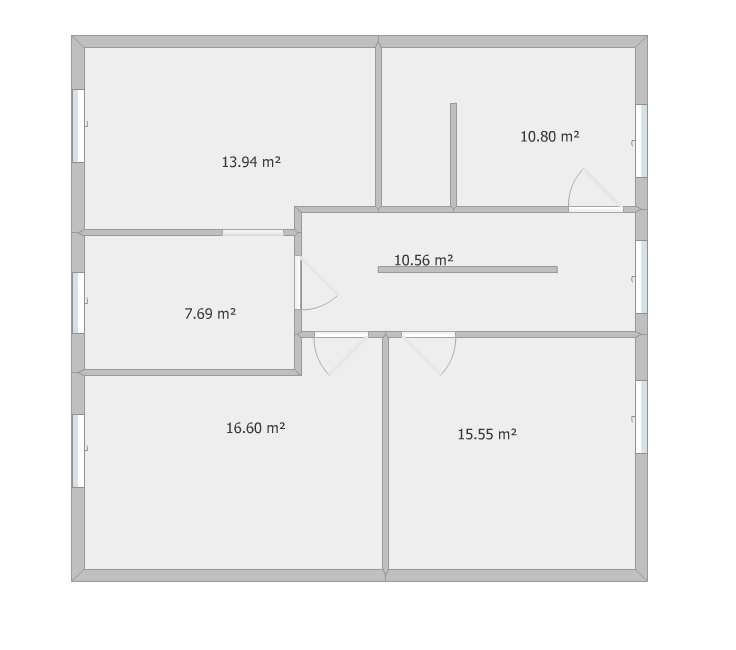
10. Attic / Level 3
The attic serves as the sleeping level.
Planned uses:
- Master bedroom
- Two children’s rooms
- Family bathroom (without bathtub)
- Dressing room (adjacent to master bedroom)
With the knee wall of about 130 cm (51 inches), this floor should be well usable and practical.
Window concept in the attic:
- Windows where reasonably possible
- Supplemented by roof windows in the rooms
11. Planning objectives
The building should:
- Be compact and efficient
- Be economically and cost-effectively built
- Remain constructively simple
- Be energy-efficient, particularly regarding photovoltaics
- Be flexible for long-term use
- Fit well into the hillside location
- Provide practical daily routes between driveway, entrance, living area, and garden
12. Critical points:
- Sensible integration of the house into the hillside
- Realistic design of ramp, driveway, and yard
- Location and design of garage or carport
- Size of guest WC
- Room layout on the living level (kitchen/pantry size)
- Natural lighting and usability of the granny flat
- Financially reasonable design of the basement (offset of kitchen)
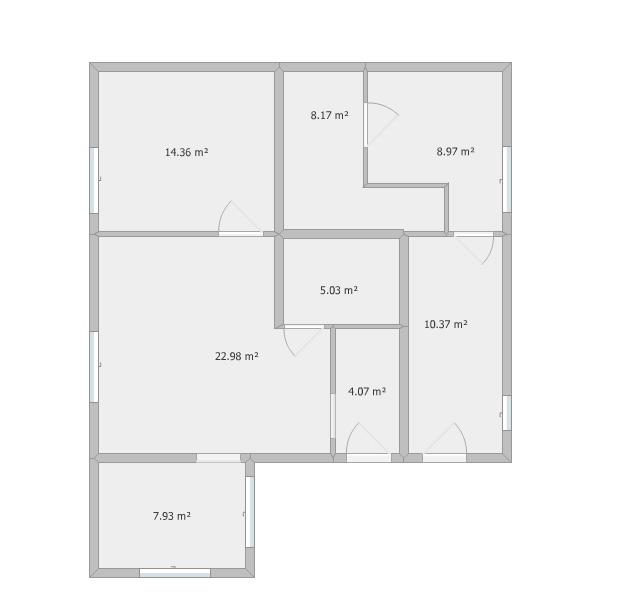
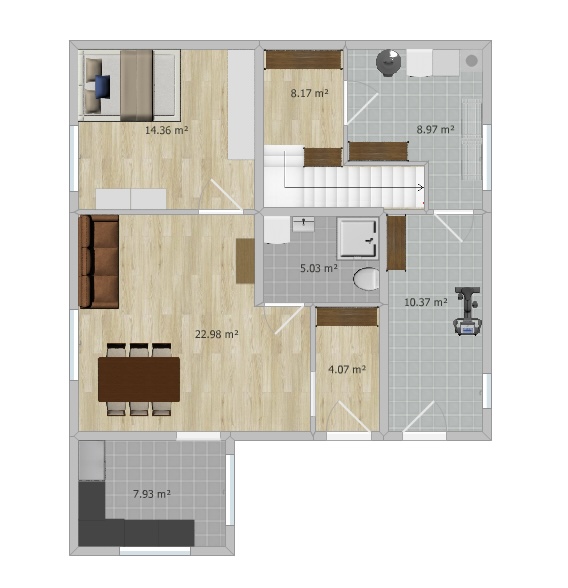
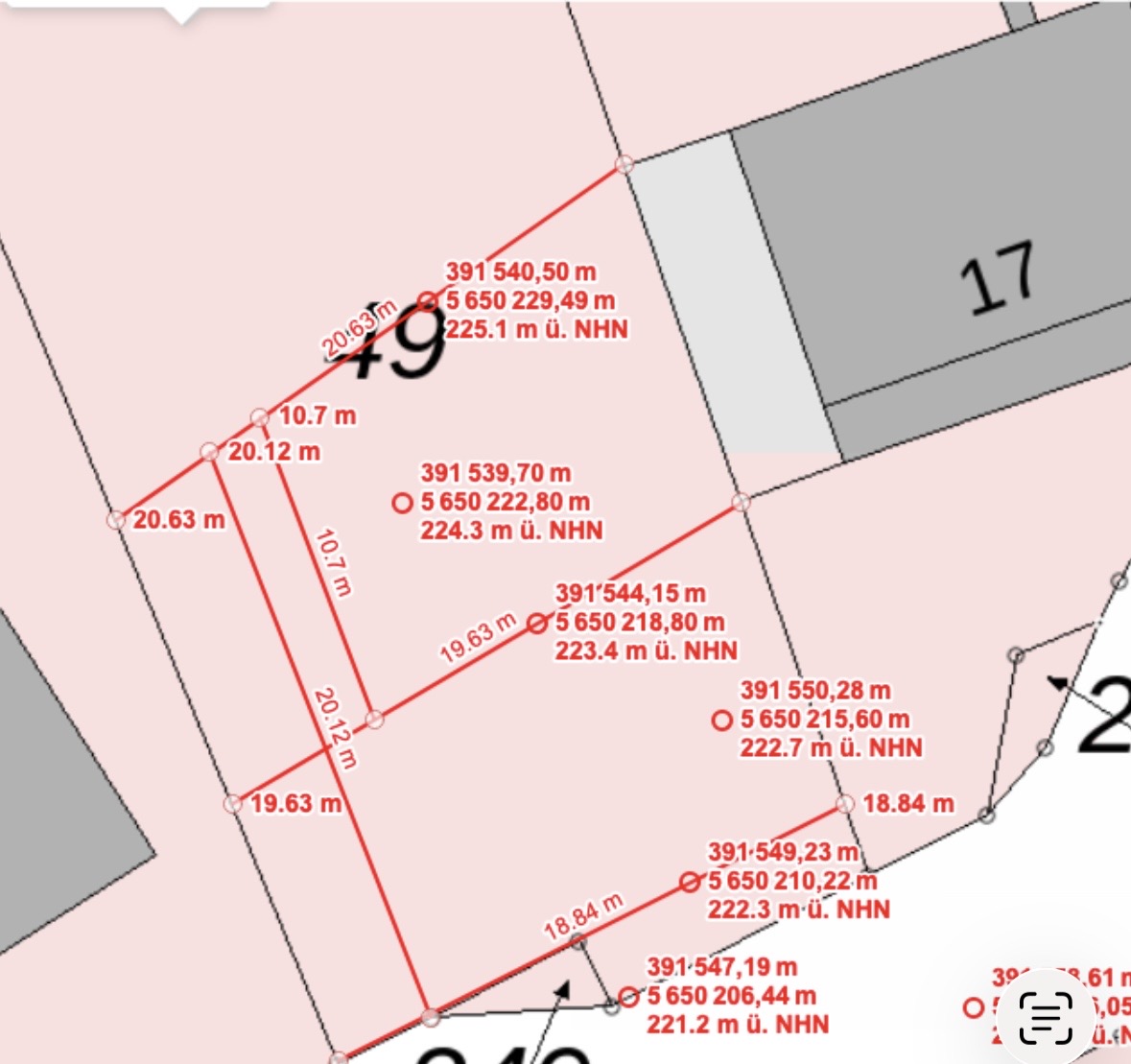
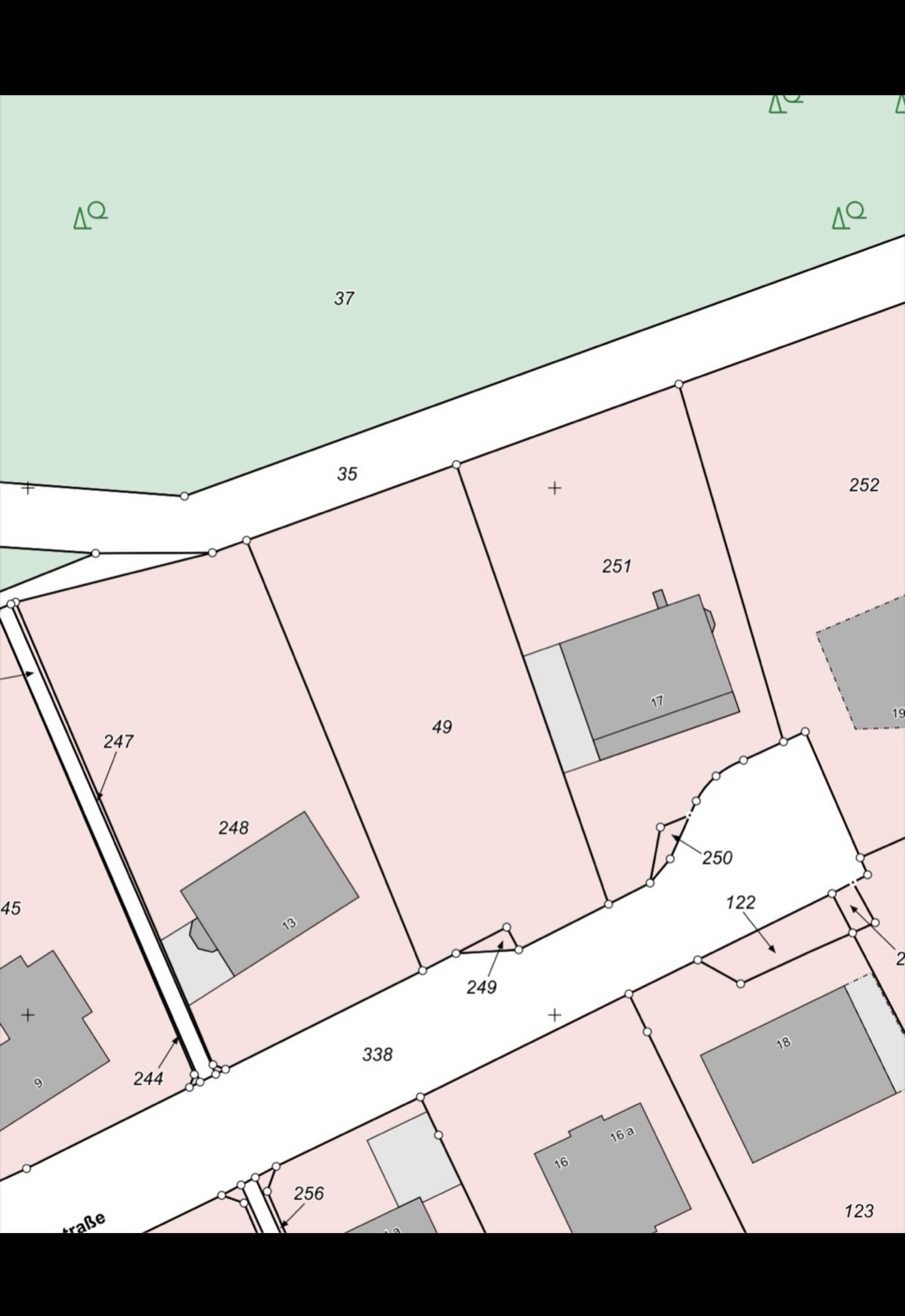

we are planning a single-family home with a granny flat on a slope and have already given it a lot of thought.
I would like to take advantage of the forum's opportunities to gain new insights from the broad expertise here, get a realistic evaluation, and possibly improve the plans.
Access will be exclusively from the south, via the street side.
The property is located on a hillside, specifically a south-facing slope. The terrain rises from south (the street side) to north towards the garden and natural area.
The orientation of the site is as follows:
- South: street / driveway
- North: garden / forest or natural area
- East: right side of the property
- West: left side of the property
The house will be positioned roughly at the building line of the neighboring houses. The south side faces the street, while the north side will be partially embedded in the slope, with earth against the uphill side.
The basic site concept is as follows:
On the south side is the sloped courtyard and driveway area with a small retaining wall at the front of the property (forming a kind of plateau). Adjacent to this are the house and carport on the main living level, followed by the terrace, and further north the garden slope transitioning into the natural area. This arrangement is intended to make practical use of the hillside while minimizing extensive earthworks.
2. Building type and structure
A detached single-family house built in solid construction with a granny flat is planned.
The design is a classical, compact, and deliberately simple building without architectural complexity. The house will have a rectangular main volume.
The building will have a basement level (souterrain) and a finished attic with knee wall, resulting in about a 1.5-story house with an additional sub-level on the slope.
The floors are structured as follows:
1. Basement / cellar level, partly embedded
2. Living level / entrance level
3. Attic / sleeping level
The planned overall dimensions are approximately 9.5 m × 9.0 m (31 ft × 30 ft). Minor adjustments within a compact size range are possible, but the building should remain cost-effective in general.
The main living area of the family apartment is planned to be 150 m² (1,615 sq ft), divided approximately into:
- Living level: about 75 m² (807 sq ft)
- Attic: about 75 m² (807 sq ft)
3. Roof
A gable roof oriented east–west is planned to maximize the use of the southern roof surface for photovoltaics.
The roof pitch will be around 35°. The knee wall will be about 130 cm (51 inches) high to make the attic fully usable with functional living spaces.
No dormers are planned. Only roof windows (skylights) will be used, aiming for a simple, cost-conscious, and photovoltaic-friendly roof design.
4. Photovoltaics
The southern roof surface should be covered as much as possible with photovoltaic panels. The system should have a clean, uniform, and visually integrated appearance without unnecessary roof protrusions.
Two roof windows are also planned on the north-facing roof side.
5. Access and outdoor areas
Access is only from the south. The aim is to make it as barrier-free as possible.
In front of the house, a yard area is planned to serve as driveway, maneuvering, and turning zone.
The entrance level is to be accessed via a ramp along the eastern property boundary. This ramp will lead from street level up to the entrance level and the house/carport level.
The following key data are planned for the ramp:
- Width about 3.0 m (10 ft)
- Practical slope of about 10–12% maximum
If necessary, a few steps (about 2 to 3) at the house entrance are acceptable. Ideally, however, the access should remain barrier-reduced and practical for daily life.
6. Parking / garage / carport
On the right side of the house (east side), a separate parking structure is planned, either as a single garage or carport.
Key points are:
- Separate building
- Not directly attached to the house
- Access via the eastern ramp
- Located near the entrance
- Slightly shifted northwards (uphill) is conceivable
The goal is a short, practical route from the parking to the house entrance on level 2, without requiring a direct connection between garage and house.
If the ramp concept proves too costly, a stairway to the entrance could be built, and the carport/garage would be placed down in the courtyard.
7. Terrace, balcony, and garden connection
A balcony is located above the basement (kitchen) and is intended to open functionally to the living area. Currently, the balcony and terrace are partly connected along the west side of the house.
It is important that the terrace transitions as close to level as possible into the northern garden. An outdoor staircase from the terrace to the garden should be avoided if possible. Minor level differences are acceptable if required by the topography, but overall the garden connection should be as direct and comfortable as possible.
8. Basement / Level 1
The basement level is partially visible on the south side due to the slope.
The intended use is flexible and functional, particularly including:
- Granny flat
- Cellar
- Technical / utility room
- Storage or multipurpose area
Two separate outdoor accesses are to be provided:
1. Private entrance for the granny flat
2. Separate access for the cellar and storage area
The basement windows should be normal-sized, functional, and economical. Floor-to-ceiling windows are not desired here. The granny flat is also planned to be suitable for future care needs.
9. Living level / Level 2
This is the main living and entrance level.
The main entrance will be on the east side and accessible via the yard and ramp. The access should be organized as barrier-reduced as possible, even though minor level differences or a few steps are conceivable.
This level will include:
- Living room
- Dining area
- Kitchen (not an open-plan kitchen)
- Pantry
- Office with guest room
- Guest bathroom with shower
The window concept for this level is as follows:
- South: partially floor-to-ceiling windows in the living area with access to the balcony
- West: large living room windows
- North: connection/view to garden and access to garden/terrace
- East: front door as well as normal windows, e.g., for office and guest bathroom
- Ventilation for pantry
It is important that the living areas have an open and bright feel but no fully continuous glass front is planned. The house should be functional, economical, and not unnecessarily glazed overall.
10. Attic / Level 3
The attic serves as the sleeping level.
Planned uses:
- Master bedroom
- Two children’s rooms
- Family bathroom (without bathtub)
- Dressing room (adjacent to master bedroom)
With the knee wall of about 130 cm (51 inches), this floor should be well usable and practical.
Window concept in the attic:
- Windows where reasonably possible
- Supplemented by roof windows in the rooms
11. Planning objectives
The building should:
- Be compact and efficient
- Be economically and cost-effectively built
- Remain constructively simple
- Be energy-efficient, particularly regarding photovoltaics
- Be flexible for long-term use
- Fit well into the hillside location
- Provide practical daily routes between driveway, entrance, living area, and garden
12. Critical points:
- Sensible integration of the house into the hillside
- Realistic design of ramp, driveway, and yard
- Location and design of garage or carport
- Size of guest WC
- Room layout on the living level (kitchen/pantry size)
- Natural lighting and usability of the granny flat
- Financially reasonable design of the basement (offset of kitchen)
H
hanghaus202322 Mar 2026 03:42How deep is the neighbor’s boundary garage built into the ground? Please share a picture of the neighbor’s garage.
If I don’t receive a budget, this will be my last action here.
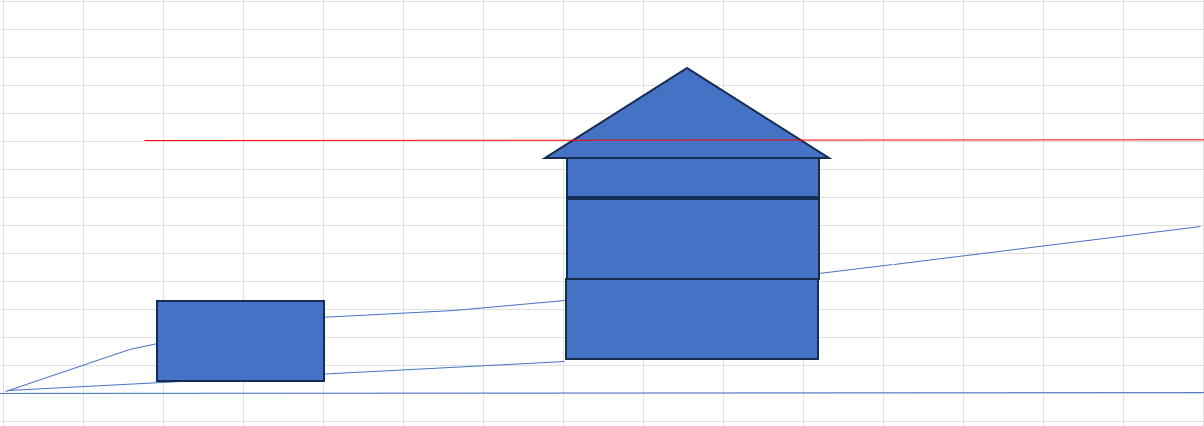
Here is a section based on your request. The driveway has a 12% slope. The terrain at the beginning is much steeper, as you can see. For the flatter part, I don’t see a need for a basement or a granny flat with a window.
If I don’t receive a budget, this will be my last action here.
Here is a section based on your request. The driveway has a 12% slope. The terrain at the beginning is much steeper, as you can see. For the flatter part, I don’t see a need for a basement or a granny flat with a window.
H
hanghaus202322 Mar 2026 04:01Here with a 20% driveway slope.
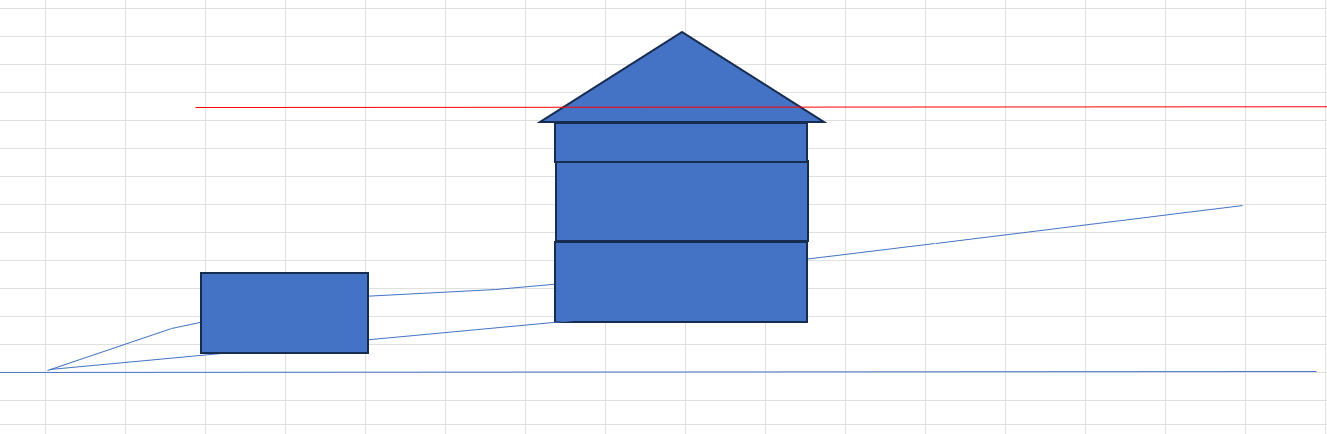
Even here, there is a lot to level out.
Here is my suggestion for the garage with a 10% slope. From the street, a staircase leads up to the basement level.
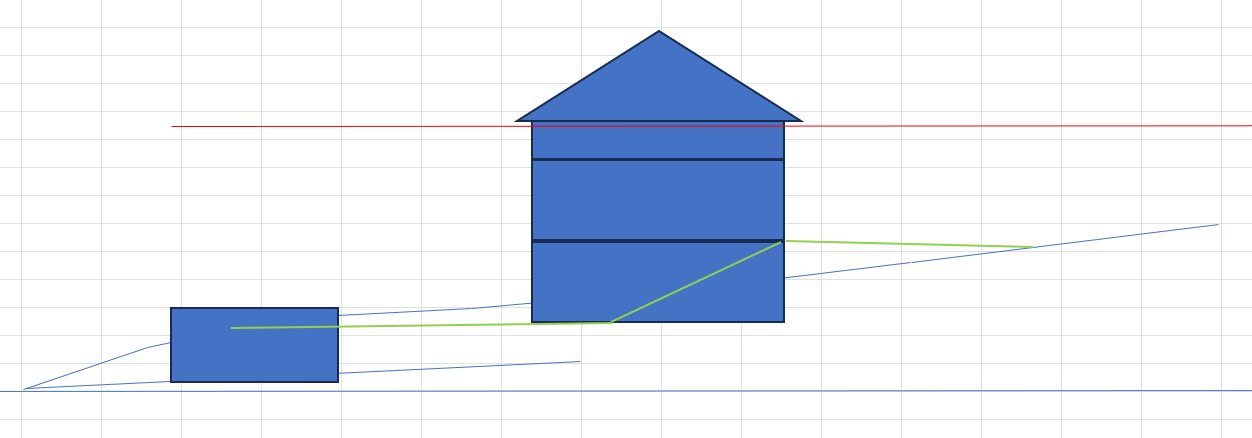
The garage in front of the house, not on the boundary.
An exterior staircase next to the house leads to the ground floor.
What does the building permit / planning permission say about your ideas?
Even here, there is a lot to level out.
Here is my suggestion for the garage with a 10% slope. From the street, a staircase leads up to the basement level.
The garage in front of the house, not on the boundary.
An exterior staircase next to the house leads to the ground floor.
What does the building permit / planning permission say about your ideas?
N
NapoleonK22 Mar 2026 10:00Development Plan / Plot
Location / Legal
• Development: inner area according to §34 Building Code (insertion requirement)
• Development plan: no classic development plan, orientation based on neighboring buildings
• Edge development: no special restrictions known
⸻
Plot
• Size: 888 m2 (9,552 sq ft)
• Shape: trapezoidal
• Slope: yes, sloped plot
• Access: driveway from the south
⸻
Key figures §34, not specified
• Site coverage ratio: not specified
• Floor space index: not specified
• Building plot: not present → orientation based on neighboring houses
• Building line/boundary: indirectly defined by the surroundings
important: actual construction must blend in
⸻
Building parameters
• Number of floors: 1.5 stories (ground floor + attic)
• Basement: yes (partially semi-basement / accessory apartment planned)
• Roof type: gable roof
• Roof pitch: approx. 35°
• Ridge/eaves height: oriented to neighboring buildings
⸻
Orientation
• Main garden side: north (terrace planned)
• Street south / entrance: east
• Photovoltaic orientation: south-facing roof optimally usable
⸻
Parking spaces
• planned: garage + parking space
• requirement: at least 1–2 parking spaces
⸻
Additional requirements
• Infiltration / drainage (sloped site)
• Terrain adjustment to be considered
• if applicable, setback distances according to NRW building regulations
⸻
Client Requirements
Basic concept
• Building type: single-family house with accessory apartment (semi-basement)
• Style: modern / minimalist / slightly rural
• Roof: classic gable roof (no flat roof)
⸻
Residents
• currently 2 persons
• prospectively: family with 2 children
• goal: long-term usability / barrier-reduced design
⸻
Floors
• Basement (with accessory apartment)
• Ground floor (living + office)
• Attic (sleeping + children)
⸻
Space requirements
Ground floor:
• Living / dining / kitchen
• Office for home office / guest room (important!)
• Guest WC / bathroom
• Pantry
Upper floor:
• Parents + dressing room
• 2 children’s rooms
• Bathroom
⸻
Office
• Use: home office + guest room
• prospectively: care room / barrier-reduced
⸻
Guests
• occasional
• use via office
⸻
Architecture
• rather open, but not fully open plan
• kitchen with sliding door (deliberately chosen)
⸻
Kitchen
• no island (deliberate due to budget + function)
• classic, efficient solution
⸻
Dining
• regularly 4–6 persons
• expansion possible for guests
⸻
Technical / Living
• no fireplace strictly necessary (backup system conceivable)
• focus: heat pump + photovoltaic
• music / media wall classically integrated
⸻
Outside
• balcony at front over the setback (south)
• terrace at back (north)
• garage or carport on the side
• garden: normal functional garden (no focus on self-sufficiency)
⸻
Everyday life
• clear circulation paths
• functional rooms
• minimal "frills"
• focus on efficiency + cost-consciousness
⸻
House design
Origin
• planned by us
• not a full architectural design
• based on our ideas + floor plans found online
⸻
What we like
• compact basic shape
• clear room layout
• living/dining area well sized
• pantry on ground floor (important)
• office on ground floor
• centrally located staircase
⸻
What we don’t like
• bathroom on ground floor probably very tight
• space distribution partially inefficient
• entrance situation not optimal regarding cloakroom
• load-bearing structure not yet planned in detail
• feasibility of accessory apartment/ attic
⸻
Cost estimate
• currently not final
~ €550,000
⸻
Heating system
• air-to-water heat pump
• underfloor heating
• photovoltaic system planned
• possibly decentralized ventilation
⸻
Priorities / Give up
What you can give up
• luxury fittings
• design gimmicks
• large glass fronts
• complex special solutions
⸻
What NOT to give up
• functional layout
• good room division
• pantry
• office on ground floor
• economical construction method
• long-term usability
⸻
Design background
Why the design is as it is
• mix of:
• our own ideas
• standard floor plans
• functional requirements
• goal: efficient, solid house without luxury
⸻
What has been realized
• office on ground floor
• pantry
• compact construction
• classic roof shape
• clear room separation (no fully open kitchen)
⸻
Evaluation (honest)
Strengths:
• solid basis
• realistically feasible
• good basic structure
Weaknesses:
• spatial efficiency not yet optimal
• attic
• load-bearing structure not cleanly planned
• not yet architecturally “fully developed”
Regarding the attic: as an addition, the children’s rooms are planned with skylights, so the desks can be integrated there. The criticism about the shower is valid! I had not considered that properly.
About the garage: we want to avoid a long stairway at the house; a few steps are conceivable but it should be usable in older age according to the requirement. Hence the idea of the garage. It should not be built into the ground but positioned next to the entrance area.
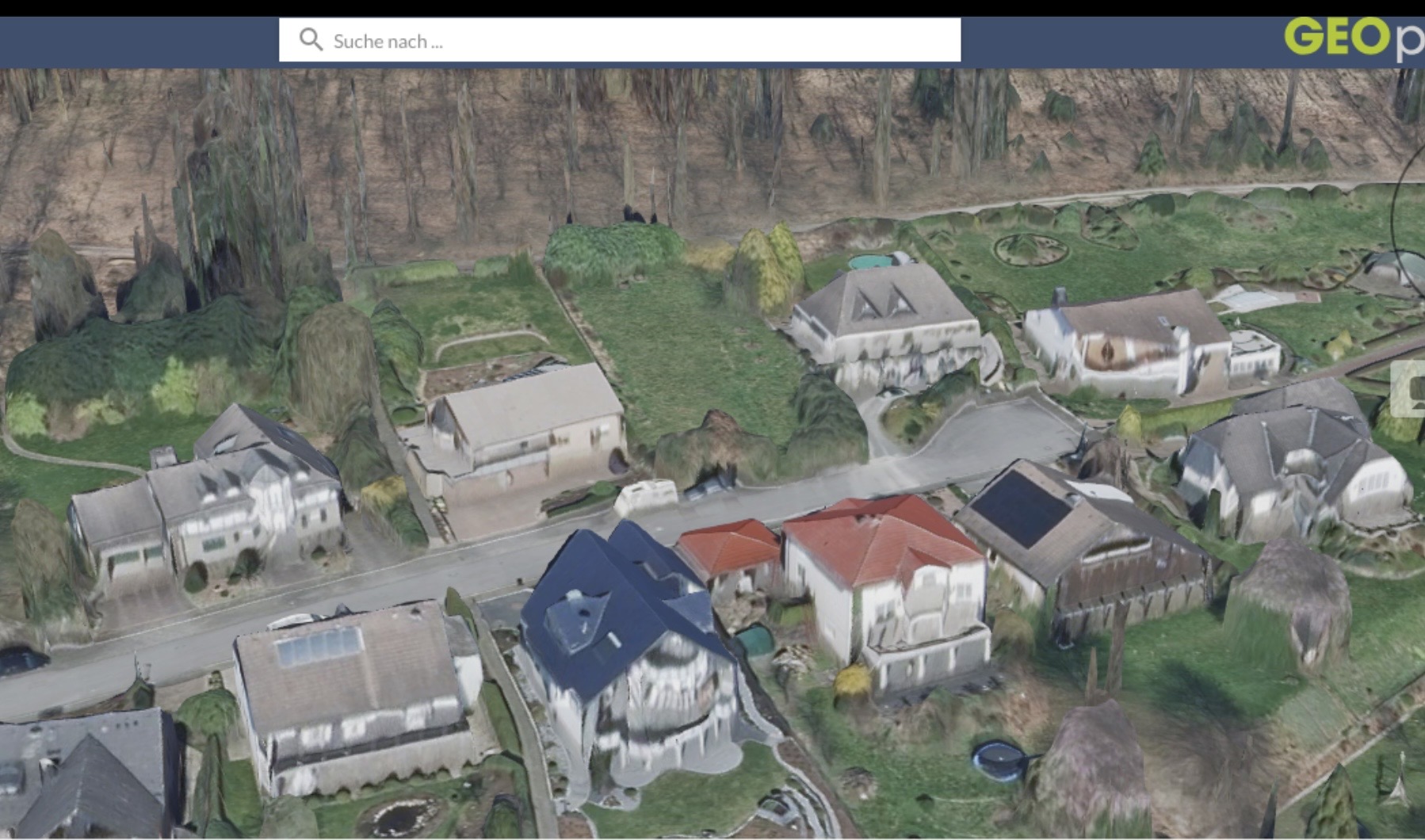
In the neighborhood, garages are generally located in the semi-basement level, i.e., at street level. However, those houses are significantly larger in size.
Location / Legal
• Development: inner area according to §34 Building Code (insertion requirement)
• Development plan: no classic development plan, orientation based on neighboring buildings
• Edge development: no special restrictions known
⸻
Plot
• Size: 888 m2 (9,552 sq ft)
• Shape: trapezoidal
• Slope: yes, sloped plot
• Access: driveway from the south
⸻
Key figures §34, not specified
• Site coverage ratio: not specified
• Floor space index: not specified
• Building plot: not present → orientation based on neighboring houses
• Building line/boundary: indirectly defined by the surroundings
important: actual construction must blend in
⸻
Building parameters
• Number of floors: 1.5 stories (ground floor + attic)
• Basement: yes (partially semi-basement / accessory apartment planned)
• Roof type: gable roof
• Roof pitch: approx. 35°
• Ridge/eaves height: oriented to neighboring buildings
⸻
Orientation
• Main garden side: north (terrace planned)
• Street south / entrance: east
• Photovoltaic orientation: south-facing roof optimally usable
⸻
Parking spaces
• planned: garage + parking space
• requirement: at least 1–2 parking spaces
⸻
Additional requirements
• Infiltration / drainage (sloped site)
• Terrain adjustment to be considered
• if applicable, setback distances according to NRW building regulations
⸻
Client Requirements
Basic concept
• Building type: single-family house with accessory apartment (semi-basement)
• Style: modern / minimalist / slightly rural
• Roof: classic gable roof (no flat roof)
⸻
Residents
• currently 2 persons
• prospectively: family with 2 children
• goal: long-term usability / barrier-reduced design
⸻
Floors
• Basement (with accessory apartment)
• Ground floor (living + office)
• Attic (sleeping + children)
⸻
Space requirements
Ground floor:
• Living / dining / kitchen
• Office for home office / guest room (important!)
• Guest WC / bathroom
• Pantry
Upper floor:
• Parents + dressing room
• 2 children’s rooms
• Bathroom
⸻
Office
• Use: home office + guest room
• prospectively: care room / barrier-reduced
⸻
Guests
• occasional
• use via office
⸻
Architecture
• rather open, but not fully open plan
• kitchen with sliding door (deliberately chosen)
⸻
Kitchen
• no island (deliberate due to budget + function)
• classic, efficient solution
⸻
Dining
• regularly 4–6 persons
• expansion possible for guests
⸻
Technical / Living
• no fireplace strictly necessary (backup system conceivable)
• focus: heat pump + photovoltaic
• music / media wall classically integrated
⸻
Outside
• balcony at front over the setback (south)
• terrace at back (north)
• garage or carport on the side
• garden: normal functional garden (no focus on self-sufficiency)
⸻
Everyday life
• clear circulation paths
• functional rooms
• minimal "frills"
• focus on efficiency + cost-consciousness
⸻
House design
Origin
• planned by us
• not a full architectural design
• based on our ideas + floor plans found online
⸻
What we like
• compact basic shape
• clear room layout
• living/dining area well sized
• pantry on ground floor (important)
• office on ground floor
• centrally located staircase
⸻
What we don’t like
• bathroom on ground floor probably very tight
• space distribution partially inefficient
• entrance situation not optimal regarding cloakroom
• load-bearing structure not yet planned in detail
• feasibility of accessory apartment/ attic
⸻
Cost estimate
• currently not final
~ €550,000
⸻
Heating system
• air-to-water heat pump
• underfloor heating
• photovoltaic system planned
• possibly decentralized ventilation
⸻
Priorities / Give up
What you can give up
• luxury fittings
• design gimmicks
• large glass fronts
• complex special solutions
⸻
What NOT to give up
• functional layout
• good room division
• pantry
• office on ground floor
• economical construction method
• long-term usability
⸻
Design background
Why the design is as it is
• mix of:
• our own ideas
• standard floor plans
• functional requirements
• goal: efficient, solid house without luxury
⸻
What has been realized
• office on ground floor
• pantry
• compact construction
• classic roof shape
• clear room separation (no fully open kitchen)
⸻
Evaluation (honest)
Strengths:
• solid basis
• realistically feasible
• good basic structure
Weaknesses:
• spatial efficiency not yet optimal
• attic
• load-bearing structure not cleanly planned
• not yet architecturally “fully developed”
Regarding the attic: as an addition, the children’s rooms are planned with skylights, so the desks can be integrated there. The criticism about the shower is valid! I had not considered that properly.
About the garage: we want to avoid a long stairway at the house; a few steps are conceivable but it should be usable in older age according to the requirement. Hence the idea of the garage. It should not be built into the ground but positioned next to the entrance area.
In the neighborhood, garages are generally located in the semi-basement level, i.e., at street level. However, those houses are significantly larger in size.
N
nordanney22 Mar 2026 10:05NapoleonK schrieb:
Cost estimate
• not finalized yet
~ 550,000 €Then back to square one or significantly increase the budget.NapoleonK schrieb:
Do NOT compromise on
• functional floor plan
• good room layout
• storage room
• office on the ground floor
• cost-effective construction method
• long-term usabilityThis is basically standard and doesn’t need to be requested ;-)H
hanghaus202322 Mar 2026 10:13NapoleonK schrieb:
Goal: long-term usability / low-barrier design Then you should sell the plot. You have endless stairs.
The budget is hardly enough. Especially on a slope.
You are planning way too much for 2 people. Build what you will actually need in the foreseeable future.
Similar topics