
ᐅ Floor Plan Optimization – Design of a Semi-Detached House with Approximately 200 m² of Living Space
Created on: 19 Jan 2021 22:09
S
Stefan85
Hello everyone,
we are planning to build a new semi-detached house after demolishing the existing one and have already drafted some floor plans. We would be very interested in your opinions and any suggestions for improvement. We are particularly not yet fully satisfied with the layout of the upper floor.
Thank you in advance for your feedback and criticism!
Development Plan / Restrictions
Plot size – 640 m² (6889 sq ft)
Sloped terrain – no
Adjacent buildings: semi-detached house
Site coverage ratio – 0.4
Floor area ratio – no specification
Number of parking spaces – 2
Number of storeys – no specification (to match neighboring semi-detached house – ground floor, upper floor, attic)
Roof type – gable roof, 38°
Architectural style – none
Orientation – south
Maximum heights / limits: gable roof eaves height 6.0 m (19.7 ft); gable roof ridge height 11.0 m (36.1 ft)
Client Requirements
Style, roof type, building type: gable roof
Basement, storeys: ground floor, upper floor, attic, and basement
Number of occupants, age: 2 persons (35, 29, planning for children)
Room requirements on ground and upper floors – ground floor: living/dining area, open kitchen, toilet/bathroom; upper floor: 2 children’s bedrooms, bathroom with toilet (including bathtub); attic: master bedroom, bathroom with toilet
Office: family use or home office? – home office (1 person, approx. 3 days/week)
Guest overnight stays per year: 2 persons, once per month
Open or closed architecture: open
Conservative or modern design: modern
Open kitchen, kitchen island: yes
Number of dining seats: 6 (option to expand to 8–10)
Fireplace: no
Music/sound system wall: no
Balcony, roof terrace: yes, necessary on the upper floor facing south due to the adjacent semi-detached house. Possibly a balcony in the attic facing west (evening sun).
Garage, carport: garage
Utility garden, greenhouse: no
House Design
Planning done by: mostly self-designed so far, only minor coordination with a building company planner to date
What do you like most? Why?
- Layout of living and dining areas
What do you dislike? Why?
- Bathroom on the upper floor possibly too small?
- Floor plan on the upper floor ("compartmentalized rooms")
Price estimate according to architect/planner: approx. $480,000 (excluding earthworks and excavation) + $90,000 planned heated winter garden
Personal budget limit for the house, including fixtures: approx. $650,000
Preferred heating system: undecided, district heating vs. heat pump
If you had to give up, which features/upgrades?
- Could give up: shower on the ground floor
- Cannot give up: guest room, winter garden, open kitchen
Why is the design the way it is now?
Open spatial concept with spacious, open living/dining area on the ground floor desired. Restrictions due to neighboring semi-detached house (balcony on upper floor).
Standard design from planner? No
What is the main/basic question about the floor plan, summarized in 130 characters?
How could the upper floor plan be redesigned to be less compartmentalized?
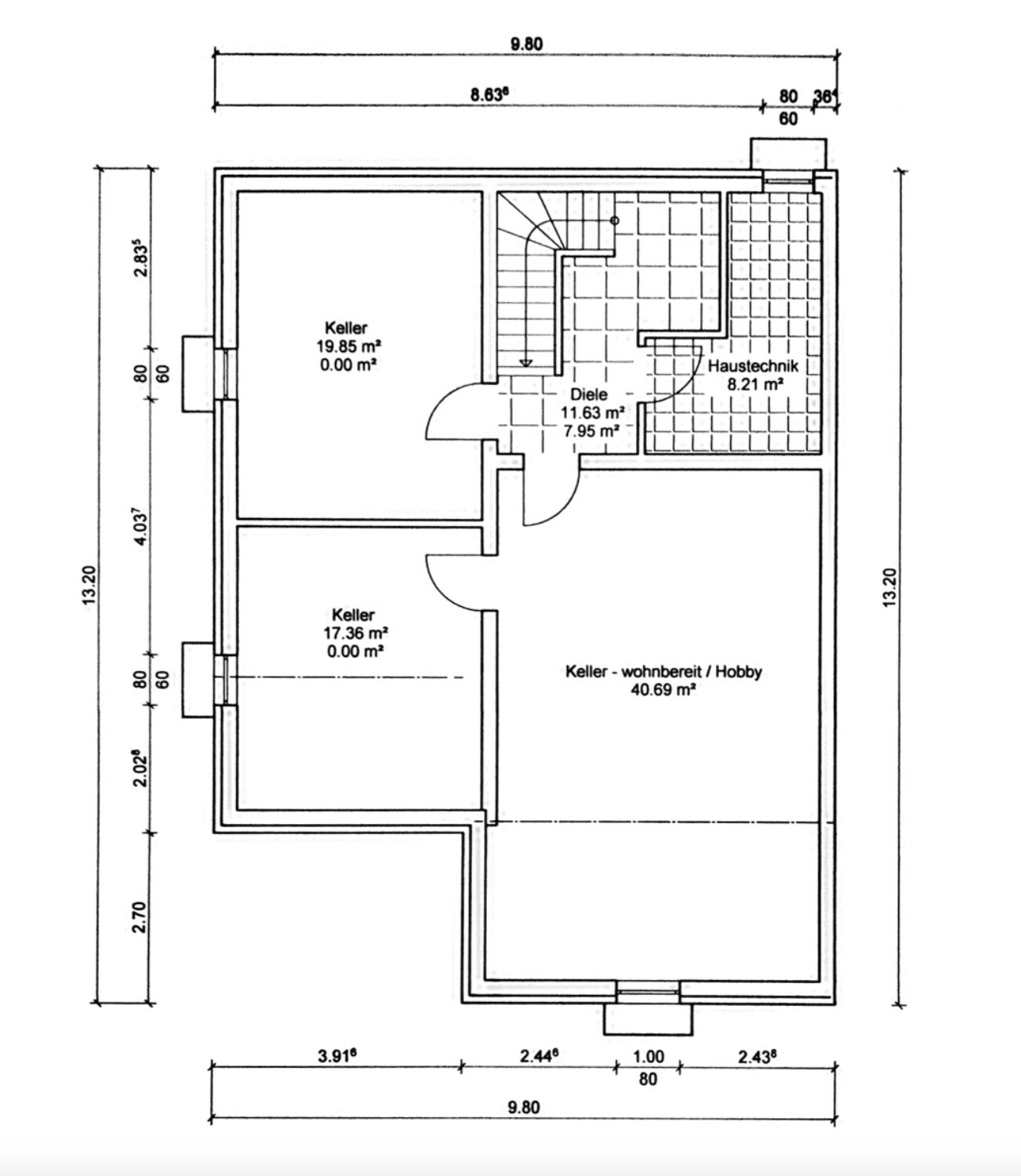
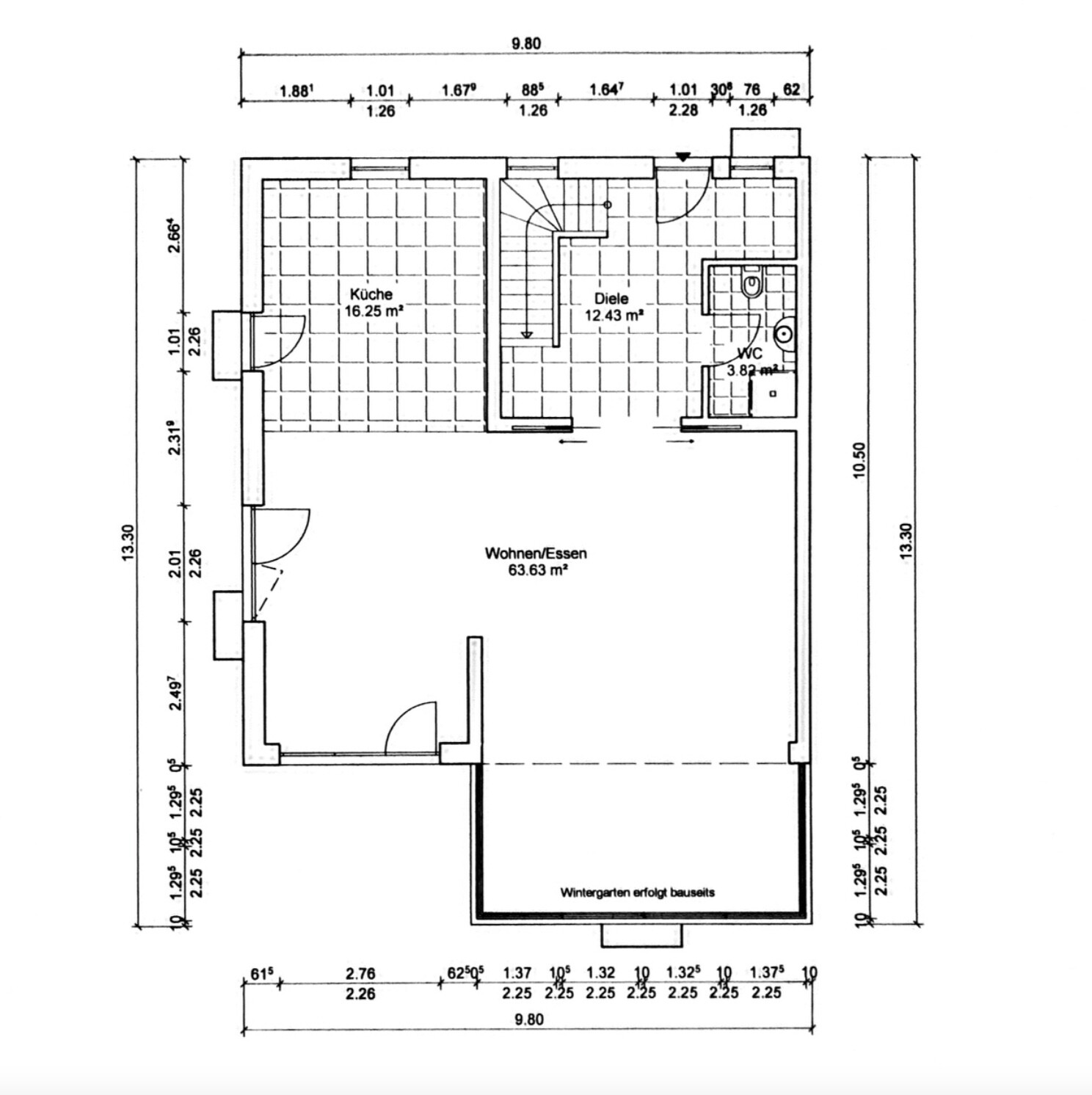
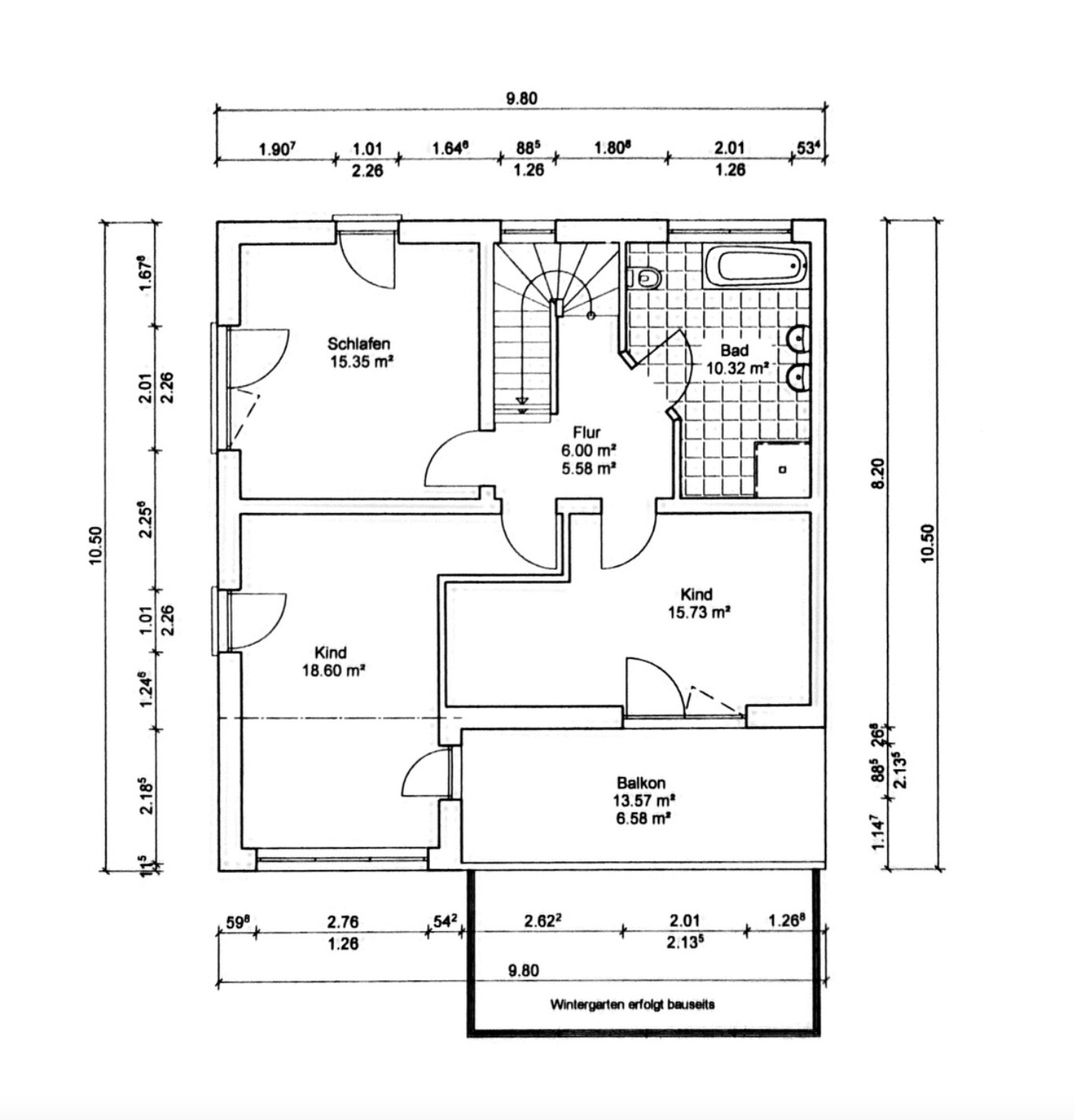
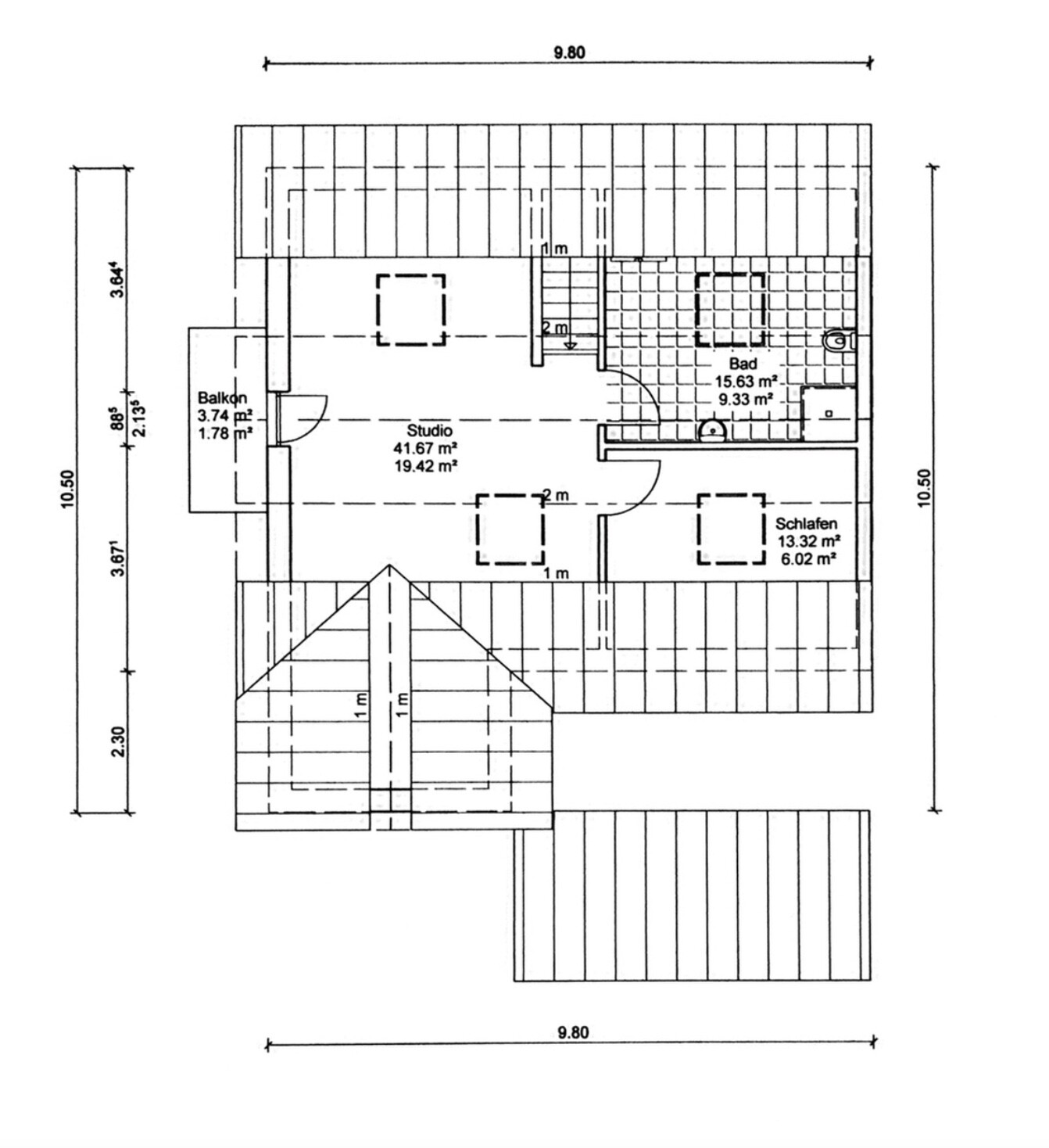
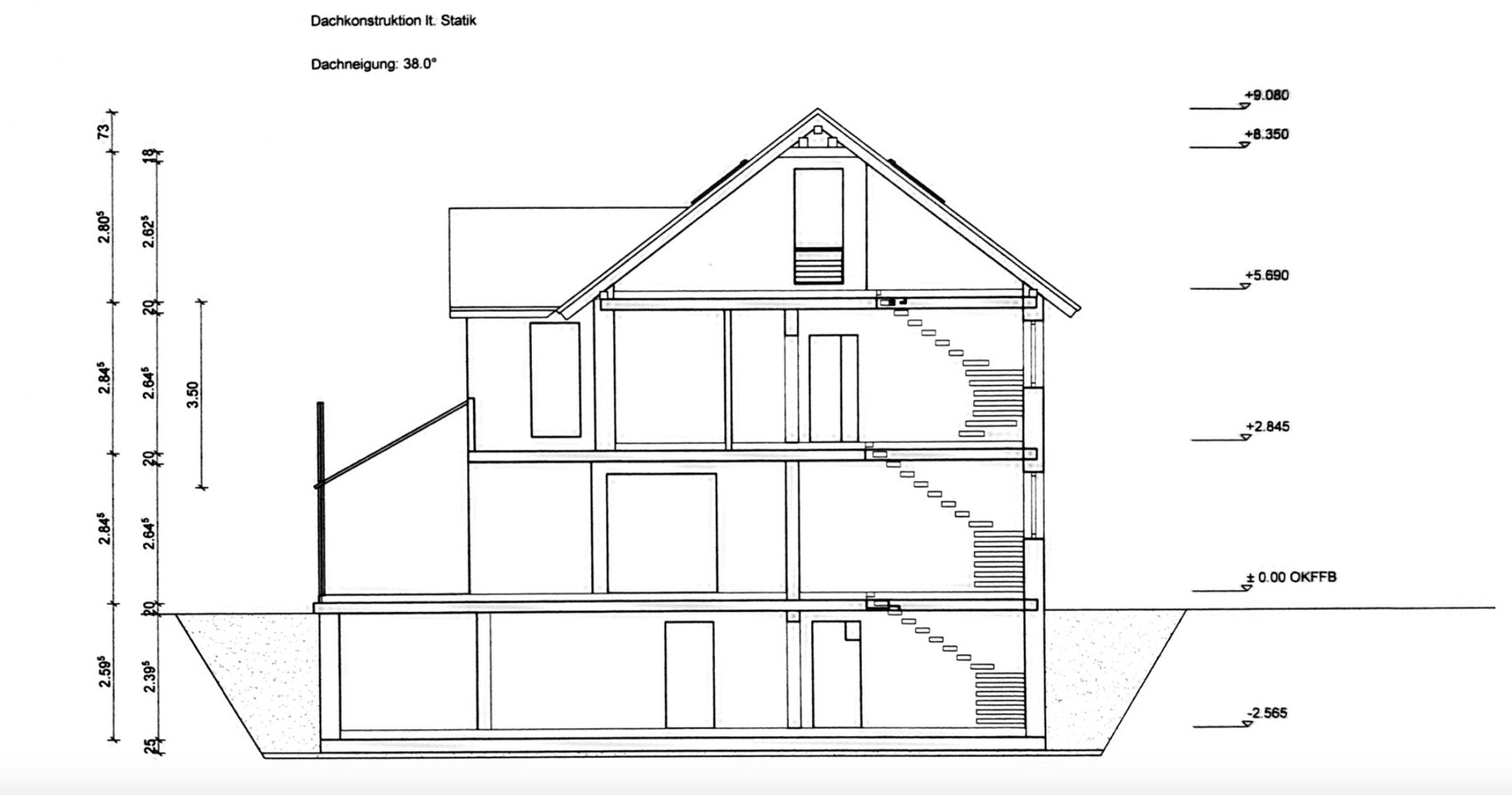
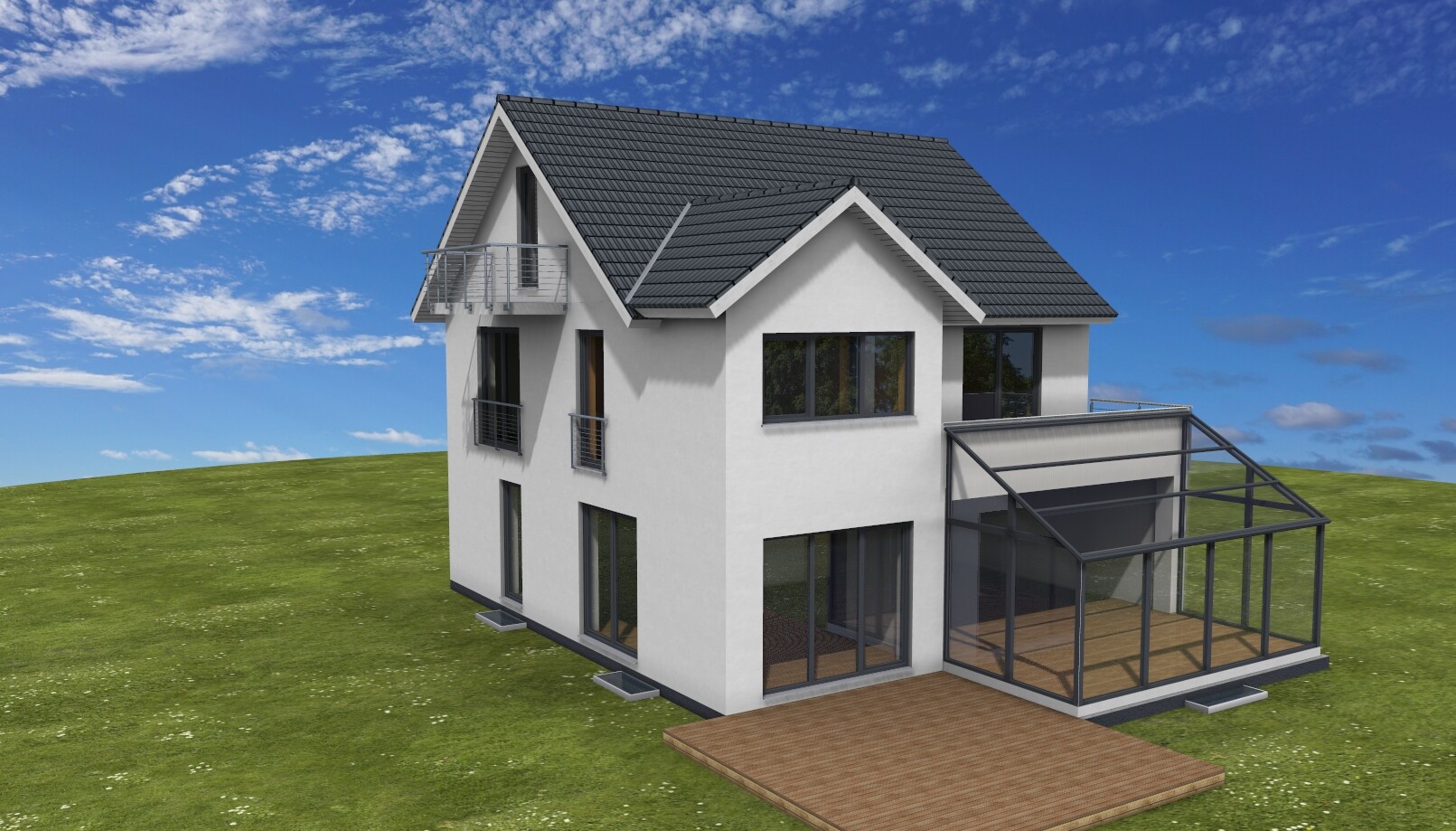
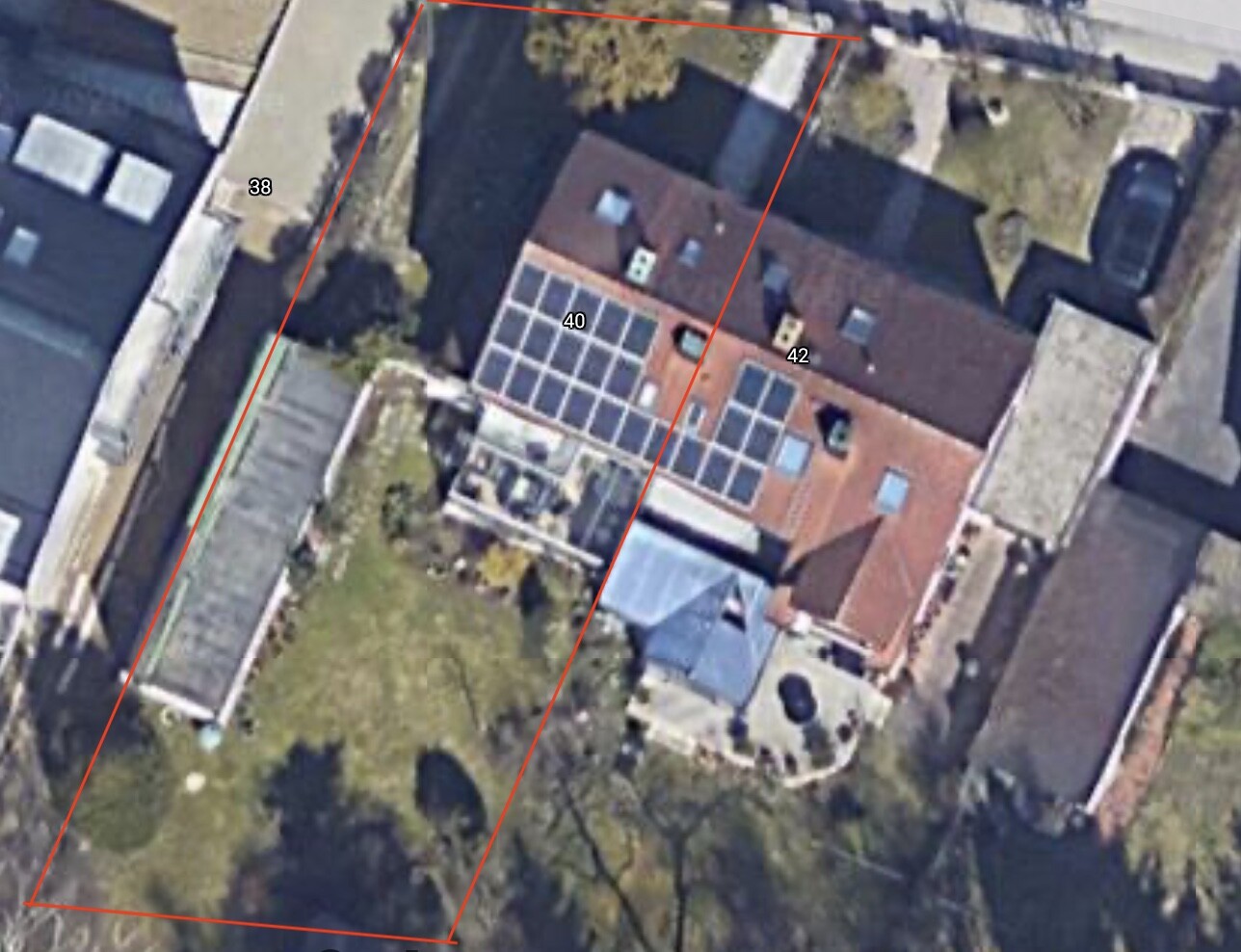
we are planning to build a new semi-detached house after demolishing the existing one and have already drafted some floor plans. We would be very interested in your opinions and any suggestions for improvement. We are particularly not yet fully satisfied with the layout of the upper floor.
Thank you in advance for your feedback and criticism!
Development Plan / Restrictions
Plot size – 640 m² (6889 sq ft)
Sloped terrain – no
Adjacent buildings: semi-detached house
Site coverage ratio – 0.4
Floor area ratio – no specification
Number of parking spaces – 2
Number of storeys – no specification (to match neighboring semi-detached house – ground floor, upper floor, attic)
Roof type – gable roof, 38°
Architectural style – none
Orientation – south
Maximum heights / limits: gable roof eaves height 6.0 m (19.7 ft); gable roof ridge height 11.0 m (36.1 ft)
Client Requirements
Style, roof type, building type: gable roof
Basement, storeys: ground floor, upper floor, attic, and basement
Number of occupants, age: 2 persons (35, 29, planning for children)
Room requirements on ground and upper floors – ground floor: living/dining area, open kitchen, toilet/bathroom; upper floor: 2 children’s bedrooms, bathroom with toilet (including bathtub); attic: master bedroom, bathroom with toilet
Office: family use or home office? – home office (1 person, approx. 3 days/week)
Guest overnight stays per year: 2 persons, once per month
Open or closed architecture: open
Conservative or modern design: modern
Open kitchen, kitchen island: yes
Number of dining seats: 6 (option to expand to 8–10)
Fireplace: no
Music/sound system wall: no
Balcony, roof terrace: yes, necessary on the upper floor facing south due to the adjacent semi-detached house. Possibly a balcony in the attic facing west (evening sun).
Garage, carport: garage
Utility garden, greenhouse: no
House Design
Planning done by: mostly self-designed so far, only minor coordination with a building company planner to date
What do you like most? Why?
- Layout of living and dining areas
What do you dislike? Why?
- Bathroom on the upper floor possibly too small?
- Floor plan on the upper floor ("compartmentalized rooms")
Price estimate according to architect/planner: approx. $480,000 (excluding earthworks and excavation) + $90,000 planned heated winter garden
Personal budget limit for the house, including fixtures: approx. $650,000
Preferred heating system: undecided, district heating vs. heat pump
If you had to give up, which features/upgrades?
- Could give up: shower on the ground floor
- Cannot give up: guest room, winter garden, open kitchen
Why is the design the way it is now?
Open spatial concept with spacious, open living/dining area on the ground floor desired. Restrictions due to neighboring semi-detached house (balcony on upper floor).
Standard design from planner? No
What is the main/basic question about the floor plan, summarized in 130 characters?
How could the upper floor plan be redesigned to be less compartmentalized?
K
knalltüte2 Feb 2021 04:55... and are the demolition costs already included in the budget? Necessary safety measures can easily add up to $20,000–30,000, and if things go wrong, even significantly more. Excavation was also extra. I see a large basement. Maybe around 600m³ (13 * 16 * 3 ... including construction area / slopes). Disposing of 600m³ at a landfill can cost so much depending on soil type and location that it might easily exceed your budget. Storing and reusing soil on the property will also be “tight.” For this area, I would definitely get very detailed fixed-price quotes. 😎
Is a full renovation like the one next door not an option for you? I can understand that, but sometimes I think money doesn’t matter much to many people, following the motto: “Oh honey, let’s just buy a house...” Depending on the situation, the price difference between a full renovation and a new build can sometimes be small...
Is a full renovation like the one next door not an option for you? I can understand that, but sometimes I think money doesn’t matter much to many people, following the motto: “Oh honey, let’s just buy a house...” Depending on the situation, the price difference between a full renovation and a new build can sometimes be small...
We have budgeted around 35,000 for the demolition costs. The excavation/earthworks are already included in the price (€480,000), as I mistakenly mentioned in the first post. However, the disposal of the excavated soil will indeed be an additional cost. Since a basement has already been excavated, only the disposal of the extra necessary excavation should be added.
We also considered a major renovation. We had an expert surveyor visit, who said that a major renovation probably wouldn’t be much cheaper than demolition and rebuilding (e.g., a significant challenge: the damp basement needs to be waterproofed).
We also considered a major renovation. We had an expert surveyor visit, who said that a major renovation probably wouldn’t be much cheaper than demolition and rebuilding (e.g., a significant challenge: the damp basement needs to be waterproofed).
Regarding the comment about labyrinthine rooms: Personally, I don't really like the rectangular layouts in bedrooms with just a bed, table, and wardrobe. Well-designed niches, where for example a small walk-in closet fits and that prevent the entire room from being visible at once, feel much cozier to me (and definitely to the children as well). I would never willingly give up a separate dressing area and an ensuite bathroom for myself. That’s why we are planning exactly the same for our new house.
Surely you can plan that with a rectangular hallway at the top! One of the children's rooms is about 2-3 sqm (21-32 sq ft) smaller, almost like having its own hallway.
I don’t see a wardrobe in the bedroom or a proper space for one. You would really have to improvise and accept tight spots.
How many centimeters (inches) is the sofa from the TV? I also find having two dining tables next to each other pointless, unless one is for kids and the other for adults 😉
I think the rooms are not well distributed.
Sorry to say it like this:
The house seems to me as if you are trying to include everything because you don’t know exactly what you want: four floors for currently two people who might become four someday—the stairs have to be climbed first, you have to overcome them and tolerate the noise. That’s okay if you need all the space, but then there is a lack of sensible zoning.
From the outside: the third gable, roof terrace, conservatory, floor-to-ceiling windows with grilles, balcony... phew, you could say:
“Style: none.”
I like spacious, appealing, and straightforwardly furnished spaces, so I have nothing against roominess, but right at the main entrance it starts to feel cramped because of the stair position exactly at the entrance and opposite the wardrobe niche—who wants to pass there all the time? For me, that alone would be a reason not to buy the house, having to constantly walk upstairs in socks over sand and crumbs. I would prefer it to be more homely and private, rather than always having to pass by the door.
The wardrobe is planned to be small and not really comfortable to use.
Also opposite the stairs and right by the front door—that’s not pleasant in real life.
Some might not mind the offset from the living room door—I think it’s poorly executed. So a sliding door would run alongside the sofa? And someone could sneak up on the person watching TV and scare them? The kitchen would be U-shaped with openings on the left and right, and a small island in front seems too small for being “modern” and for the room size. I would highlight the island more and arrange it more straightforwardly (straightforward does not mean perfectly straight, but without abrupt side views).
You can see the upper floor yourself.
Personally, I would arrange the entrance area more thoughtfully. A staircase with a landing against the partition wall as a focal point, also visible from the dining area.
A hallway for the wardrobe with a large built-in closet, plus enough room for a bench and chest of drawers. A nice visual axis into the open living space.
Pantry or storage room... with roughly 10 sqm (108 sq ft) less floor area, you could zone the open space better and still have spaciousness rather than just “big.”
The kitchen by the terrace with a seating area at the counter, so there is only one dining table in the room.
If you like cooking, I would partially move the kitchen into the conservatory.
On the upper floor, I would make the roof terrace, which hardly anyone uses anyway, accessible from the hallway. That way, every family member can enjoy it, and the hallway itself becomes a highlight. Instead of a bedroom, use that space as an office or guest room. Then in the attic, the parents’ area, which could also include a home office.
But keep in mind that the sloping ceilings limit space: much of what is drawn up there is not feasible, for example, a table or access to the walk-in closet—you’d have to crawl.
I just read that now; it looked different in the floor plan.
I don’t see a wardrobe in the bedroom or a proper space for one. You would really have to improvise and accept tight spots.
How many centimeters (inches) is the sofa from the TV? I also find having two dining tables next to each other pointless, unless one is for kids and the other for adults 😉
I think the rooms are not well distributed.
Sorry to say it like this:
The house seems to me as if you are trying to include everything because you don’t know exactly what you want: four floors for currently two people who might become four someday—the stairs have to be climbed first, you have to overcome them and tolerate the noise. That’s okay if you need all the space, but then there is a lack of sensible zoning.
From the outside: the third gable, roof terrace, conservatory, floor-to-ceiling windows with grilles, balcony... phew, you could say:
“Style: none.”
I like spacious, appealing, and straightforwardly furnished spaces, so I have nothing against roominess, but right at the main entrance it starts to feel cramped because of the stair position exactly at the entrance and opposite the wardrobe niche—who wants to pass there all the time? For me, that alone would be a reason not to buy the house, having to constantly walk upstairs in socks over sand and crumbs. I would prefer it to be more homely and private, rather than always having to pass by the door.
The wardrobe is planned to be small and not really comfortable to use.
Also opposite the stairs and right by the front door—that’s not pleasant in real life.
Some might not mind the offset from the living room door—I think it’s poorly executed. So a sliding door would run alongside the sofa? And someone could sneak up on the person watching TV and scare them? The kitchen would be U-shaped with openings on the left and right, and a small island in front seems too small for being “modern” and for the room size. I would highlight the island more and arrange it more straightforwardly (straightforward does not mean perfectly straight, but without abrupt side views).
You can see the upper floor yourself.
Personally, I would arrange the entrance area more thoughtfully. A staircase with a landing against the partition wall as a focal point, also visible from the dining area.
A hallway for the wardrobe with a large built-in closet, plus enough room for a bench and chest of drawers. A nice visual axis into the open living space.
Pantry or storage room... with roughly 10 sqm (108 sq ft) less floor area, you could zone the open space better and still have spaciousness rather than just “big.”
The kitchen by the terrace with a seating area at the counter, so there is only one dining table in the room.
If you like cooking, I would partially move the kitchen into the conservatory.
On the upper floor, I would make the roof terrace, which hardly anyone uses anyway, accessible from the hallway. That way, every family member can enjoy it, and the hallway itself becomes a highlight. Instead of a bedroom, use that space as an office or guest room. Then in the attic, the parents’ area, which could also include a home office.
But keep in mind that the sloping ceilings limit space: much of what is drawn up there is not feasible, for example, a table or access to the walk-in closet—you’d have to crawl.
Stefan85 schrieb:
Exactly, the master bedroom is planned in the attic.
I just read that now; it looked different in the floor plan.
The ground floor (GF) and upper floor (UF) do not work:
The sliding door on the ground floor has no wall on the right side according to the plan.
The staircase is too short. The seating area is marginally small.
On the upper floor, the staircase and the toilet do not comply with technical standards (2-meter line). In the area below 2 meters (6.6 feet) in height, it is still possible to move around, but only with about 50 cm (20 inches) of headroom; beyond that, movement is limited to bending, stooping, or crawling.
The sliding door on the ground floor has no wall on the right side according to the plan.
The staircase is too short. The seating area is marginally small.
On the upper floor, the staircase and the toilet do not comply with technical standards (2-meter line). In the area below 2 meters (6.6 feet) in height, it is still possible to move around, but only with about 50 cm (20 inches) of headroom; beyond that, movement is limited to bending, stooping, or crawling.
Similar topics