
ᐅ Floor Plan Design for a 150 sqm Townhouse with Gable Roof, 6 Rooms
Created on: 28 May 2024 22:14
L
LeFy2023
Dear forum members,
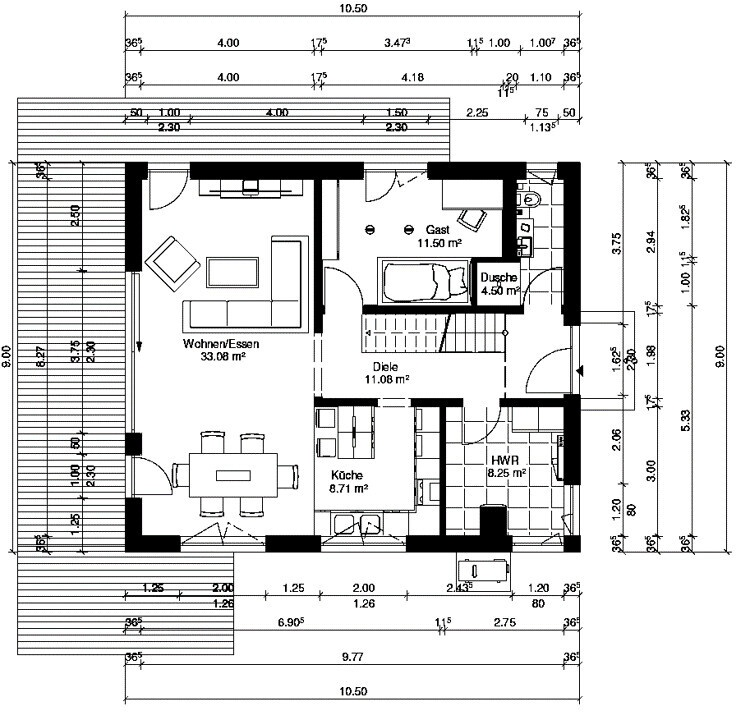
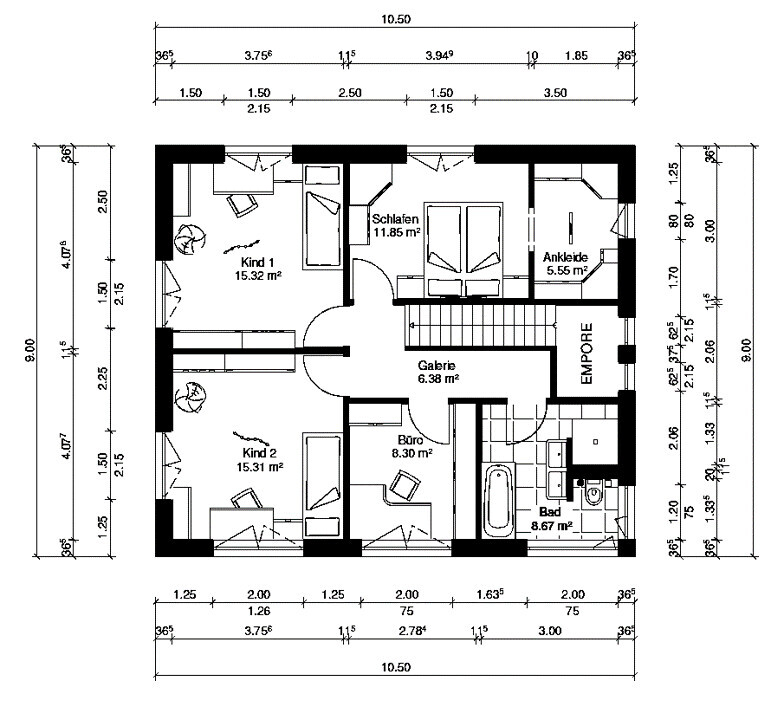
We have completed a preliminary design for our house together with a company and are now at the beginning of the detailed planning stage. Therefore, we would greatly appreciate any suggestions for improvement, critical feedback, and additional ideas or tips regarding the floor plan.
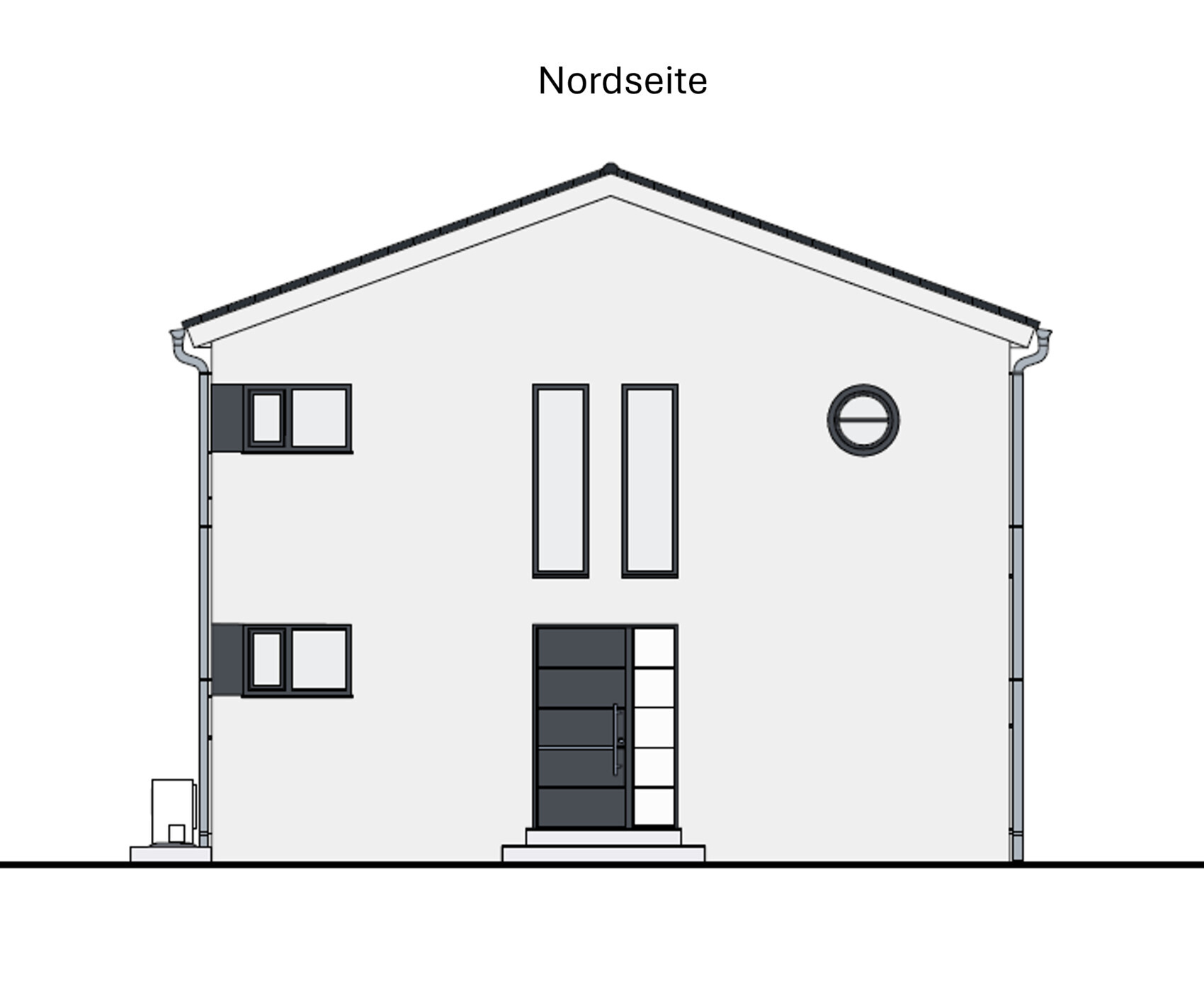
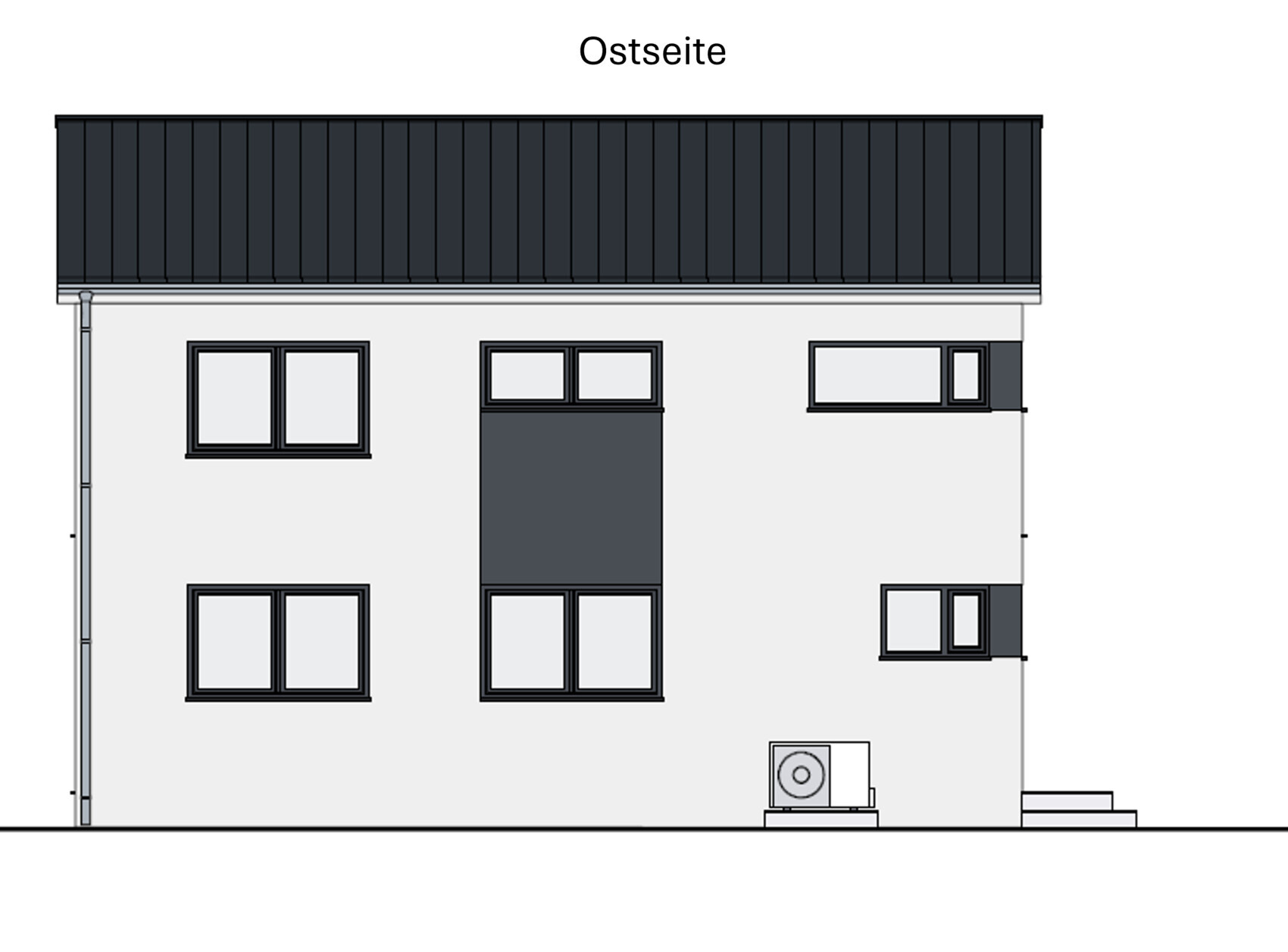
Unfortunately, we do not yet have a site plan, but we do have the floor plans for the ground floor and upper floor at a scale of 1:100, as well as drawings of the house.
Thanks in advance!
Development Plan / Restrictions
Plot size: 700 sqm (7,534 sq ft)
Development according to §34 of the Building Code; the neighborhood features a wide variety of house types, sizes, number of floors, roof styles, etc. A positive preliminary building inquiry exists for a two-story townhouse up to 200 sqm (2,153 sq ft).
Client Requirements
Style, roof type, building type: shallow pitched gable roof, townhouse
Basement, floors: no basement, 2 floors
Number of occupants, age: 2 adults, 1 child (1 year old), possibly a second child planned
Space requirements for ground floor and upper floor: 150 sqm (1,615 sq ft)
Office: family use or home office? Home office for both adults about 3 days per week on average
Occasional overnight guests per year: parents-in-law visit several times a year
Open or closed architecture: open
Conservative or modern construction: modern
Open kitchen, kitchen island: open kitchen with island if possible
Number of dining seats: 4–8
Fireplace: no
Music/sound wall: no
Balcony, roof terrace: no
Garage, carport: yes, one parking space including a shed
Utility garden, greenhouse: possibly
Additional wishes / special features / daily routine, also reasons why something should or should not be included:
- Larger guest room on the ground floor with space for a double bed as the parents-in-law visit frequently
- Guest room on ground floor must also be usable as an office
- Bright rooms / mezzanine
- Open entrance area with open rooms and a view of the garden (a clear sightline)
- Straight concrete staircase to upper floor for dogs and parking space underneath (built-in cupboards)
- Office on upper floor should also serve as a utility/laundry room
- Façade in stone gray with wood cladding elements
House Design
Designer: planner from a construction company
What is liked most? Why?
- Very practical room layout and good room sizes
- Barrier-free access to the guest shower on the ground floor
- Additional storage space in the roof as a storage binder
- Lots of light through large windows
- Laundry room on upper floor close to the bedrooms/children’s rooms
What is disliked? Why?
- Kitchen might be too small / cramped
- Question whether a passage to the kitchen is necessary
- Main entrance is not barrier-free (terrace exit also not)
- The gray elements in the façade are to be replaced by wood cladding to give the house a more distinctive exterior appearance.
Preferred heating system: heat pump
If you had to do without, which details/features?
- Can do without: second washbasin in upper floor bathroom, round window in dressing room (can have a different shape), kitchen island if it doesn’t fit
- Cannot do without: straight concrete staircase, windows, large lift-and-slide door, larger guest room, mezzanine, guest shower on ground floor, walk-in showers, laundry room on upper floor
Why does the design look as it does now? For example,
This is the initial individual draft without adjustments from us so far. A mezzanine, a larger guest room on the ground floor, storage space in the roof, and laundry room on the upper floor were explicitly requested and implemented accordingly.
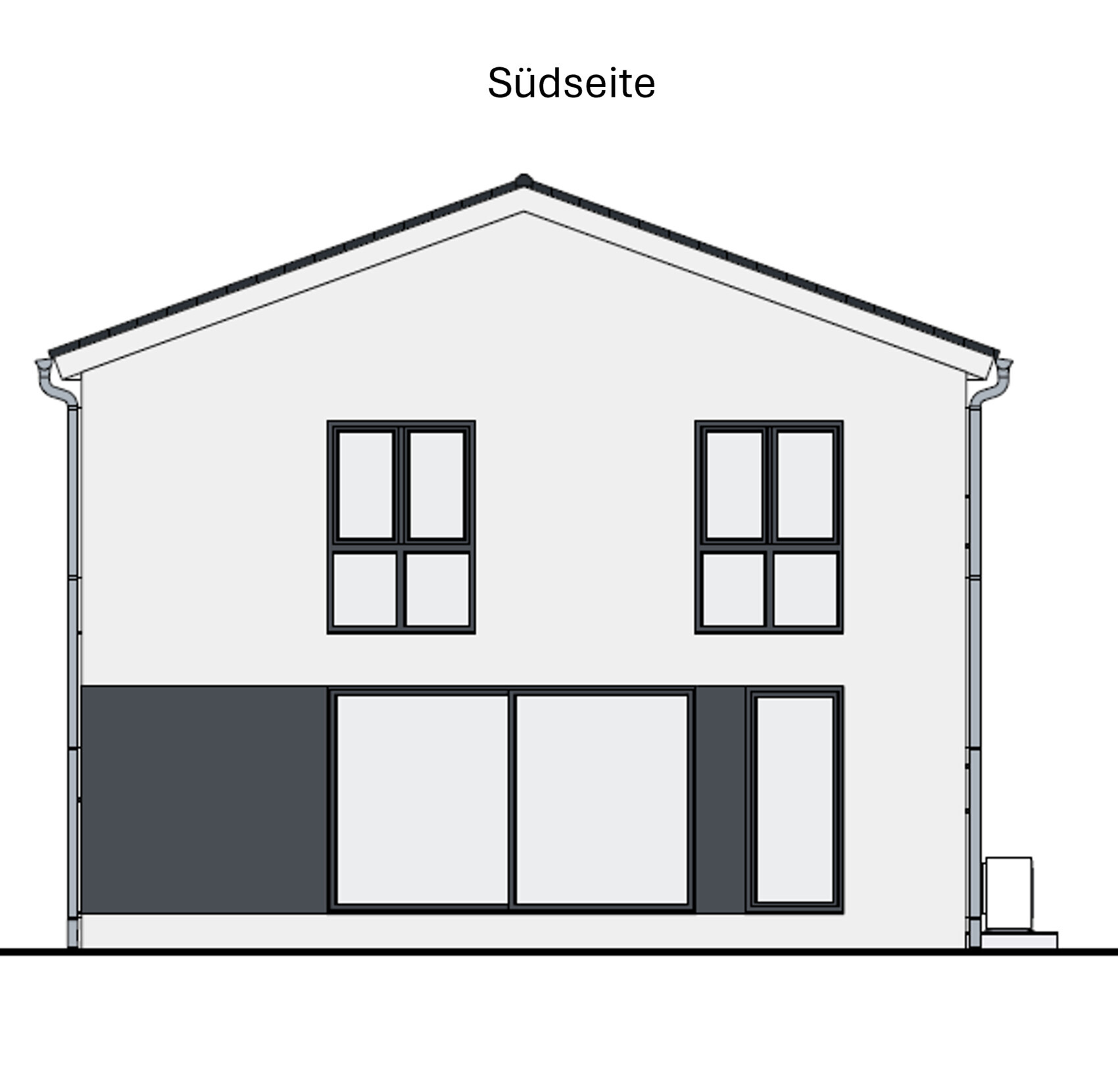
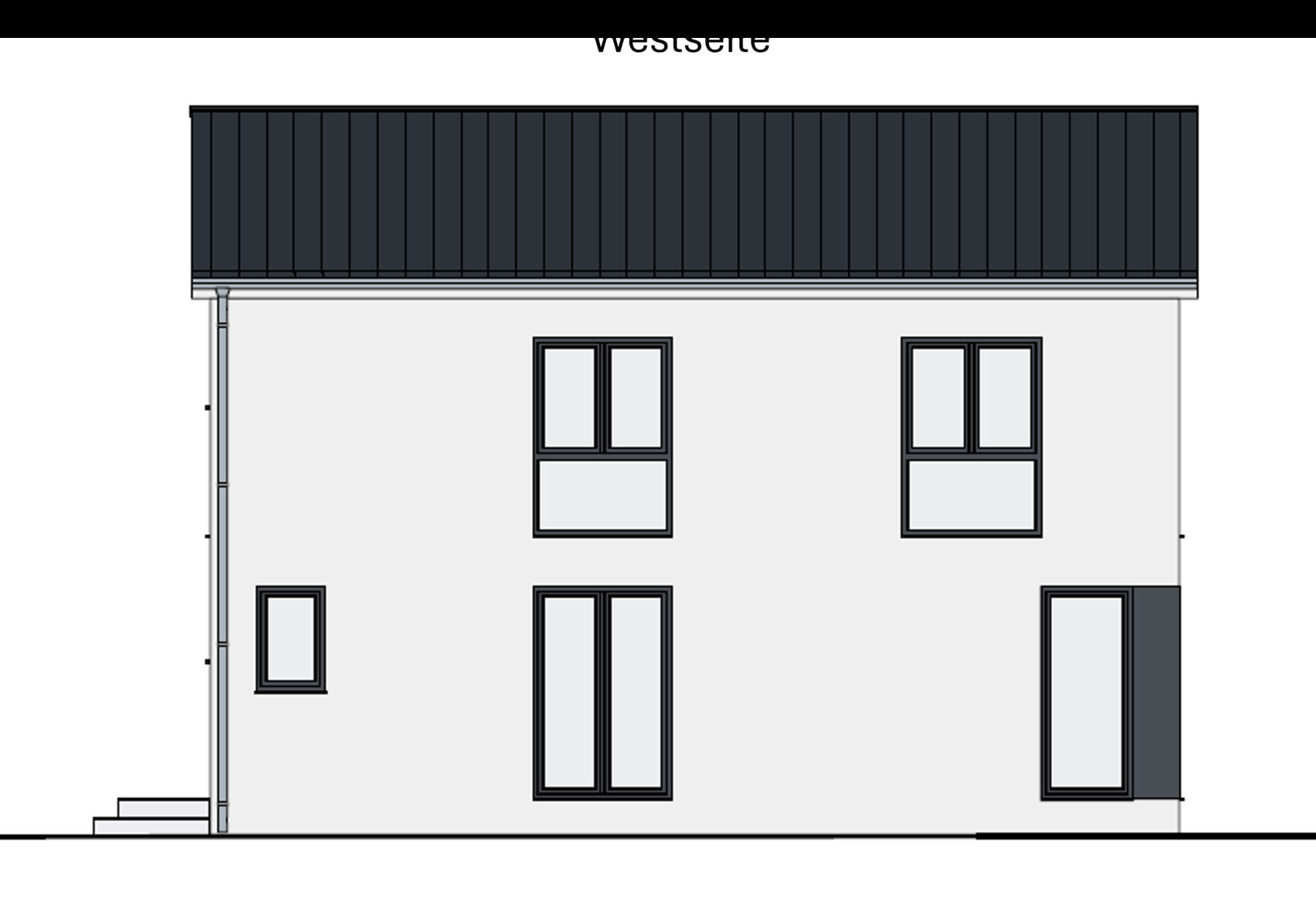
We have completed a preliminary design for our house together with a company and are now at the beginning of the detailed planning stage. Therefore, we would greatly appreciate any suggestions for improvement, critical feedback, and additional ideas or tips regarding the floor plan.
Unfortunately, we do not yet have a site plan, but we do have the floor plans for the ground floor and upper floor at a scale of 1:100, as well as drawings of the house.
Thanks in advance!
Development Plan / Restrictions
Plot size: 700 sqm (7,534 sq ft)
Development according to §34 of the Building Code; the neighborhood features a wide variety of house types, sizes, number of floors, roof styles, etc. A positive preliminary building inquiry exists for a two-story townhouse up to 200 sqm (2,153 sq ft).
Client Requirements
Style, roof type, building type: shallow pitched gable roof, townhouse
Basement, floors: no basement, 2 floors
Number of occupants, age: 2 adults, 1 child (1 year old), possibly a second child planned
Space requirements for ground floor and upper floor: 150 sqm (1,615 sq ft)
Office: family use or home office? Home office for both adults about 3 days per week on average
Occasional overnight guests per year: parents-in-law visit several times a year
Open or closed architecture: open
Conservative or modern construction: modern
Open kitchen, kitchen island: open kitchen with island if possible
Number of dining seats: 4–8
Fireplace: no
Music/sound wall: no
Balcony, roof terrace: no
Garage, carport: yes, one parking space including a shed
Utility garden, greenhouse: possibly
Additional wishes / special features / daily routine, also reasons why something should or should not be included:
- Larger guest room on the ground floor with space for a double bed as the parents-in-law visit frequently
- Guest room on ground floor must also be usable as an office
- Bright rooms / mezzanine
- Open entrance area with open rooms and a view of the garden (a clear sightline)
- Straight concrete staircase to upper floor for dogs and parking space underneath (built-in cupboards)
- Office on upper floor should also serve as a utility/laundry room
- Façade in stone gray with wood cladding elements
House Design
Designer: planner from a construction company
What is liked most? Why?
- Very practical room layout and good room sizes
- Barrier-free access to the guest shower on the ground floor
- Additional storage space in the roof as a storage binder
- Lots of light through large windows
- Laundry room on upper floor close to the bedrooms/children’s rooms
What is disliked? Why?
- Kitchen might be too small / cramped
- Question whether a passage to the kitchen is necessary
- Main entrance is not barrier-free (terrace exit also not)
- The gray elements in the façade are to be replaced by wood cladding to give the house a more distinctive exterior appearance.
Preferred heating system: heat pump
If you had to do without, which details/features?
- Can do without: second washbasin in upper floor bathroom, round window in dressing room (can have a different shape), kitchen island if it doesn’t fit
- Cannot do without: straight concrete staircase, windows, large lift-and-slide door, larger guest room, mezzanine, guest shower on ground floor, walk-in showers, laundry room on upper floor
Why does the design look as it does now? For example,
This is the initial individual draft without adjustments from us so far. A mezzanine, a larger guest room on the ground floor, storage space in the roof, and laundry room on the upper floor were explicitly requested and implemented accordingly.
M
motorradsilke8 Jun 2024 07:18LeFy2023 schrieb:
As far as I have been able to find out so far for our district (Potsdam-Mittelmark), every meter on our property has a cost. The utility companies charge several hundred euros per meter of piping. For example, electricity is handled by e.dis Netz. They charge about 1500 euros for the connection on the property with a utility pole at the property boundary. From there, you can install and connect the wiring yourself if you want to save money.
I couldn’t quickly find information on water and sewage, so you’ll have to call around. But you can also install those yourself. It’s a few days of manual work (and saves a gym session) or you can rent a small excavator.
If I’m spending a few hundred thousand euros on a house, I would never let the floor plan depend on a few hundred or even a few thousand euros for utility connections.
I am referring to drinking water and wastewater, electricity, and internet (cable). For drinking and wastewater, the MWA and WAZV Mittelgraben are responsible @motorradsilke.
For drinking water, only the installers listed within the MWA service area may be contracted. Digging the trench yourself is certainly possible and could save a few euros on excavation work.
Even if we accept the additional costs, what currently bothers me about mirroring the floor plan is that the bedrooms and the utility room + bathroom on the upper floor would have to be swapped. This would place the bedroom facing the street (which is not very busy but still less desirable than the garden side) and the utility room and bathroom on the attractive west side, which I don’t find ideal either.
On the ground floor, mirroring would likely be an improvement.
For drinking water, only the installers listed within the MWA service area may be contracted. Digging the trench yourself is certainly possible and could save a few euros on excavation work.
Even if we accept the additional costs, what currently bothers me about mirroring the floor plan is that the bedrooms and the utility room + bathroom on the upper floor would have to be swapped. This would place the bedroom facing the street (which is not very busy but still less desirable than the garden side) and the utility room and bathroom on the attractive west side, which I don’t find ideal either.
On the ground floor, mirroring would likely be an improvement.

M
MachsSelbst9 Jun 2024 14:33Which electrician would sign off on wiring they didn’t install themselves? Unless you’ve known each other since childhood... The same applies to potable and wastewater pipes. Without a stamp from a registered specialist company, you won’t get a meter.
It can even happen that you dig the cable trench yourself, yet the utility provider still charges you the full price. They usually use a fixed rate per meter (including all costs), and they don’t deduct excavation work done by you.
It can even happen that you dig the cable trench yourself, yet the utility provider still charges you the full price. They usually use a fixed rate per meter (including all costs), and they don’t deduct excavation work done by you.
M
motorradsilke9 Jun 2024 15:10MachsSelbst schrieb:
Which electrician would sign off on wiring they didn’t install themselves? Unless you’ve known each other since childhood... The same applies for drinking water and wastewater connections. Without a stamp from a certified specialist company, you won’t get a meter.
It can even happen that you dig the cable trench yourself and the utility still charges you the full price. They usually charge a flat rate per meter (yard), all-inclusive. No one subtracts the excavation work from the total cost... The latter cannot be generally stated like that. Often, even with a flat rate, only a few meters (yards) are included. Or none at all, if there is the option to either have a power pole with meter at the property boundary or the meter installed inside the house.
In our case, we could have done it ourselves. But since we only needed to relocate the connection, it didn’t make financial sense.
Of course, (almost) any electrician will let you dig the trench and chase out the channels and lay the cables yourself. They will connect everything at the end—it’s never been said that you must do the entire job.
For drinking water, the utility installs the line up to the meter; we could have dug that ourselves as well. Every meter (yard) counted there.
No one ever cared about wastewater. Neither during the original installation 20 years ago nor now, when we worked on the pipes again.
M
MachsSelbst9 Jun 2024 17:09That may be the case for you, but why does it always have to be generalized like that?
Here, you pay XY EUR per meter. That includes everything, including civil engineering work. Even if you do the civil engineering yourself, you still pay XY EUR and not less.
The telecom company also didn’t reimburse me 400 EUR just because they could install directly into the open cable trench and didn't have to open it again themselves.
Here, you pay XY EUR per meter. That includes everything, including civil engineering work. Even if you do the civil engineering yourself, you still pay XY EUR and not less.
The telecom company also didn’t reimburse me 400 EUR just because they could install directly into the open cable trench and didn't have to open it again themselves.
Similar topics