
ᐅ Floor Plan for a 200 sqm Urban Villa – Are Our Requirements Feasible?
Created on: 13 Jul 2020 14:14
E
ECE-2021
Hello everyone,
I’m a bit overwhelmed with our floor plan and keep running into the same problems...
The main issue is probably how to integrate a straight staircase from the ground floor to the upper floor, and how we would have to modify or extend the hallway to fit such a staircase without "breaking up" the other rooms.
Development plan / Restrictions
Plot size: 1005 m² (0.25 acres)
Slope: no
Site coverage ratio: according to neighboring developments
Floor area ratio: according to neighboring developments
Building envelope, building line, and boundary: according to neighboring developments
Edge development: no
Number of parking spaces: double / large garage planned
Number of stories: 2
Roof type: hipped roof
Style: urban villa
Orientation: street facing northeast, plot extends sideways toward west-northwest, garden planned all around southwest / west-northwest
Client requirements
Style, roof type, building type: urban villa with hipped roof
Basement, floors: basement + ground floor + upper floor
Number of occupants, ages: 2 adults + young child (3)
Office: home office?
Closed architecture
Closed kitchen, kitchen island
Fireplace
Balcony
Garage
House design
Who designed the plan:
- Option 1: planner from a construction company (not yet an architect)
- Option 2: do-it-yourself
What do you particularly like? Why?
Overall, the floor plan is good and was implemented largely according to our ideas.
What do you dislike? Why?
We would prefer a straight staircase. According to a staircase calculator tool, it would require a length of 3.70 m (12 ft).
From research, this might be rather uncomfortable and therefore unrealistic.
We would be willing to extend the hallway for the straight staircase if necessary.
Symmetry, especially in the front view of the house, is very important to us, so we want to keep the type of front door as is.
The awkward corner in the upper hallway is not very appealing (bedroom / office).
Furthermore, the hallway window was initially placed in the child’s bedroom, but that will be changed so there is natural light in the upper floor hallway.
I’m also wondering if the chimney flue on the upper floor can still be routed freely, possibly offset within the ceiling/floor. Or does it have to go straight up from the ground floor fireplace? Because then it would end up right in the middle of the upper floor hallway.
If you have to give up something, which details or fittings could you do without?
- Could you compromise on: I’m open to suggestions for now
- Cannot compromise on: ideally the straight staircase
What do you think makes it particularly good or bad?
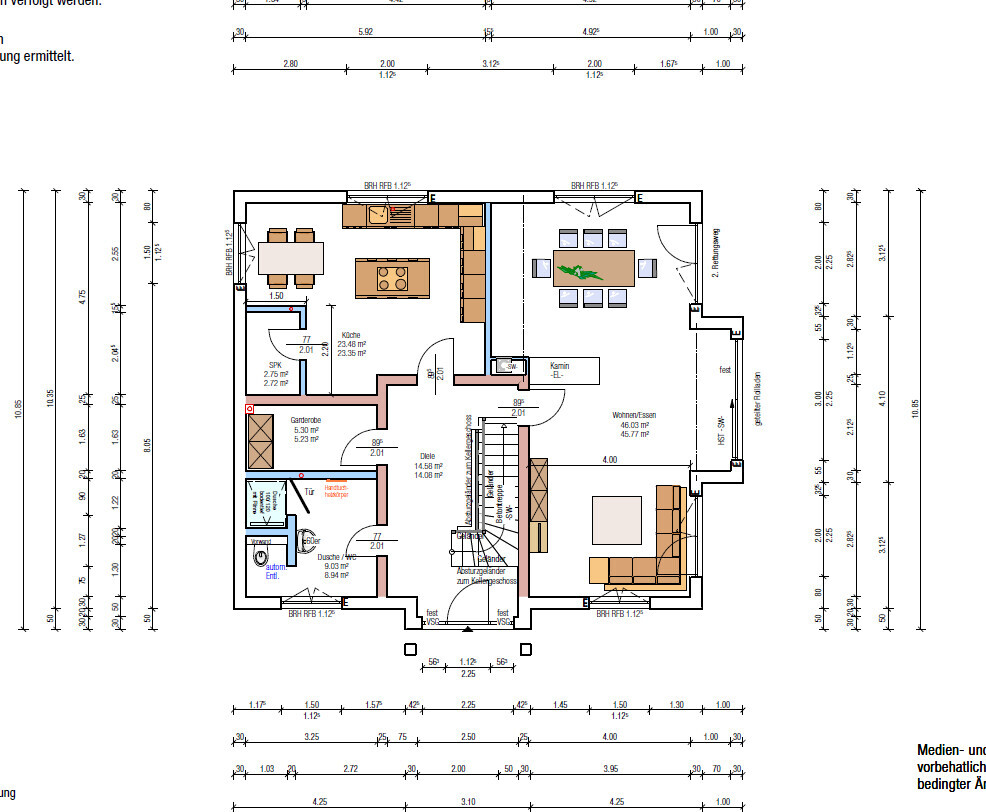
See differences between our design and the construction company’s plan
- straight staircase instead of quarter-turn
- kitchen recessed
- window in the hallway instead of in the child’s room
- ideally no hallway obstruction on the upper floor
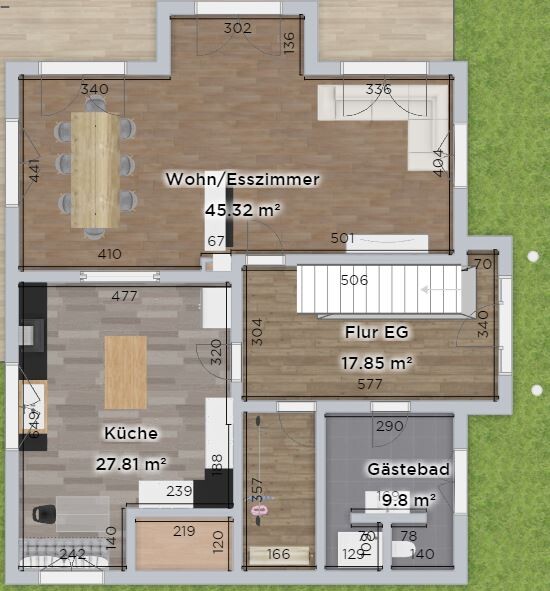
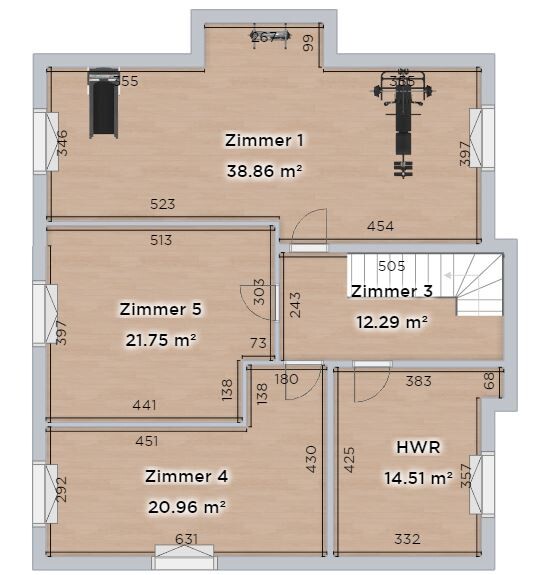
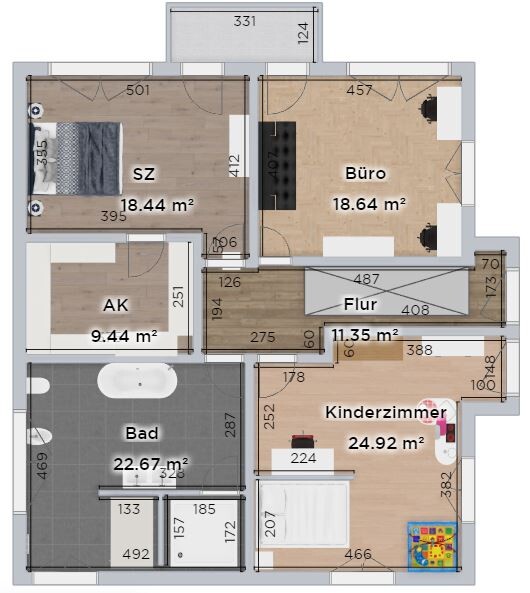
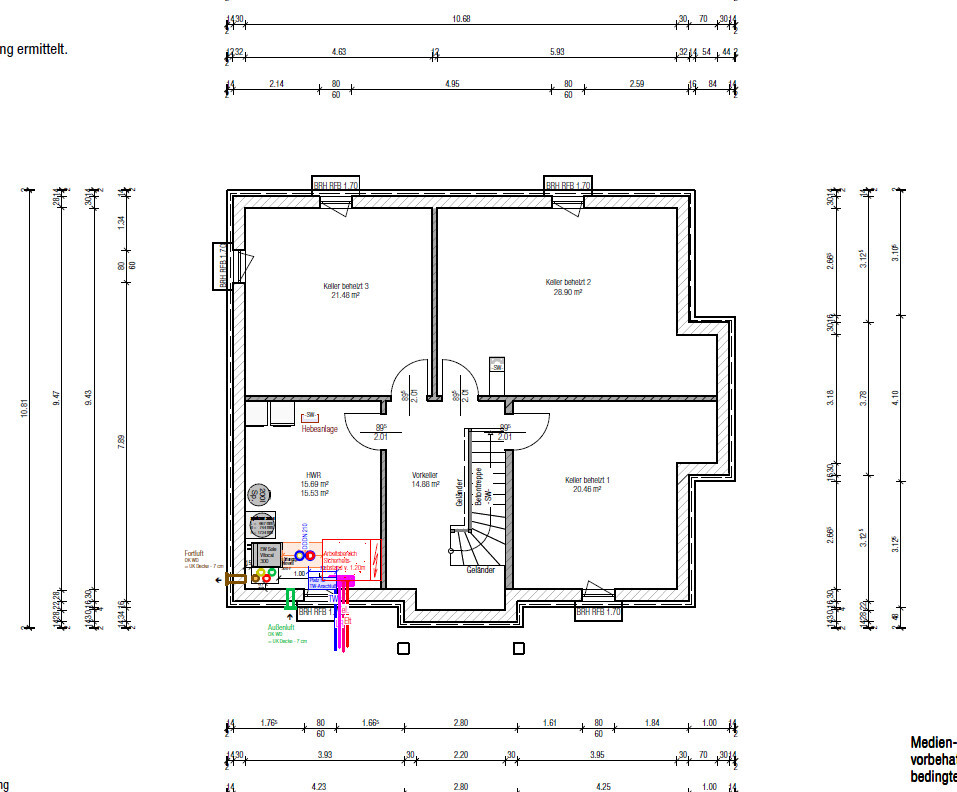
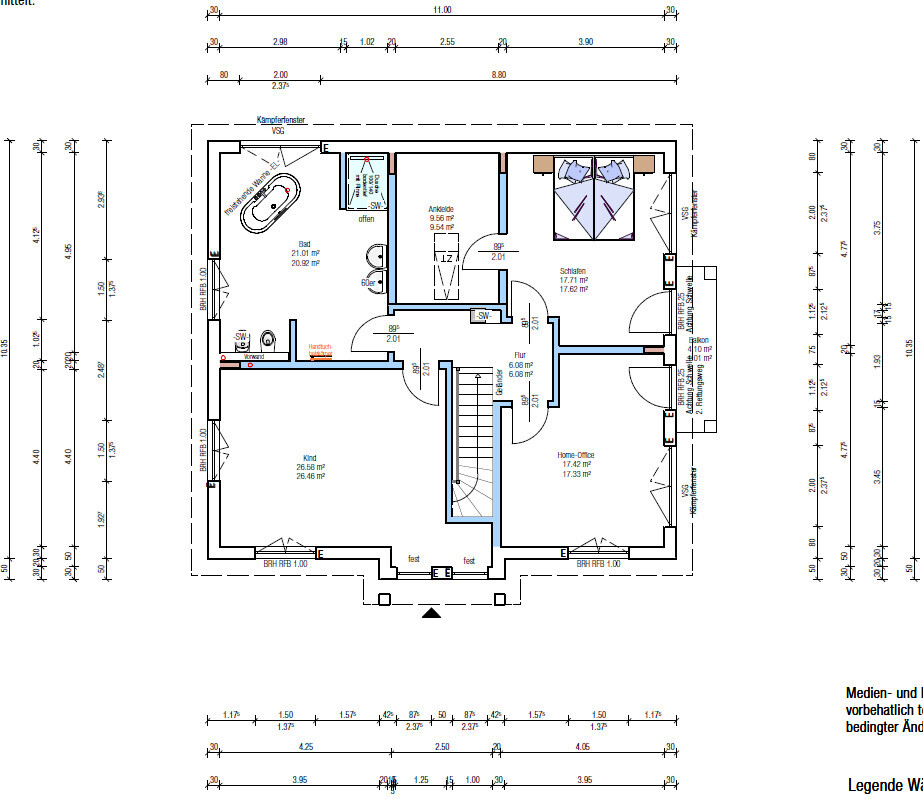
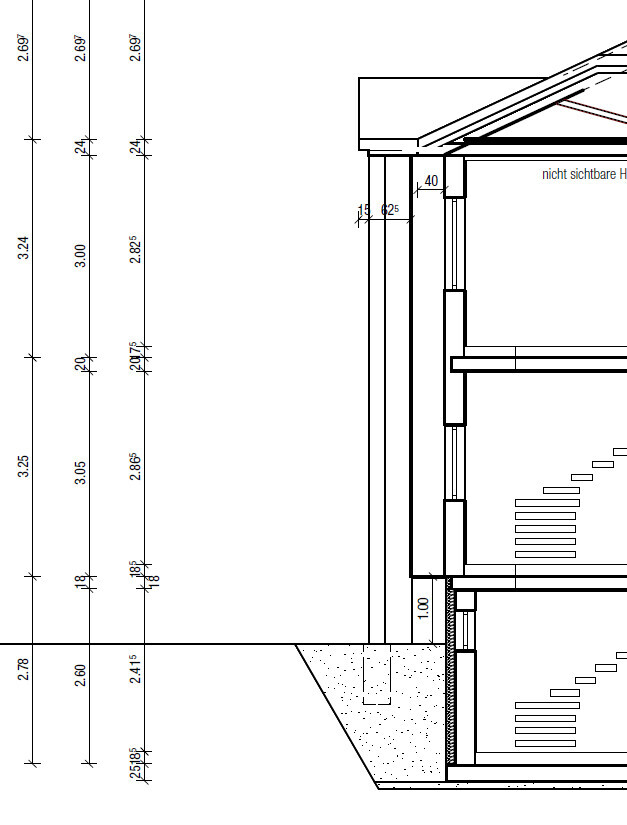
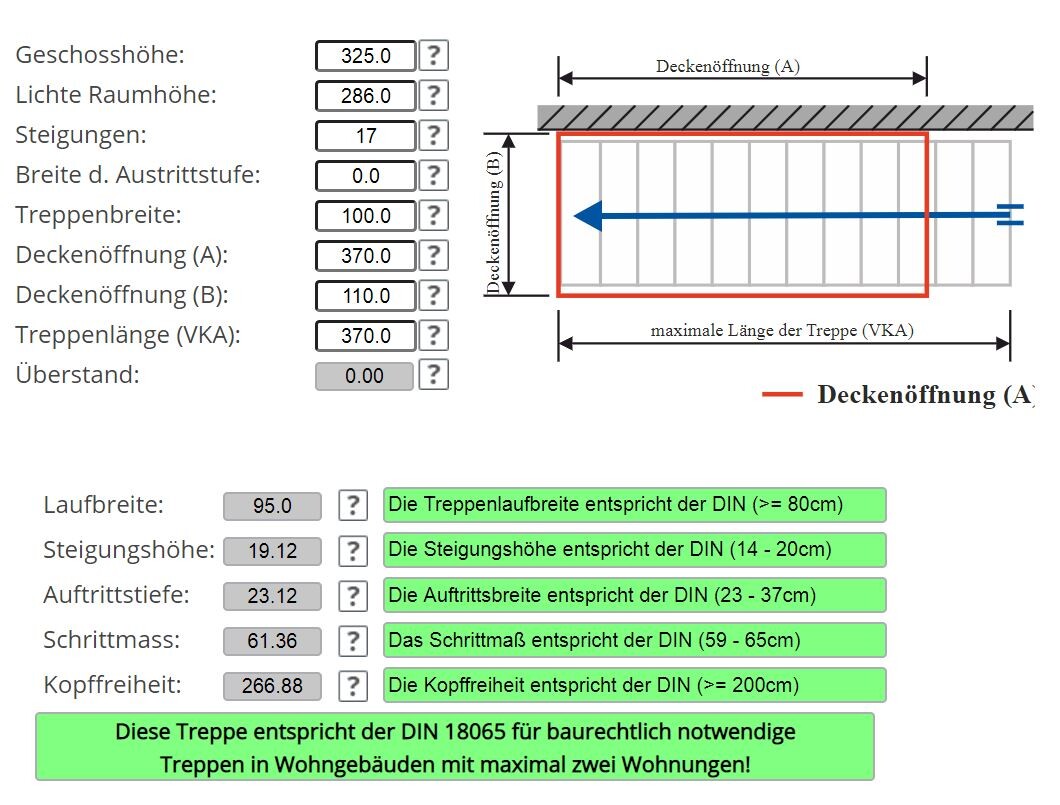
I’m a bit overwhelmed with our floor plan and keep running into the same problems...
The main issue is probably how to integrate a straight staircase from the ground floor to the upper floor, and how we would have to modify or extend the hallway to fit such a staircase without "breaking up" the other rooms.
Development plan / Restrictions
Plot size: 1005 m² (0.25 acres)
Slope: no
Site coverage ratio: according to neighboring developments
Floor area ratio: according to neighboring developments
Building envelope, building line, and boundary: according to neighboring developments
Edge development: no
Number of parking spaces: double / large garage planned
Number of stories: 2
Roof type: hipped roof
Style: urban villa
Orientation: street facing northeast, plot extends sideways toward west-northwest, garden planned all around southwest / west-northwest
Client requirements
Style, roof type, building type: urban villa with hipped roof
Basement, floors: basement + ground floor + upper floor
Number of occupants, ages: 2 adults + young child (3)
Office: home office?
Closed architecture
Closed kitchen, kitchen island
Fireplace
Balcony
Garage
House design
Who designed the plan:
- Option 1: planner from a construction company (not yet an architect)
- Option 2: do-it-yourself
What do you particularly like? Why?
Overall, the floor plan is good and was implemented largely according to our ideas.
What do you dislike? Why?
We would prefer a straight staircase. According to a staircase calculator tool, it would require a length of 3.70 m (12 ft).
From research, this might be rather uncomfortable and therefore unrealistic.
We would be willing to extend the hallway for the straight staircase if necessary.
Symmetry, especially in the front view of the house, is very important to us, so we want to keep the type of front door as is.
The awkward corner in the upper hallway is not very appealing (bedroom / office).
Furthermore, the hallway window was initially placed in the child’s bedroom, but that will be changed so there is natural light in the upper floor hallway.
I’m also wondering if the chimney flue on the upper floor can still be routed freely, possibly offset within the ceiling/floor. Or does it have to go straight up from the ground floor fireplace? Because then it would end up right in the middle of the upper floor hallway.
If you have to give up something, which details or fittings could you do without?
- Could you compromise on: I’m open to suggestions for now
- Cannot compromise on: ideally the straight staircase
What do you think makes it particularly good or bad?
See differences between our design and the construction company’s plan
- straight staircase instead of quarter-turn
- kitchen recessed
- window in the hallway instead of in the child’s room
- ideally no hallway obstruction on the upper floor

Take a look:
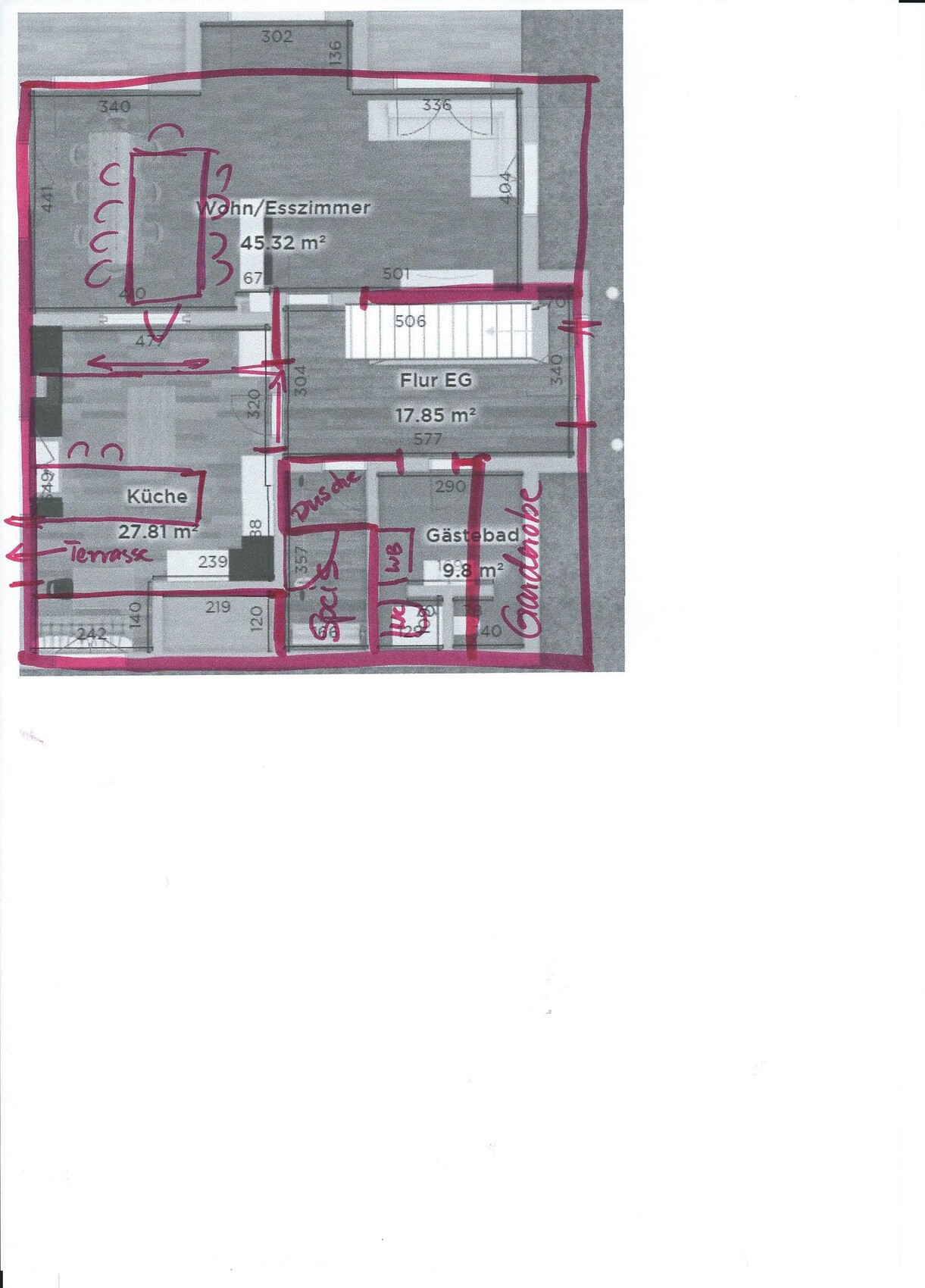
I hope it’s clear. I removed all the bay windows (the one in the living area is really unnecessary and doesn’t add any value); if a bay window at the entrance is desired, I would add it to the design to enlarge the entrance area.
The pantry is no longer attached to the kitchen, the guest toilet is sufficiently sized but gave up some space for the pantry, and the wardrobe is an open area right by the door. The kitchen is arranged in two parallel lines with a door leading from it to the garden and terrace. I don’t have the layout of your house on the plot in mind, but it might make sense to swap the kitchen and living room so the kitchen has direct access to the terrace. If you want, you can place a few stools at the island countertop, but I wouldn’t recommend a bar setting since it reduces workspace on the island. Instead, simply leave out some base cabinets on the side facing the dining area if you don’t need the storage, and add properly sized stools there. Then, there’s a sliding door to the dining area as requested (personally, I would leave it out). You’ll quickly notice that this creates about a meter more space… so the house could be made smaller without losing any usable area.
I still find the staircase solution inconvenient. If the kitchen is moved to where the living room is, then the staircase should be relocated, and the guest toilet and pantry should be placed where the staircase was. This means the layout needs to be completely redesigned.
But even just these few changes add a lot of value. The awkward pantry corner is gone, the guest toilet has standard dimensions, and you now have a generously sized wardrobe that will actually be used as such.
That is what good planning is about: making efficient use of space instead of wasting it. Unfortunately, your current design tends toward the latter. That’s why I would suggest starting over. Think carefully about what you really need, what makes sense and why, what is non-negotiable, and what can be discussed.
Visit model homes to get a good feel for space. Take measurements if you like something there, or if you find something too cramped. Understand why you like certain features and why you don’t like others.
I see your design as well-intentioned, but poorly executed. It simply lacks a sense of space and layout. However, that is not something you’re born with — it is a skill you develop.
I hope it’s clear. I removed all the bay windows (the one in the living area is really unnecessary and doesn’t add any value); if a bay window at the entrance is desired, I would add it to the design to enlarge the entrance area.
The pantry is no longer attached to the kitchen, the guest toilet is sufficiently sized but gave up some space for the pantry, and the wardrobe is an open area right by the door. The kitchen is arranged in two parallel lines with a door leading from it to the garden and terrace. I don’t have the layout of your house on the plot in mind, but it might make sense to swap the kitchen and living room so the kitchen has direct access to the terrace. If you want, you can place a few stools at the island countertop, but I wouldn’t recommend a bar setting since it reduces workspace on the island. Instead, simply leave out some base cabinets on the side facing the dining area if you don’t need the storage, and add properly sized stools there. Then, there’s a sliding door to the dining area as requested (personally, I would leave it out). You’ll quickly notice that this creates about a meter more space… so the house could be made smaller without losing any usable area.
I still find the staircase solution inconvenient. If the kitchen is moved to where the living room is, then the staircase should be relocated, and the guest toilet and pantry should be placed where the staircase was. This means the layout needs to be completely redesigned.
But even just these few changes add a lot of value. The awkward pantry corner is gone, the guest toilet has standard dimensions, and you now have a generously sized wardrobe that will actually be used as such.
That is what good planning is about: making efficient use of space instead of wasting it. Unfortunately, your current design tends toward the latter. That’s why I would suggest starting over. Think carefully about what you really need, what makes sense and why, what is non-negotiable, and what can be discussed.
Visit model homes to get a good feel for space. Take measurements if you like something there, or if you find something too cramped. Understand why you like certain features and why you don’t like others.
I see your design as well-intentioned, but poorly executed. It simply lacks a sense of space and layout. However, that is not something you’re born with — it is a skill you develop.
One more note about the straight staircase:
That is a great design feature. As I said, we would have liked that too. But then it should also be properly showcased to create an “aha” effect. In your design, you do have a straight staircase, but it’s somehow squeezed against the wall in the hallway and, honestly, no one really notices it. Who needs a staircase as a design element if it’s like that? Either you highlight it properly or choose one that fits the floor plan well. This is another example of “intended but not really executed well.”
By the way, a stairlift can also be installed on a spiral staircase. Just make sure it is wide enough (internal measurement 1m (3.3 ft))—then it’s not a problem at all. Whether that should be a deciding factor, though, I’ll leave open for discussion…
That is a great design feature. As I said, we would have liked that too. But then it should also be properly showcased to create an “aha” effect. In your design, you do have a straight staircase, but it’s somehow squeezed against the wall in the hallway and, honestly, no one really notices it. Who needs a staircase as a design element if it’s like that? Either you highlight it properly or choose one that fits the floor plan well. This is another example of “intended but not really executed well.”
By the way, a stairlift can also be installed on a spiral staircase. Just make sure it is wide enough (internal measurement 1m (3.3 ft))—then it’s not a problem at all. Whether that should be a deciding factor, though, I’ll leave open for discussion…

Tolentino schrieb:
It’s more likely that you’ll sell the old clunker and buy a small bungalow on the Baltic Sea (which is near Berlin in this case).Global warming aside, the Baltic Sea near Berlin? - Greta!https://www.instagram.com/11antgmxde/
https://www.linkedin.com/company/bauen-jetzt/

Not inside, but near it. In between is mostly flatter land. There was a simulation from some university or institute that projected 500 years into the future based on the same global warming as in the past 500 years (or something like that). It might be that 30 years is not quite enough, but it wasn’t meant entirely seriously anyway. Maybe wishful thinking is playing a role here. That said, I definitely don’t want to see Mecklenburg-Vorpommern underwater. But being able to reach the Baltic Sea in 30 minutes would have its appeal...
A
Alessandro14 Jul 2020 12:49Climbee schrieb:
What is wrong with having a closed closet in the wardrobe niche?The shoes still need to be stored somewhere. It’s basically the same as taking off your shoes by the entrance and throwing them into a closed dressing room.
So in terms of effort and movement, it’s the same. A dressing room also offers a place to sit while putting on or taking off shoes, etc.
My dressing room is also located in the middle of the hallway. At the moment, it doesn’t bother me to have to walk there first to get dressed or undressed.
We’ll see how it goes in winter.
I should also add that next to the entrance is the utility room, where dirty items like work clothes and shoes are kept. So if it’s really muddy outside, I take my shoes off there.
Similar topics