
Hello everyone,
I would appreciate your feedback on the floor plans.
Development Plan / Restrictions:
· Plot size: 1,200 m² (18 m (59 inches) wide)
· Slope: south-facing hill, street to the north
· Site coverage ratio: 0.3
· Floor area ratio: 0.6
· Building envelope, building line, and boundary: see "enlarged building envelope" 12 x 14 m (39 x 46 feet)
· Edge development: garages
· Number of parking spaces: 3 required according to building authority
· Construction type: open building layout
· Building setback: 3 m (10 feet)
· Roof type: pitched roofs 15-30°, hipped roofs to be avoided, see regulations
· Orientation: ridge direction of the buildings parallel to each other
· Exterior design: see section 6 of the regulations
Homeowners’ Requirements
Preliminary: The homeowners (born 1982 male, 1988 female, and two children born 2014 female, 2016 male) want to live on two floors (basement and ground floor). A third children’s bedroom should also be included. The third floor (attic) should be accessible barrier-free.
· Style: Bauhaus (optionally exposed concrete)
· Roof design: large south-facing side (for solar panels, photovoltaics)
· Building type: two-family house
· Basement and floors: basement, ground floor, attic
· Number of occupants and ages as above: (2 + 3 in basement and ground floor, 2 + 1 in attic)
o Space requirements attic: 2 bedrooms, 1 flexible floor plan bathroom, open living/dining/kitchen area, utility room
o Space requirements ground floor: 1 master bedroom, walk-in closet, master bathroom, large open living/dining/kitchen area, wardrobe, storage room
o Space requirements basement: 3 children’s bedrooms, children’s bathroom, optional play corridor, boiler room, cellar, utility room
· Open or closed architecture: open
· Conservative or modern construction: modern
· Kitchen: open kitchen with island (at least on ground floor)
· Balcony, roof terrace: likely sensible on all three floors considering exposed concrete
· Parking spaces: carports if possible, which can later be converted into garages (initial cost saving)
· Heating/thermal technology: air-to-water heat pump (underfloor heating), optional photovoltaics
· Windows: large window areas on the south side, optionally wide, low windows above the kitchen worktop on the ground floor
· Energy efficiency: KfW 55 standard
· High sound insulation (especially for the ceiling of the attic, separate residential unit)
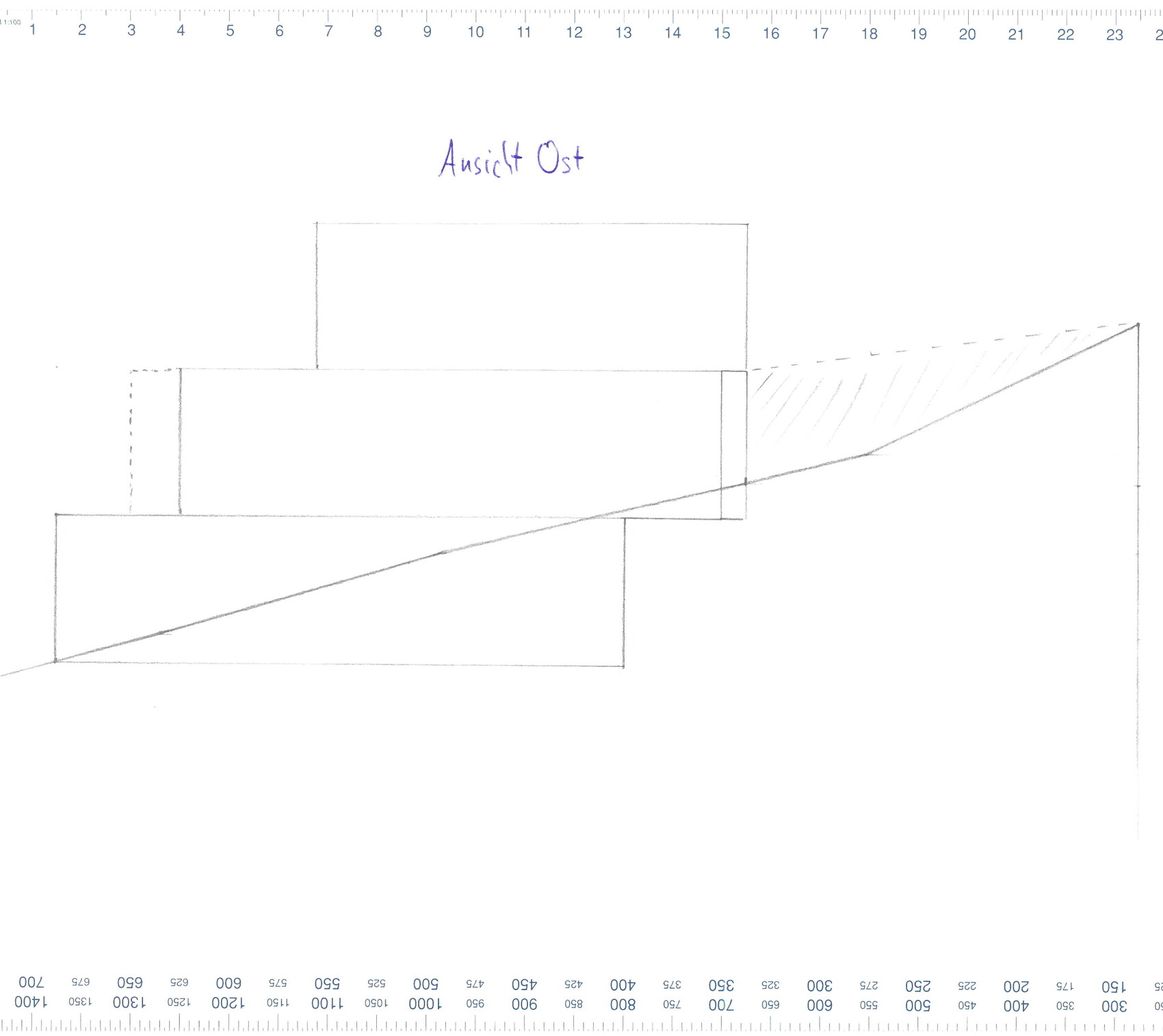
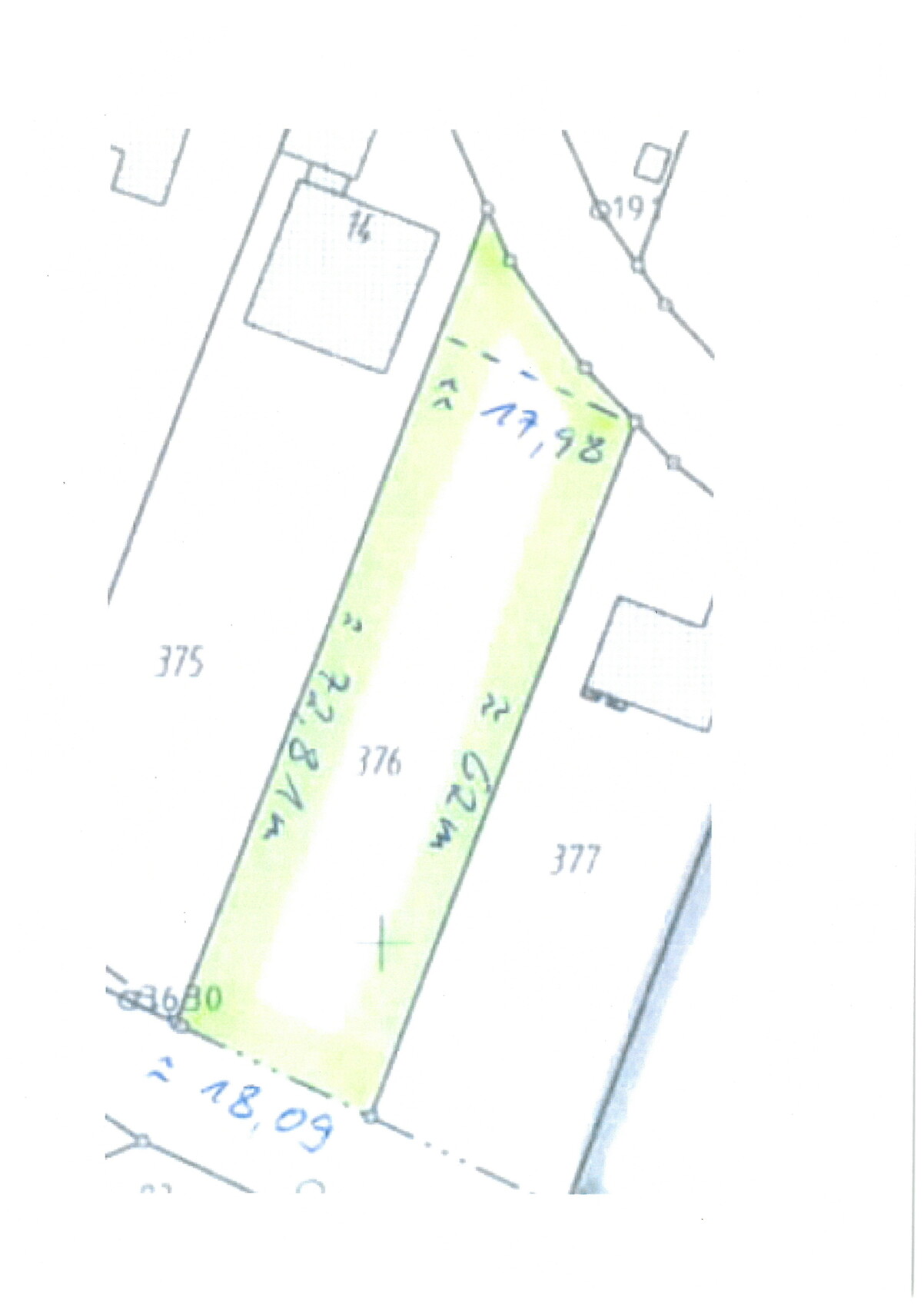
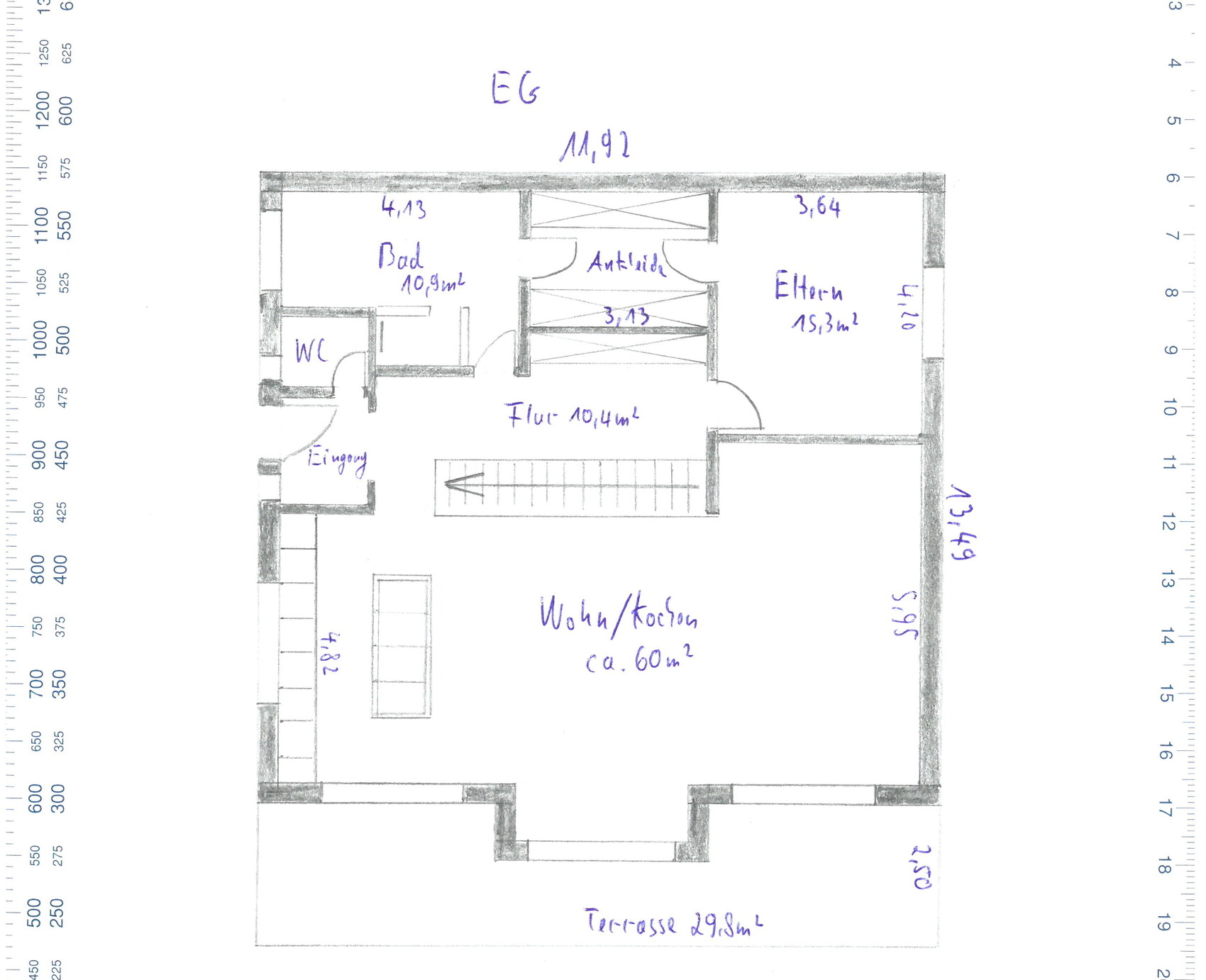
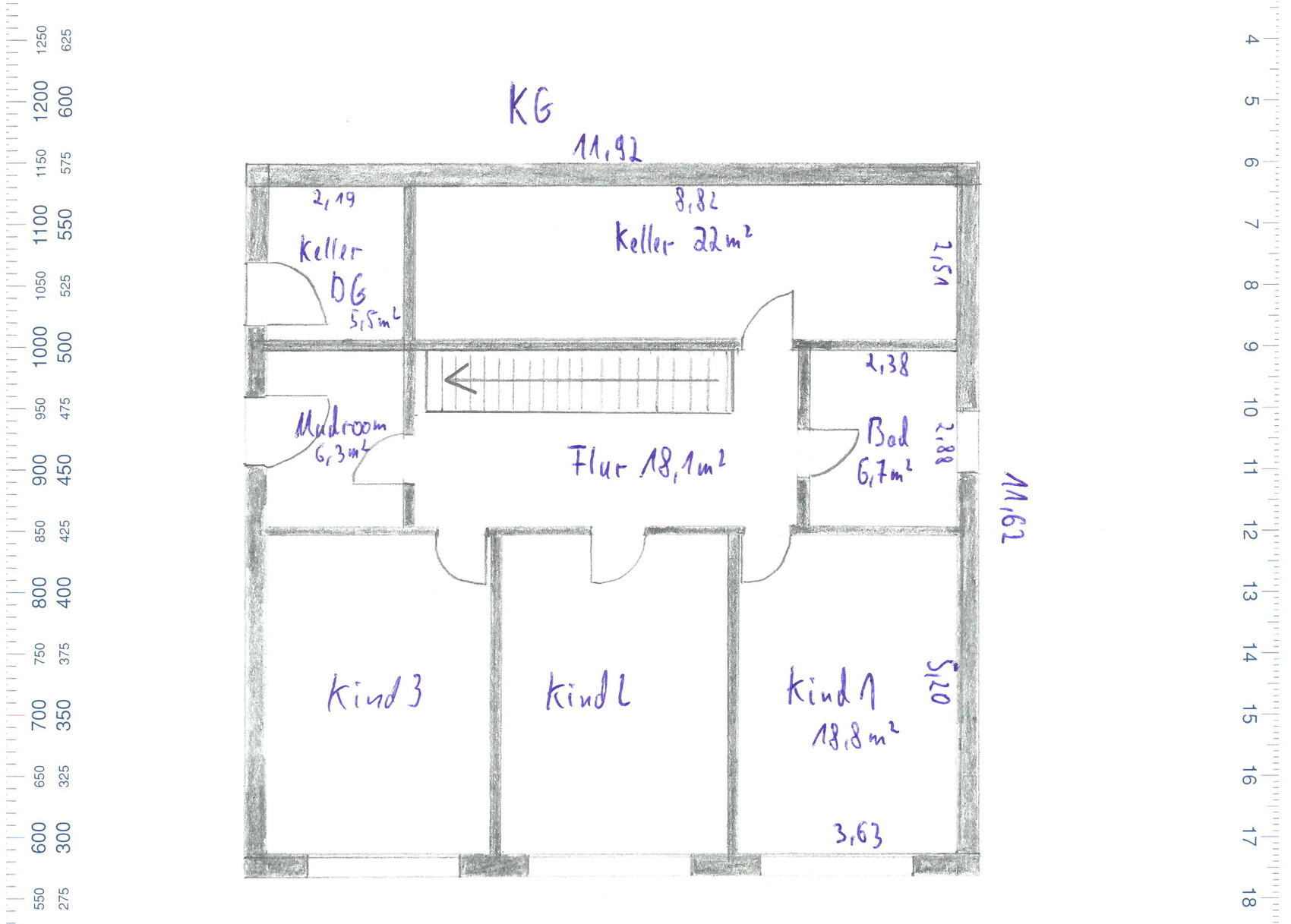
I would appreciate your feedback on the floor plans.
Development Plan / Restrictions:
· Plot size: 1,200 m² (18 m (59 inches) wide)
· Slope: south-facing hill, street to the north
· Site coverage ratio: 0.3
· Floor area ratio: 0.6
· Building envelope, building line, and boundary: see "enlarged building envelope" 12 x 14 m (39 x 46 feet)
· Edge development: garages
· Number of parking spaces: 3 required according to building authority
· Construction type: open building layout
· Building setback: 3 m (10 feet)
· Roof type: pitched roofs 15-30°, hipped roofs to be avoided, see regulations
· Orientation: ridge direction of the buildings parallel to each other
· Exterior design: see section 6 of the regulations
Homeowners’ Requirements
Preliminary: The homeowners (born 1982 male, 1988 female, and two children born 2014 female, 2016 male) want to live on two floors (basement and ground floor). A third children’s bedroom should also be included. The third floor (attic) should be accessible barrier-free.
· Style: Bauhaus (optionally exposed concrete)
· Roof design: large south-facing side (for solar panels, photovoltaics)
· Building type: two-family house
· Basement and floors: basement, ground floor, attic
· Number of occupants and ages as above: (2 + 3 in basement and ground floor, 2 + 1 in attic)
o Space requirements attic: 2 bedrooms, 1 flexible floor plan bathroom, open living/dining/kitchen area, utility room
o Space requirements ground floor: 1 master bedroom, walk-in closet, master bathroom, large open living/dining/kitchen area, wardrobe, storage room
o Space requirements basement: 3 children’s bedrooms, children’s bathroom, optional play corridor, boiler room, cellar, utility room
· Open or closed architecture: open
· Conservative or modern construction: modern
· Kitchen: open kitchen with island (at least on ground floor)
· Balcony, roof terrace: likely sensible on all three floors considering exposed concrete
· Parking spaces: carports if possible, which can later be converted into garages (initial cost saving)
· Heating/thermal technology: air-to-water heat pump (underfloor heating), optional photovoltaics
· Windows: large window areas on the south side, optionally wide, low windows above the kitchen worktop on the ground floor
· Energy efficiency: KfW 55 standard
· High sound insulation (especially for the ceiling of the attic, separate residential unit)

The additional costs are quite significant—probably around 20% of the total construction budget. We are trying to negotiate fixed prices with the trades. Of course, if you change the specifications, it will naturally become more expensive. It’s more like an upgrade.
I definitely hope that 1. progress speeds up now, and 2. no unexpected costs arise. Looking forward to new pictures.
Wishing you strength for the final stretch.
I definitely hope that 1. progress speeds up now, and 2. no unexpected costs arise. Looking forward to new pictures.
Wishing you strength for the final stretch.
S
sichtbeton827 Sep 2019 11:21Thank you! And here we go again. As I had a gut feeling, the windows are arriving a week later. We'll see if the scheduled date holds. This feeling of helplessness is just really frustrating me. Apparently, every construction project goes through this phase. Right now, I get a knot in my stomach whenever I even think about the construction site.
Now the two biggest tyrants show themselves again: time and money.
Now the two biggest tyrants show themselves again: time and money.
S
sichtbeton829 Sep 2019 09:12It is already somewhat more than 20%. If I had thought from the beginning that it would reach seven figures, we probably would never have started (been able to start).
Fixed-price contracts are one option. Although usually, someone ends up bearing the brunt. Often there is an uneasy feeling of risk being priced in. Unless you work with a fixed-price quote based on unit prices. Then the risk margin would be more clearly identifiable. However, a fixed price for the shell construction would not have been very useful in hindsight, as changes occurred, for example due to structural engineering requirements. A ground condition risk cannot be ruled out either. For the follow-up trades, it certainly makes sense to apply a fixed price based on unit prices to better secure the budget.
Fixed-price contracts are one option. Although usually, someone ends up bearing the brunt. Often there is an uneasy feeling of risk being priced in. Unless you work with a fixed-price quote based on unit prices. Then the risk margin would be more clearly identifiable. However, a fixed price for the shell construction would not have been very useful in hindsight, as changes occurred, for example due to structural engineering requirements. A ground condition risk cannot be ruled out either. For the follow-up trades, it certainly makes sense to apply a fixed price based on unit prices to better secure the budget.