
Hello, during our new build in 2017, I only just noticed in the photos that the insulation boards in the floor structure were not bonded (sealed) together. The edge insulation strip was also not sealed to the insulation boards. The underfloor heating pipes were seemingly “stapled” directly in place, and then the liquid screed was poured.
Now we possibly have hidden mold within the floor construction.
Who is responsible for inspections and any further necessary actions?
Thank you
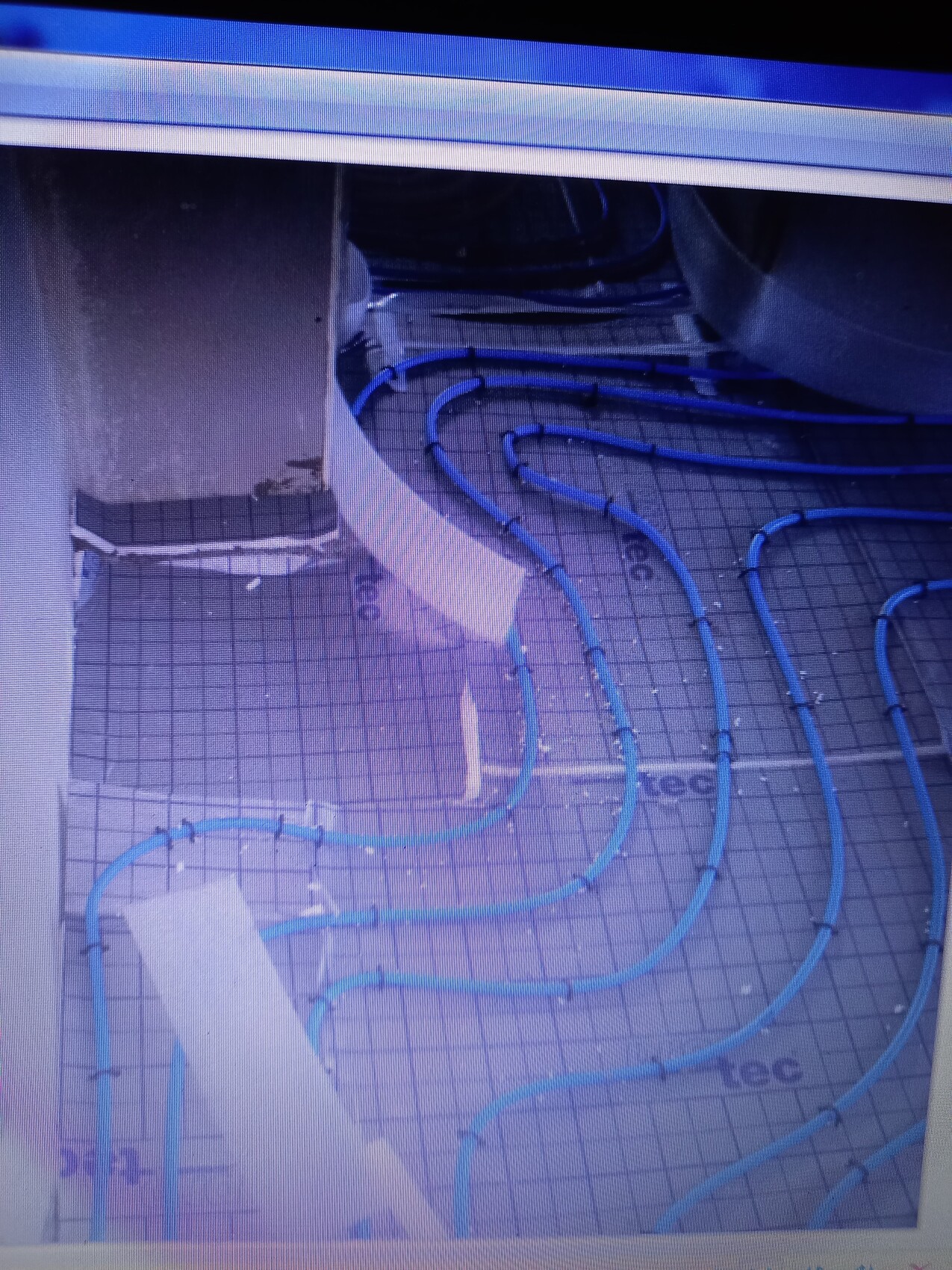
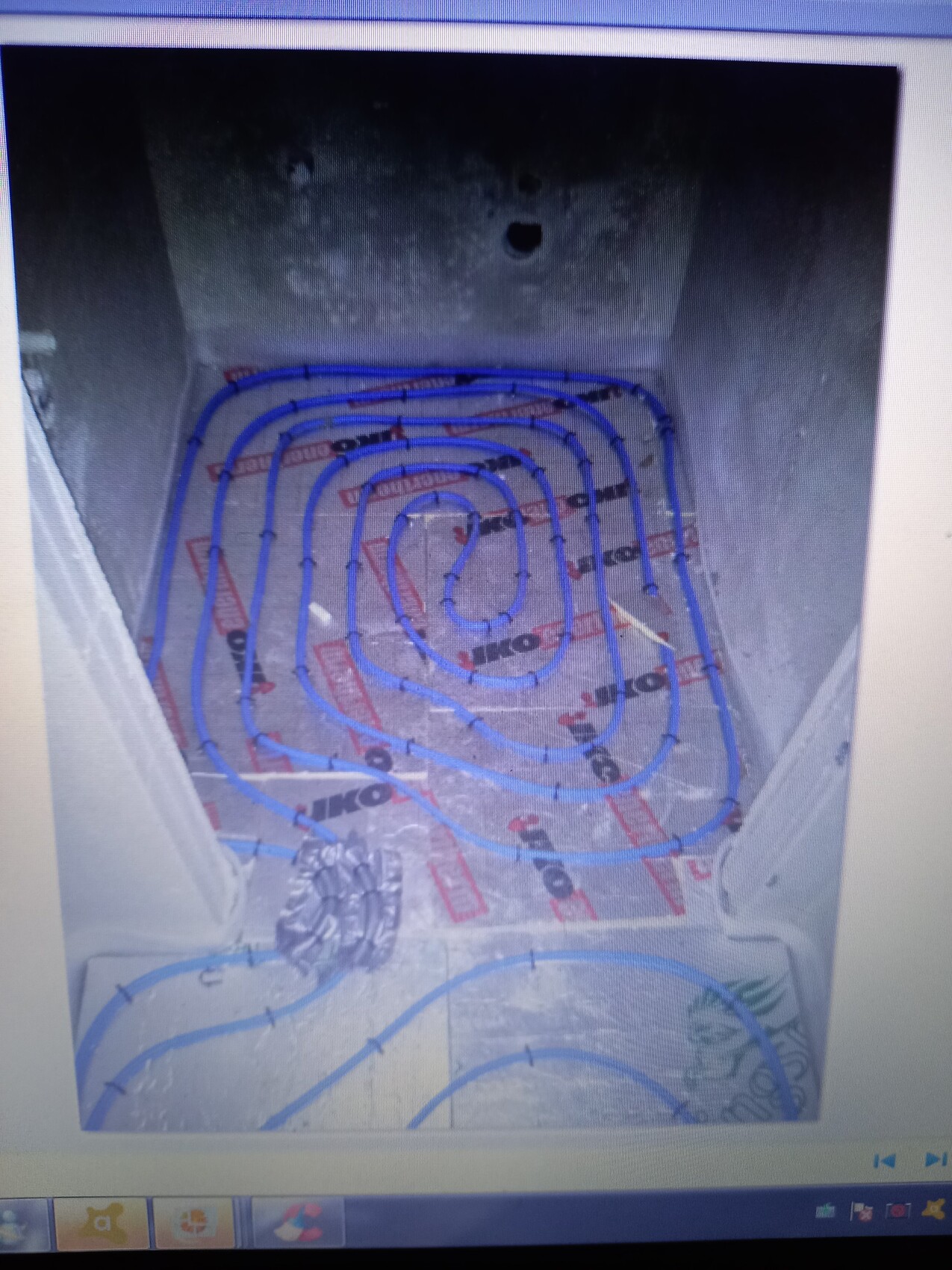
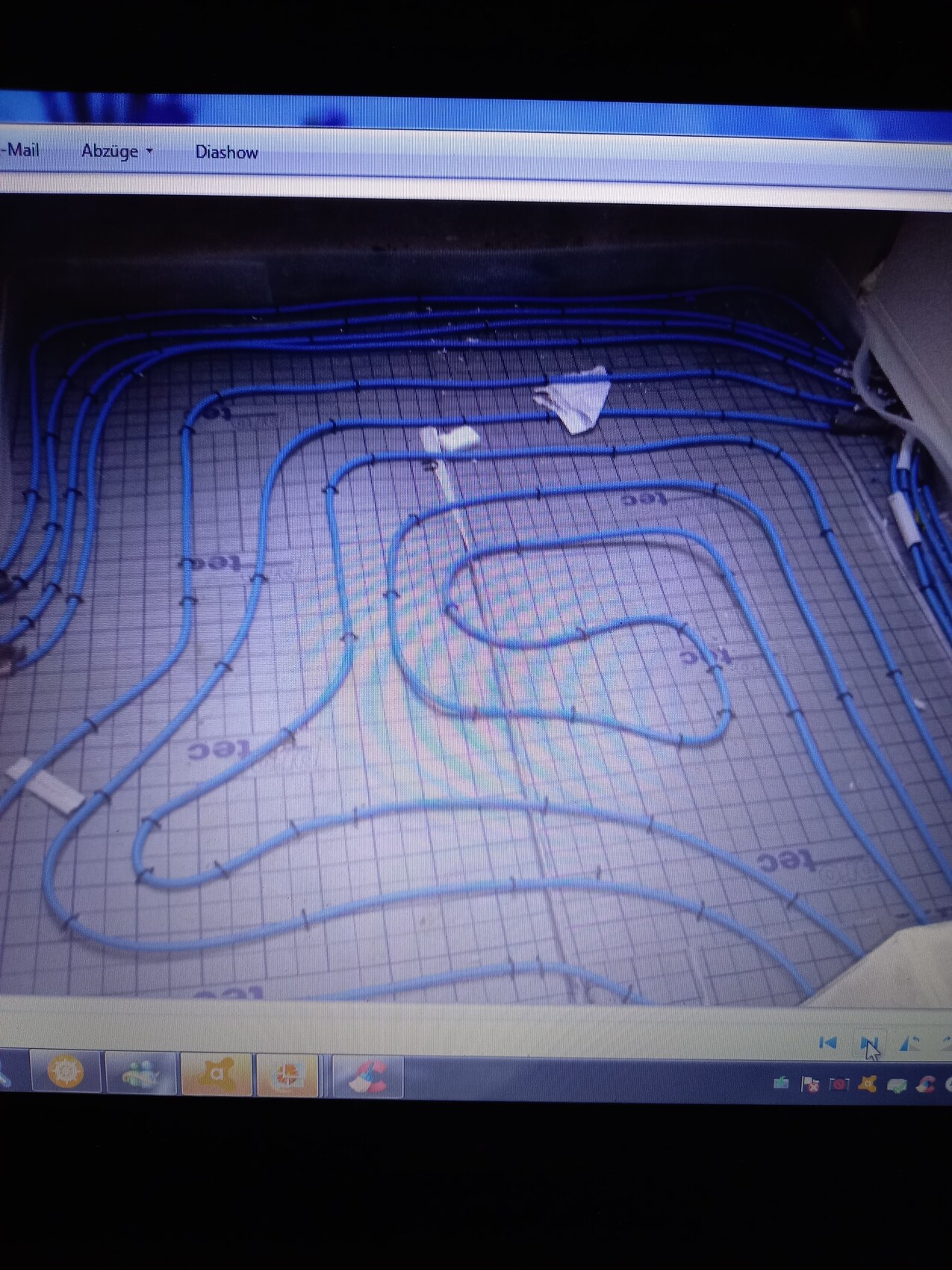
Now we possibly have hidden mold within the floor construction.
Who is responsible for inspections and any further necessary actions?
Thank you
Wow, I haven’t seen something like this very often. It looks like it was really just "slapped together." As you mentioned, there are no overlaps of the membranes, no pipe sleeves at the doors, and the underfloor heating was installed wide and sloppily.
You can only imagine what other issues might still be hidden there 🙁
You can only imagine what other issues might still be hidden there 🙁

If liquid screed is used, the tack boards must be glued together as well as to the edge insulation strip. This can be done with appropriate adhesive tapes. So yes, in this case, the work was poorly done if it really was not done. However, the presence of silverfish and similar insects is not necessarily due to this.
Interestingly, the carrier for the underfloor heating – the part you showed without adhesive – is actually self-adhesive. When you overlap the edges of the carrier and peel off the adhesive strip, the parts stick together. We installed the waterproof membrane, insulation, and carrier ourselves, so we know this firsthand.
Mycraft schrieb:
If liquid screed is to be used, the insulation boards must be glued together as well as to the perimeter insulation strip. This can be done using appropriate adhesive tapes. So yes, in this case, the work was done poorly if it really wasn’t done. However, the silverfish and similar issues are not necessarily caused by this.And what about regular earth-moist screed?