
ᐅ Insulation installed between the attic rafters, but the roof itself is not insulated.
Created on: 15 Dec 2019 14:03
B
bloodyscorpionB
bloodyscorpion15 Dec 2019 14:03Hello dear forum members,
We have purchased a house built in 1966 (solid construction). Unfortunately, the roof is not insulated. The windows are about 4 years old.
The roof measures 13.75 m (45 feet) in length and 7.385 m (24 feet) in width. The roof tiles are only 15 years old and still look good.
In the roof attic is the "stage". The converted attic with two dormers contains the bedrooms and a bathroom.
So far, only the floor between the attic and the converted attic is insulated.
Now the question arises: Is it worth insulating here, and if so, from the inside (between the rafters) or from the outside?
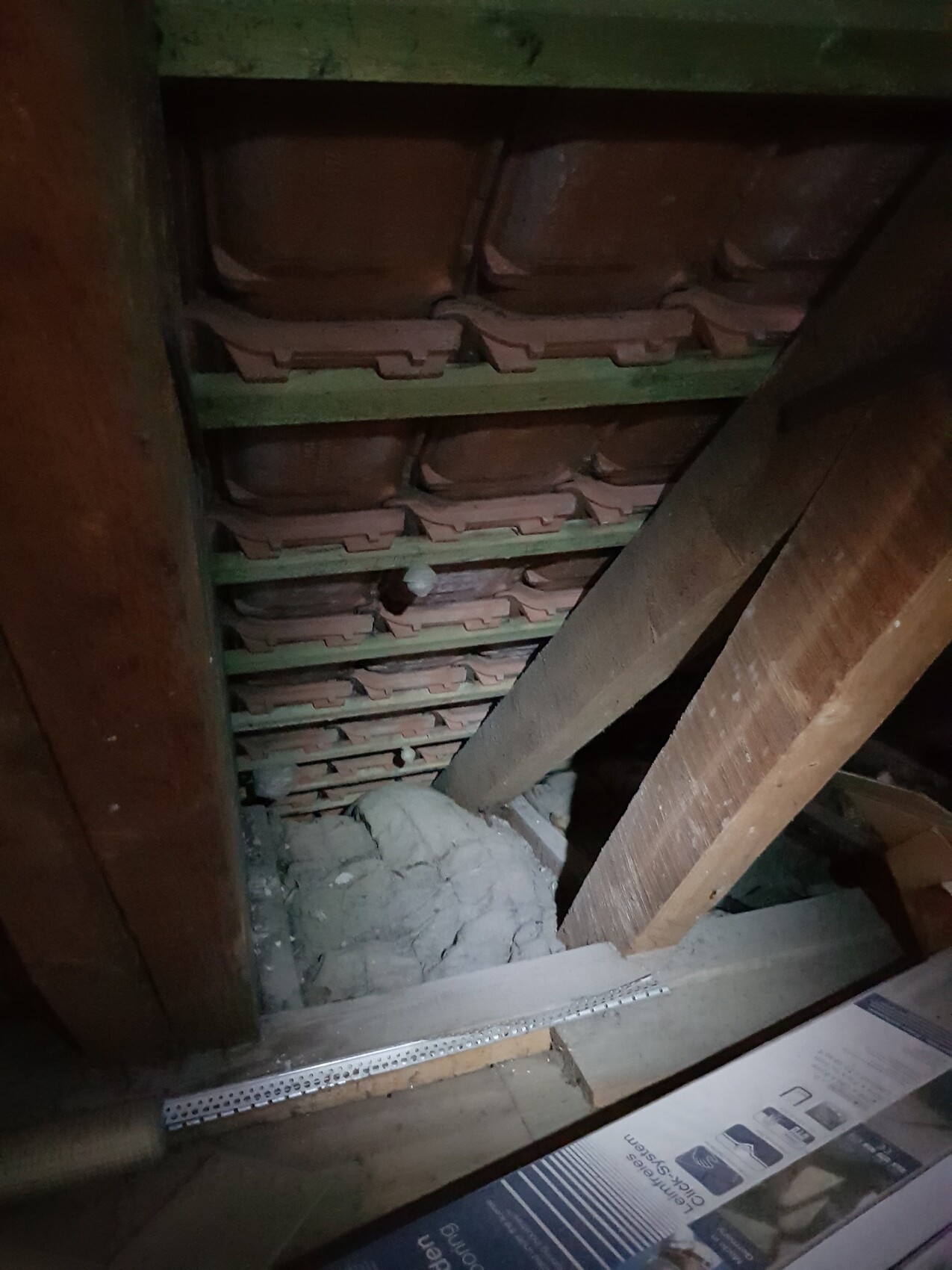
There is no membrane installed in the roof, and the dormers are also not insulated. We have a budget of about 20,000 € available.
Or would it be better to invest the money in a photovoltaic system including a battery? The house is heated with night storage heaters and a large tiled stove.
Attached are a few pictures of the roof.
I look forward to your opinions and advice.
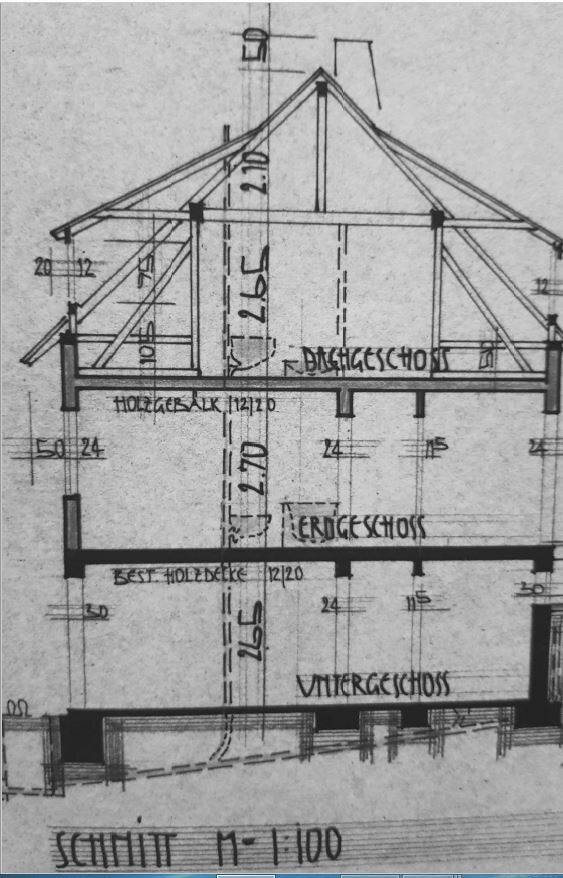
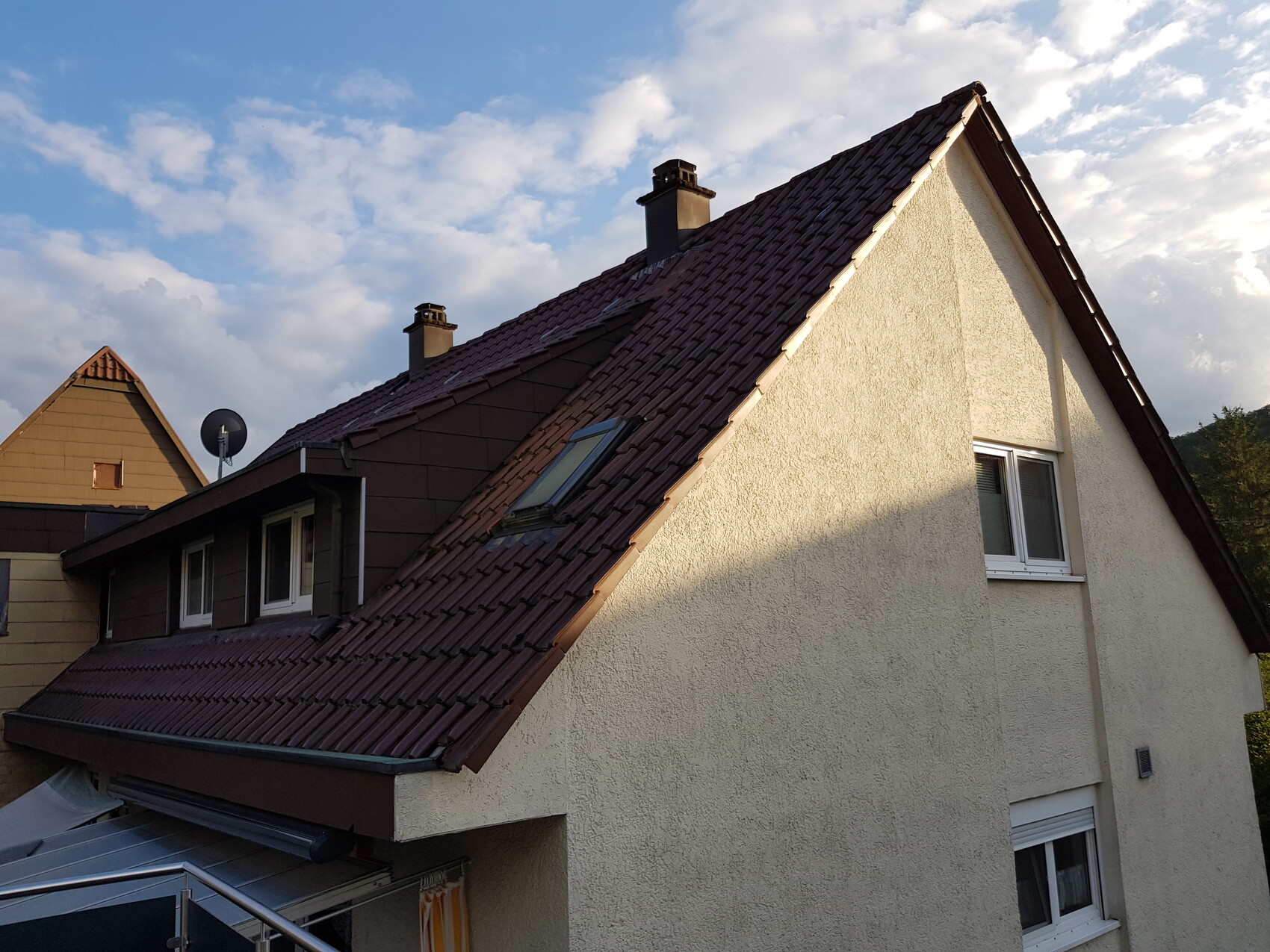
We have purchased a house built in 1966 (solid construction). Unfortunately, the roof is not insulated. The windows are about 4 years old.
The roof measures 13.75 m (45 feet) in length and 7.385 m (24 feet) in width. The roof tiles are only 15 years old and still look good.
In the roof attic is the "stage". The converted attic with two dormers contains the bedrooms and a bathroom.
So far, only the floor between the attic and the converted attic is insulated.
Now the question arises: Is it worth insulating here, and if so, from the inside (between the rafters) or from the outside?
There is no membrane installed in the roof, and the dormers are also not insulated. We have a budget of about 20,000 € available.
Or would it be better to invest the money in a photovoltaic system including a battery? The house is heated with night storage heaters and a large tiled stove.
Attached are a few pictures of the roof.
I look forward to your opinions and advice.

Insulating a roof without an underlay membrane is always problematic, as the insulation is not protected from water ingress. You could try stapling an underlay membrane in strips between the rafters, or use insulation wool with a fleece coating. In any case, it is important to leave a few centimeters of space between the roof tiles and the insulation to allow air circulation. On the inside, use a vapor barrier to prevent adding more moisture to the structure.
Insulation is definitely worth it, as it is relatively affordable and can even be done as a DIY project. It will probably still leave enough capacity for a photovoltaic system. However, if you have storage heaters, I would recommend skipping the additional thermal storage.
Insulation is definitely worth it, as it is relatively affordable and can even be done as a DIY project. It will probably still leave enough capacity for a photovoltaic system. However, if you have storage heaters, I would recommend skipping the additional thermal storage.
First of all, if the attic space remains empty and unused or only stores tile leftovers or similar items, it is easier to insulate just the ceiling below. However, if you also want to insulate the roof, use one-sided foil-faced glass wool batts as friction-fit insulation, not a vapor barrier, but a climate membrane—a composite foil that closes in cold conditions but opens slightly in warm weather, allowing moisture to escape from the glass wool. These membranes are a bit more expensive, but whether you use 970 or 1089 there ultimately doesn’t make much difference. What’s important is to ensure the membrane is fully and tightly sealed. For this, use adhesive suitable for sealing connections at walls, ceilings, and floors, and overlap the seams with Sigakrall tape, which sticks exceptionally well. To support the membrane sheets, use boards that you screw onto the rafters, securing and bracing the membrane in place. With two people, all of this can be done over a weekend, assuming the materials are on site.
To avoid misunderstandings: In my post, I am referring to insulating the roof and the dormers in the area of the occupied attic, not the part used as the crawl space. As long as this area is not heated, the existing ceiling insulation is sufficient... but it should also be checked once for the presence of a vapor retarder.
B
bloodyscorpion16 Dec 2019 18:55Thank you for your contribution! Would you insulate the attic from the inside or the outside? What thickness would you recommend?
Similar topics