
ᐅ First Floor Plan for a Single-Family House – Your Ideas Including the Plot
Created on: 11 Jan 2019 21:48
M
MRN2018
Hello everyone,
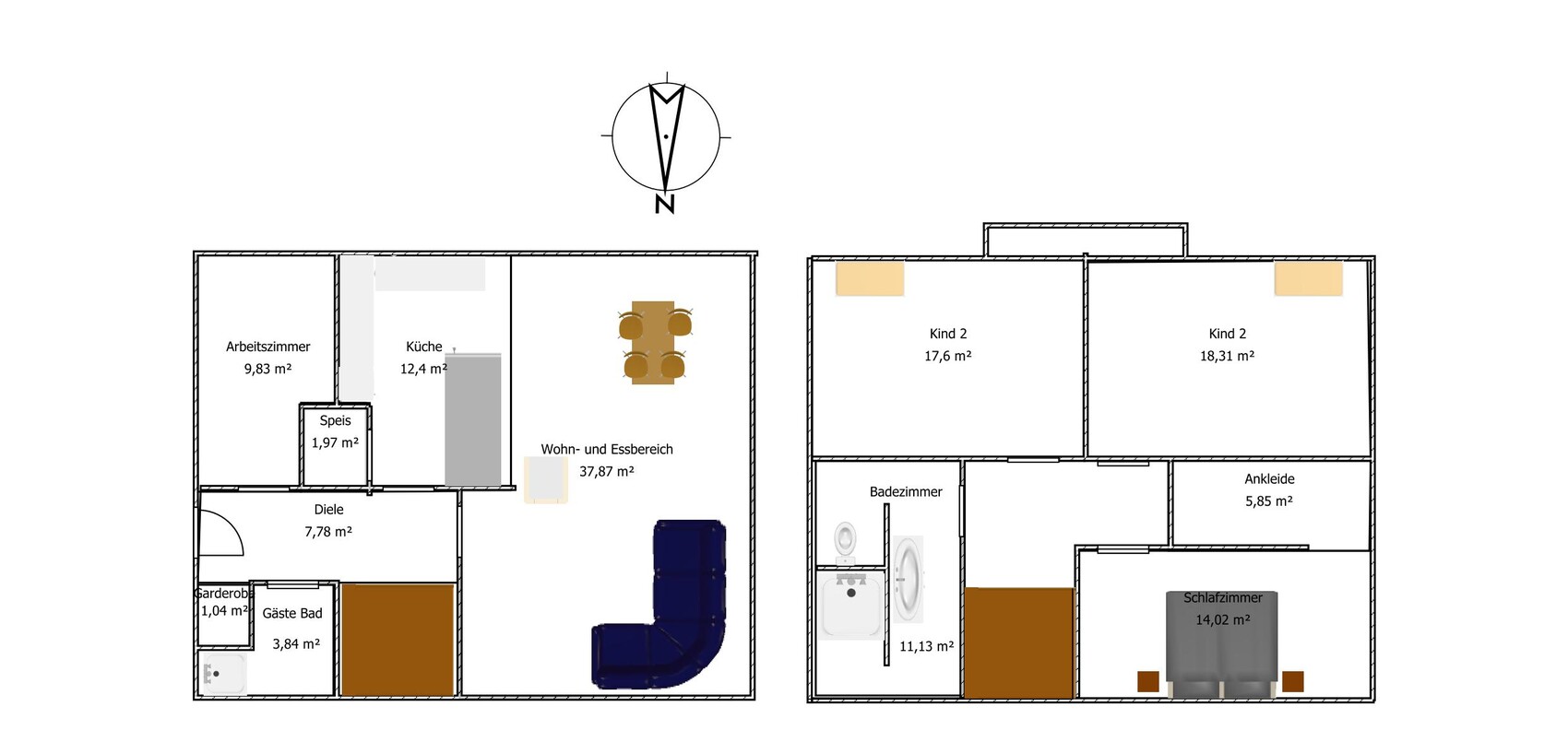
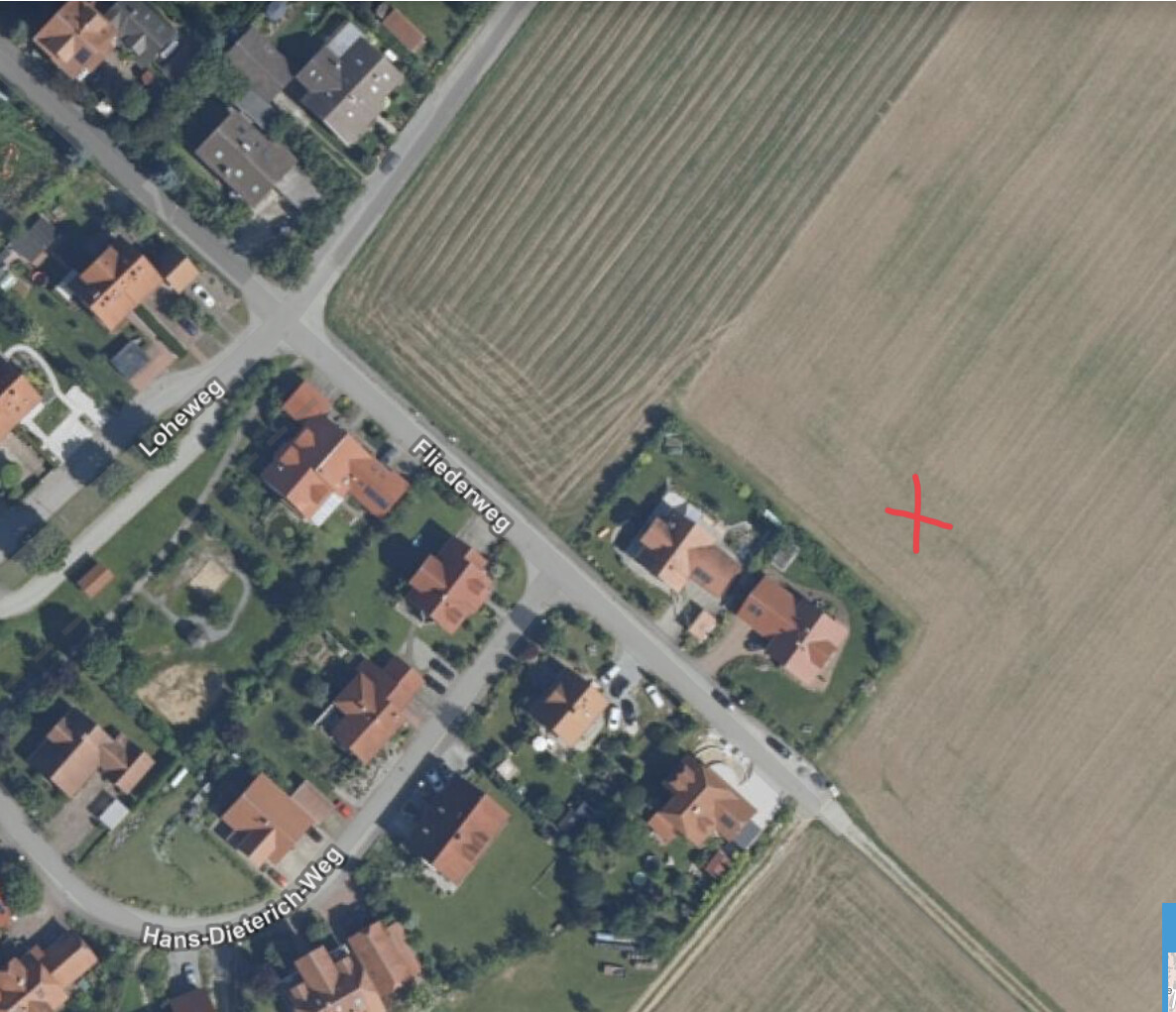
We are still quite early in the process and hope to summarize everything important for you. We are looking forward to your ideas, especially regarding the best way to position the house including a garage or carport (currently undecided due to cost) on the plot to minimize the space needed for driveway and yard. The house can be freely placed on the property, respecting the standard 3-meter (10 ft) setback. We have already visited a few general contractors and received one proposal so far. We weren’t quite satisfied with it and have made some adjustments ourselves. We have attached a rough sketch of our idea for you. Windows have not yet been considered. So far, the suggestions from the contractors have been limited, especially regarding the basic placement. We would like to enter further discussions with more precise floor plan ideas and hope for some input from you.
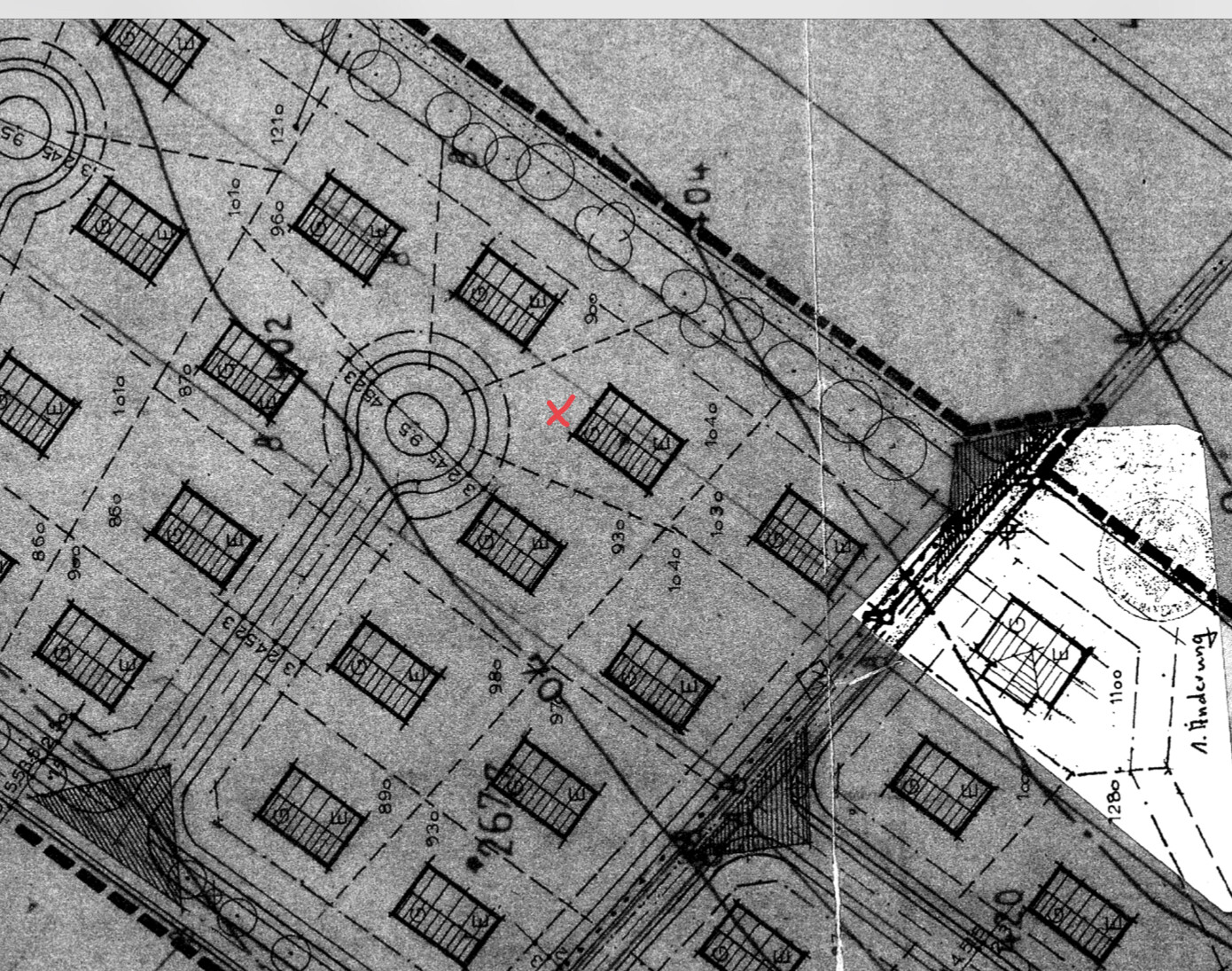
Development plan/restrictions
Plot size: 1040 sqm (11,200 sq ft)
Slope: 3 meters (10 ft) rise across the entire plot
Site coverage ratio: 0.4
Floor area ratio: 0.5
Building envelope, building line, and boundaries:
Edge development: garage or carport
Number of parking spaces: 2
Number of floors: 1.5
Roof style: gable roof
Architectural style: modern
Orientation
Maximum height/limits
Other requirements
Homeowners’ requirements
Style, roof shape, building type: gable roof
Basement, floors: with basement and 1.5 - 2 floors (depending on what makes sense)
Number of occupants, ages: 2 adults, 1 baby
Space requirements:
Ground floor: living-dining area, kitchen with pantry, study, guest bathroom, storage under stairs
Upper floor: 2 children’s rooms, bathroom, master bedroom with walk-in closet
Office: family use or home office? Home office
Guest overnight stays per year: not relevant
Open or closed layout: rather open
Traditional or modern construction: modern
Open kitchen, cooking island: cooking island
Number of dining seats: 6
Fireplace: yes
Music/sound system wall: no
Balcony, roof terrace: no
Garage, carport: preference for a double garage with storage room—ideally with direct access to the house. However, due to the shape of the land, this might be difficult. For cost reasons, a carport with adjoining storage room is also conceivable.
Utility garden, greenhouse: both
Other wishes/particulars/daily routine, with explanations for preferences: fireplace as a "divider" between dining and living areas
House design
Origin of the plan: our own and the general contractor’s
What do you like most? Why?
Ground floor: kitchen area is not visible from the living room, separation of living/dining areas by fireplace, relatively spacious living room, guest bathroom shower not directly visible from the door, bright study room, stairway is a half-landing design and not immediately next to the front door.
Upper floor: equally sized children’s rooms, T-shaped bathroom layout, walk-in closet not directly visible from the bedroom door.
What do you dislike? Why?
The hallway is uninspired, and when room doors are open, one can look directly from the front door into the living room. Overall, the floor plan still feels incomplete.
Price estimate according to architect/planner: –
Personal budget limit for the house, including fittings: 350,000
Preferred heating system: air source heat pump
If you have to compromise on details/extra features
- What you can give up:
* Basement (but then a suitable technical room would need to be included on the ground floor. The idea here is to simply attach the garage directly and locate the technical room—including a windbreak area—between the garage and house.)
* Double garage replaced by carport (each with storage room)
- What you cannot give up:
So, we hope we have covered everything and are very excited to hear your thoughts.
Best regards from the Rhön
We are still quite early in the process and hope to summarize everything important for you. We are looking forward to your ideas, especially regarding the best way to position the house including a garage or carport (currently undecided due to cost) on the plot to minimize the space needed for driveway and yard. The house can be freely placed on the property, respecting the standard 3-meter (10 ft) setback. We have already visited a few general contractors and received one proposal so far. We weren’t quite satisfied with it and have made some adjustments ourselves. We have attached a rough sketch of our idea for you. Windows have not yet been considered. So far, the suggestions from the contractors have been limited, especially regarding the basic placement. We would like to enter further discussions with more precise floor plan ideas and hope for some input from you.
Development plan/restrictions
Plot size: 1040 sqm (11,200 sq ft)
Slope: 3 meters (10 ft) rise across the entire plot
Site coverage ratio: 0.4
Floor area ratio: 0.5
Building envelope, building line, and boundaries:
Edge development: garage or carport
Number of parking spaces: 2
Number of floors: 1.5
Roof style: gable roof
Architectural style: modern
Orientation
Maximum height/limits
Other requirements
Homeowners’ requirements
Style, roof shape, building type: gable roof
Basement, floors: with basement and 1.5 - 2 floors (depending on what makes sense)
Number of occupants, ages: 2 adults, 1 baby
Space requirements:
Ground floor: living-dining area, kitchen with pantry, study, guest bathroom, storage under stairs
Upper floor: 2 children’s rooms, bathroom, master bedroom with walk-in closet
Office: family use or home office? Home office
Guest overnight stays per year: not relevant
Open or closed layout: rather open
Traditional or modern construction: modern
Open kitchen, cooking island: cooking island
Number of dining seats: 6
Fireplace: yes
Music/sound system wall: no
Balcony, roof terrace: no
Garage, carport: preference for a double garage with storage room—ideally with direct access to the house. However, due to the shape of the land, this might be difficult. For cost reasons, a carport with adjoining storage room is also conceivable.
Utility garden, greenhouse: both
Other wishes/particulars/daily routine, with explanations for preferences: fireplace as a "divider" between dining and living areas
House design
Origin of the plan: our own and the general contractor’s
What do you like most? Why?
Ground floor: kitchen area is not visible from the living room, separation of living/dining areas by fireplace, relatively spacious living room, guest bathroom shower not directly visible from the door, bright study room, stairway is a half-landing design and not immediately next to the front door.
Upper floor: equally sized children’s rooms, T-shaped bathroom layout, walk-in closet not directly visible from the bedroom door.
What do you dislike? Why?
The hallway is uninspired, and when room doors are open, one can look directly from the front door into the living room. Overall, the floor plan still feels incomplete.
Price estimate according to architect/planner: –
Personal budget limit for the house, including fittings: 350,000
Preferred heating system: air source heat pump
If you have to compromise on details/extra features
- What you can give up:
* Basement (but then a suitable technical room would need to be included on the ground floor. The idea here is to simply attach the garage directly and locate the technical room—including a windbreak area—between the garage and house.)
* Double garage replaced by carport (each with storage room)
- What you cannot give up:
So, we hope we have covered everything and are very excited to hear your thoughts.
Best regards from the Rhön
Escroda schrieb:
But the existing information could be refined and supplemented (e.g., textual regulations of the development plan) to avoid confusion with left, right, top, bottom, south, facing the street, etc.
My extract is based on your development plan excerpt. With the indicated property boundary and the specified dimensions, I am missing about 100m² (1,076 sq ft) compared to the claimed plot area. Either the scale is incorrect, or the planned property boundaries are off. If the parcel has already been subdivided, you probably have a section from the cadastral map. Please share that or correct my plan so the creative members here can make suggestions for positioning and orientation.
The elevations at the plot corners are interpolated from the contour lines of the development plan and assume a consistent slope.
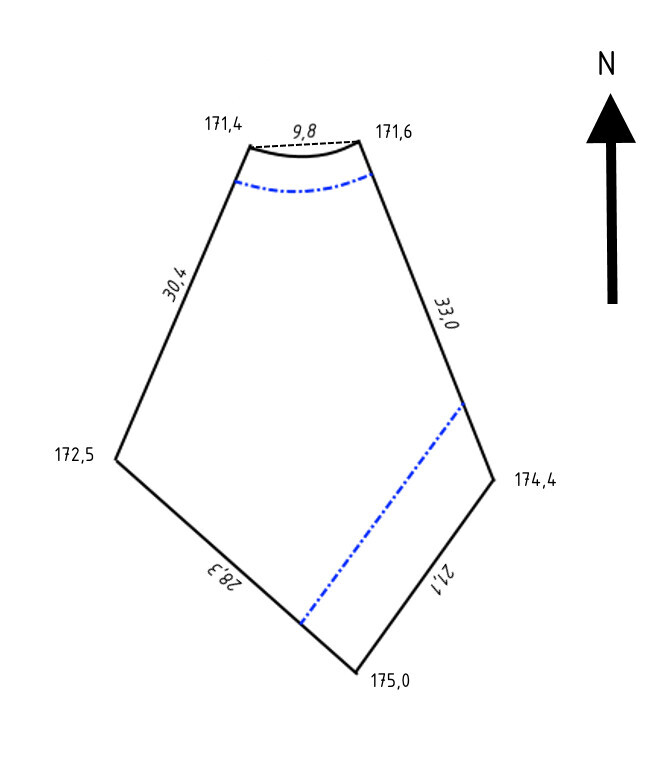
Unfortunately, the parcel has not yet been subdivided.
However, I still have an image with the approximate dimensions.
Thank you!
Well, these measurements don’t differ that much from mine. Where do they come from? It looks like someone roughly took measurements from the development plan using a tape measure. The main difference is that your plot includes the 2m (6.5 feet) buffer zone, but that doesn’t even add up to 100m² (1,080 square feet). Anyway, the final adjustments will have to be made by your planner.
The fundamental issue with the plot is quite clear: the closer the house is to the street, the narrower it must be. Conversely, the wider the house, the further south it has to be positioned, leaving less usable garden space—which is acceptable with a 1040m² (11,200 square feet) plot on the edge of town, but I would reverse the aspect ratio of your design.
Since the development plan wasn’t exactly prepared according to standard planning drawing regulations, I wonder what the lines of the 2m (6.5 feet) buffer zone are supposed to represent. I would have thought the outer circle equals the building line (street boundary line), and the inner circle equals the curb. If your plot reaches up to the smaller circle, that would have to be the building line. But then what does the outer circle mean?
Are there height restrictions in the development plan (eaves height, ridge height, building height, base height, kneewall height)?
Are there any limitations on roof shape and/or pitch and/or roof structures (dormer, cross gable)?
That cannot be stated like this in the development plan, as planning law does not recognize half floors. How many floors does the development plan specify?
When did the development plan become legally binding?
Are the building footprints indicated in the development plan intended to specify a ridge direction?
The fundamental issue with the plot is quite clear: the closer the house is to the street, the narrower it must be. Conversely, the wider the house, the further south it has to be positioned, leaving less usable garden space—which is acceptable with a 1040m² (11,200 square feet) plot on the edge of town, but I would reverse the aspect ratio of your design.
Since the development plan wasn’t exactly prepared according to standard planning drawing regulations, I wonder what the lines of the 2m (6.5 feet) buffer zone are supposed to represent. I would have thought the outer circle equals the building line (street boundary line), and the inner circle equals the curb. If your plot reaches up to the smaller circle, that would have to be the building line. But then what does the outer circle mean?
Are there height restrictions in the development plan (eaves height, ridge height, building height, base height, kneewall height)?
Are there any limitations on roof shape and/or pitch and/or roof structures (dormer, cross gable)?
MRN2018 schrieb:
Number of floors: 1.5
That cannot be stated like this in the development plan, as planning law does not recognize half floors. How many floors does the development plan specify?
When did the development plan become legally binding?
Are the building footprints indicated in the development plan intended to specify a ridge direction?
Thank you very much for all the constructive responses!
I will try to address all the comments together to keep the overview clear.
Regarding the budget:
In hindsight, it was probably a mistake to mention a budget of 350,000 here. Initially, it was more of a “desired budget” with the goal of having the financing paid off in 20 years.
A house with a basement and garage is the maximum version.
We mentioned the budget to emphasize that for us, the budget plays a bigger role than ultimately having a house in this full form. That means we are willing, for example, to substitute the basement with additional living space or replace the garage with a carport that includes an attached storage room (for bicycles, etc.).
Still, I believe Lower Franconia is not comparable to southern Bavaria.
Especially when building with solid construction and using local contractors, the price level should differ significantly here (even though it is generally high).
It is clear that a basement is very expensive and can be ruled out right away if we decide on a prefab house. However, in the case of solid construction, I think the situation is different and might make sense (a smaller living area plus a basement probably isn’t much more expensive than simply increasing the main floor living area).
-> Budget summary:
Please put the budget aside for now — there is still some flexibility. The main idea is to plan the house as efficiently as possible while considering costs.
Regarding the bathtub:
Among our entire family, ages range from 6 months to 89 years.
Those under 70 don’t take baths, and those over 80 no longer get into the bathtub. As a child, I was mostly showered rather than bathed, and our 6-month-old has also been showering for some time now — although not alone.
-> Bathtub summary:
Everyone has at least one bathtub, but nobody actually uses it for bathing. It mostly serves as a clothes rack and dust collector. Of course, there are many people who enjoy bathing and won’t give it up (then it makes sense). However, we are not among them and prefer to relax occasionally by going to a spa or thermal bath.
So, still a no.
Regarding the floor plan:
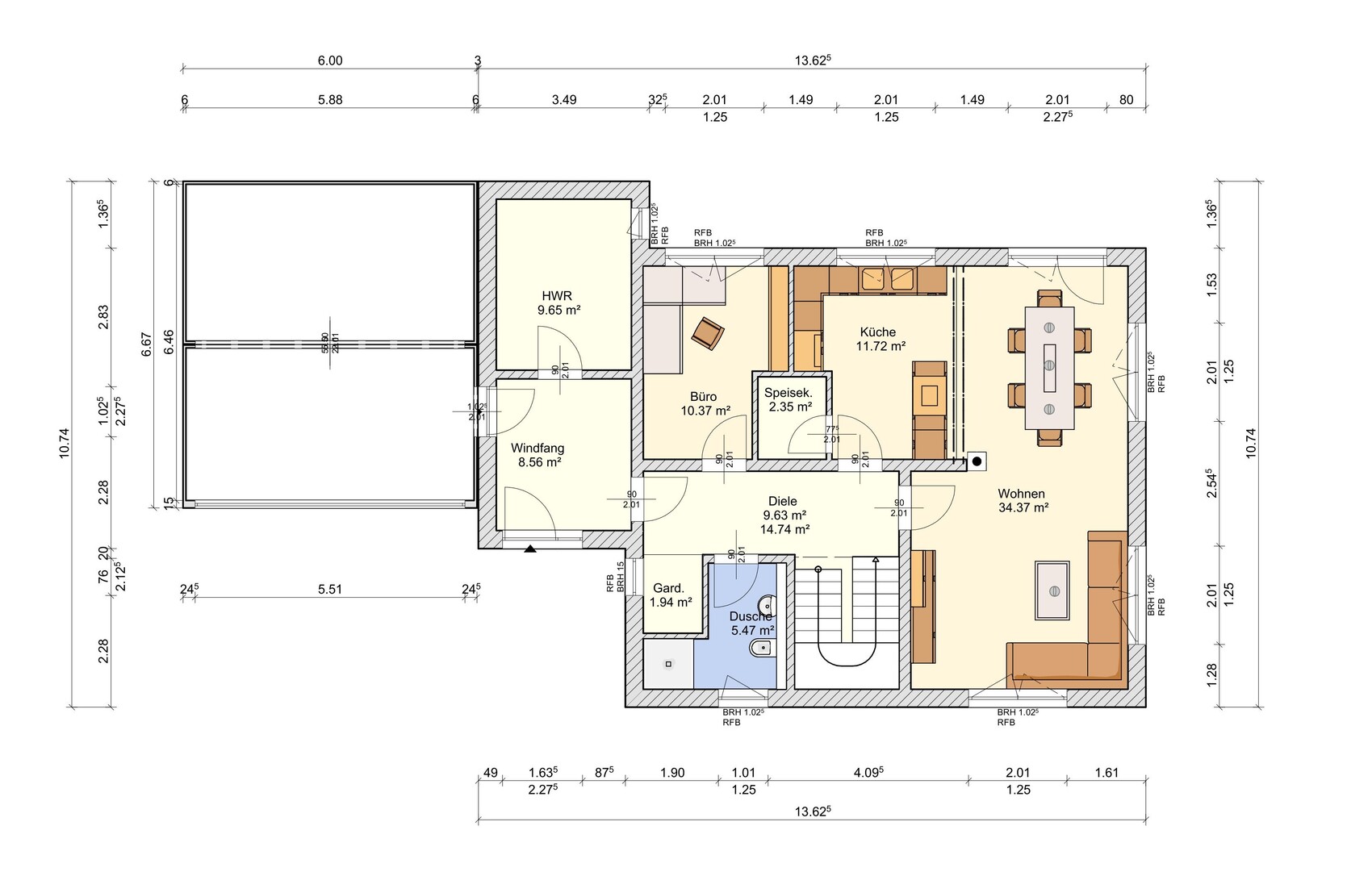
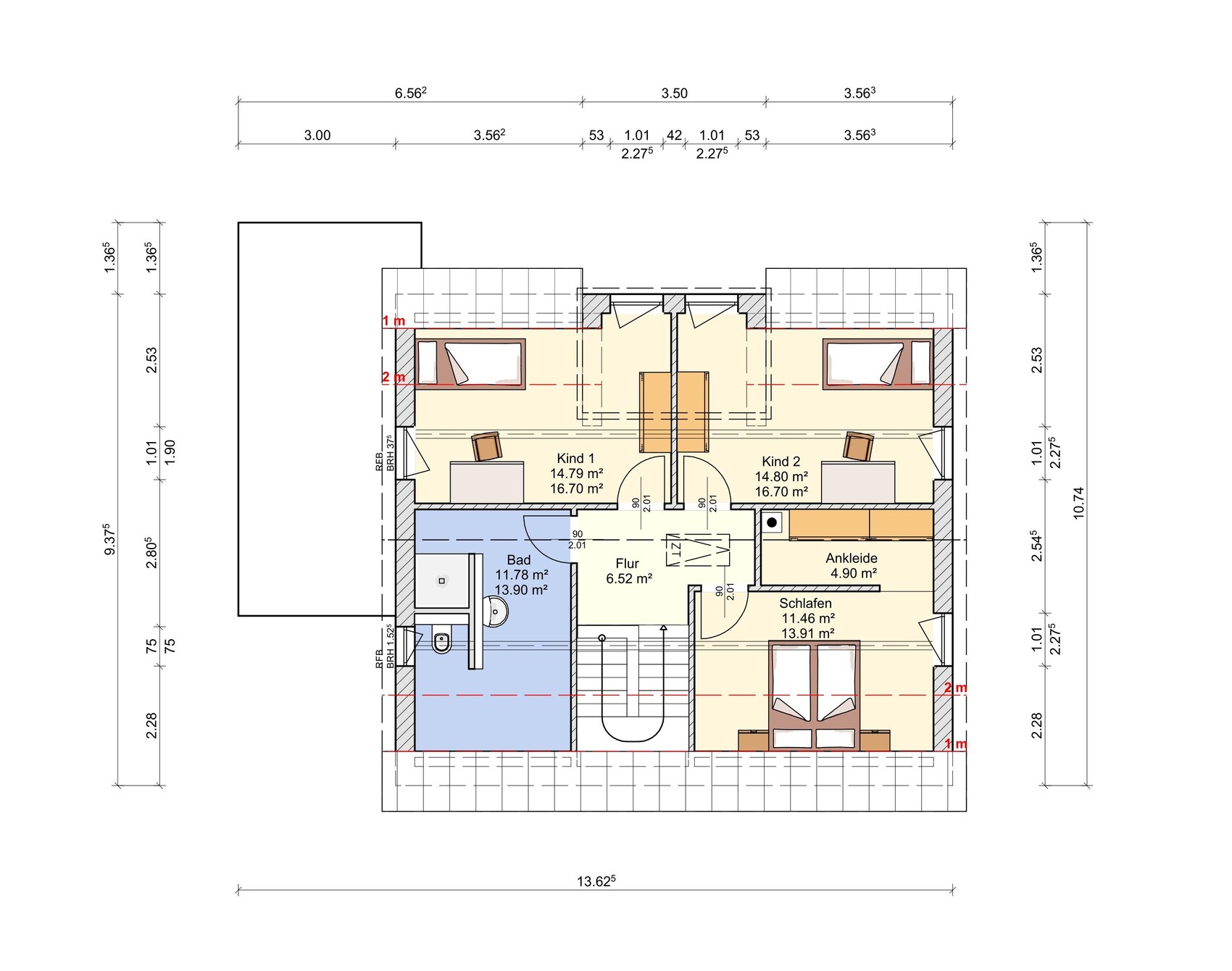
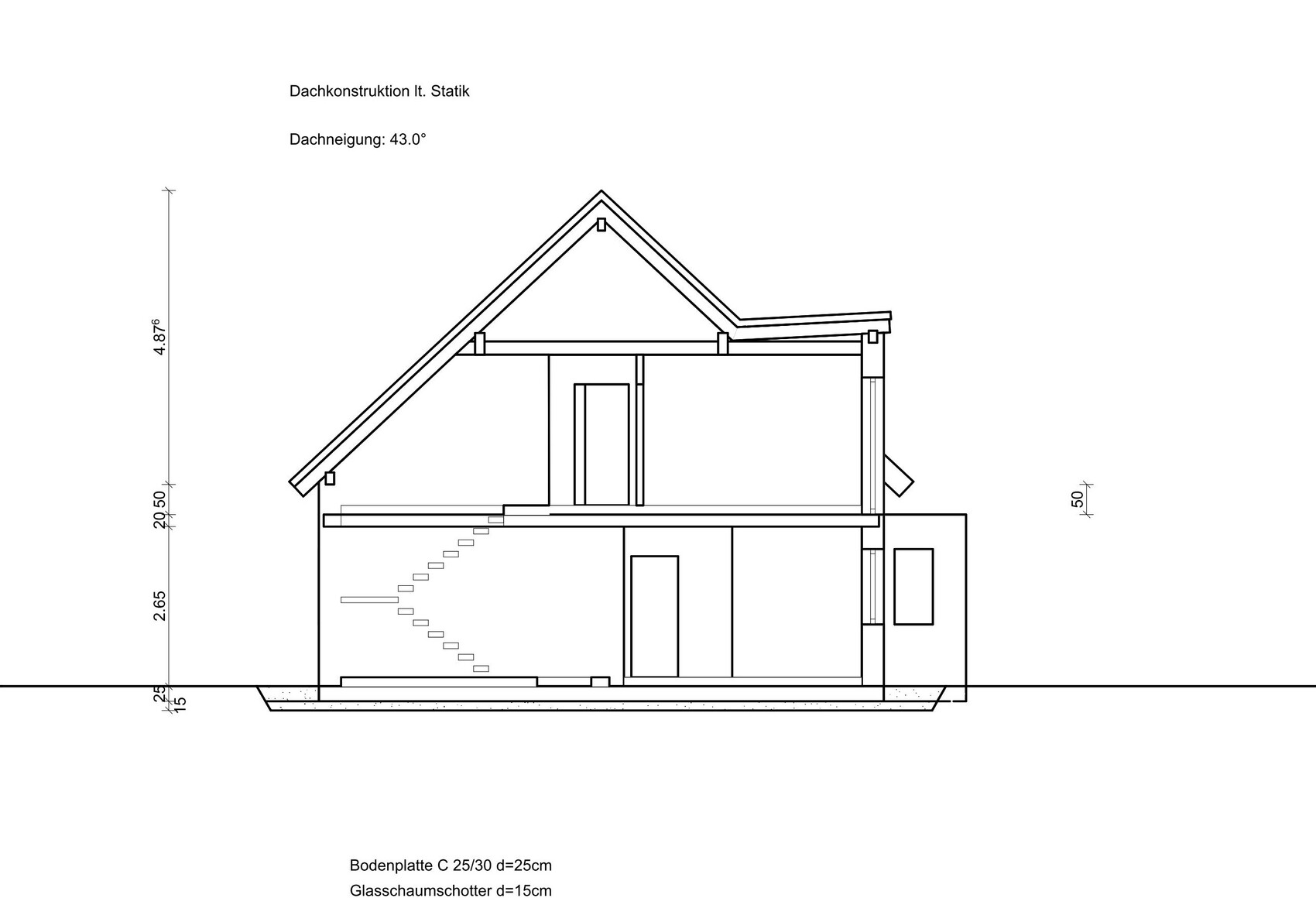
Based on our sketch, we received a first proposal from a general contractor yesterday (see pictures).
I should mention that we have two offers — one with a basement and one without. We will have a planning meeting soon before finalizing the offer.
Without basement:
- An alternative would be an extension with a utility room (actually technical room) plus an entrance vestibule. However, we are not entirely happy with this because the overhang might limit the view from the study.
- We want to avoid paving a large driveway to the property, so attaching the garage directly to the house will probably not be possible. It might be possible to place the garage or carport directly in front of the house.
- Ideally, in the upper floor, we would still like to include a utility room.
- The cloakroom can be omitted due to the vestibule.
With basement:
- The extension or the connection to the garage would not be included; technical and utility rooms would be moved to the basement.
- With this, I think the floor plan would be fundamentally quite workable.
Regarding previous comments:
- The walk-in closet probably doesn’t make much sense due to its size. It is probably better to remove the wall to create a better sense of space or leave just an alcove for the wardrobe.
- The pantry is not “in the middle” but closes off the kitchen side with the cabinets. We will take the kitchen appliances from our current apartment, including a refrigerator (with freezer compartments) that will be integrated directly into the kitchen.
- We took the idea for the pantry from a Hanse show home and also visited the show home to get a feel for the size, and we found it suitable.
- The half-landing staircase takes up a lot of space. Could it be replaced with a different design to gain more living space?
- In the “with basement” option, the basement stairs still need to be accommodated somewhere.
In summary:
Our most important tasks now are:
a) to determine how best to position the house and garage. Ideally, with a relatively small driveway so that there is plenty of space to the south. It is not essential that the garage is directly connected to the house.
b) to find the right floor plan — with or without basement — and make the most efficient use of the living area. Of course, maintaining a certain sense of space is important; we don’t want to sit just one meter in front of the TV in a tiny room in the evening.
I will try to address all the comments together to keep the overview clear.
Regarding the budget:
In hindsight, it was probably a mistake to mention a budget of 350,000 here. Initially, it was more of a “desired budget” with the goal of having the financing paid off in 20 years.
A house with a basement and garage is the maximum version.
We mentioned the budget to emphasize that for us, the budget plays a bigger role than ultimately having a house in this full form. That means we are willing, for example, to substitute the basement with additional living space or replace the garage with a carport that includes an attached storage room (for bicycles, etc.).
Still, I believe Lower Franconia is not comparable to southern Bavaria.
Especially when building with solid construction and using local contractors, the price level should differ significantly here (even though it is generally high).
It is clear that a basement is very expensive and can be ruled out right away if we decide on a prefab house. However, in the case of solid construction, I think the situation is different and might make sense (a smaller living area plus a basement probably isn’t much more expensive than simply increasing the main floor living area).
-> Budget summary:
Please put the budget aside for now — there is still some flexibility. The main idea is to plan the house as efficiently as possible while considering costs.
Regarding the bathtub:
Among our entire family, ages range from 6 months to 89 years.
Those under 70 don’t take baths, and those over 80 no longer get into the bathtub. As a child, I was mostly showered rather than bathed, and our 6-month-old has also been showering for some time now — although not alone.
-> Bathtub summary:
Everyone has at least one bathtub, but nobody actually uses it for bathing. It mostly serves as a clothes rack and dust collector. Of course, there are many people who enjoy bathing and won’t give it up (then it makes sense). However, we are not among them and prefer to relax occasionally by going to a spa or thermal bath.
So, still a no.
Regarding the floor plan:
Based on our sketch, we received a first proposal from a general contractor yesterday (see pictures).
I should mention that we have two offers — one with a basement and one without. We will have a planning meeting soon before finalizing the offer.
Without basement:
- An alternative would be an extension with a utility room (actually technical room) plus an entrance vestibule. However, we are not entirely happy with this because the overhang might limit the view from the study.
- We want to avoid paving a large driveway to the property, so attaching the garage directly to the house will probably not be possible. It might be possible to place the garage or carport directly in front of the house.
- Ideally, in the upper floor, we would still like to include a utility room.
- The cloakroom can be omitted due to the vestibule.
With basement:
- The extension or the connection to the garage would not be included; technical and utility rooms would be moved to the basement.
- With this, I think the floor plan would be fundamentally quite workable.
Regarding previous comments:
- The walk-in closet probably doesn’t make much sense due to its size. It is probably better to remove the wall to create a better sense of space or leave just an alcove for the wardrobe.
- The pantry is not “in the middle” but closes off the kitchen side with the cabinets. We will take the kitchen appliances from our current apartment, including a refrigerator (with freezer compartments) that will be integrated directly into the kitchen.
- We took the idea for the pantry from a Hanse show home and also visited the show home to get a feel for the size, and we found it suitable.
- The half-landing staircase takes up a lot of space. Could it be replaced with a different design to gain more living space?
- In the “with basement” option, the basement stairs still need to be accommodated somewhere.
In summary:
Our most important tasks now are:
a) to determine how best to position the house and garage. Ideally, with a relatively small driveway so that there is plenty of space to the south. It is not essential that the garage is directly connected to the house.
b) to find the right floor plan — with or without basement — and make the most efficient use of the living area. Of course, maintaining a certain sense of space is important; we don’t want to sit just one meter in front of the TV in a tiny room in the evening.
B
boxandroof13 Jan 2019 11:26I usually don’t write here, but this proposal is very close to our house, including the north arrow.
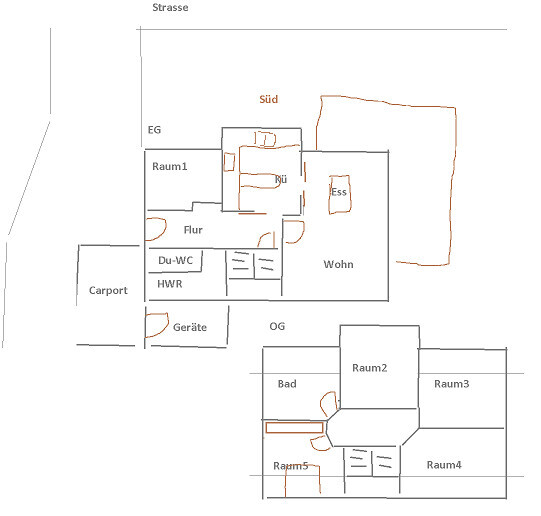
There will probably be some comments regarding the extension.
We built it as attached: room sizes almost identical. House is 0.5 m (1.6 ft) longer. Washer and dryer hidden behind the shower in the bathroom. Two children’s rooms facing west. Pantry under the stairs. An additional 12 m² (130 sq ft) room upstairs in the gable. Just under 150 m² (1,615 sq ft) according to DIN standards.
At first, we didn’t want a bathtub either, but we decided to go with it anyway.
There will probably be some comments regarding the extension.
We built it as attached: room sizes almost identical. House is 0.5 m (1.6 ft) longer. Washer and dryer hidden behind the shower in the bathroom. Two children’s rooms facing west. Pantry under the stairs. An additional 12 m² (130 sq ft) room upstairs in the gable. Just under 150 m² (1,615 sq ft) according to DIN standards.
At first, we didn’t want a bathtub either, but we decided to go with it anyway.
Without going into every detail, if you are confident with the plans, then it should be fine.
The pantry as it is doesn't work. Leave out that room and instead add two more tall cabinets to the kitchen in that space. I would remove the shower at the bottom since no one uses it anyway, and convert the current wardrobe into a storage room.
The walk-in closet is actually too small as well. I would remove the wall to increase the overall floor area of the room.
The pantry as it is doesn't work. Leave out that room and instead add two more tall cabinets to the kitchen in that space. I would remove the shower at the bottom since no one uses it anyway, and convert the current wardrobe into a storage room.
The walk-in closet is actually too small as well. I would remove the wall to increase the overall floor area of the room.
MRN2018 schrieb:
Based on our sketch, we received an initial proposal from a general contractor yesterday. They probably don’t know your plot yet.
MRN2018 schrieb:
a) to find out the best way to position the house and garage. And where is your suggestion for that? I think the order of planning isn’t quite right yet. First the floor plan, then see where to place it on the plot. Regarding this:
Similar topics