
R
RobertHell29 Nov 2025 22:57Hello everyone,
I’m about to start filling the joints on our drywall walls and ceilings. After that, I will prime and paint.
I have 4 specific questions, each with a picture attached:
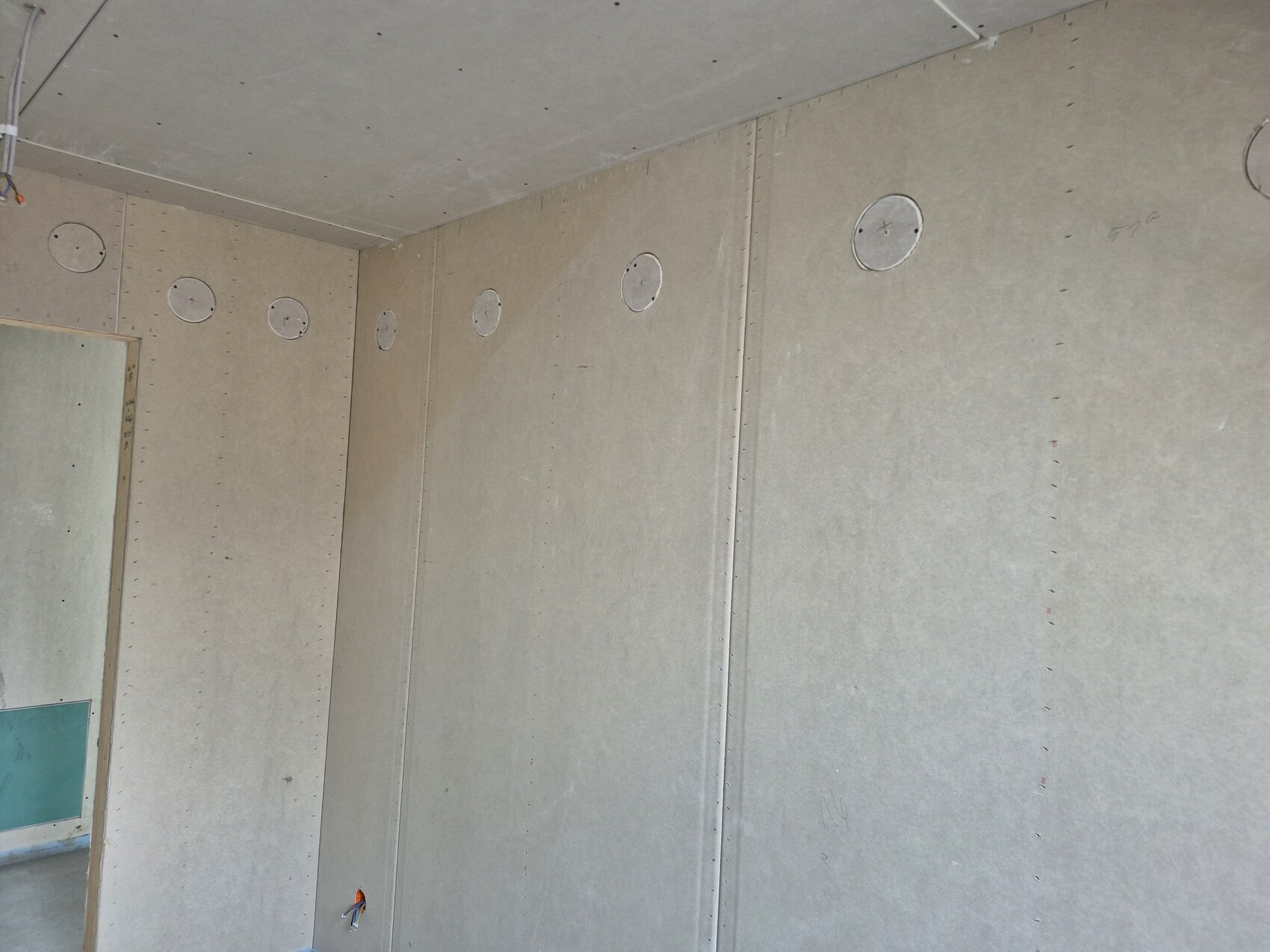
1. The round hole (for blown-in insulation) --> Should I just fill it in like the screw heads without using joint tape?
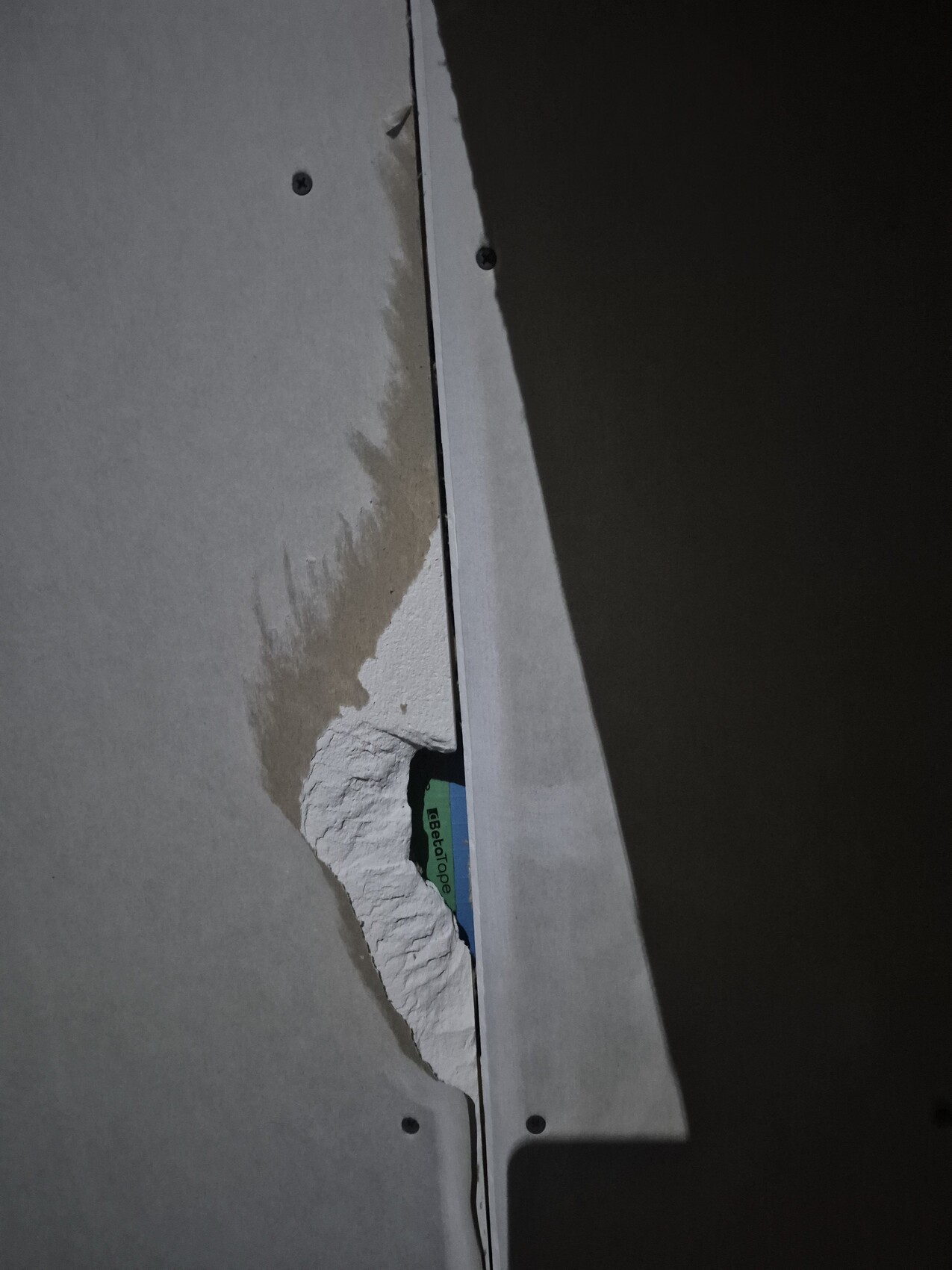
2. For larger damaged areas where the drywall board is broken, can I just fill them in as well, or is there something special I need to consider?
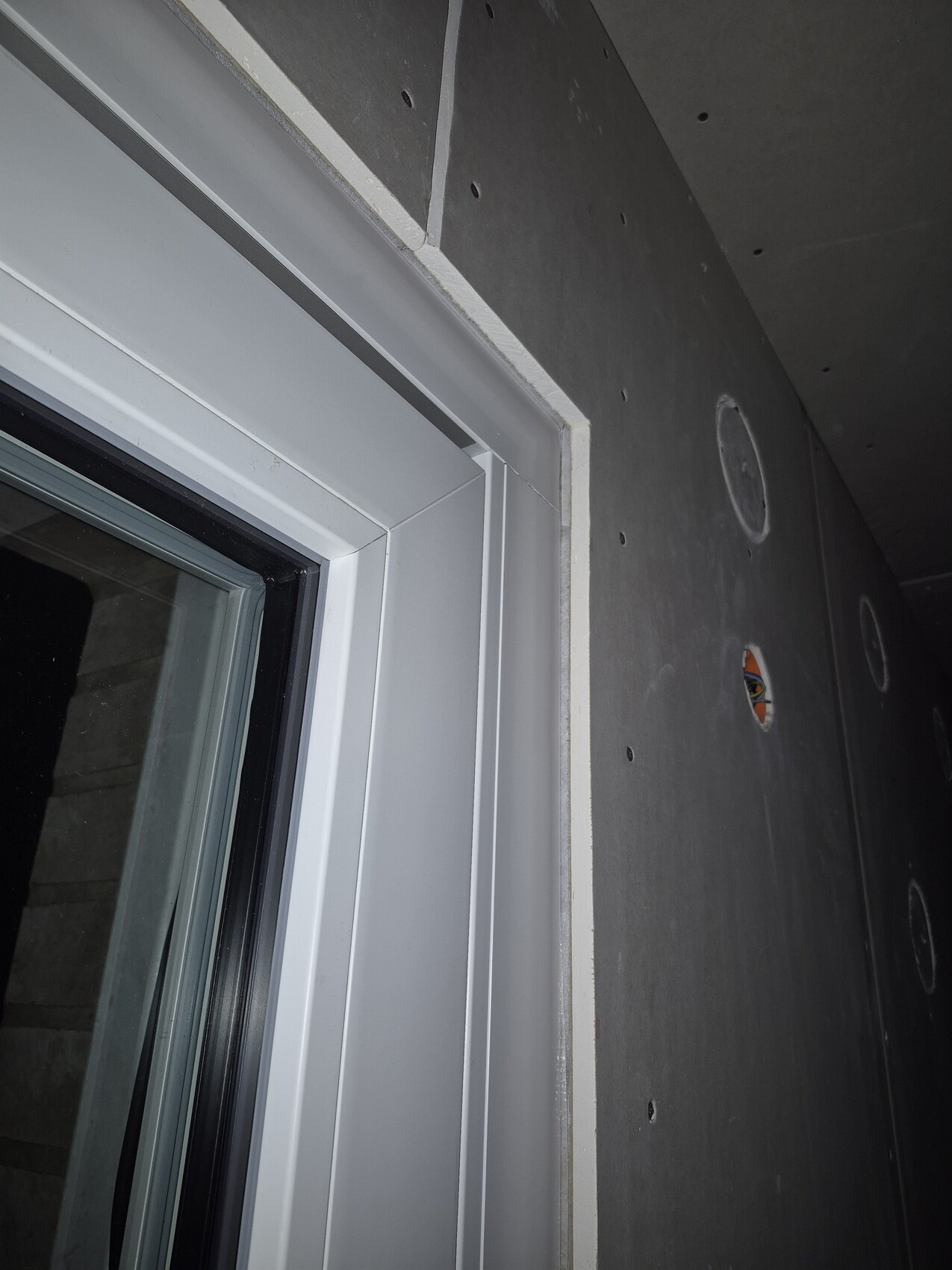
3. At the sliding patio door, there is a 1cm (0.4 inch) gap between the drywall boards. Should I simply fill this flush with the drywall? Should I use joint tape, corner protection, or nothing at all?
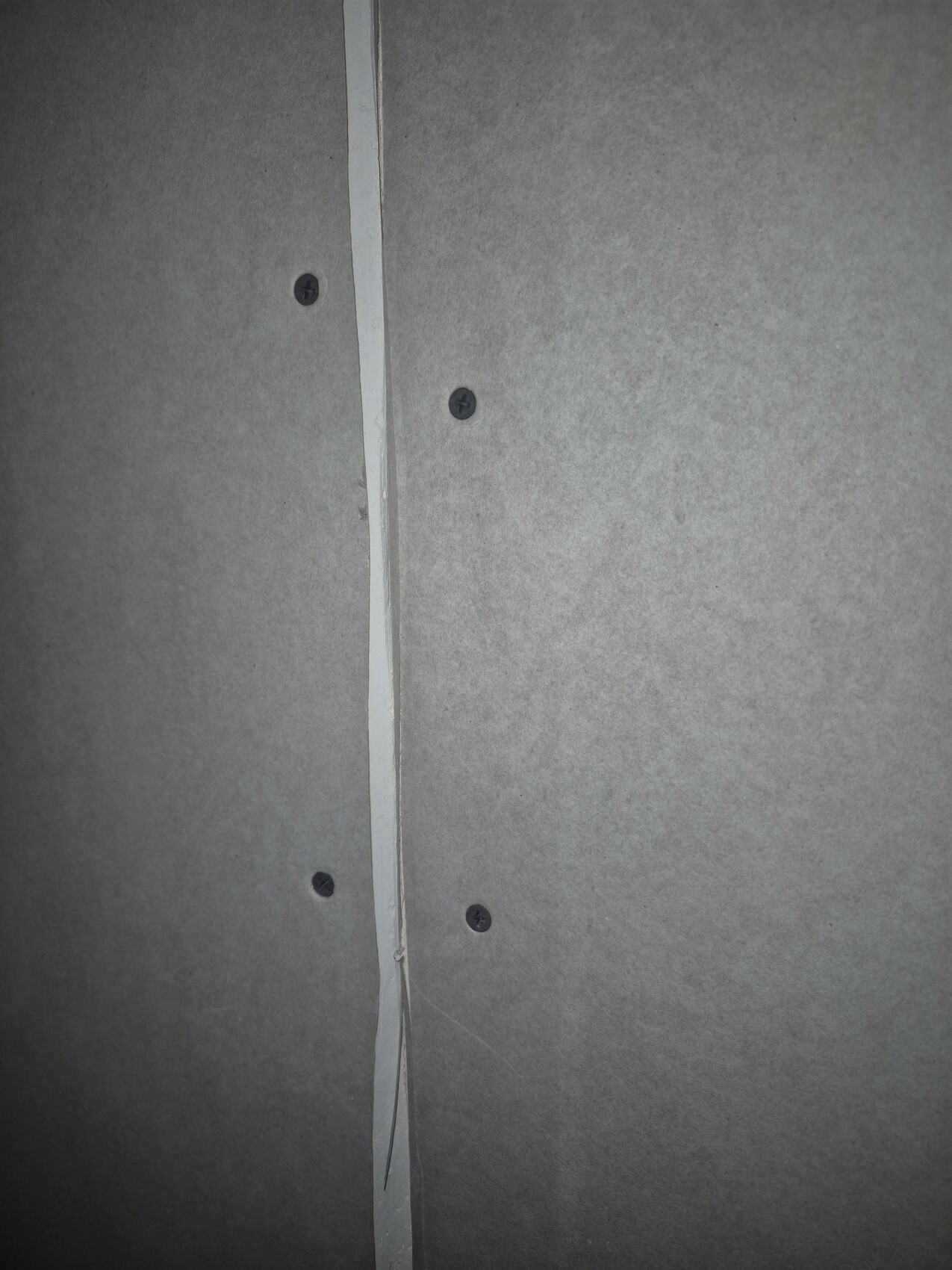
4. This picture shows a butt joint between a beveled drywall board and a drywall board with a recessed groove for the joint tape. The right side is therefore slightly thinner than the left beveled edge. Should I place the joint tape centered over the joint, or can I align it only on the beveled side? The tape would then only overlap the joint by a few millimeters on the left side, but this way I avoid any raised areas from the tape. I plan to use Kurt band both for inside corners and butt joints (according to many experiences, it’s the best for timber frame construction).
Thanks for your opinions.
Robert
I’m about to start filling the joints on our drywall walls and ceilings. After that, I will prime and paint.
I have 4 specific questions, each with a picture attached:
1. The round hole (for blown-in insulation) --> Should I just fill it in like the screw heads without using joint tape?
2. For larger damaged areas where the drywall board is broken, can I just fill them in as well, or is there something special I need to consider?
3. At the sliding patio door, there is a 1cm (0.4 inch) gap between the drywall boards. Should I simply fill this flush with the drywall? Should I use joint tape, corner protection, or nothing at all?
4. This picture shows a butt joint between a beveled drywall board and a drywall board with a recessed groove for the joint tape. The right side is therefore slightly thinner than the left beveled edge. Should I place the joint tape centered over the joint, or can I align it only on the beveled side? The tape would then only overlap the joint by a few millimeters on the left side, but this way I avoid any raised areas from the tape. I plan to use Kurt band both for inside corners and butt joints (according to many experiences, it’s the best for timber frame construction).
Thanks for your opinions.
Robert
Hi,
regarding your points: Simply close the injection holes like screw heads. But make sure to roughen the surface thoroughly, otherwise slight shadows may appear after painting. For the damaged area in the second picture, I would first cut it out a bit and slightly bevel the edges; otherwise, even with Q4 finishing, it tends to crack open again later. The 1 cm (0.4 inch) gap at the sliding lift door should not be closed flush but treated with a self-adhesive edge protection profile, especially since these connections tend to move...
Good luck!
regarding your points: Simply close the injection holes like screw heads. But make sure to roughen the surface thoroughly, otherwise slight shadows may appear after painting. For the damaged area in the second picture, I would first cut it out a bit and slightly bevel the edges; otherwise, even with Q4 finishing, it tends to crack open again later. The 1 cm (0.4 inch) gap at the sliding lift door should not be closed flush but treated with a self-adhesive edge protection profile, especially since these connections tend to move...
Good luck!
Similar topics